

3 Ottobre 2025
In
Immagini Mostre
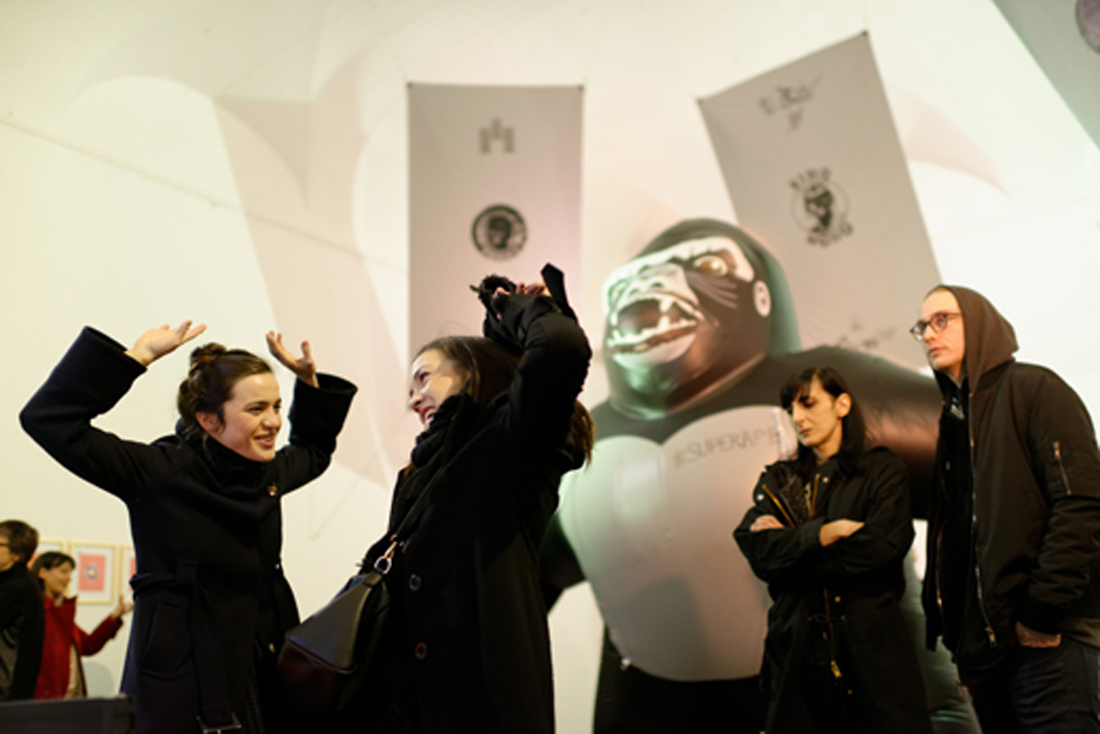
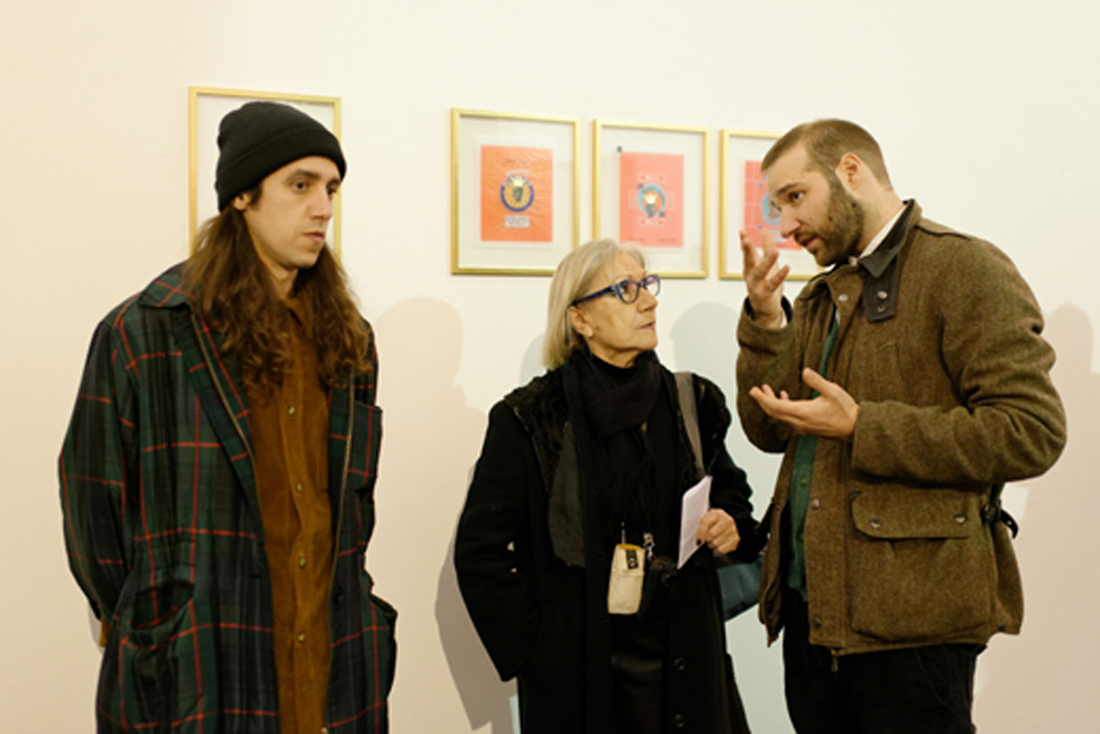
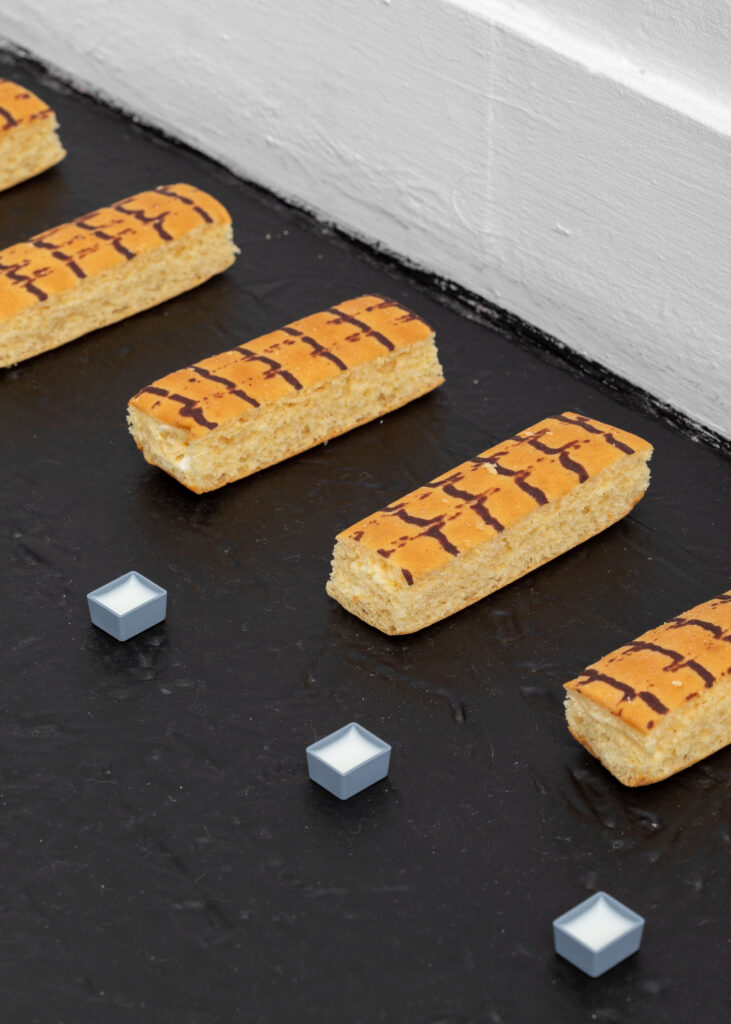
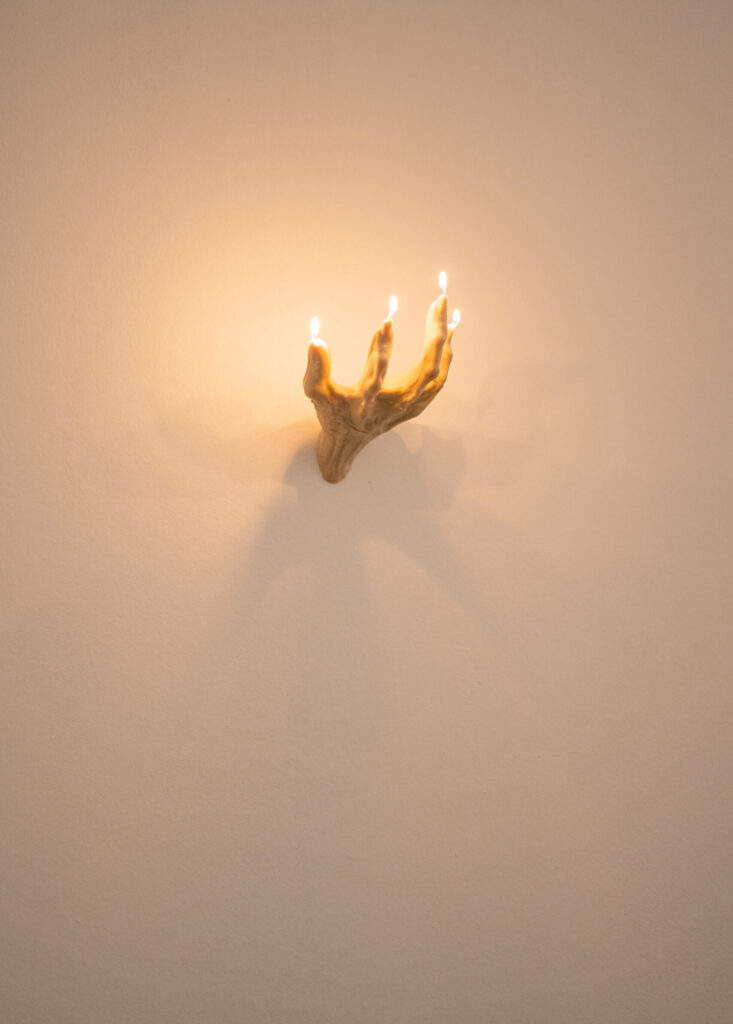
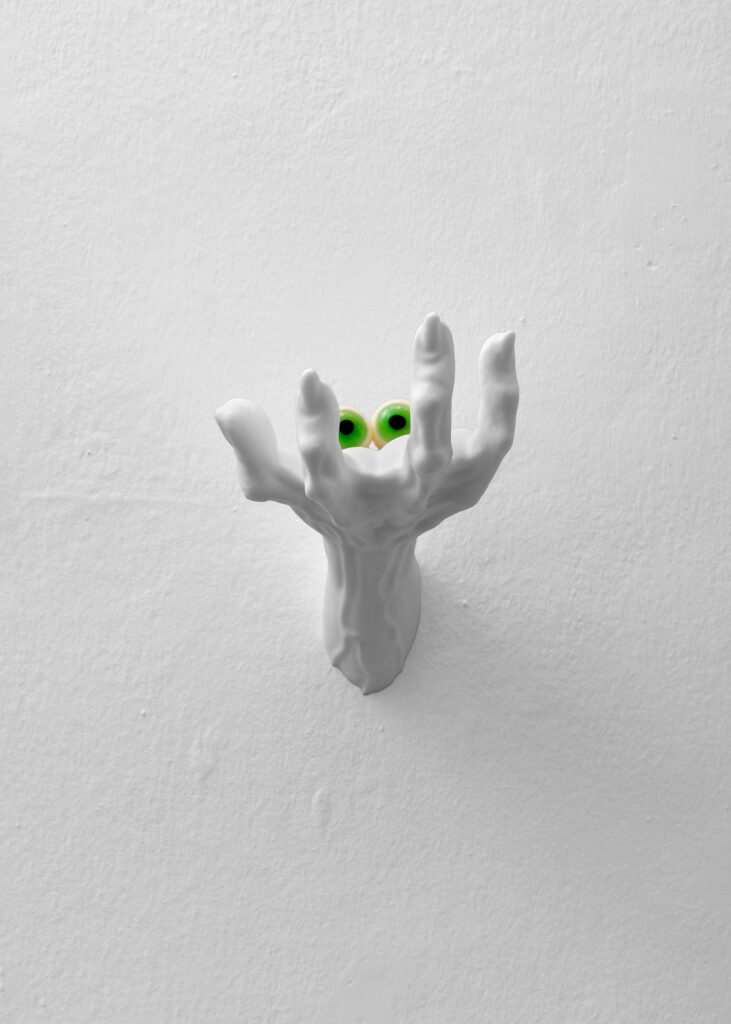
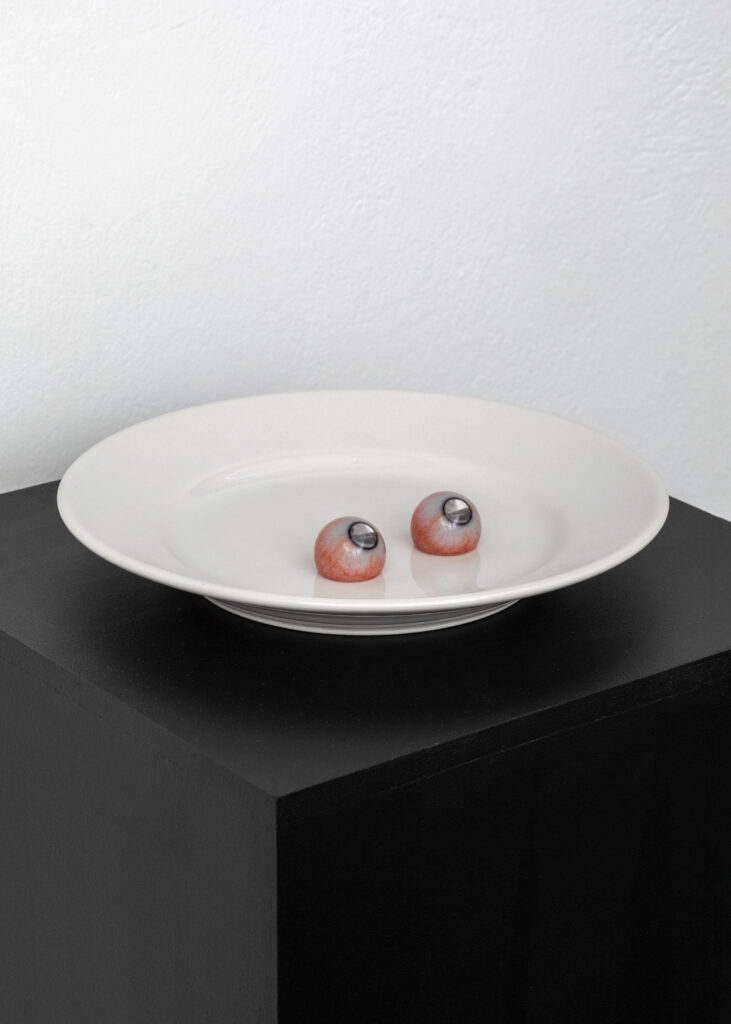
Anna Scalfi Eghenter – COLLECTORS ANONYMOUS


Photo credit: Alice Moschin


23 Aprile 2024
In
Immagini Mostre
KOO JEONG-A – KOREAN PAVILION – BIENNALE D’ARTE CONTEMPORANEA, VENEZIA – 2024

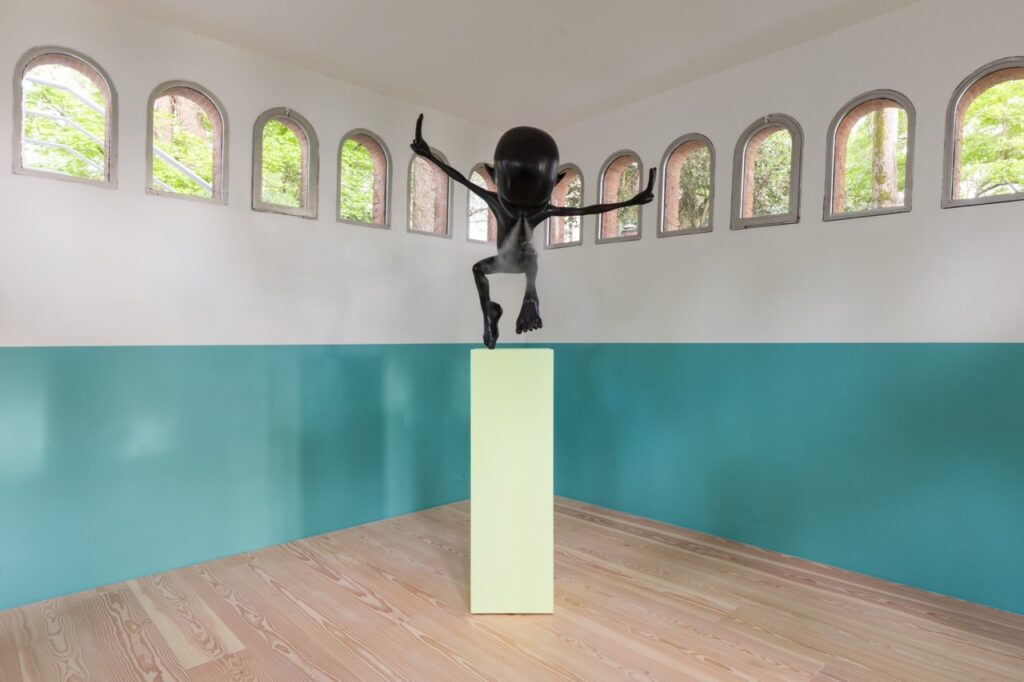


KOO JEONG A – ODORAMA CITIES, Korean Pavilion 2024, La Biennale di Venezia, Installation view, Courtesy of Pilar Corrias, London, and PKM Gallery, Seoul, Photo by Mark Blower.
Korean Pavilion at Biennale Arte 2024 Giardini, Venice
20 April – 24 November 2024
The Korean Pavilion presents ODORAMA CITIES by Korean artist Koo Jeong A. In this new commission, the artist will delve into the nuances of our spatial encounters, investigating how we perceive and recollect spaces, with a particular emphasis on how scents, smells, and odours contribute to these memories.
During the summer of 2023 over the course of three months, Koo collected scent memories for ODORAMA CITIES with the aim of building a portrait of the entire Korean peninsula. After a public open call issued by Koo and the pavilion curatorial team via social media, advertisements, one-to-one meetings, Koreans and non-Koreans with a relationship to Korea submitted descriptions in response to one central question: “What is your scent memory of Korea?” This process generated more than 600 written statements recollecting the country through the prism of scent.
“On spring days when Korean rosebays are in bloom, I find myself missing my hometown even more. Here in South Korea, I smell the flowers, hoping to find the same scent as the ones back in North Korea. And indeed, they share the same scent.”1
Thereafter, Koo and the curators tasked and collaborated with perfumers to translate and categorise these memories into 17 distinct scent experiences created specifically for the pavilion. At the pavilion itself, Koo will explore an expanded tactility – returning to key interests that mark the artist’s work including immaterialism, weightlessness, endlessness, and levitation. Those concerns are embedded and engraved as infinity symbols directly into a new wooden floor for the Korean pavilion and manifest as two floating wooden möbius-shaped sculptures and a levitating, scent-diffusing bronze figure, and ultimately are symbolized in the scents that transform the pavilion into a sprawling collection of olfactory memories.
An exhibition catalogue will accompany the pavilion presentation including contributions from Frank Boehm, Grégory Couderc with Jean- Claude Ellena, Hyesoon Kim, Namjo Kim, Seolhui Lee & Jacob Fabricius, Sooyon Lee, Young June Lee, Jessica Morgan, Hans Ulrich Obrist with Koo Jeong A, Eva Tind, Luca Turin, and Kyung Jin Zoh.
—-
Commissioner: Arts Council Korea (ARKO)
Curators: Seolhui Lee & Jacob Fabricius
Artist: Koo Jeong A
Assistant Curators: Yoojin Jang, Najeong Lee
Architect: Jens Rønholt Schmidt
On-Site Manager: Eunjeong Kim
Editorial Manager: Haelee Kim, Sarah Quigley
Graphic Designer: kontaakt (Wonseop Lee, Wonyeong Baque) Publisher: Distanz
In partnership with Hyundai Motor
Partners: NONFICTION, LUMA Foundation, Dinesen
Collaborator: LUSH
Sponsors: ILJIN Culture Foundation, Bloomberg Philanthropies, Nicoletta Fiorucci Foundation, Agnès b, Bazaar Art, Art Hub Copenhagen
Supporters: Albarrán Bourdais, Pilar Corrias, Pinksummer Gallery, PKM Gallery
PR: Sutton Communication


22 Novembre 2023
In
Immagini Mostre
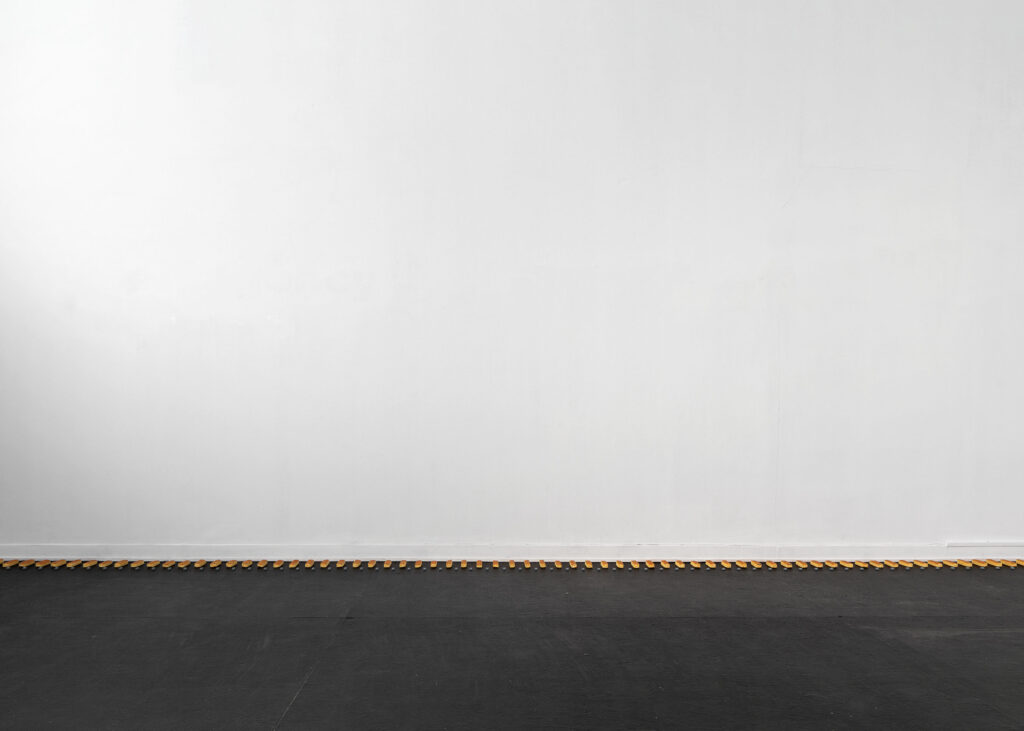
TOMÁS SARACENO – Life(s) of webs, arachnophobias, arachnophilias, and other stories
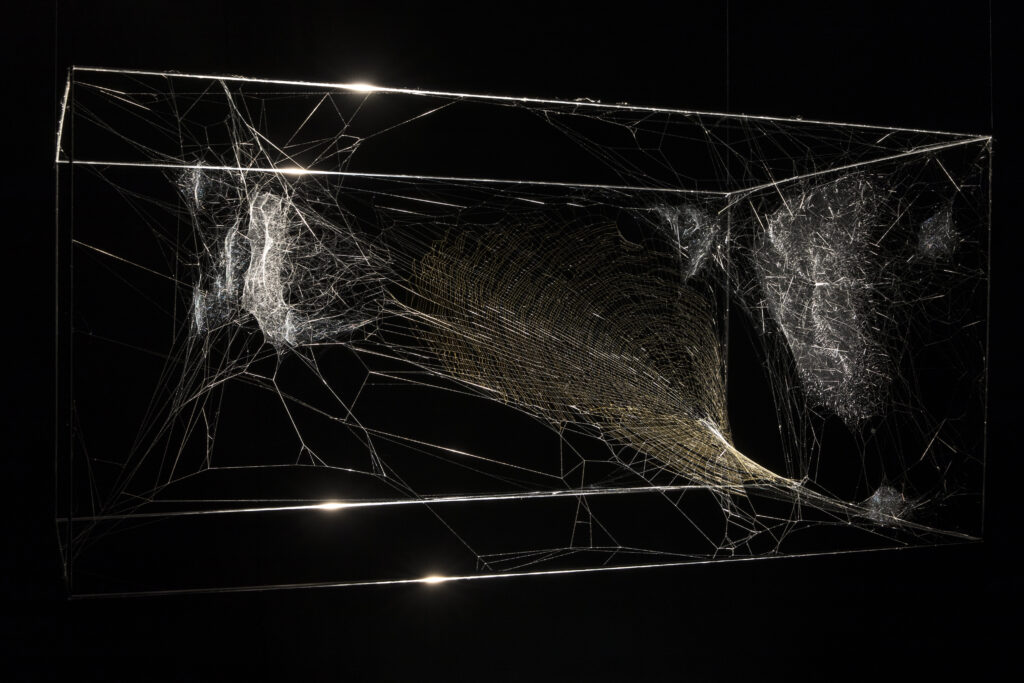
Tomás Saraceno, Life(s) of Webs, arachnophobias, arachnophilias, and other stories. Courtesy the artist. Photography by Studio Tomás Saraceno.
Summary of the Public Program
November 24 2023, Panel Discussion at Casa Cava, Matera, 18:00 (while seats last) with Tomás Saraceno, Gianni Garrera, Claudia Attimonelli and Salvatore Bevilacqua.
25th 2023, Life(s) of Webs, arachnophobias, arachnophilias, and other stories, permanent installation at Chiesa della Madonna del Carmine, Palazzo Lanfranchi, Museo nazionale di Matera; Fly with Pacha, into the Aerocene (2017-2023 ongoing) Film Screening & Artist Talk dedicated to local schools at Cine-teatro “G. Guerrieri” – Matera, Italy
Spring, 2024, Artist Book Launch & Panel Discussion, Matera, Italy
______________________________________
Matera Basilicata Foundation 2019, together with The National Museum of Matera, are delighted to present Life(s) of Webs, arachnophobias, arachnophilias, and other stories, a permanent installation at Chiesa Madonna del Carmine, Palazzo Lanfranchi by Tomás Saraceno, from 25th November, 2023. The artwork serves as the opening to collaborative research that fits within this syncretic, Arachnophilia project, culminating with the launch of an artist book which will bring together a diverse network of material from philosophers, artists, writers and arachnologists. On the 24th November, Tomás Saraceno will be in conversation with philologist, translator and playwright Gianni Garrera, writer and researcher Claudia Attimonelli and anthropologist and researcher Salvatore Bevilacqua. On 25th November, students from Matera’s high schools will be invited to learn more about Saraceno’s thought and work, through a viewing of one of his films, Fly with Pacha, into the Aerocene (2017-2023 ongoing).
In 2023, in the Chiesa Madonna del Carmine in Matera at Palazzo Lanfranchi – National Museum of Matera, Saraceno’s artwork—a Catholic confessional box—is found, in which spider/webs emerge in the place of the priest, with the intention to share their ancestral wisdom. It’s a call to humanity, one to listen closely to: “we have lived on Earth for more than 380 million years, while most of you humans, merely 200 thousand years… we invertebrates represent 95% of all animals on planet Earth, yet we are threatened by extinction, something that would endanger all lives on earth. We ask you to care for the rights of our webs of life. Can we join forces and weave together ways of living, with lifestyles that do not affect climates, for more just, eco-social inter- intra-species societies for all?”
It is through a new syncretic ensemble of myths, beliefs, liturgies, ceremonies, histories of divination, rituals, food practices, songs & dances, that Lives of webs responds to this call. “We invite you to join us in this movement for new collective multispecies futures. Come closer, sense wisely, feel the vibrations. Every contribution matters. These are times to act and to be part of something larger, and infinitely smaller, than yourself”.
“With the work of artist Tomás Saraceno, the Matera Basilicata 2019 Foundation completes the path of Matera European Capital of Culture 2019 and opens a focus, through contemporary art, on one of the themes at the center of the new programming, that of the environment. The invaluable collaboration with the National Museum of Matera has made it possible to welcome a site-specific work that remains with the city on a permanent basis, so that we can develop around it a long-lasting programming, linked to the main emergencies of contemporaneity.”
Thanks to Pinksummer Gallery for collaboration in the development of the Life(s) of Webs project
______________________________________
Opening Hours
Life(s) of Webs, arachnophobias, arachnophilias, and other stories
National Museum of Matera – Palazzo Lanfranchi, Chiesa della Madonna del Carmine Opening hours: 9 a.m.-8 p.m. – last admission 7 p.m.
Closing: Tuesday 09:00 – 14:00
Photo
The photo shoot of the artwork, by photographer Amedeo Benestante, will be available from 26 November 2023.
For enquiries: ufficiostampa@matera-basilicata2019.it
______________________________________
Life(s) of webs
arachnophobias, arachnophilias, and other stories
Amongst Maya Peoples, the spider/web represents the placenta of Ix Chel, the Maya goddess of childbirth and patron saint of weavers, and for whom the spider creates the thread of life from within itself. For the ancient civilisation of the Nazca, the spider was imaged in their geoglyphs–engraved directly onto the ground of the Nazca Desert in southern Peru–as schematic-geometric figures that span a length of nearly 50 meters. In Peru, a special class of pre-Inca Chavín diviners (known as pacchacatic) once consulted the spider as deity and oracle, divining their future based upon its falling movements. In late pre-Hispanic times, and still today in regions of modern highland Peru, spiders are observed to predict rainfall and other other climate events.
During the origins of the Qixi festival in China, a celebration derived from the myth of cloud-weaving goddess Zhinü, it was customary on the “Seventh Night” for young girls who practiced needlework to observe house spiders of the court (xizi), storing them until dawn in hopes to reveal their fortune. If the spider had spun a tightly-woven web, it was a positive omen and read as a reflection of the young woman’s skills. If the web was sparse or unbuilt, the opposite was true.
In Christianity, we encounter the tale of Saint Felix di Nola who, upon being persecuted due to his preaching, slipped through a narrow gap in a nearby ruinous house in order to conceal himself. Once inside, by God’s command, spiders spun a protective web across the opening, tricking his persecutors into believing no one could have traversed the space, who then continued on their path. The spider-as-trickster appears myriad: in North America for the Cheyenne Peoples as Veeho, for the Lakota as Iktómi; in West Africa as Kwaku Anansi—a rogue, arachnid folk hero whose cunning, unpredictable and liminal figure mediates between the gods of the sky and earth-bound humans.
Tarantism, a phenomenon originally believed to be caused by a bite from the Lycosa tarantula or Latrodectus tredecimguttatus, is a form of ‘hysterical’ behavior—and accompanying dancing mania—originating in Southern Italy. The tarantella dance, a series of folk dances with roots in Calabria (Sonu a ballu), Campania (tammurriata) and Puglia (pizzica), evolved as a speculative therapy—a type of musical exorcism—for the ‘victims’ of such spider bites: it is said that such convulsion-invoking rhythms, performed publicly, often for days on end, were used to revive and heal those who had succumbed to the spider’s venom.
In North America, the Hopi and Navajo Peoples count on their Mujer Araña as both a powerful spirit and ally, whose magical agency of the Earth would teach them to weave; for other Californian tribes, she is an avenging spirit that punishes evil. In Greek mythology, the figure of Arachne is entangled within a ‘web of resistance’ with goddess Athena, revealing another tale of mediation: of two women who use embroidery as a performative textuality, confronting and defending the social order.
Mediation across lines of species and language continues today: the historic ŋgam dù spider divination, as practiced by the Mambila People in the borderlands of Cameroon and Nigeria, brings its diviners and consultees into acute relation, awareness and sensitivity to a spider’s oracular capacities. During a consultation, a set of binary questions is presented to a ground-dwelling spider. Cards placed at the entrance to its burrow, made from stiff plant leaves and featuring cut-out shapes (ŋgèe) with specific symbolic meanings, are rearranged by the spider whose response is then interpreted by the diviner.
Myths for syncretic belief
Starting from an object like the confessional, and from a nature like that of the spider/webs, Tomás Saraceno’s idea is to conceive and devise a new liturgy and set up a ritual for a festive day, as if for the public it was not only a matter of visiting an exhibition, but of sanctifying (or making meaningful, important, profound) a day through participation in a ritual.
Liturgy is a science and an art, made of objects, gestures, signs, words, because it is a concrete and beautiful action that—through contact with sensible elements and postures—makes known a greater reality (a truth): there are no spontaneous gestures in it. The arachnophilia project which Saraceno will conceive, includes readings (prayers, lessons, music from the various traditions and in accordance with various converging liturgies concerning an attention and reverence for Nature) objects (the confessional), mysteries (the spider/webs) and ritual gestures or attitudes (greetings, ablutions, etc.) so that the audience is no longer the absolute and spontaneous master of its own movements (because of the erasure of the self and anonymity that flow from the liturgy). The resulting catalog, too, will be like a small breviary or lectionary containing the readings, the stories of this ceremony and its cosmological correspondences.
It is not a matter of simulating a liturgy, but of actually setting it: the pacing and reflection up to the confessional, the kneeling, the participation in the mystery contained therein. For Saraceno, the Confessional recapitulates all the secrets of tradition: it is also a chapel—like those chapels one encounters on street corners—treasure chest. Inside, there is, as Nietzsche wrote, a God-spider weaving, just as a weaving is every ceremony. Saraceno’s purpose is also to restore a liturgical sensibility to people (solemn repetition of a gesture, cyclical ceremonies and fixed readings).
Logically, all the paraphernalia that will be used and all the gestures and operations that will be carried out—as is typical of a liturgy—refer back to a meaning: liturgy is not choreography, but every position refers back to such signification. If, for example, one conceives of man’s relationship with Nature still as unequal, in order to convey the mystery of the equality of humans and animals, certain gestures will have to ritually make one understand the hidden meaning to which one is referring—and as already written: we confess to Nature, we confess our ecological guilt against Nature: man—through the confessional—asks forgiveness from the Cosmos, therefore Saraceno’s rite is first and foremost a non-sacrificial rite…and its profound function is precisely to revoke all the sacrificial rites of the past for a new mode of reconciliation through the liturgy of art.
— Gianni Garrera
Matera, Chiesa della Madonna del Carmine, Palazzo Lanfranchi – Museo nazionale di Matera
The city of Matera, with its peculiar urban ontology, is for Saraceno a territory of choice, already because of the origin, albeit hypothetical, of the city’s name, which refers to the Greek Meteoron, starry sky, since the city seen after sunset from the side of the Murgia makes Matera comparable to the night sky dotted with stars. Matera is a kind of network carved into the tuffaceous rock, which one has the impression could connect the whole world. An underground world, inhabited and alive, whose souls were once recorded by the little lights placed on the entrances of a consubstantial and close, but different world: a sort of other dimension.
Saraceno’s repeat visits to Matera, starting nine years ago and culminating in July 2022 with his visit to the National Museum of Matera and to the Church of Carmine—located inside the museum at Palazzo Lanfranchi—fostered inspiration which led to the creation of the Life(s) of Webs, arachnophobias, arachnophilias, and other stories confessional. Saraceno has grasped the intrinsic spiritual value of the city of the Sassi, which is well suited to accommodate the holistic and universal nature of its glass showcases with the hybrid spider webs inside, created through the sequential collaboration of spiders of different species: solitary, semi-social and social. The spider webs are also understood as a sublunar mirror due to their similarity and resemblance to dark matter, the cosmic web that supports galaxies and worlds, visible only through the gravitational lens, which vibrates in astral time, generating the worldly music that the Pythagoreans already told us about and which we now call cosmic background noise.
The sound of worlds vibrates with vibrations similar to those of the spider’s web that spiders play, one might venture, as if it were a harp, restoring to those who can and know how to listen the sounds of love, of the hunt, of fear just as the cosmos restores in the chords of dark matter the whirling chirping to perfection of the silence of a pair of black holes merging into one, which took place millions of light years ago. For those of us who only concretely have the category of linear time, through Saraceno’s work we seem to have a greater affinity with the idea that our eyes perceive the shimmering of stars that have stopped shining in a distant time that we cannot even imagine.
Tomás Saraceno
Tomás Saraceno (b. 1973, he/him/his) is an Argentina-born, Berlin-based artist whose projects dialogue with forms of life and life-forming, rethinking dominant threads of knowledge and recognizing how diverse modes of being engage a multiplicity of vibrations on the Web of Life. For more than two decades, Saraceno has worked with local communities, scientific researchers, and institutions around the world, and has activated open-source, interdisciplinary, collective projects, including Museo Aero Solar (2007–), the Aerocene Foundation (2015–), and Arachnophilia, towards a society free from carbon emissions, for intra and interspecies climate justice.
Saraceno has been the subject of solo exhibitions and permanent installations at museums and institutions internationally, including The Serpentine Gallery, London (2023), The Shed, New York (2022), Palais de Tokyo, Paris (2018); Museo de Arte Moderno, Buenos Aires (2017); K21 Kunstsammlung Nordrhein-Westfalen, Ständehaus, Dusseldorf (2013); the Metropolitan Museum of Art, New York (2012); and Hamburger Bahnhof – Museum für Gegenwart, Berlin (2011). Saraceno has participated in numerous
festivals and biennales, including the 17th Venice Architecture Biennale (2020) and the 53rd and 58th Venice Biennales (2009, 2019).
Arachnophilia
Saraceno is the founder of Arachnophilia, an interdisciplinary, research-driven community, focusing on the extraordinary architecture of spider webs and their behaviors, which entangle us in various cultural perceptions, myths, and relationships. Through expanding its artistic networks, the Arachnophilia community seeks to invent innovative, playful and engaging platforms for bringing research discourse into the public sphere. At Studio Tomás Saraceno, this consists of research and praxis in the fields of biomateriomics, bioacoustics, ethology and cognitive science, among others, as a way of engaging speculatively, but also sensitively, with the forms of life that exist all around us.
Together with the Arachnophilia community, Saraceno’s love for spiders and their webs has led to innumerous collaborations with them. Notably, he invented the Spider/Web Scan, a novel, laser-supported tomographic technique that allowed precise 3-D models of complex spider/webs to be made for the first time — this invention resulted in leading research groups around the world, from MIT to Max Planck Institute, coming to learn from this collaboration.
Another of Arachnophilia’s developments is that of hyper-sensitive microphones that sense the vibrations of spiders through their webs. These methods and technologies, besides becoming artworks in themselves, were also documented and extensively covered in art publications as well by internationally renowned scientific and technological journals, such as Nature, PNAS, MIT and others. Further research areas include an archive of spider/web vibrations recorded on different web types, building upon the biotremological innovations in spider/web recording and sonification devices developed by Studio Tomás Saraceno; an archive of maps of spider/web ecologies, that make visible the ways in which spider and human habitats are intertwined, in sites across the globe. By sharing the content of these archives as well as the tools with which to collaboratively build and enrich them, the Arachnophilia community hopes to empower a broader audience to contribute to an understanding of our relationships with our arachnid kin, and therefore to cultivate renewed perspective on our responsibilities toward the nonhuman creatures with whom we share our environments.
______________________________________
Matera Basilicata Foundation 2019
The Matera Basilicata 2019 Foundation was established in 2014 to implement the lines of action outlined in Matera’s candidacy dossier for European Capital of Culture 2019, in order to consolidate the position gained by Matera and Basilicata region at the European level and to become a cultural platform for Southern Europe. In 2023, after completing the activity plan for Matera and Basilicata as European Capital of Culture and securing its legacy, the goals and duration of the Foundation were extended to 2035 to continue to operate in the field of creativity and culture with the aim of: to promote and support the development of creative, artistic and cultural activities in the city of Matera and at the regional level in tune with the strategies of local authorities and in collaboration with the world of university, research and business; to consolidate and strengthen the national and international position of Basilicata and Matera as a platform for cultural innovation that creates relationships, exchanges, and projects in Europe and around the world; and to foster social inclusion through art and culture.
Press
www.matera-basilicata2019.it
Press Office: Caterina Venece
ufficiostampa@matera-basilicata2019.it
+39 0835 256384
Instagram & Meta @matera2019
National museum of Matera
https://www.museonazionaledimatera.it/
mn-mt@cultura.gov.it
+39 0835 310058
Facebook: @museomatera
Instagram: @museonazionaledimatera
Studio Tomás Saraceno
Instagram & Meta @studiotomássaraceno
X @tomássaraceno
press@t-saraceno.org
Studiotomássaraceno.org
Arachnophilia.net
Aerocene.org






13 Dicembre 2022
In
Immagini Mostre
Mariana Castillo Deball – In a Convex Mirror


Photo credits Alice Moschin


30 Luglio 2022
In
Immagini Mostre
Invernomuto – MED T-1000 – Pinksummer goes to Palermo

Photo credit CAVE Studio


13 Aprile 2022
In
Immagini Mostre
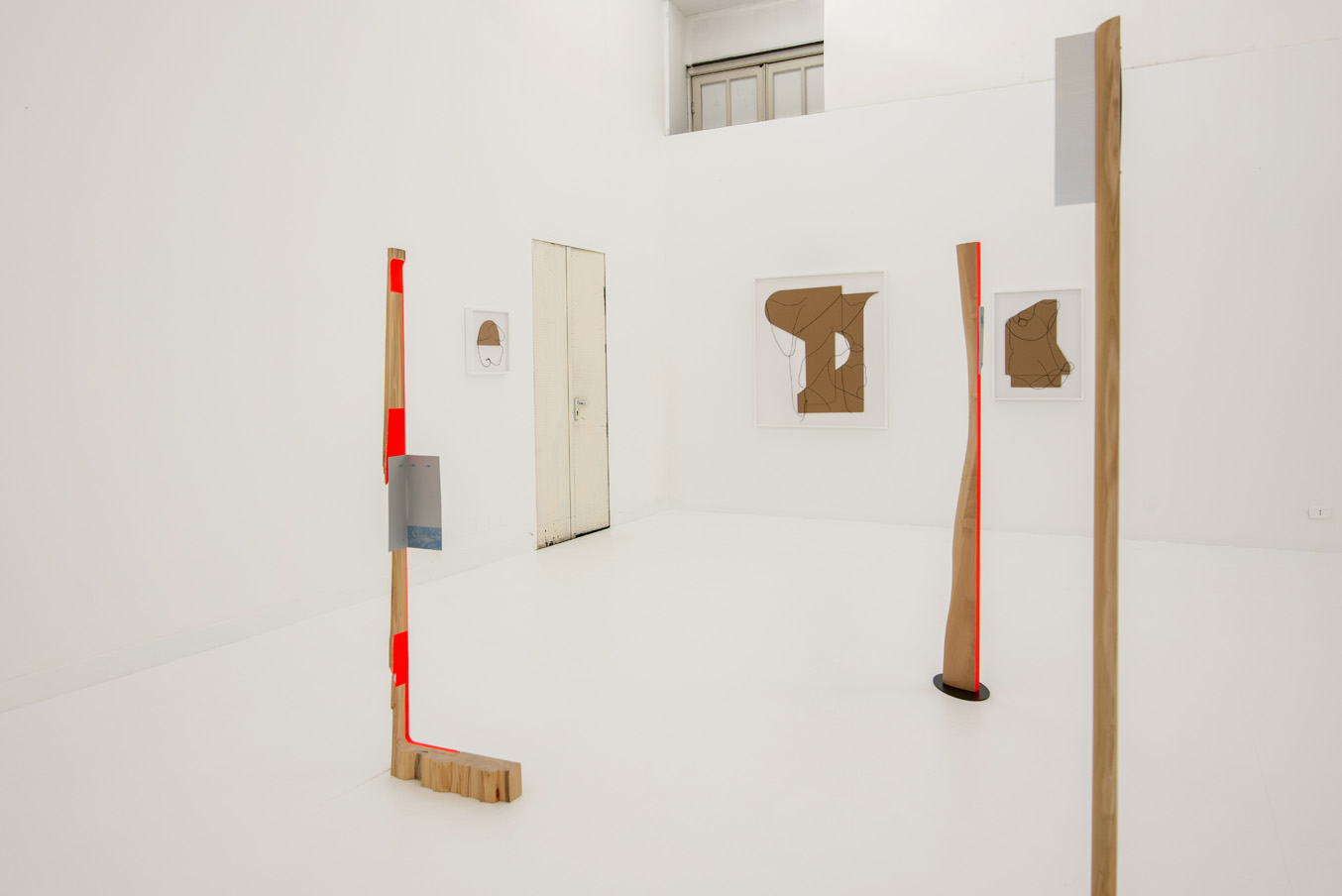
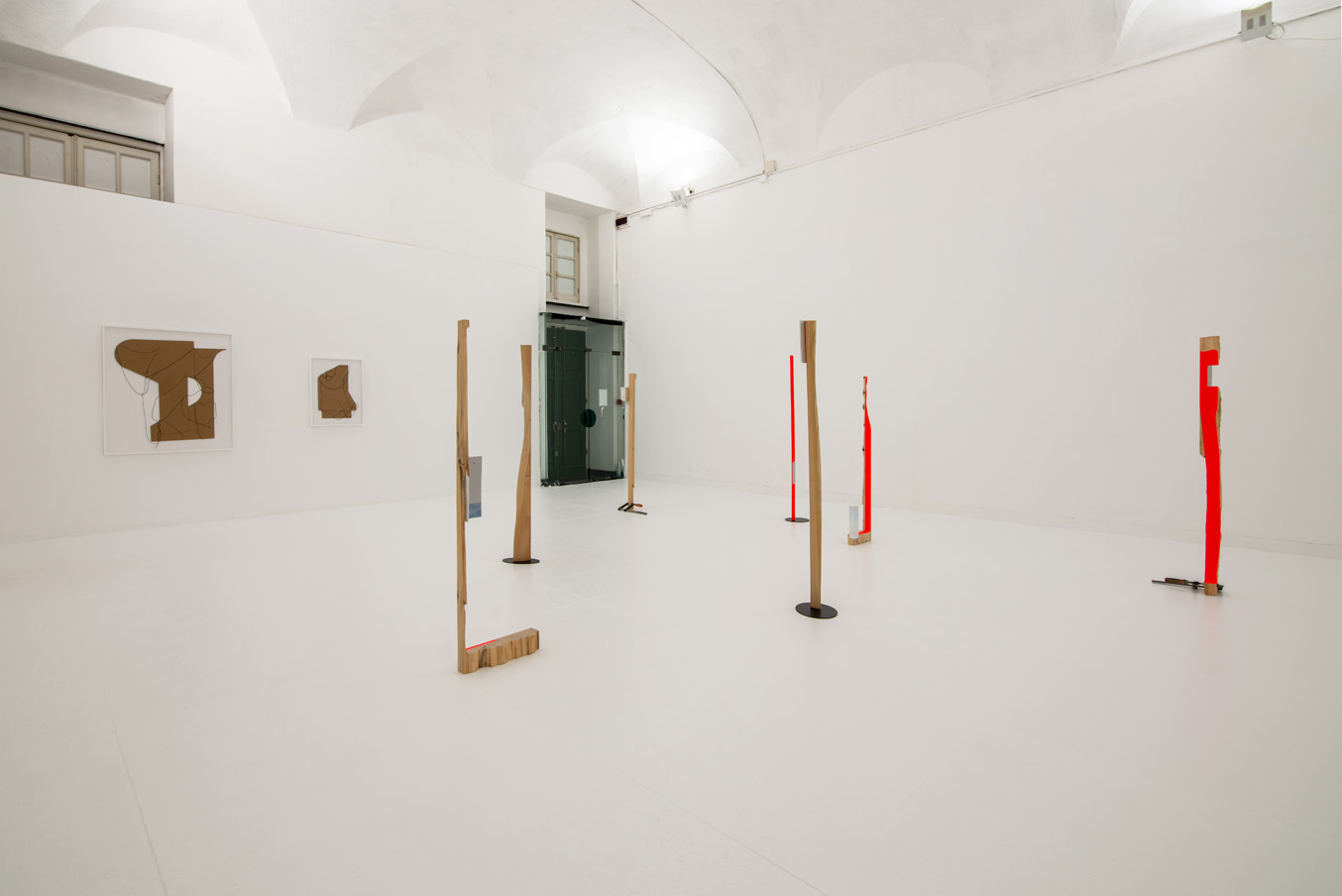
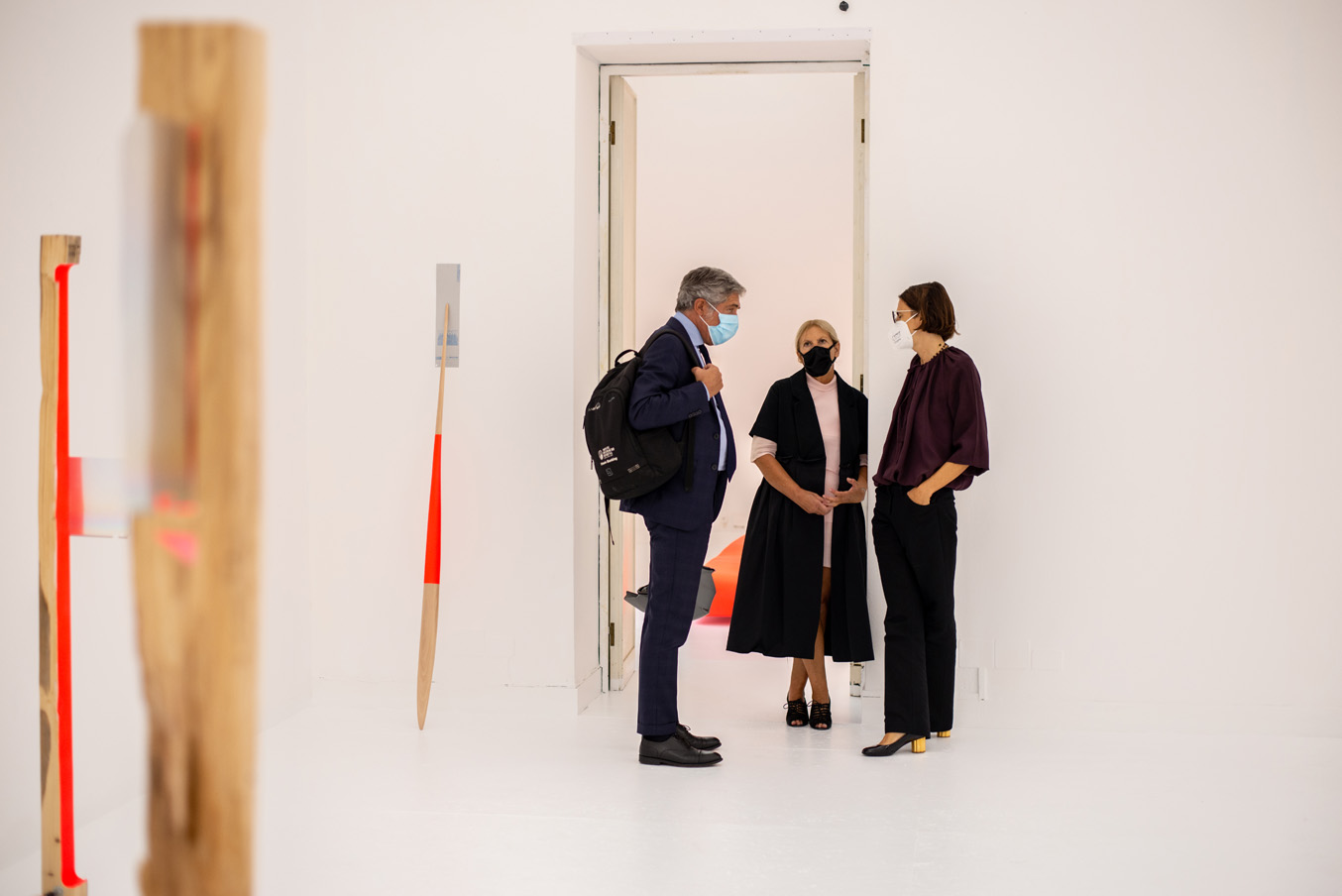
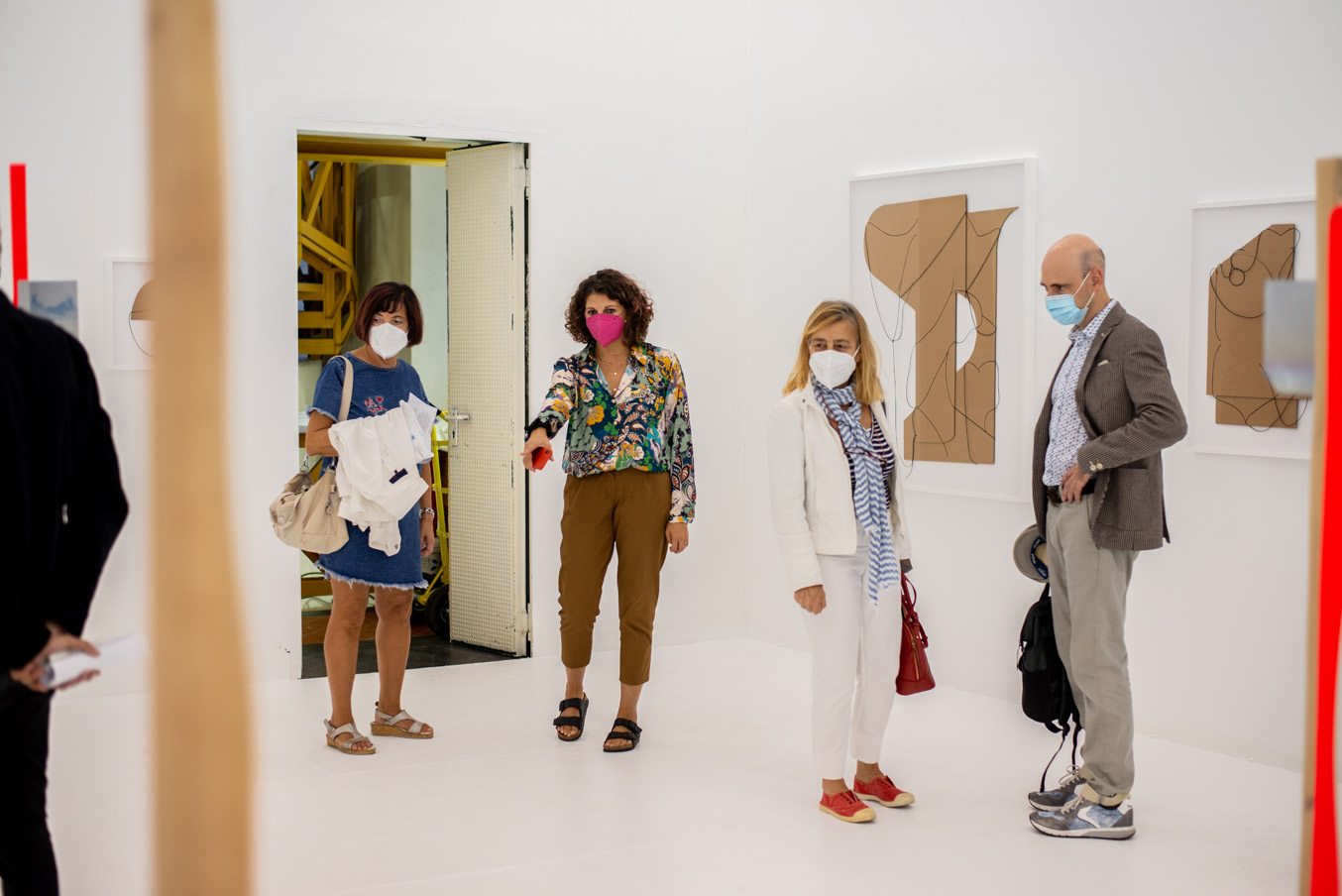
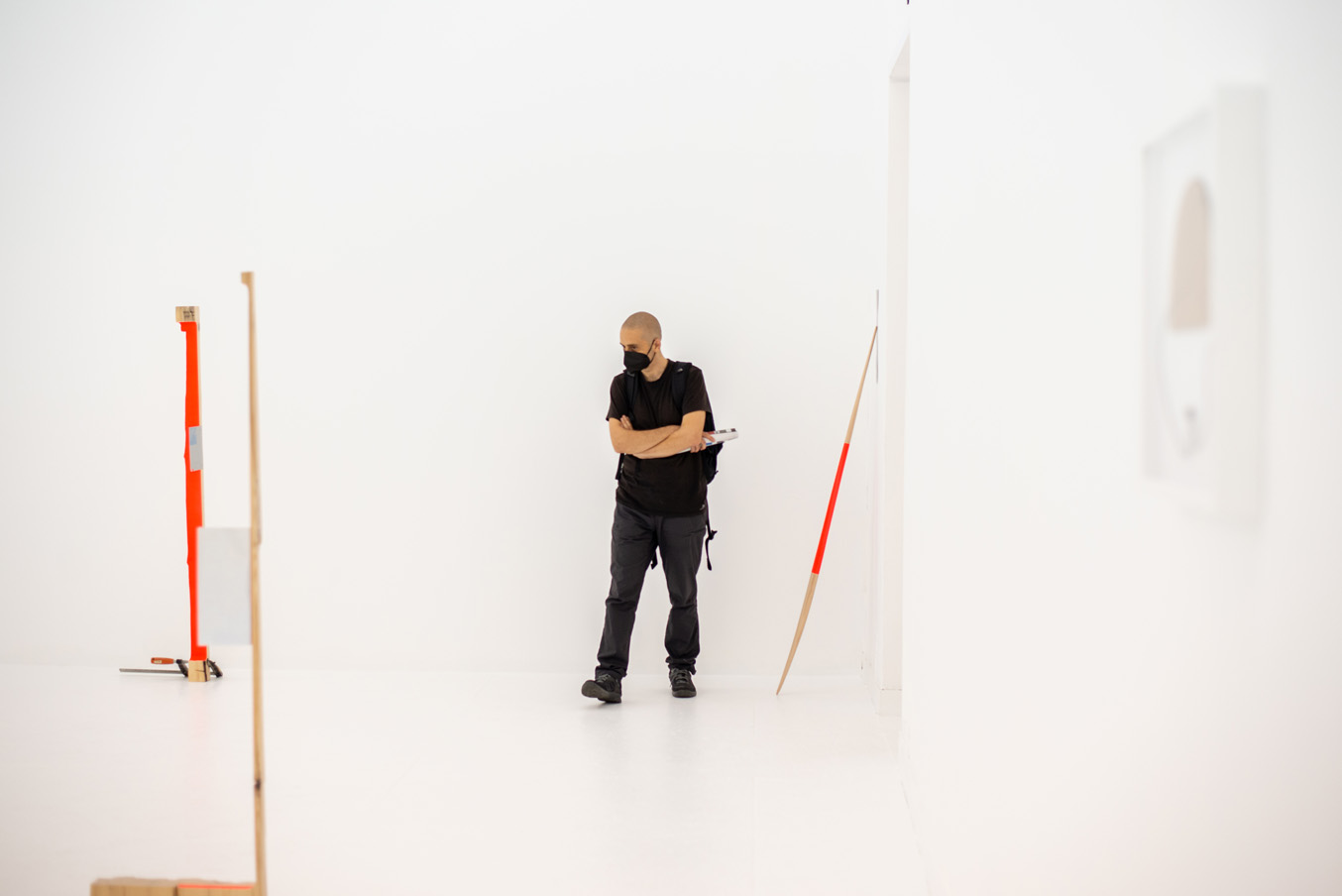
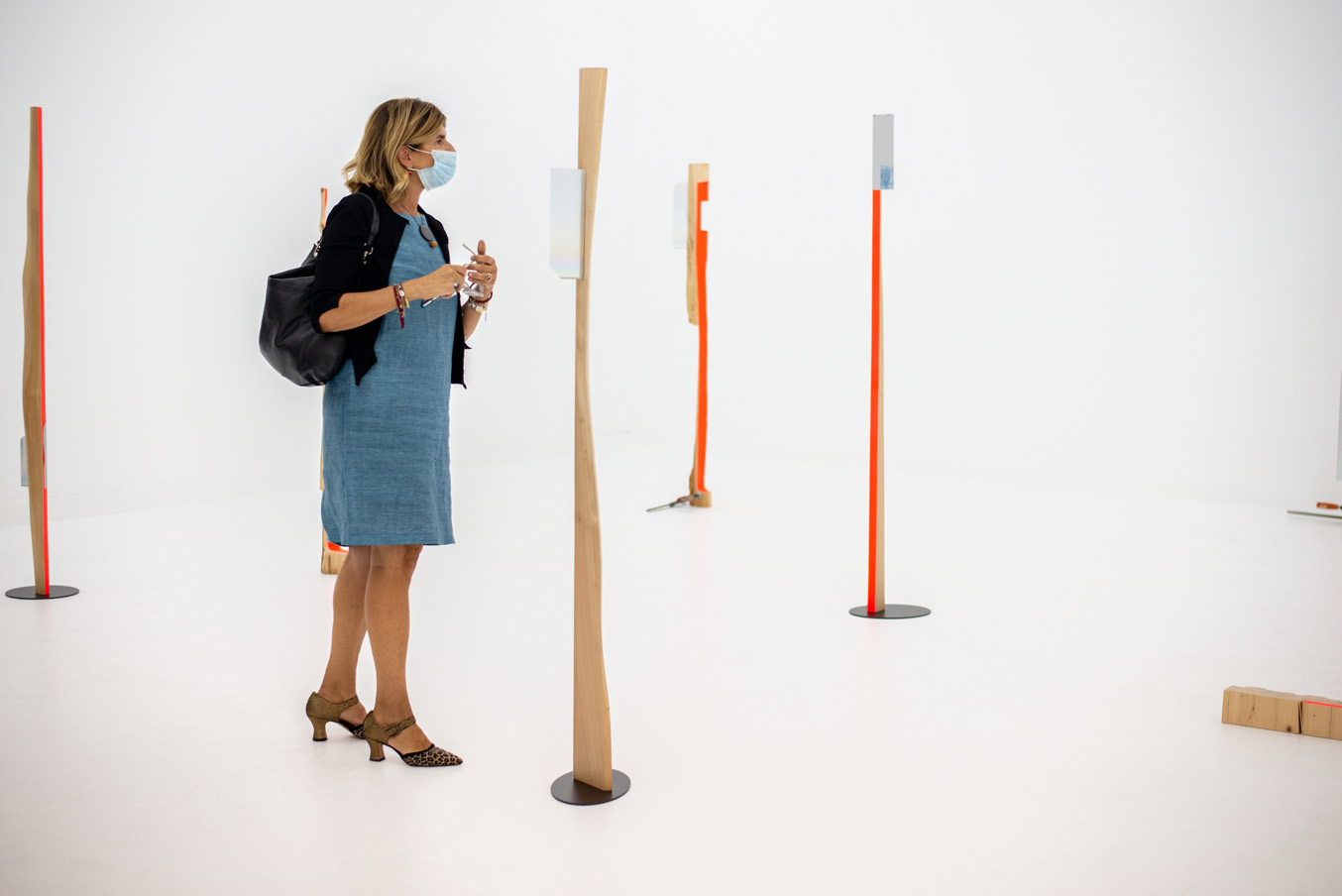
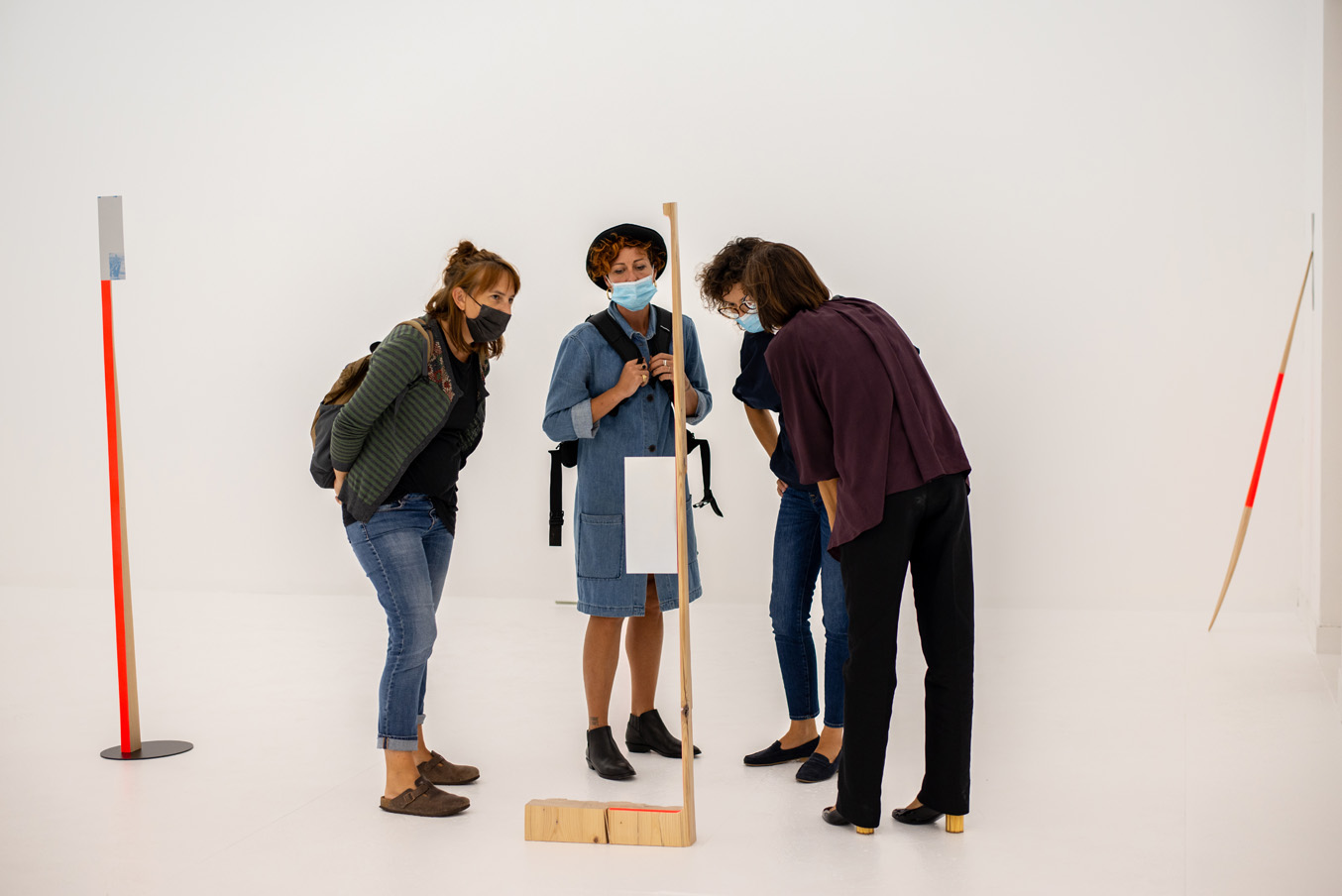
Pauline Curnier Jardin & Feel Good Cooperative – Fireflies (Lucciole)


 Photo credits Alice Moschin

6 Agosto 2021
In
Immagini Mostre
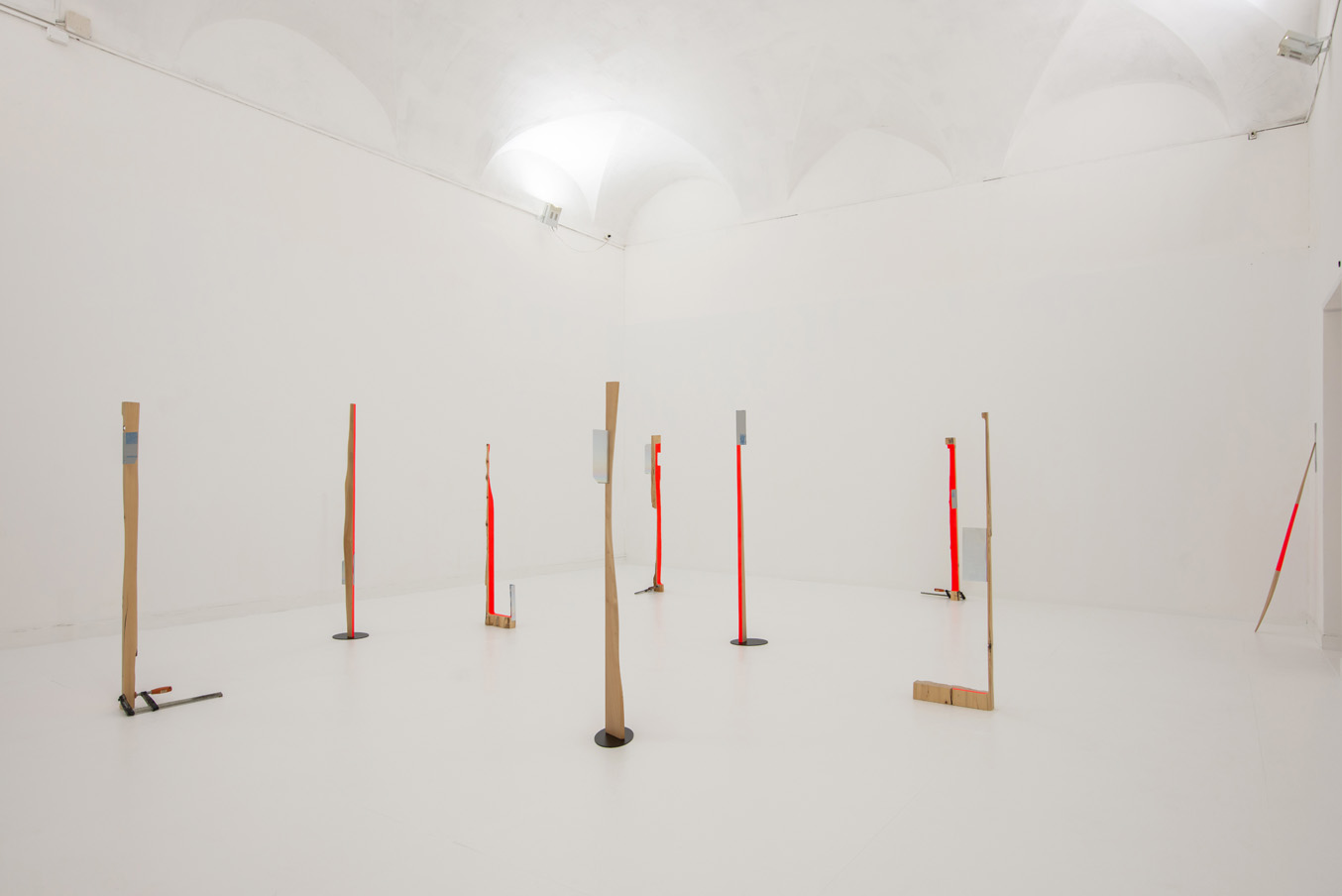
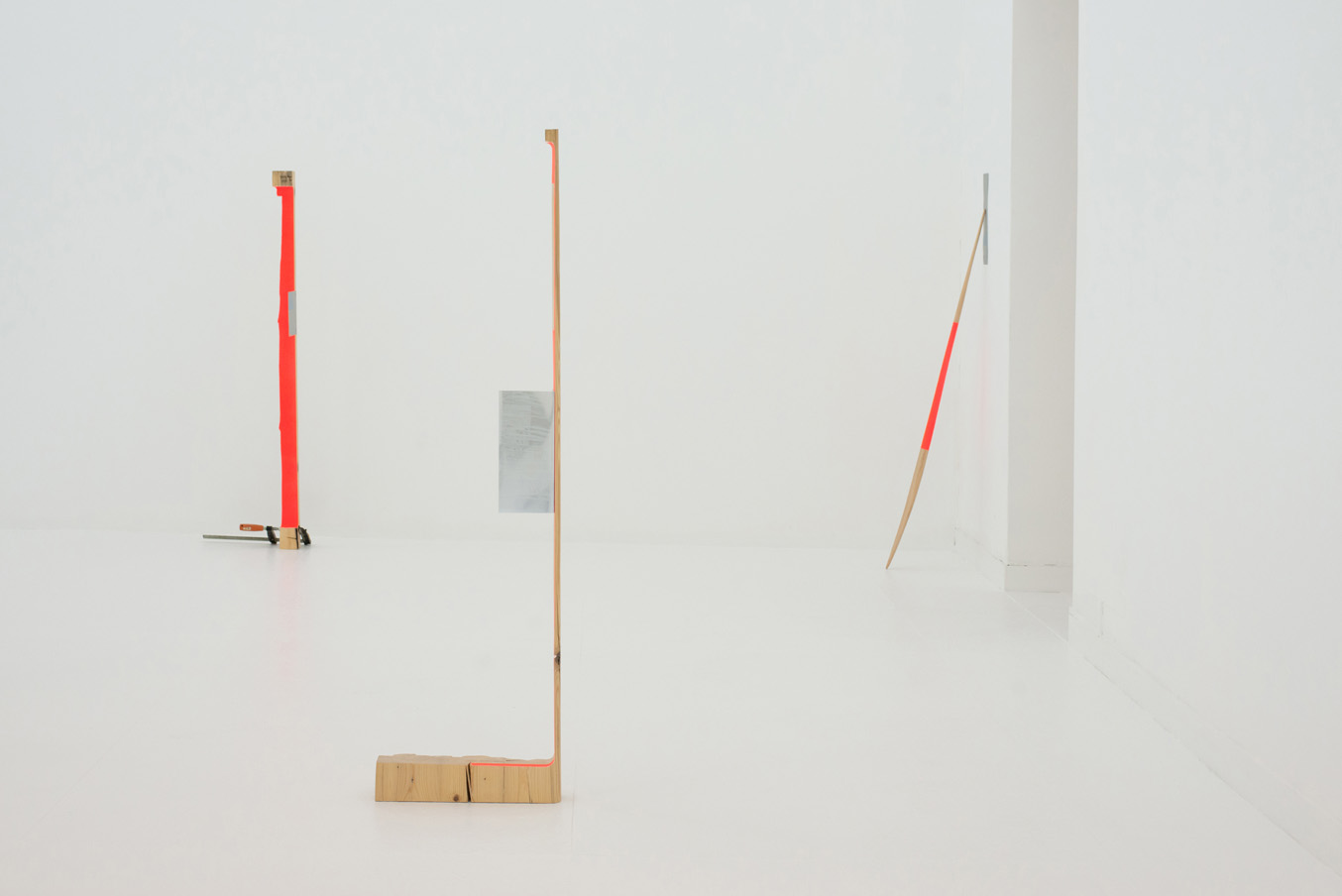
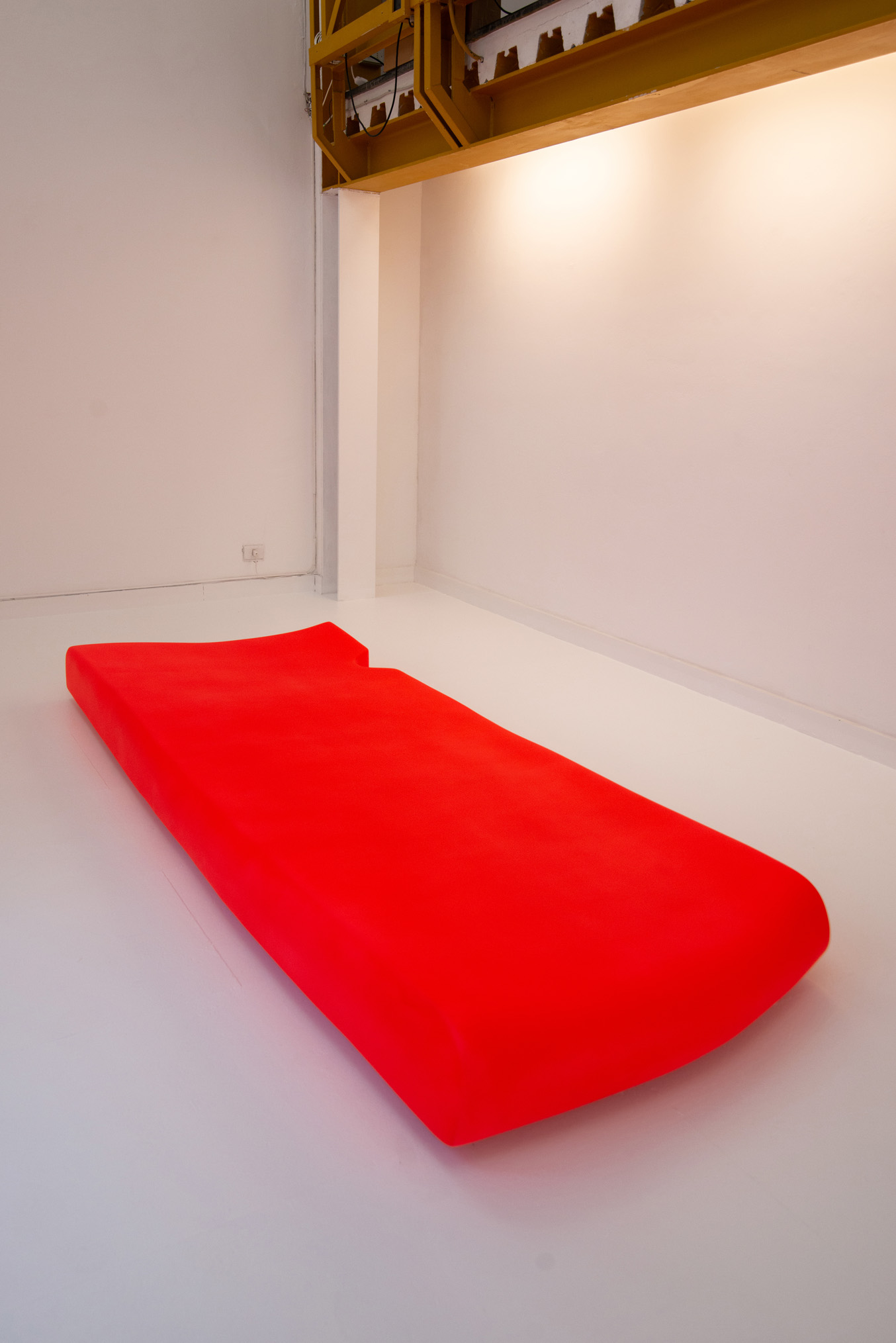
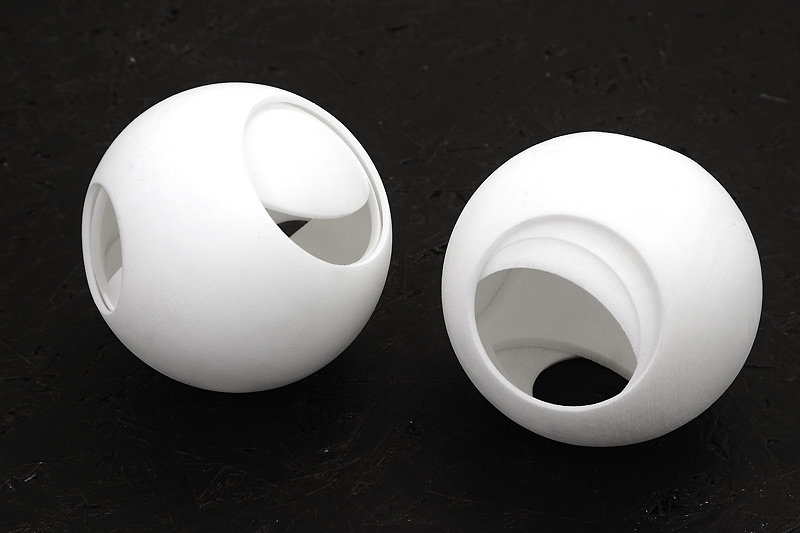
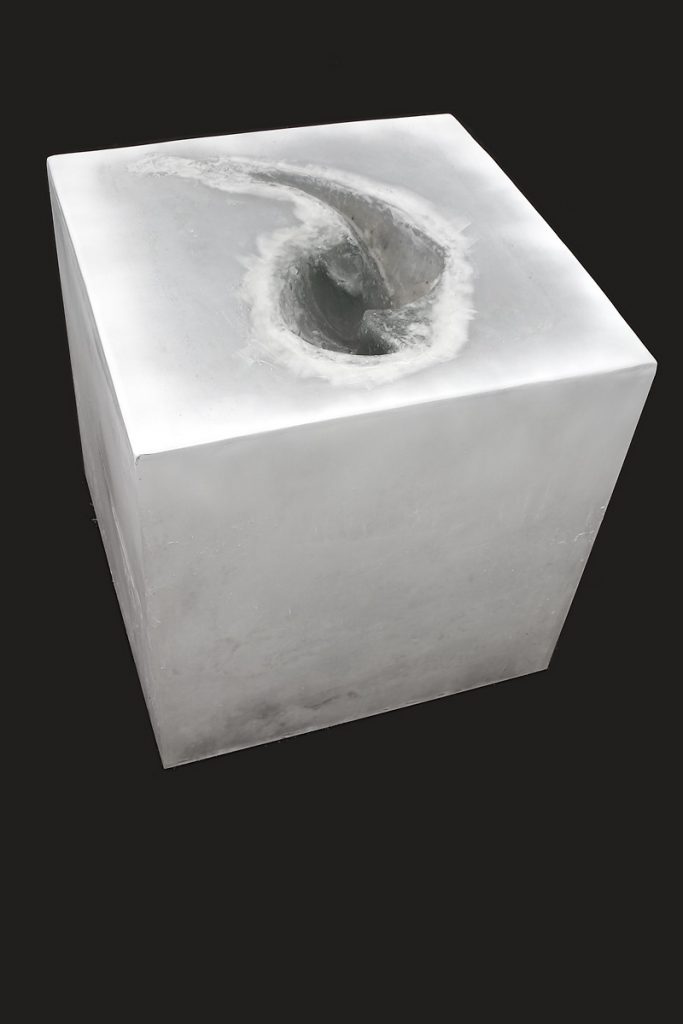
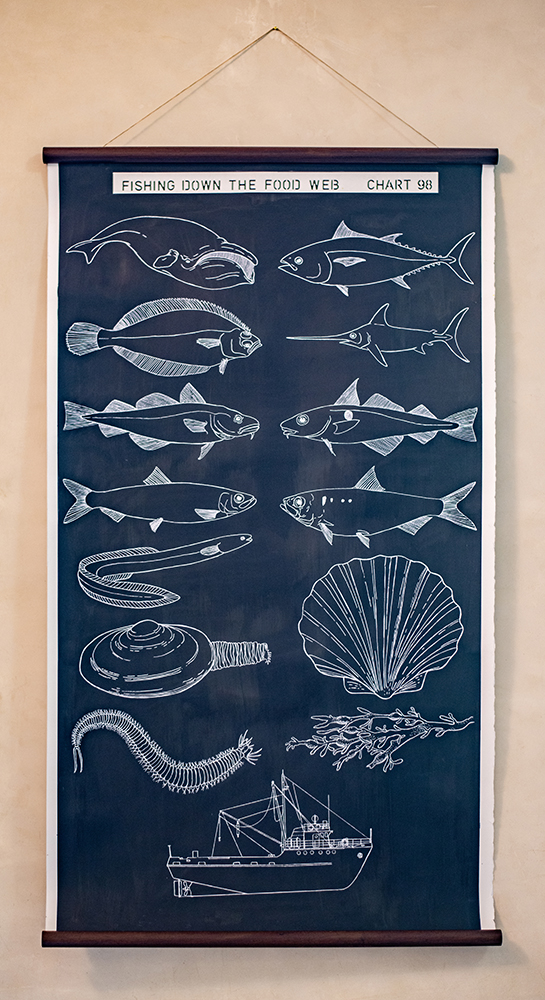
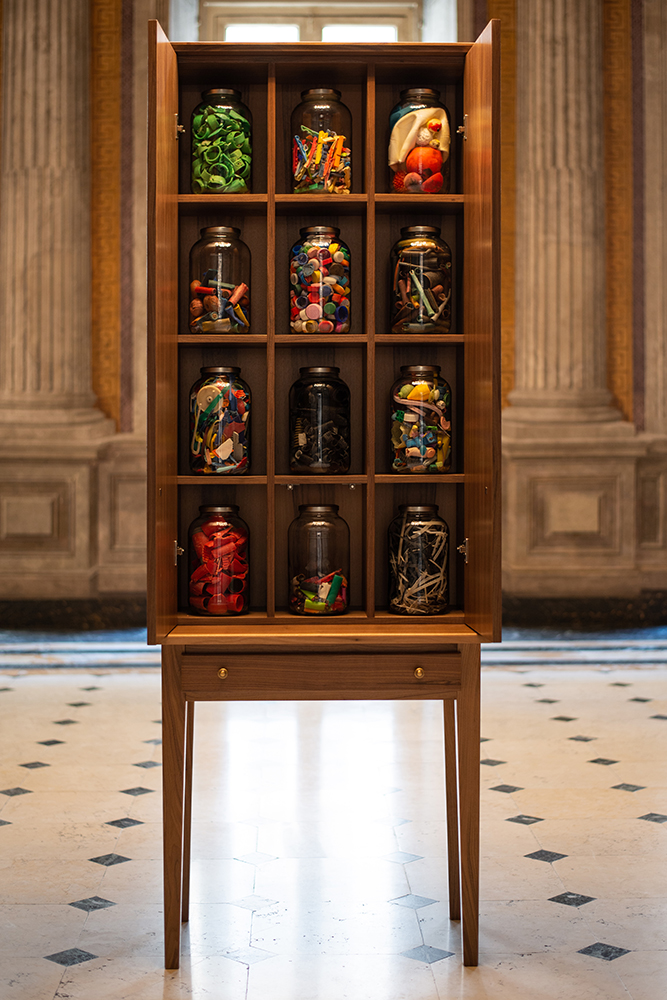
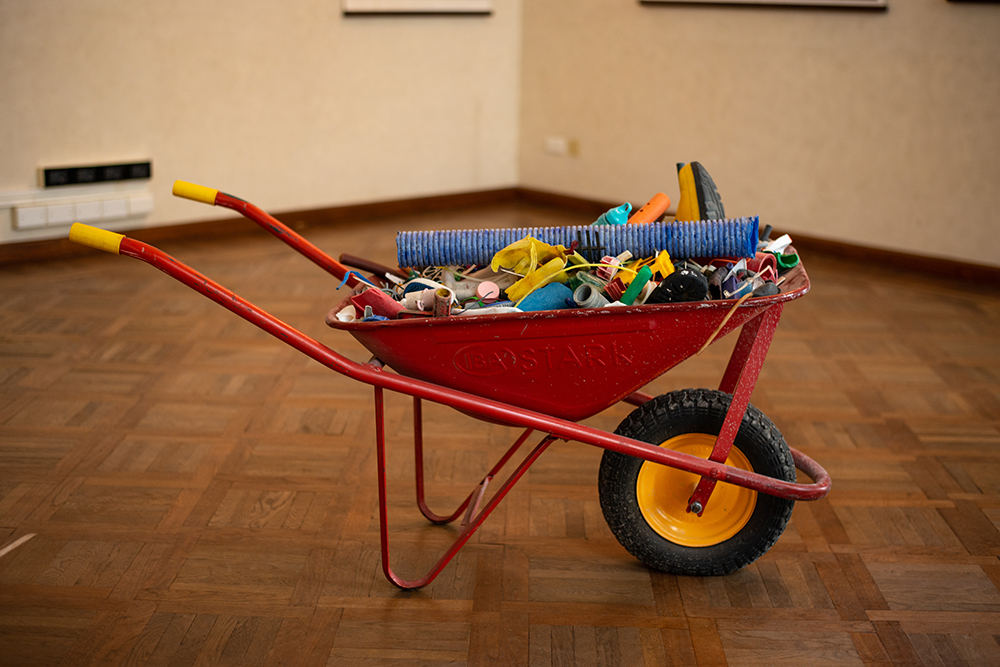
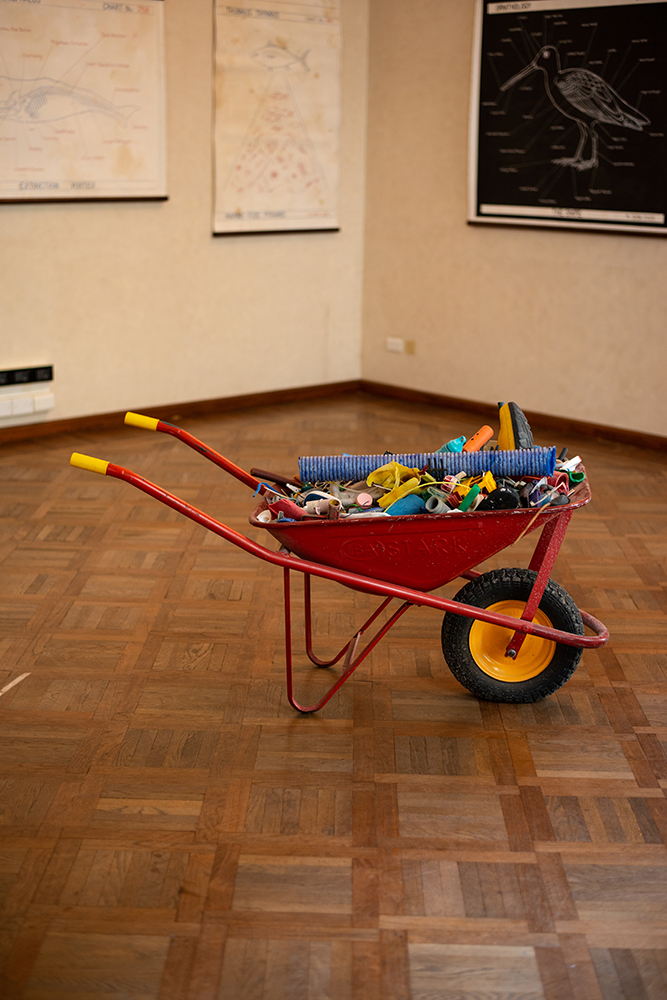
Michael Beutler – Keep Beating Below 65°

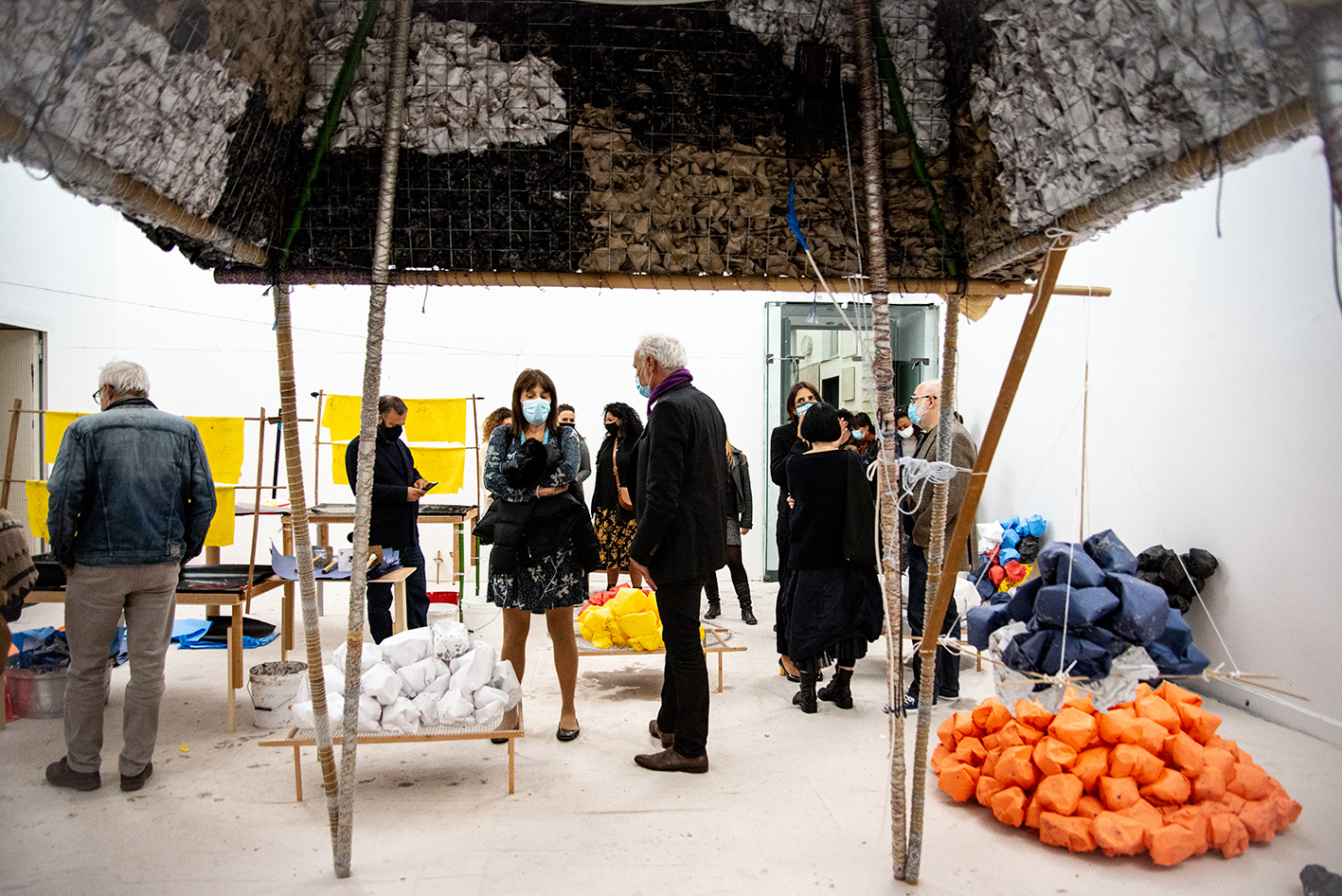

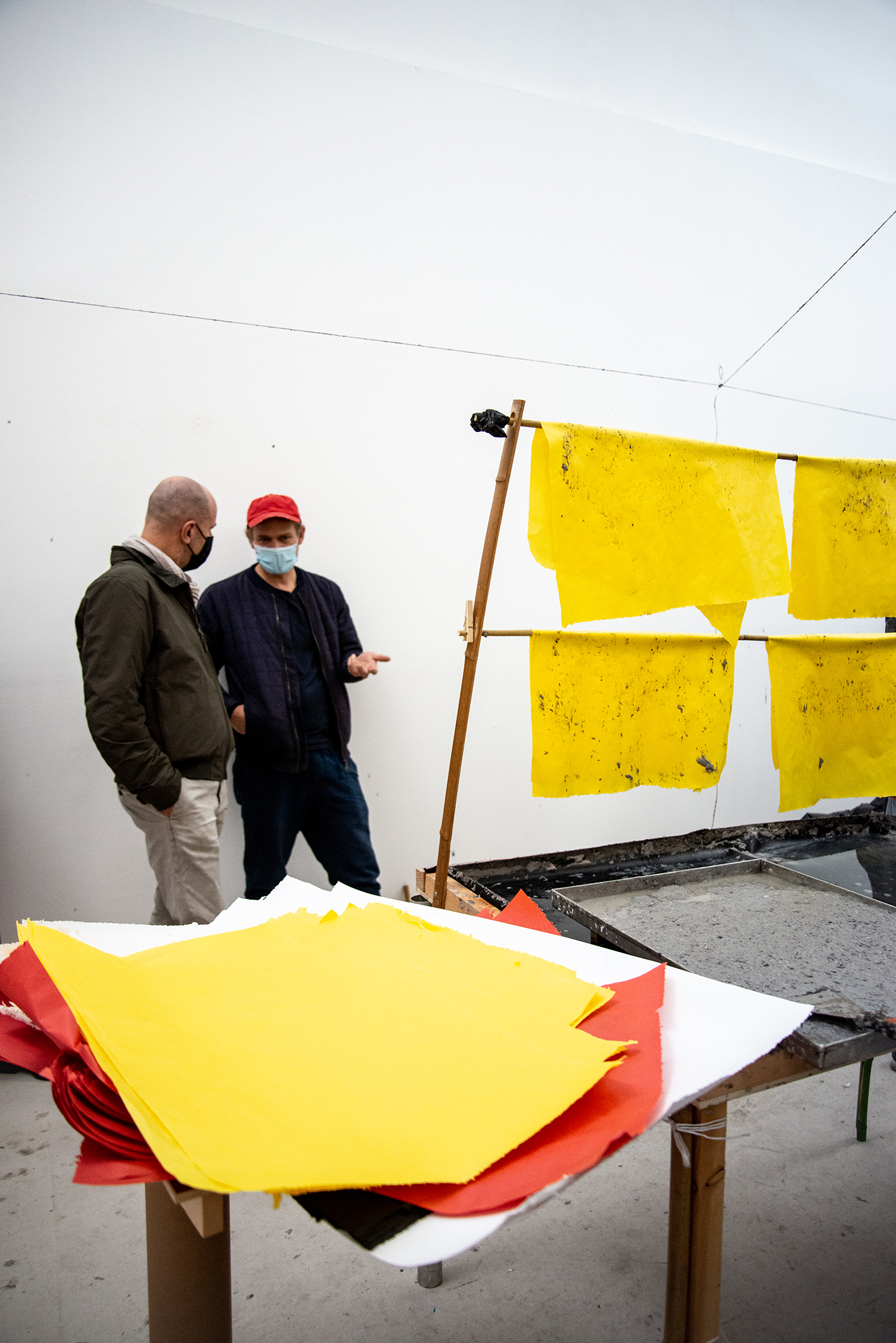


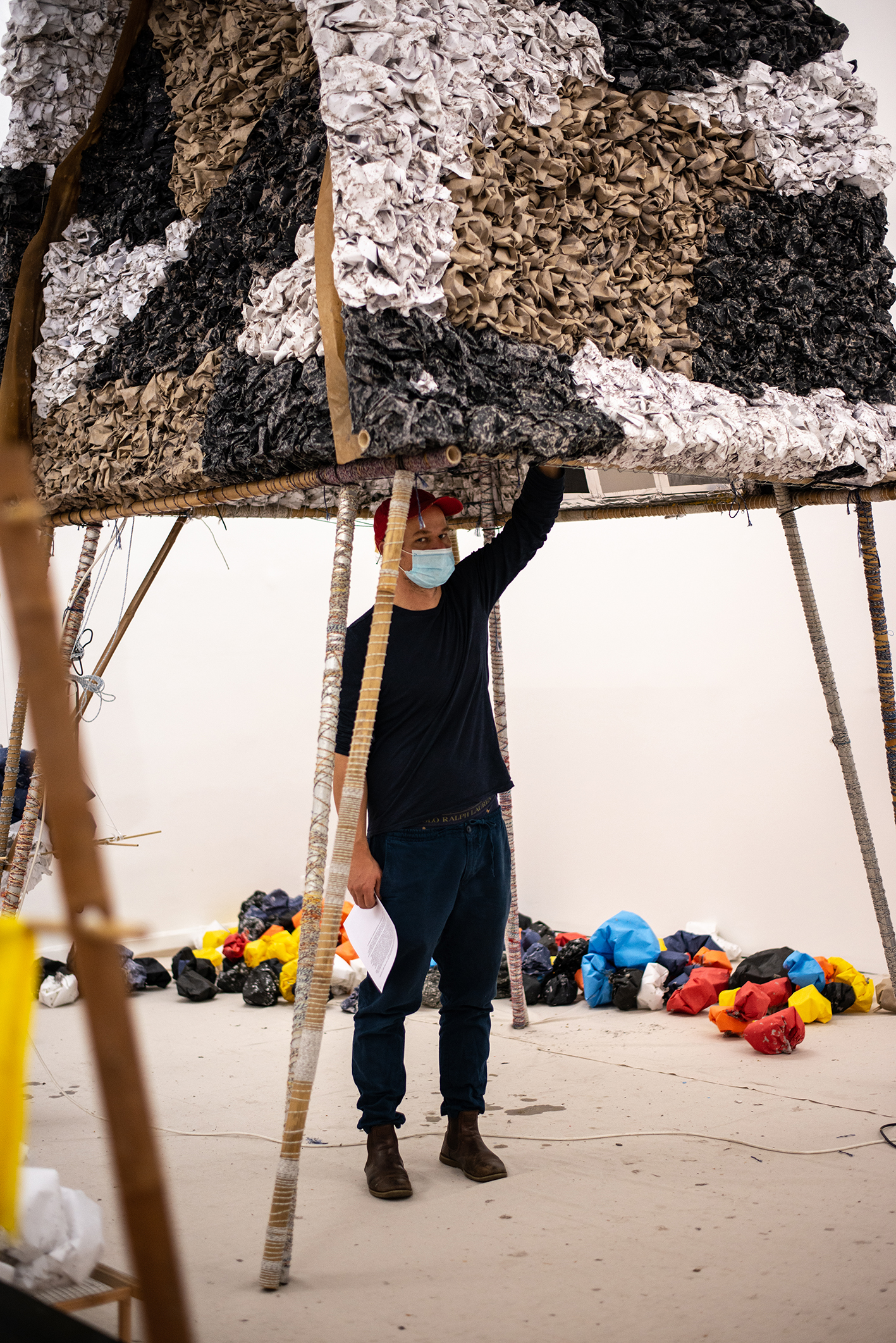
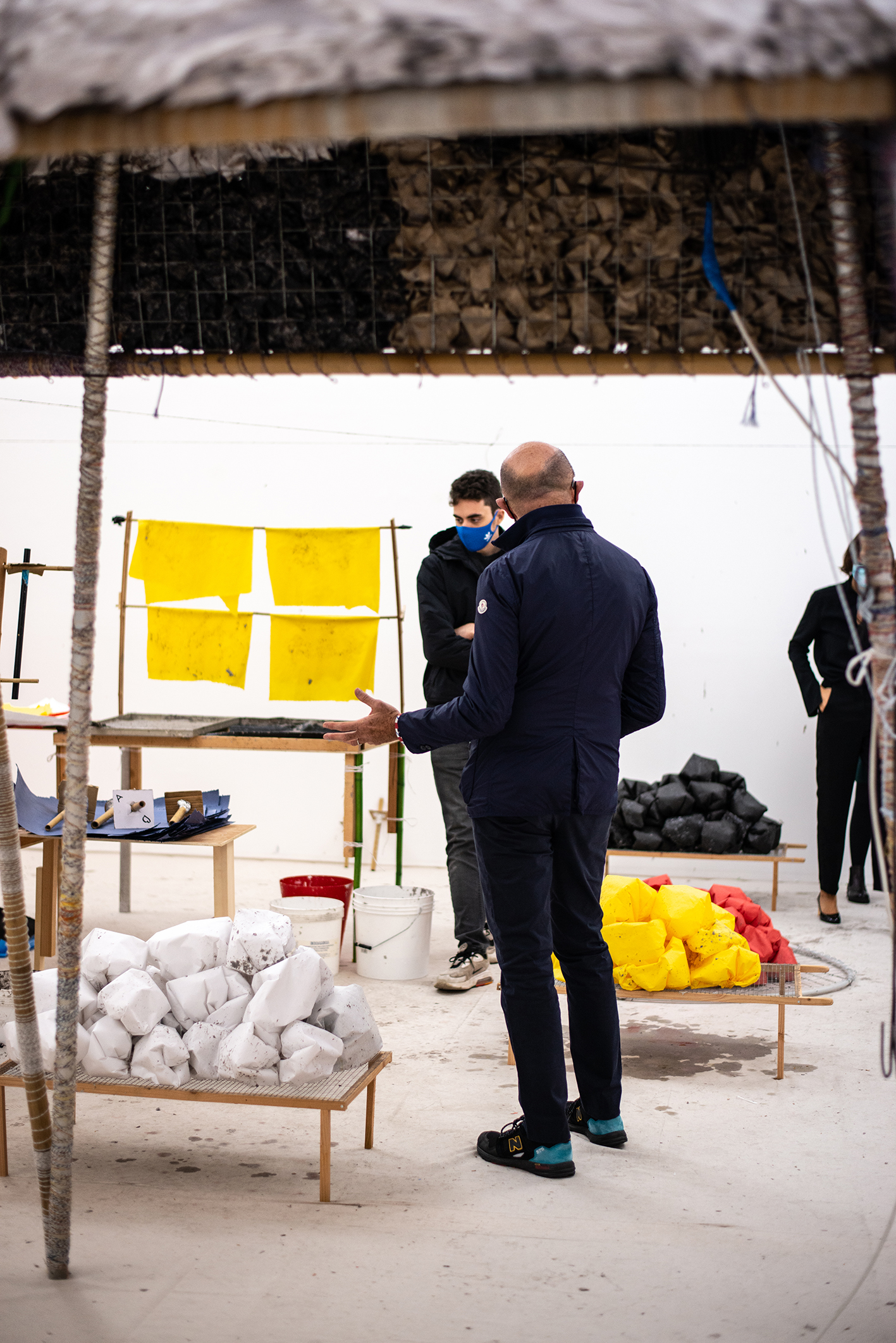
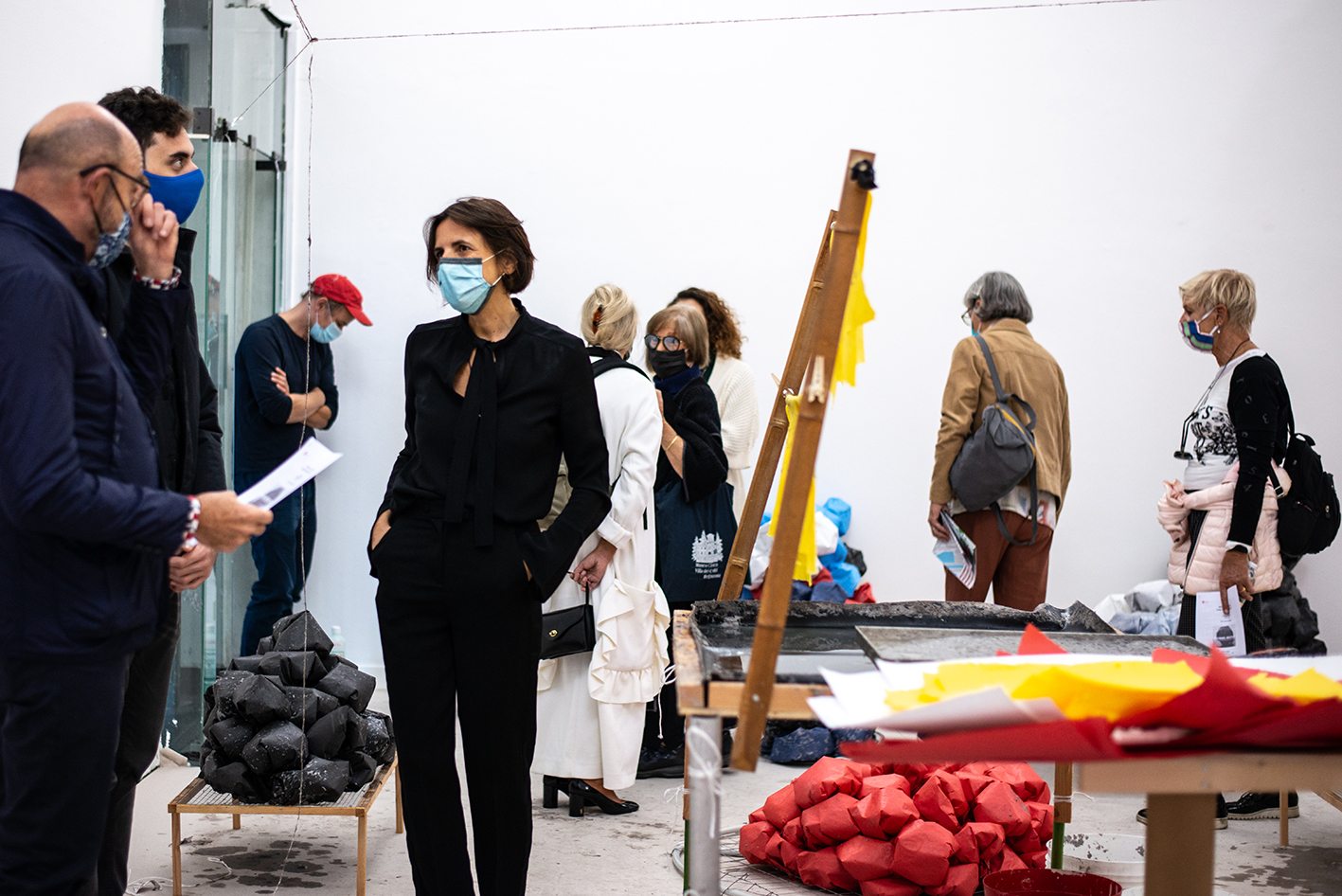
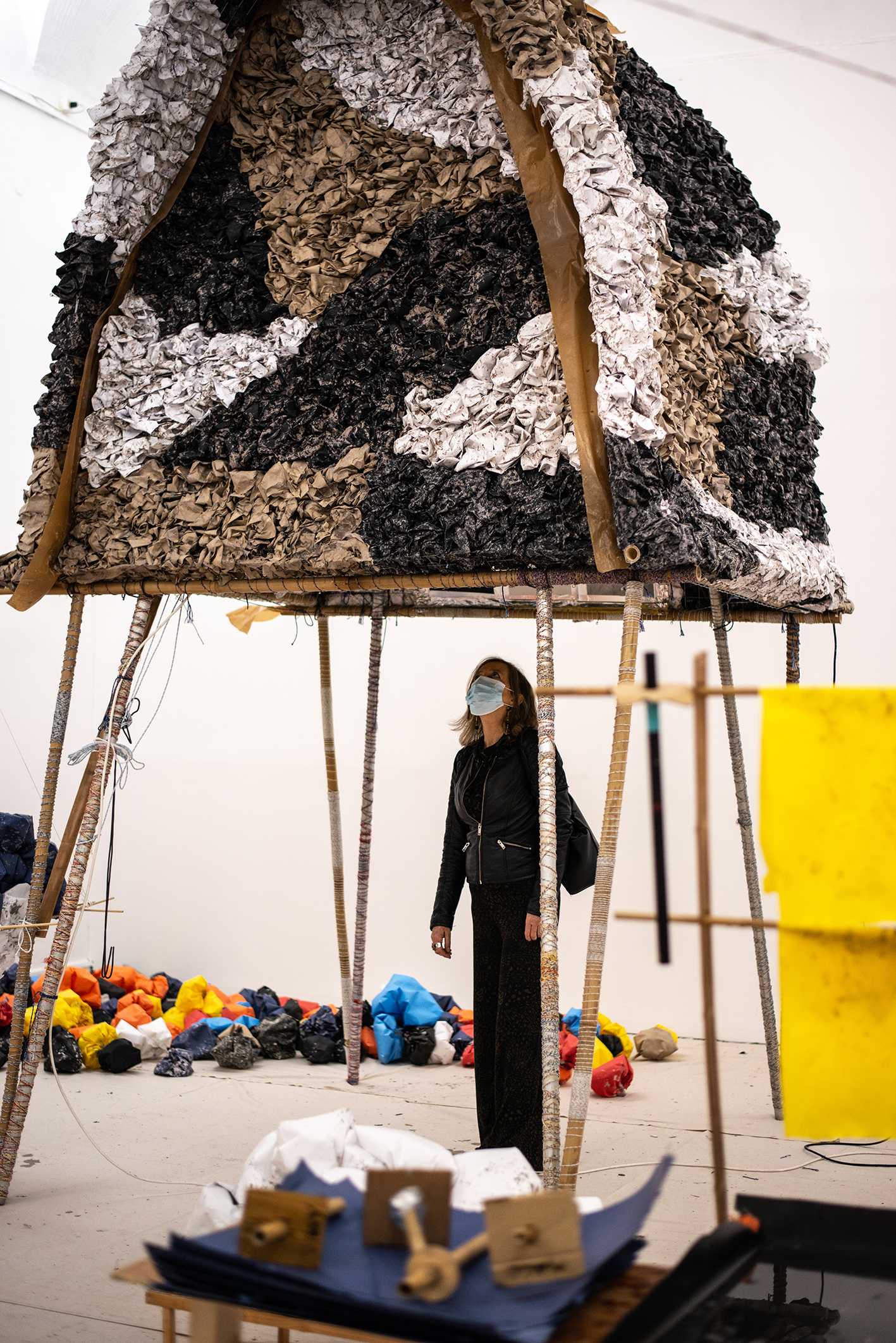
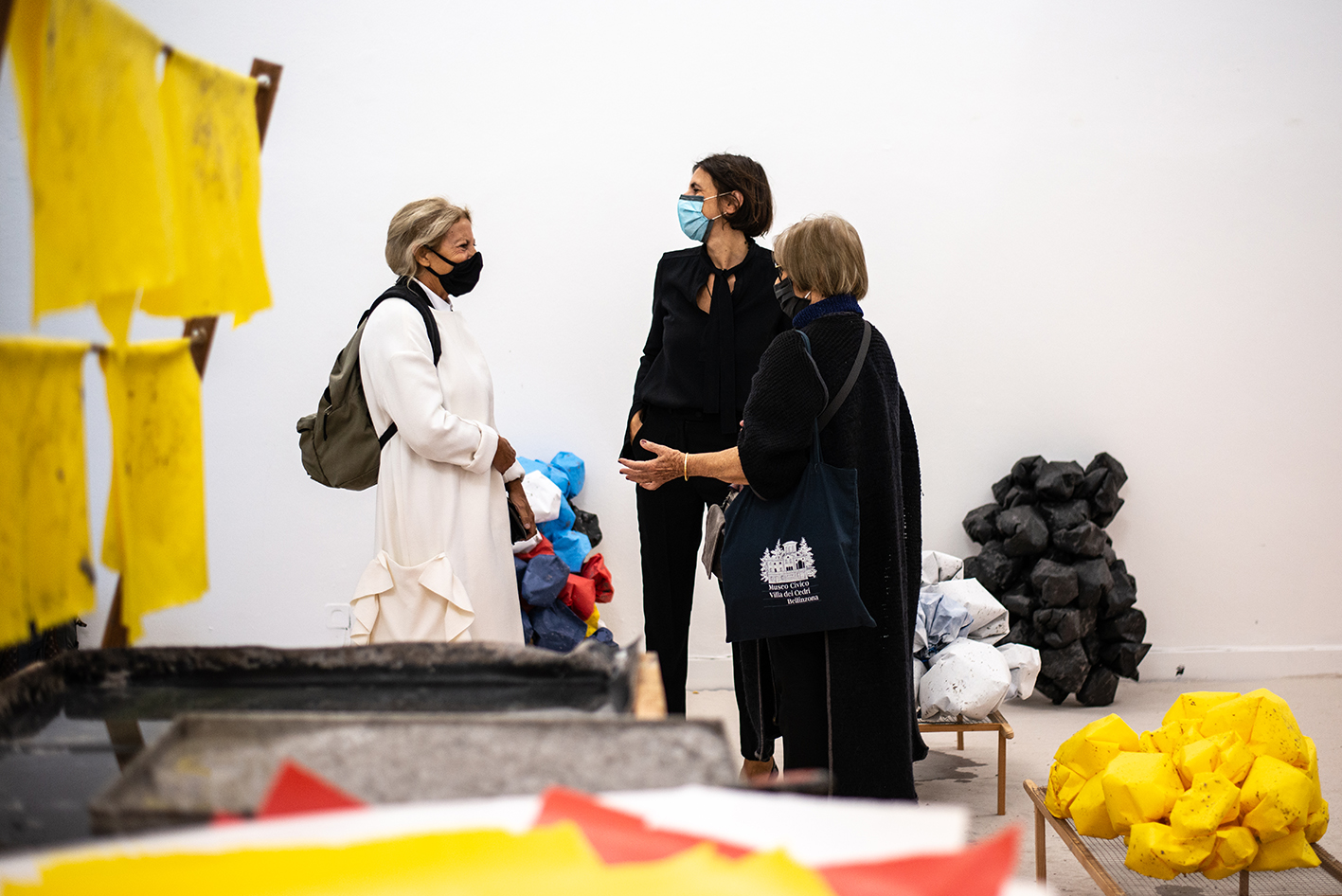
Photo Credits Alice Moschin









12 Marzo 2021
In
Immagini Mostre
Luca Trevisani – In Bocca

PC Giulio Boem

PC Giulio Boem

PC Giulio Boem

PC Giulio Boem

PC Alice Moschin

PC Alice Moschin

PC Alice Moschin

PC Alice Moschin

PC Alice Moschin

PC Alice Moschin

PC Alice Moschin

PC Alice Moschin

PC Alice Moschin

PC Alice Moschin

PC Alice Moschin

PC Alice Moschin

PC Alice Moschin

PC Alice Moschin

PC Alice Moschin




27 Aprile 2019
In
Immagini Mostre
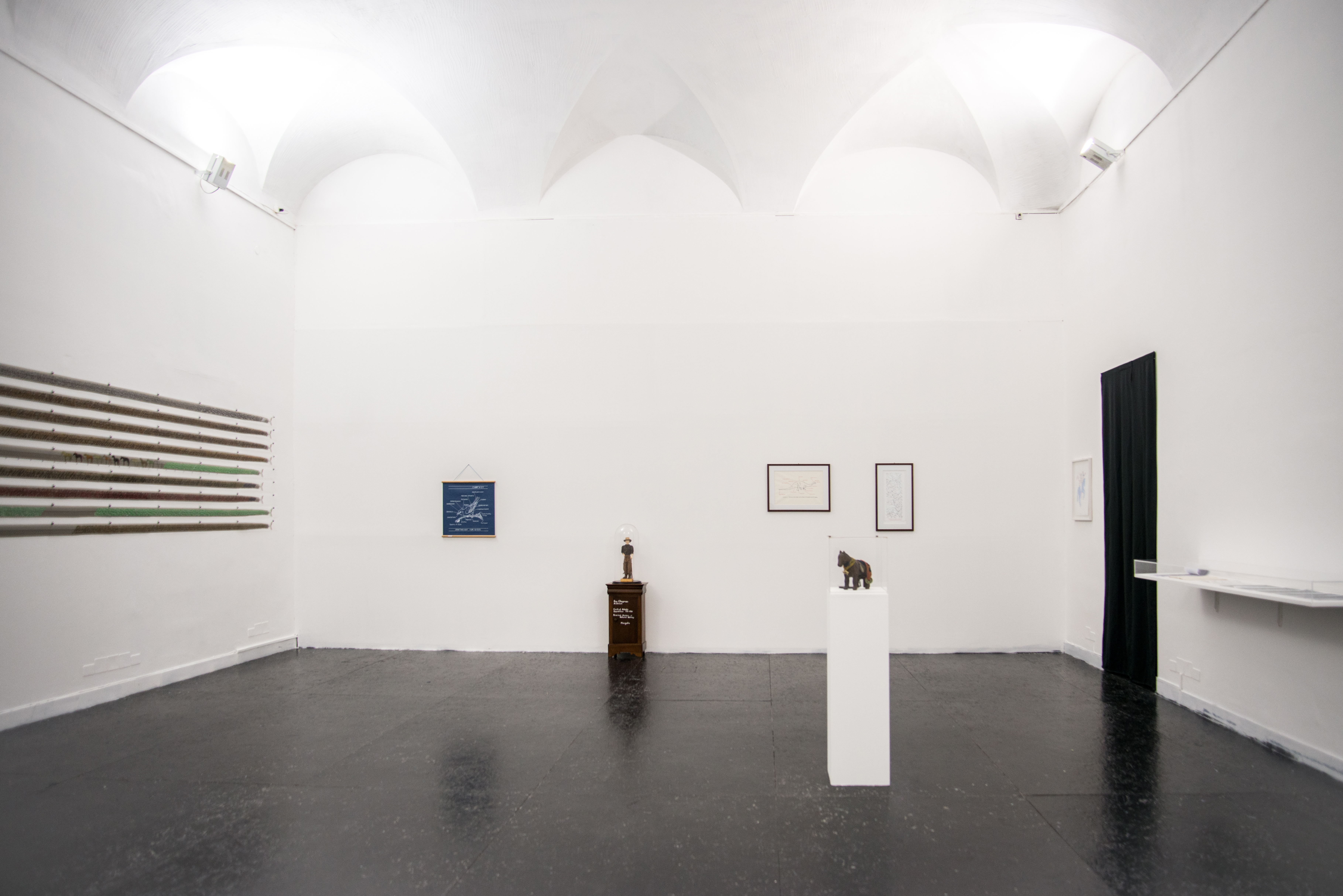
Invernomuto – MED T-1000


Photo credit
- Immagini opening Alice Moschin
- Installation view + works Giulio Boem


15 Marzo 2019
In
Immagini Mostre
PETER FEND/YONA FRIEDMAN – FILLING THE ABSENCE


Photo credit Alice Moschin
12 Dicembre 2018
In
Immagini Mostre
Luca Trevisani – 38° 11′ 13.32” N 13° 21′ 4.44” E 44° 24′ 27.4” N 8° 55′ 60.0” E


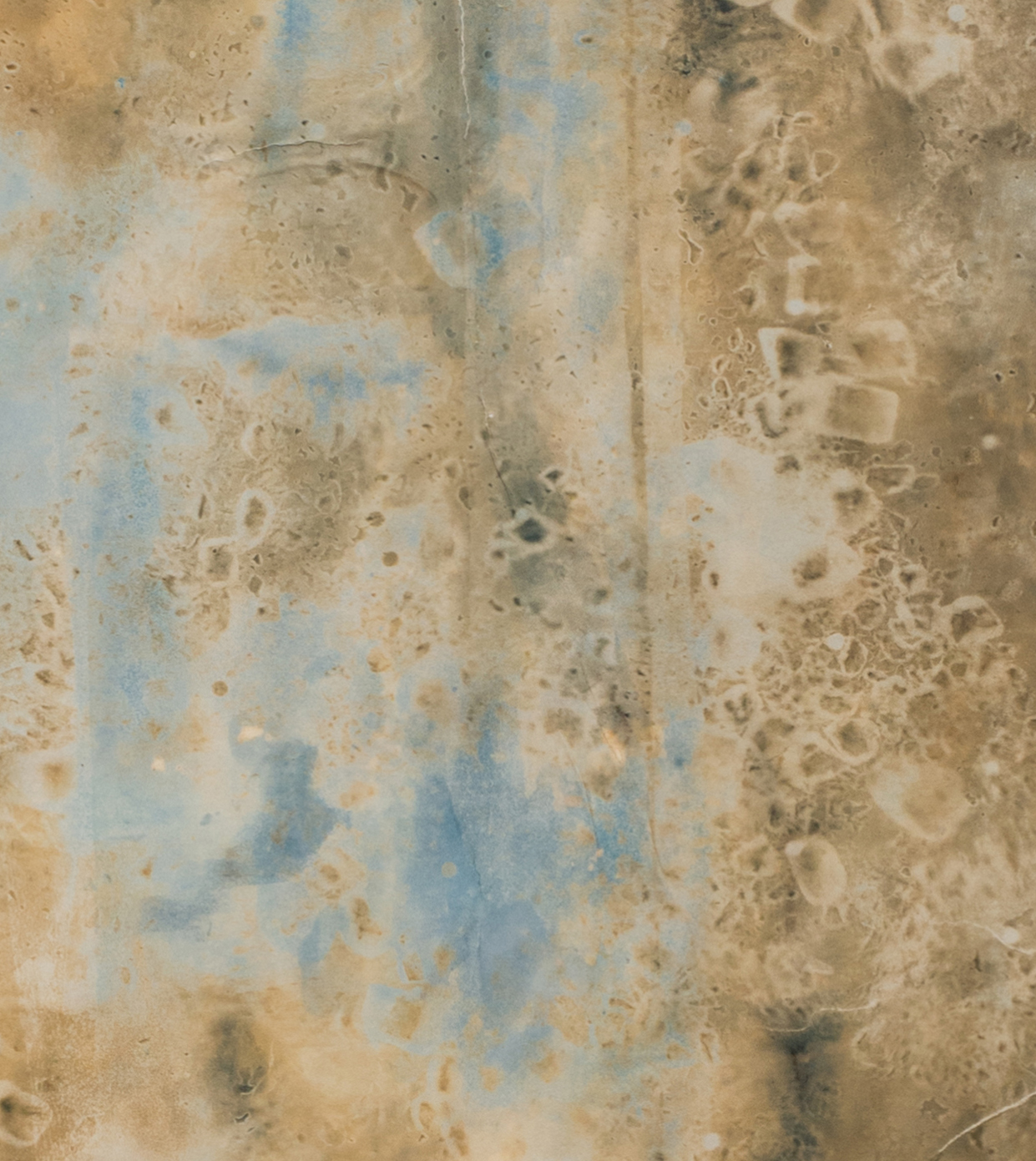


Photo credits Alice Moschin
12 Luglio 2018
In
Immagini Mostre
Tomás Saraceno – Albedo
-

- courtesy Pinksummer and Aerocene Foundation
-

- courtesy Pinksummer and Aerocene Foundation
-

- courtesy Pinksummer and Aerocene Foundation


Photo credits Alice Moschin


29 Maggio 2018
In
Immagini Mostre
Pinksummer goes to Palermo


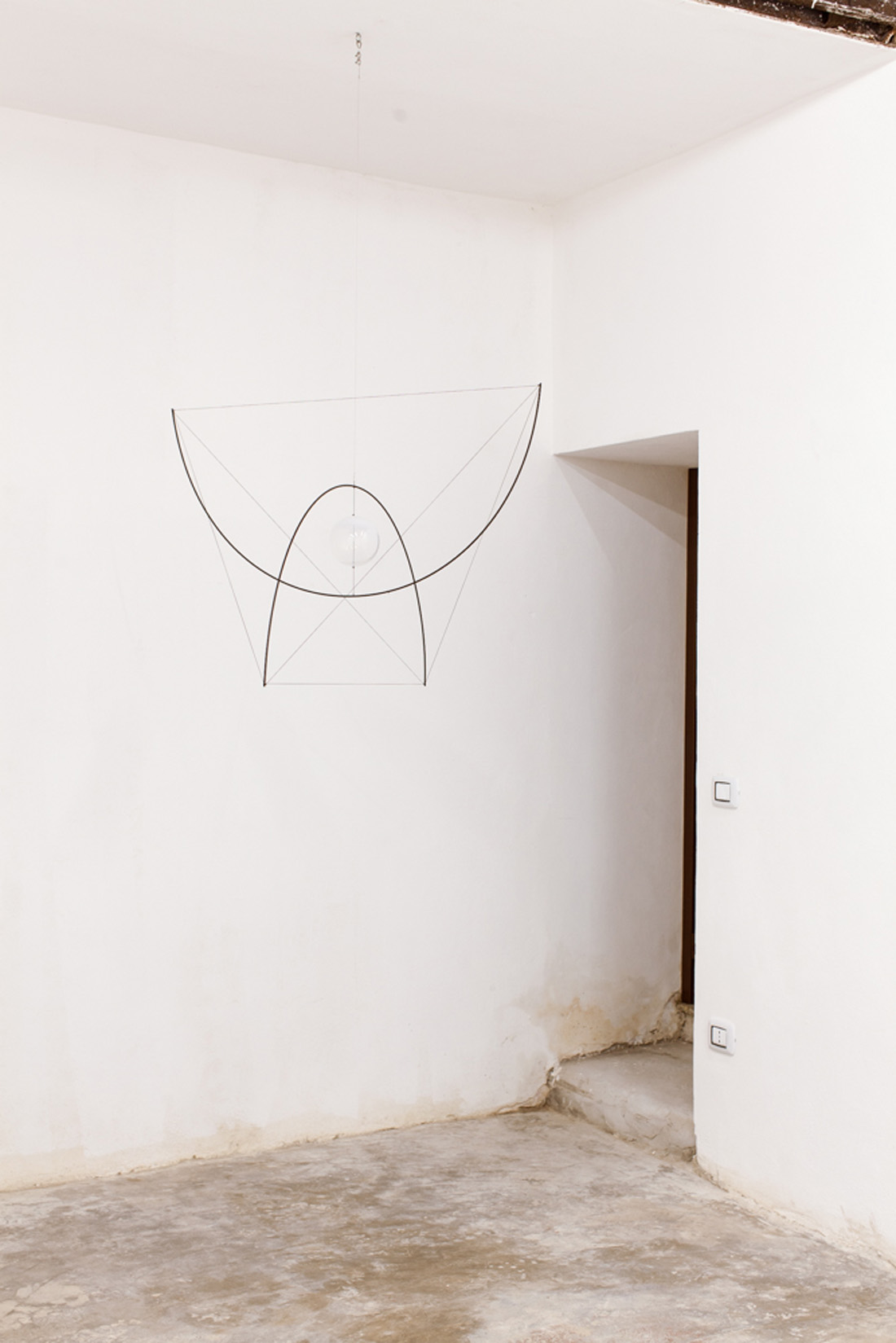


photo credit Cave Studio Production, Palermo
24 Maggio 2018
In
Immagini Mostre
Koo Jeong A – TENGAM – Pinksummer goes to Palermo


Photo credit CAVE Studio
24 Maggio 2018
In
Immagini Mostre
Peter Fend – Costa Verso Costa – Pinksummer goes to Palermo
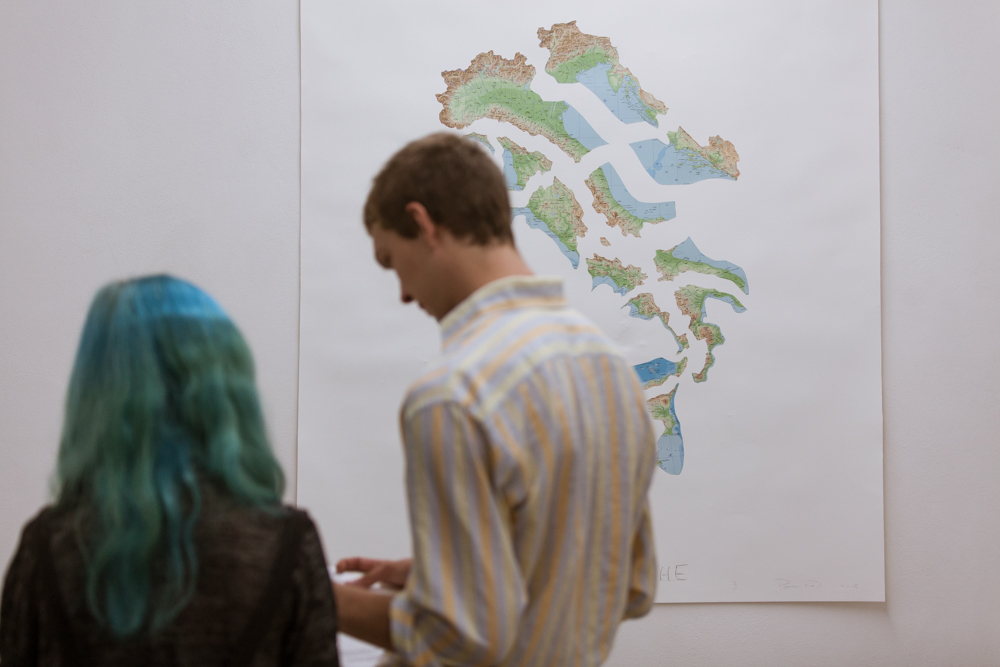
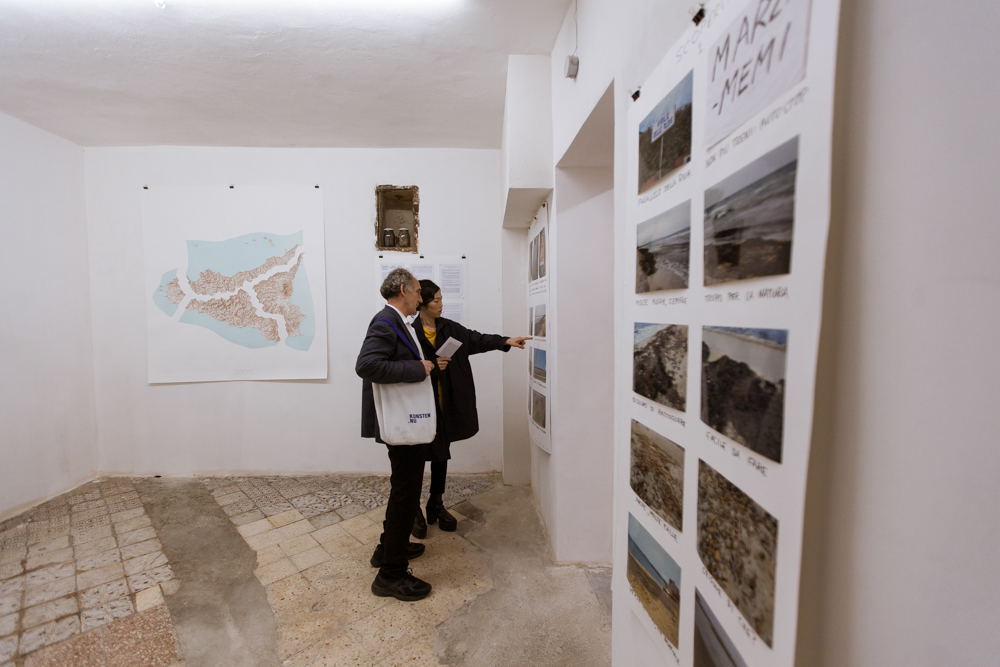
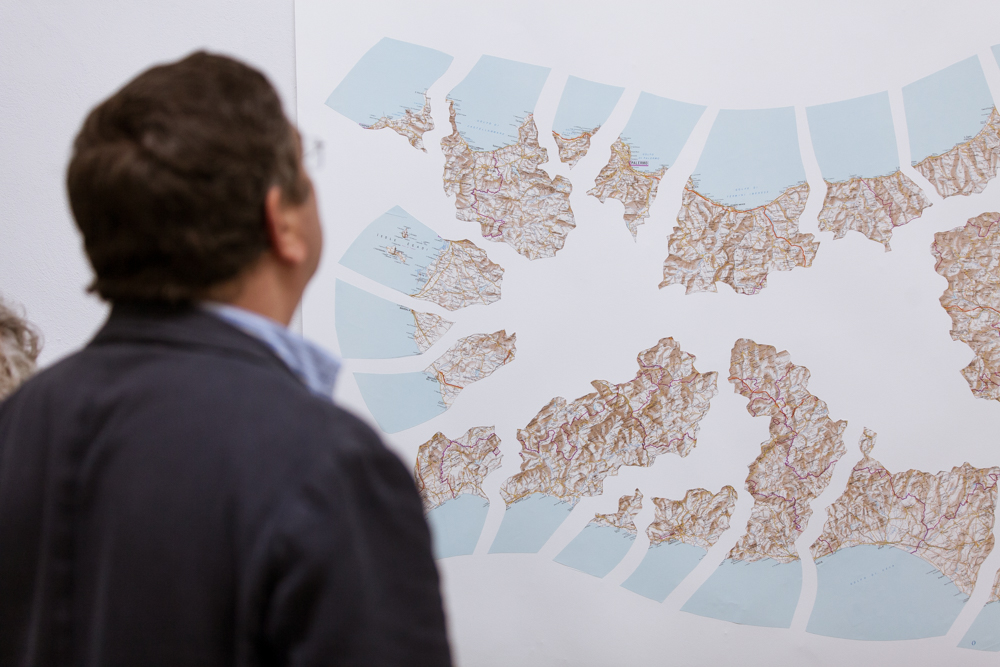

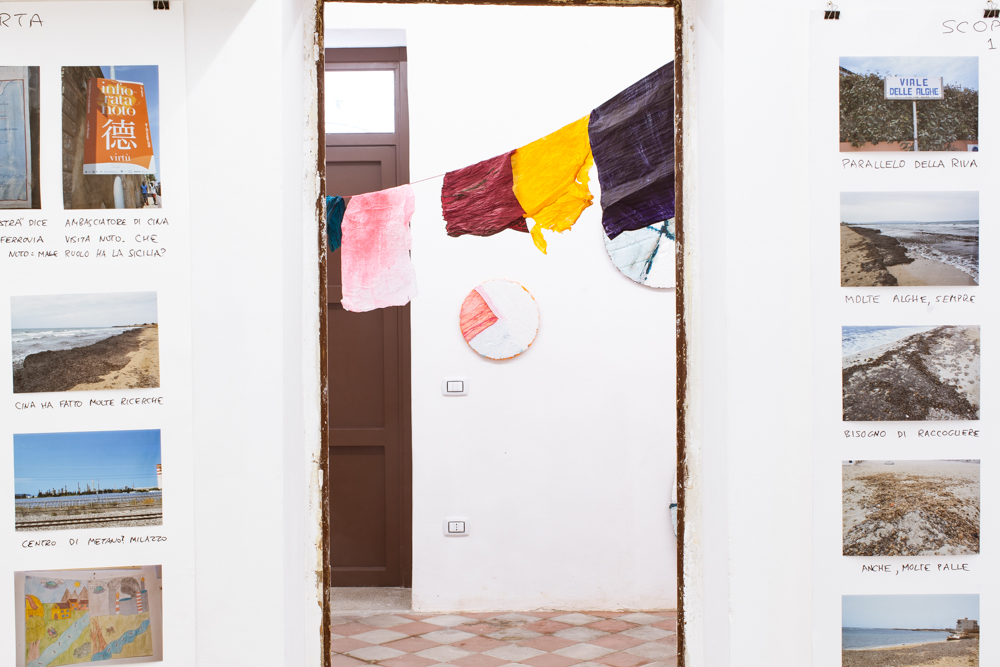


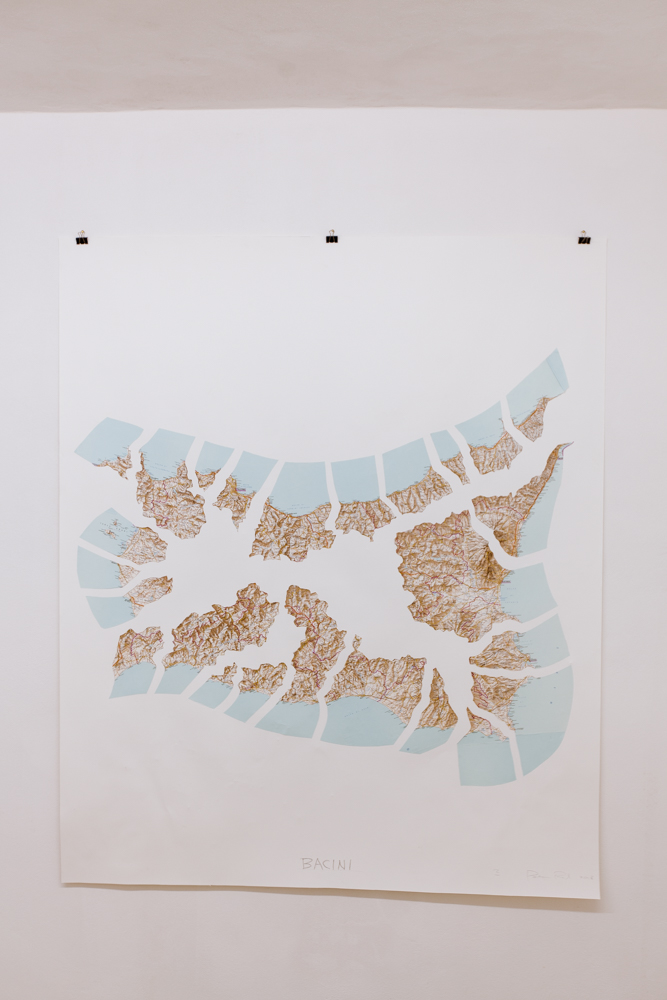
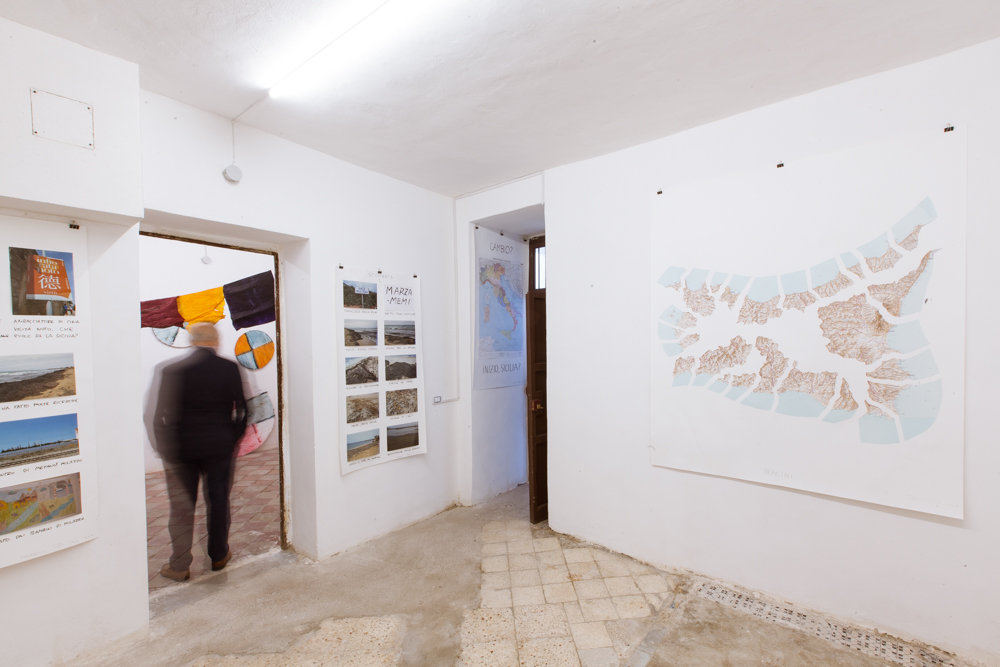
Photo credit CAVE Studio
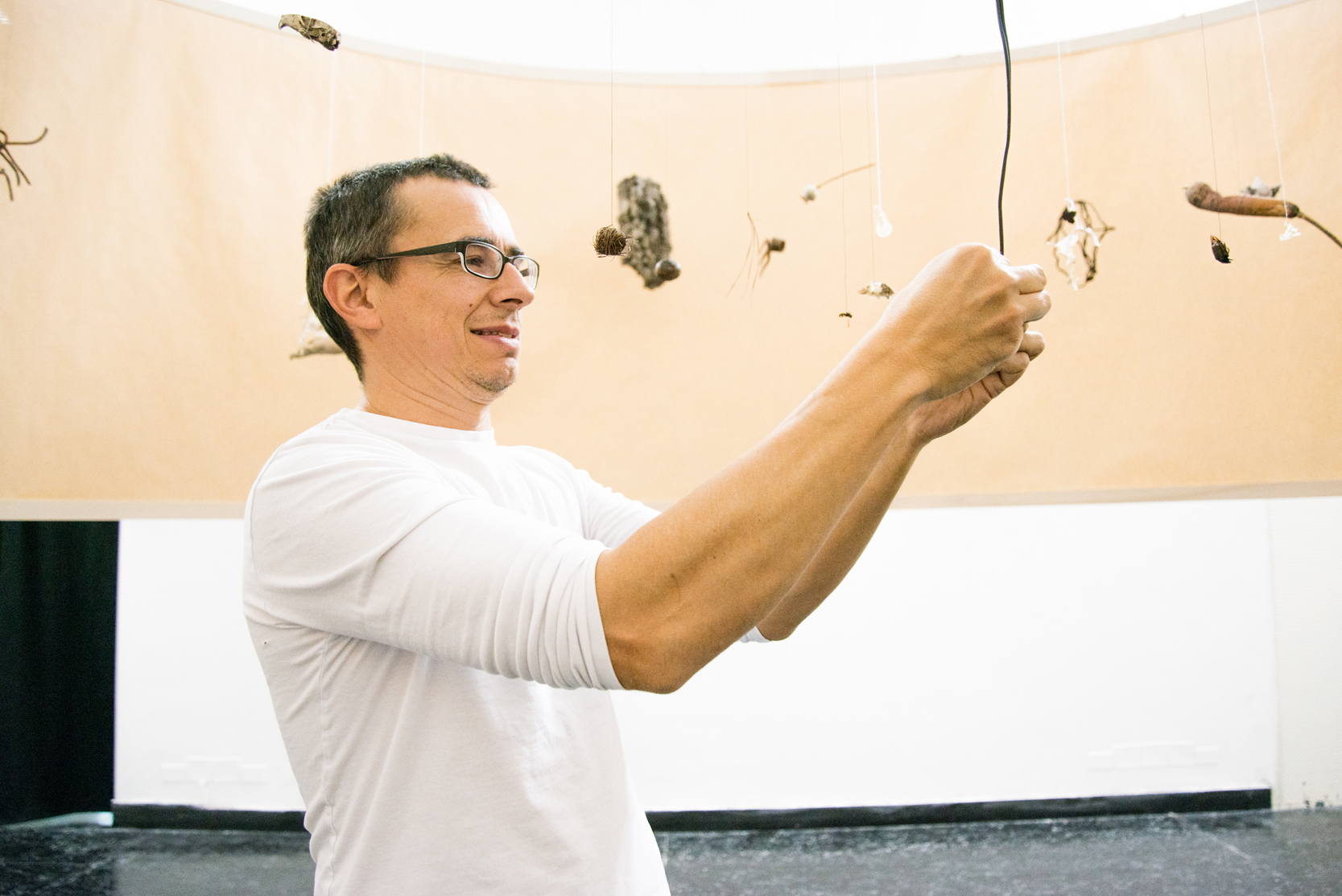
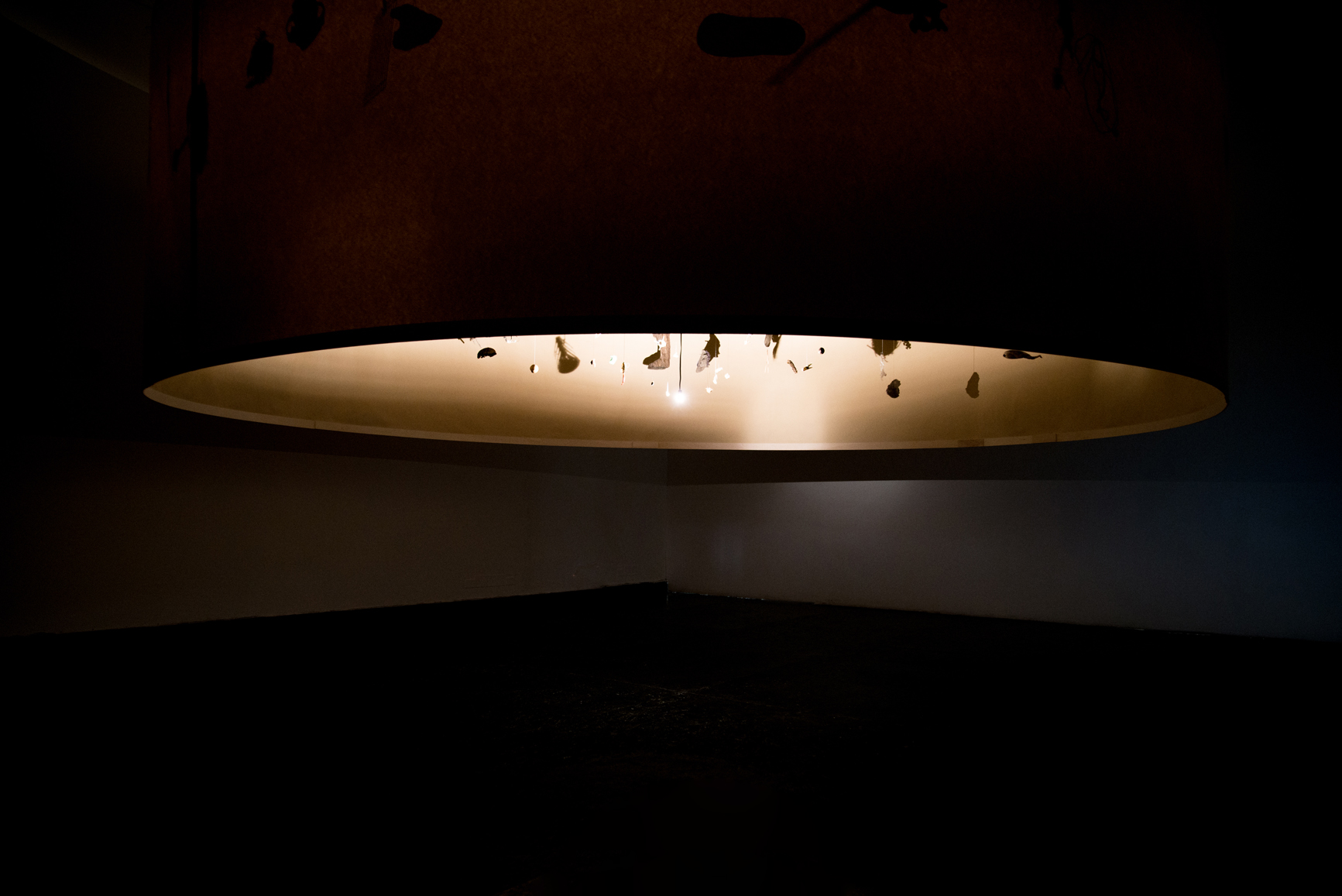
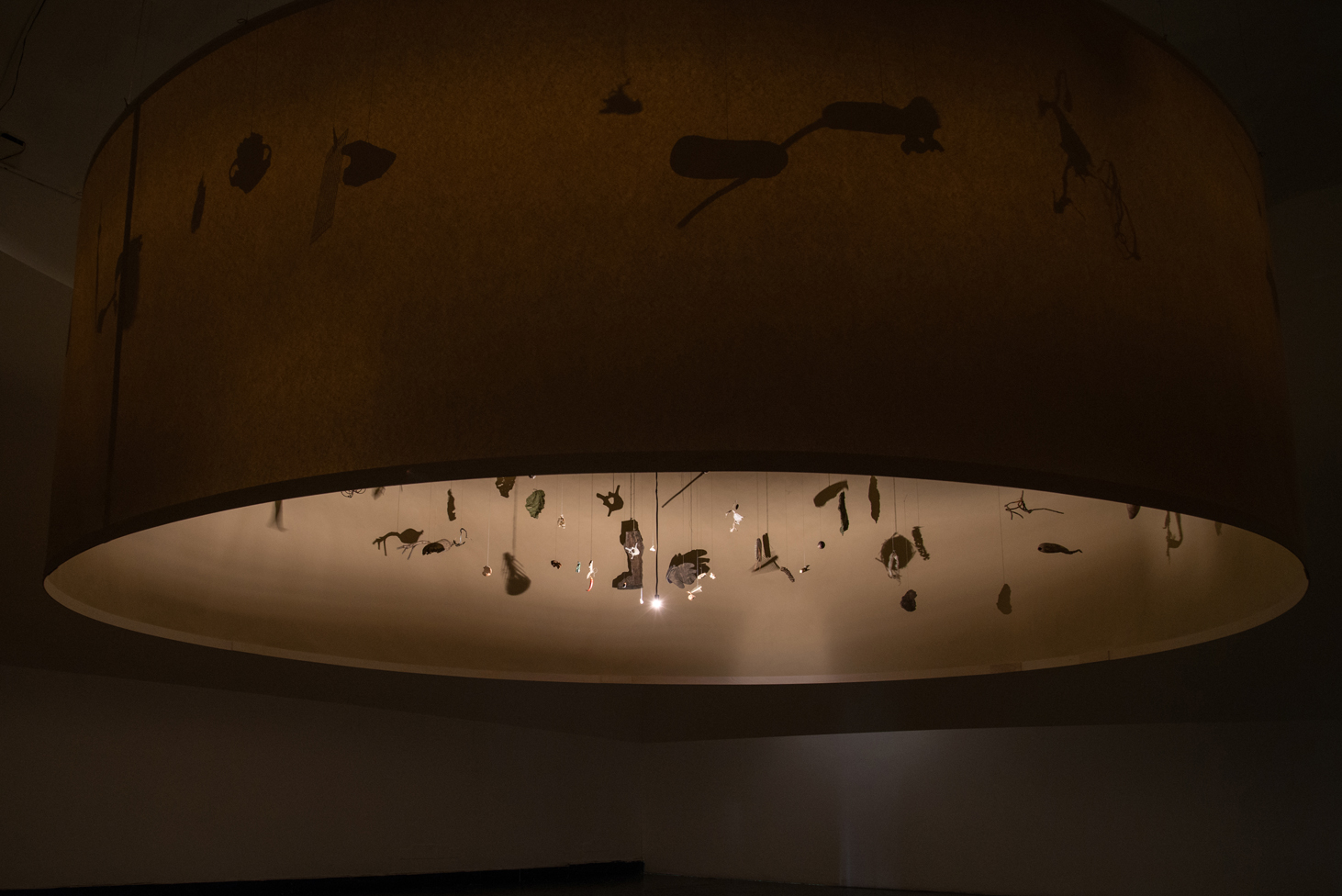
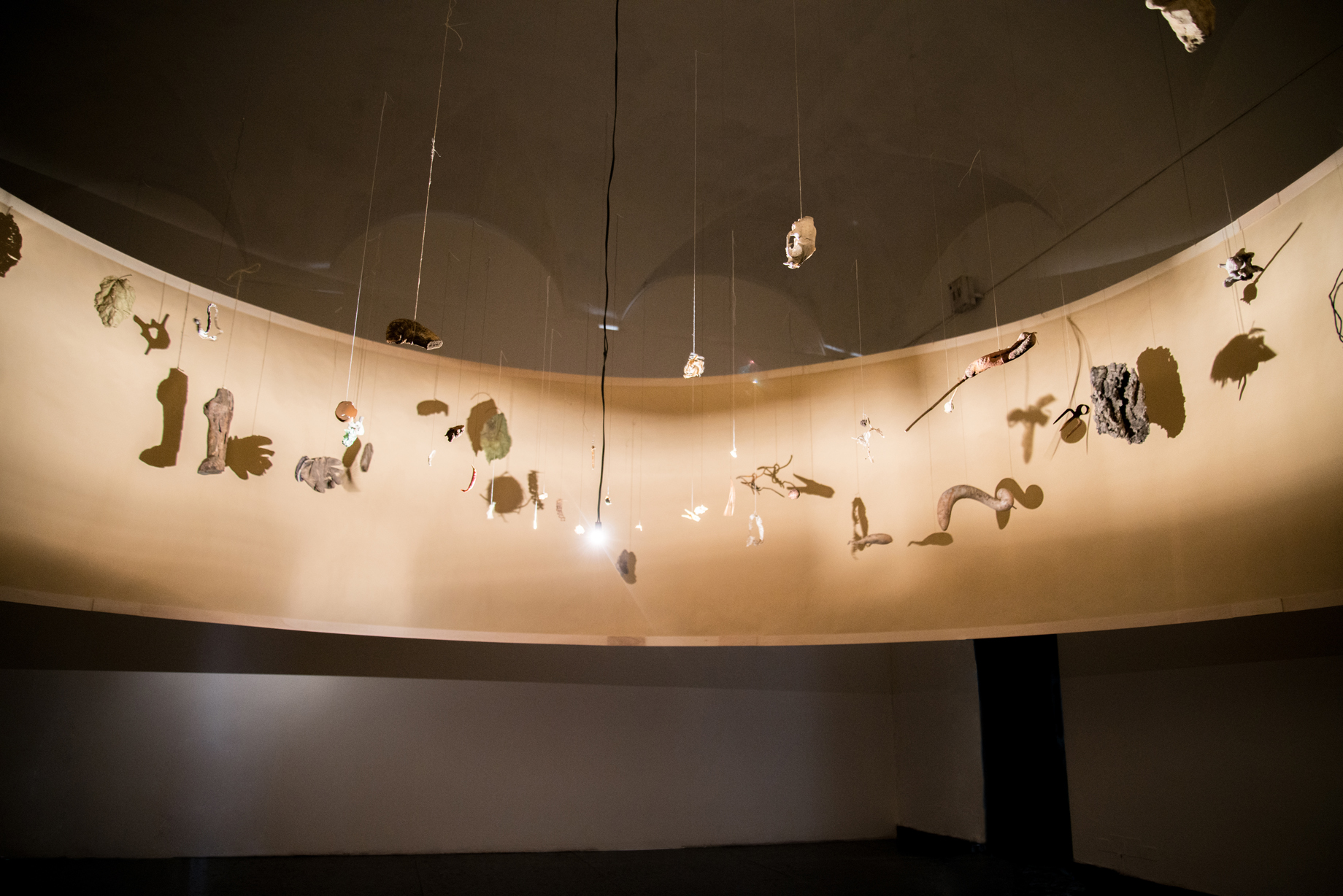
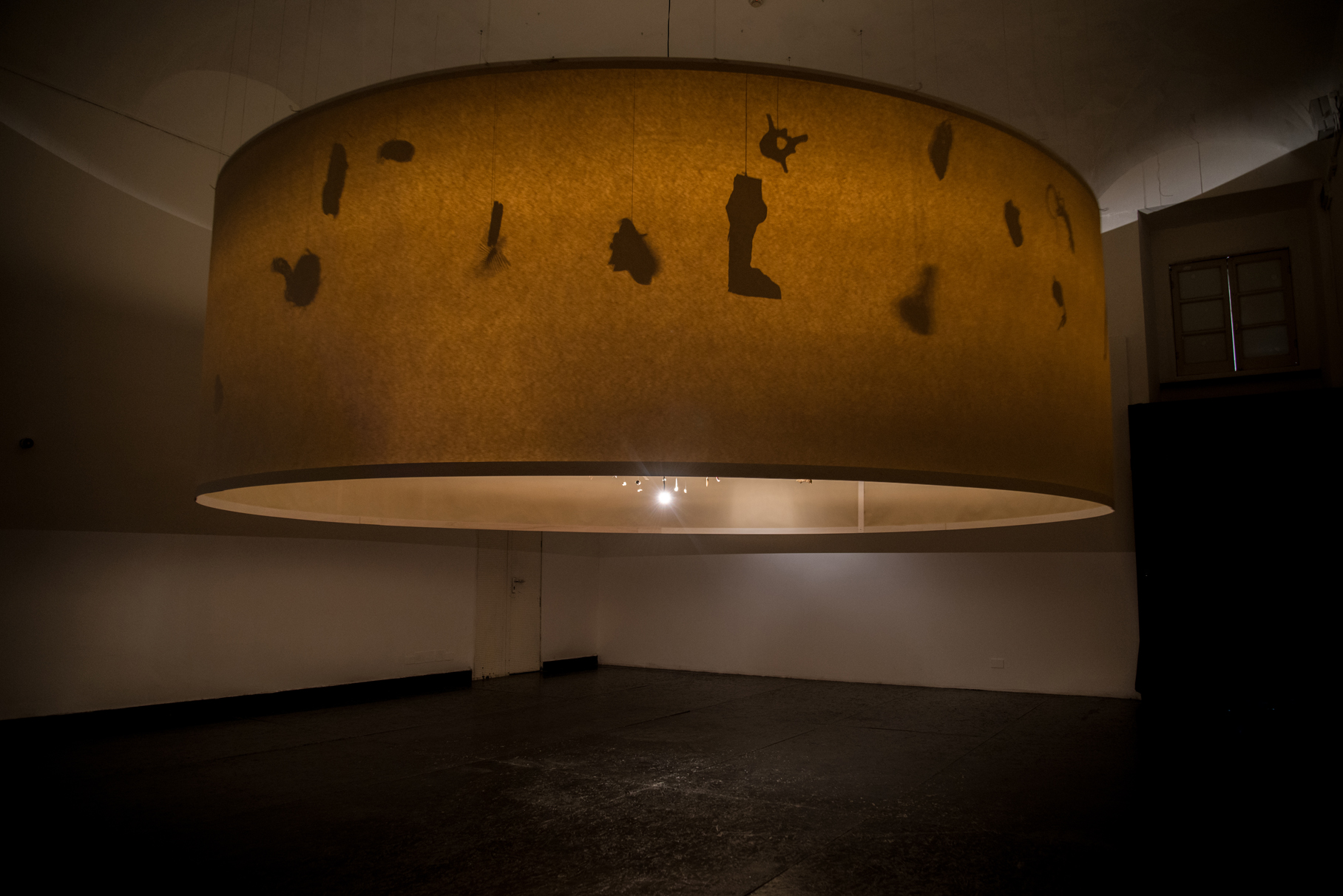
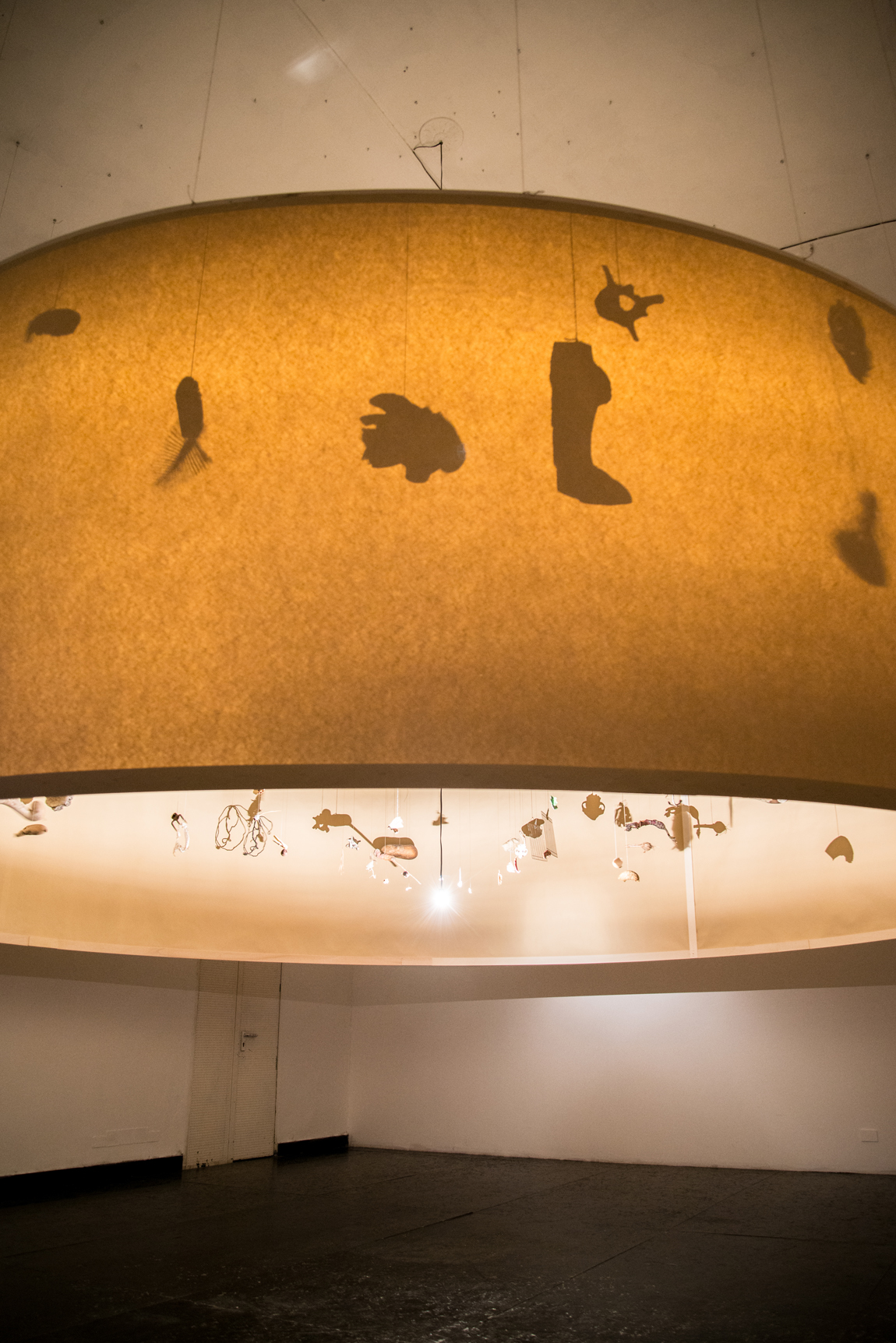
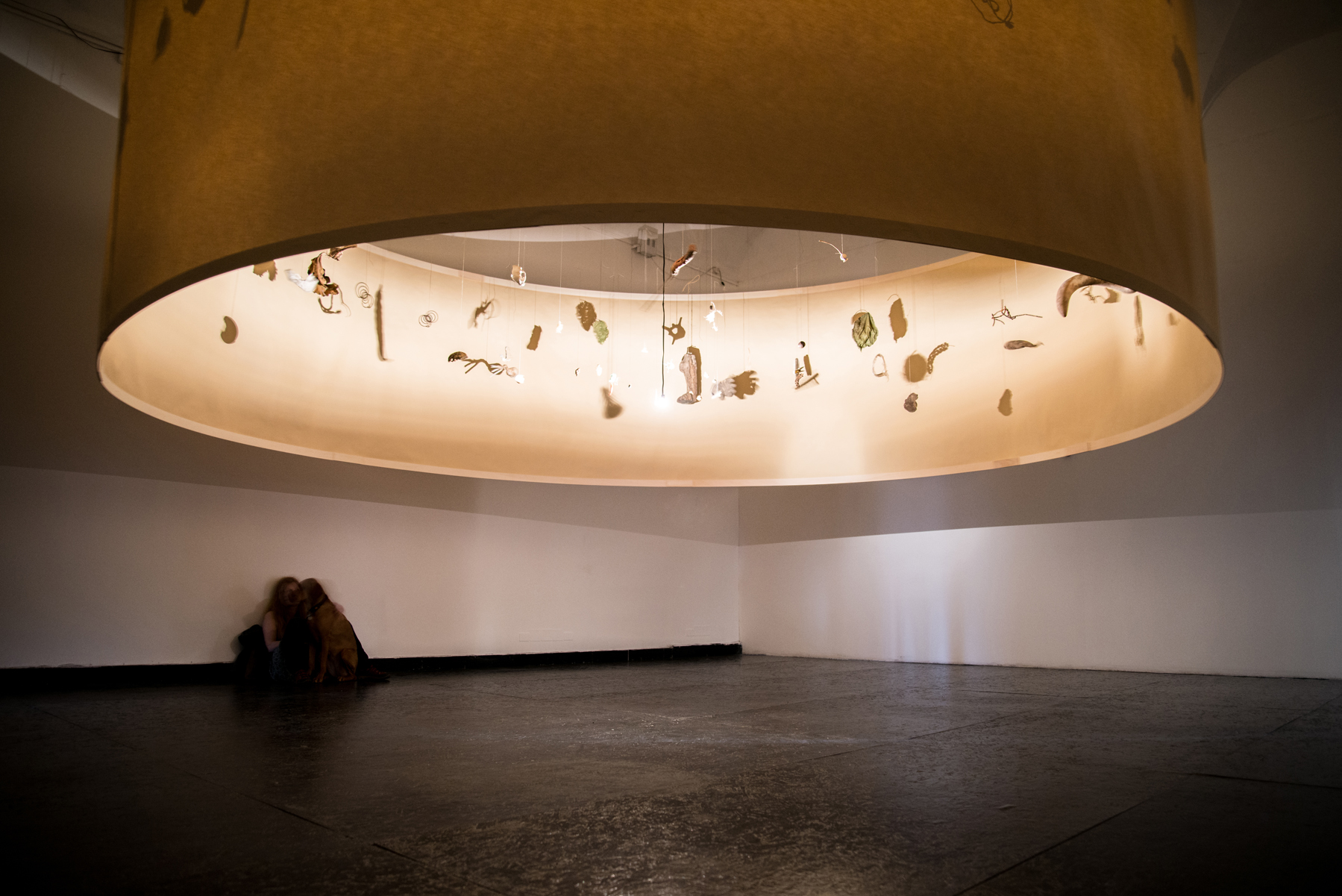

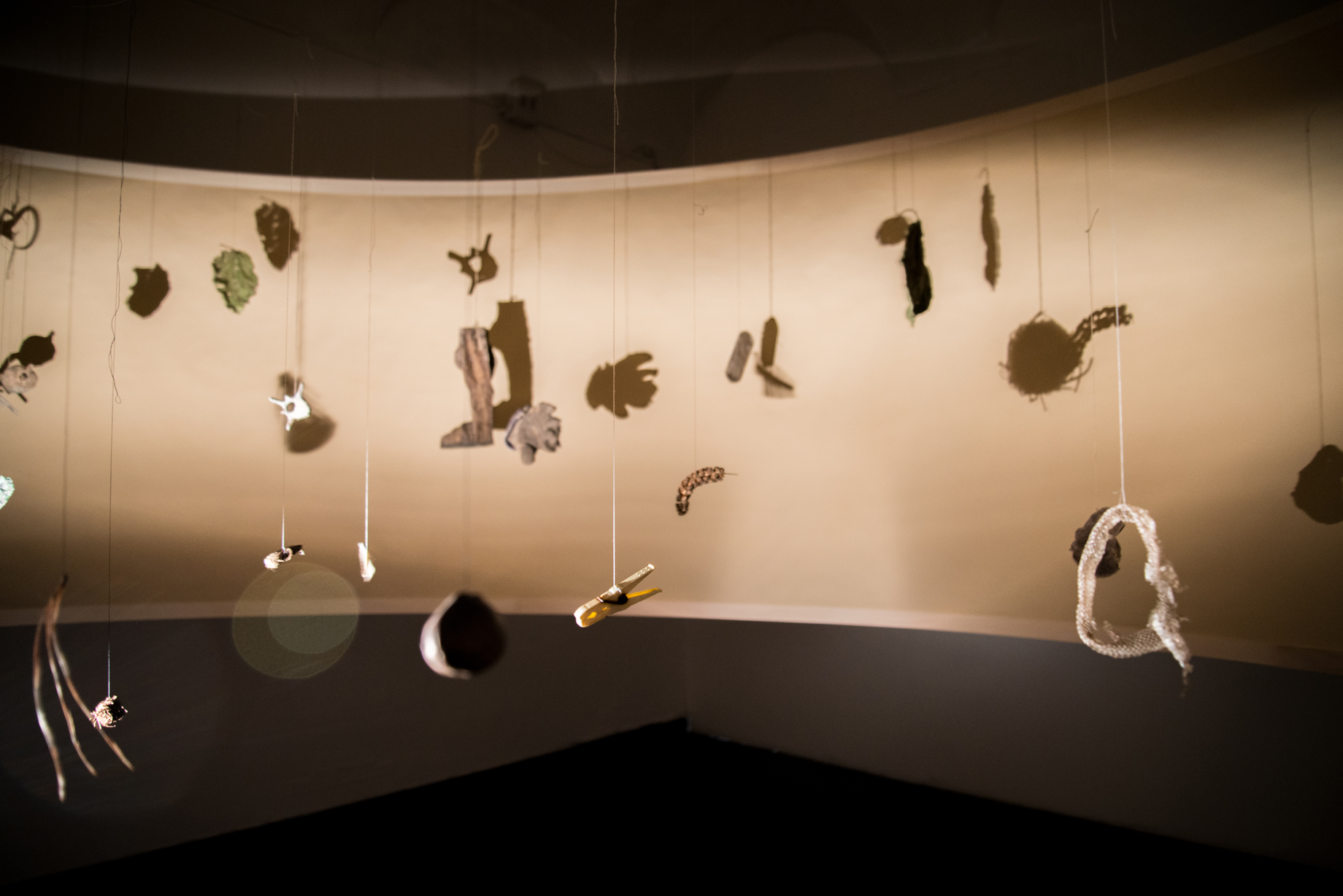
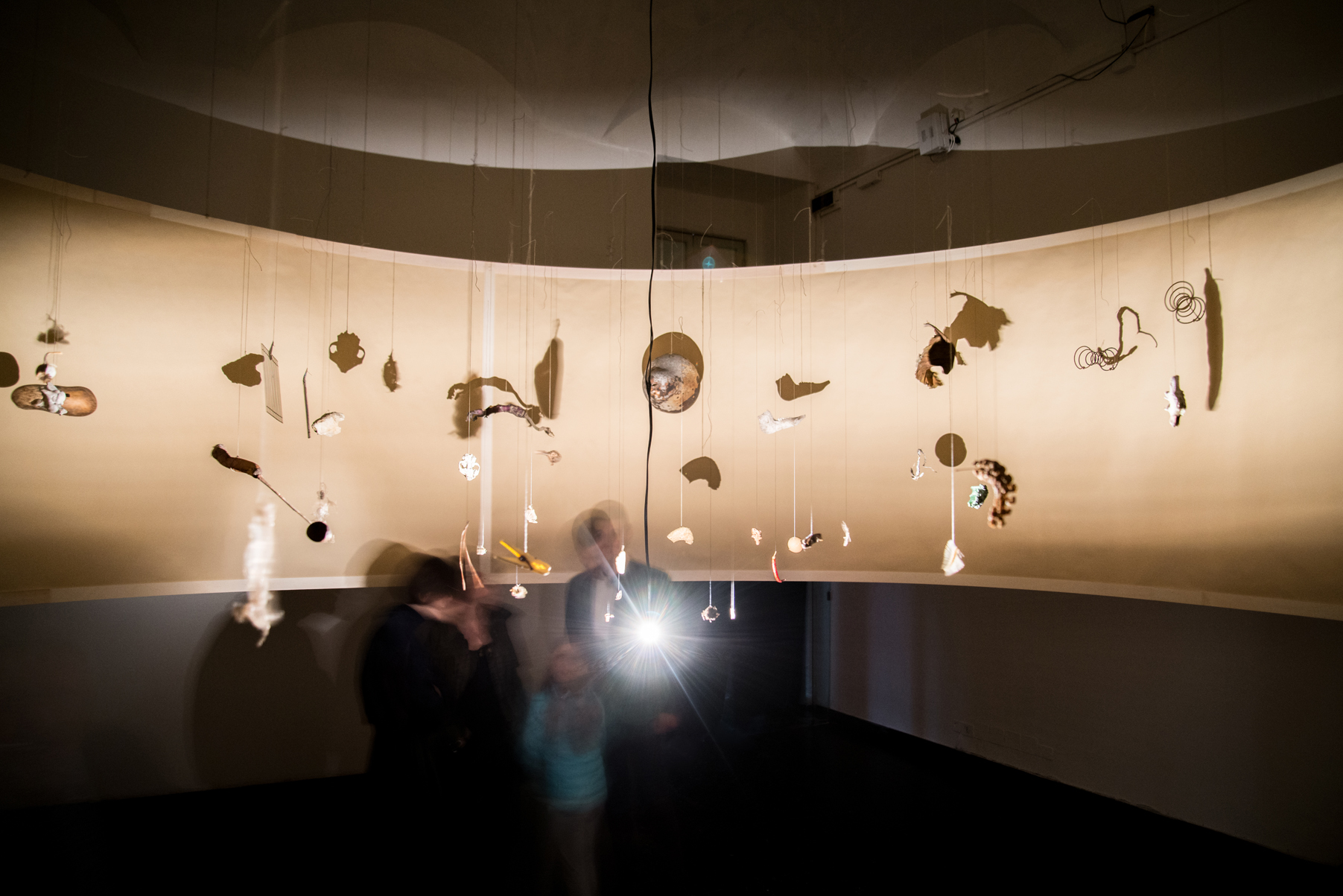


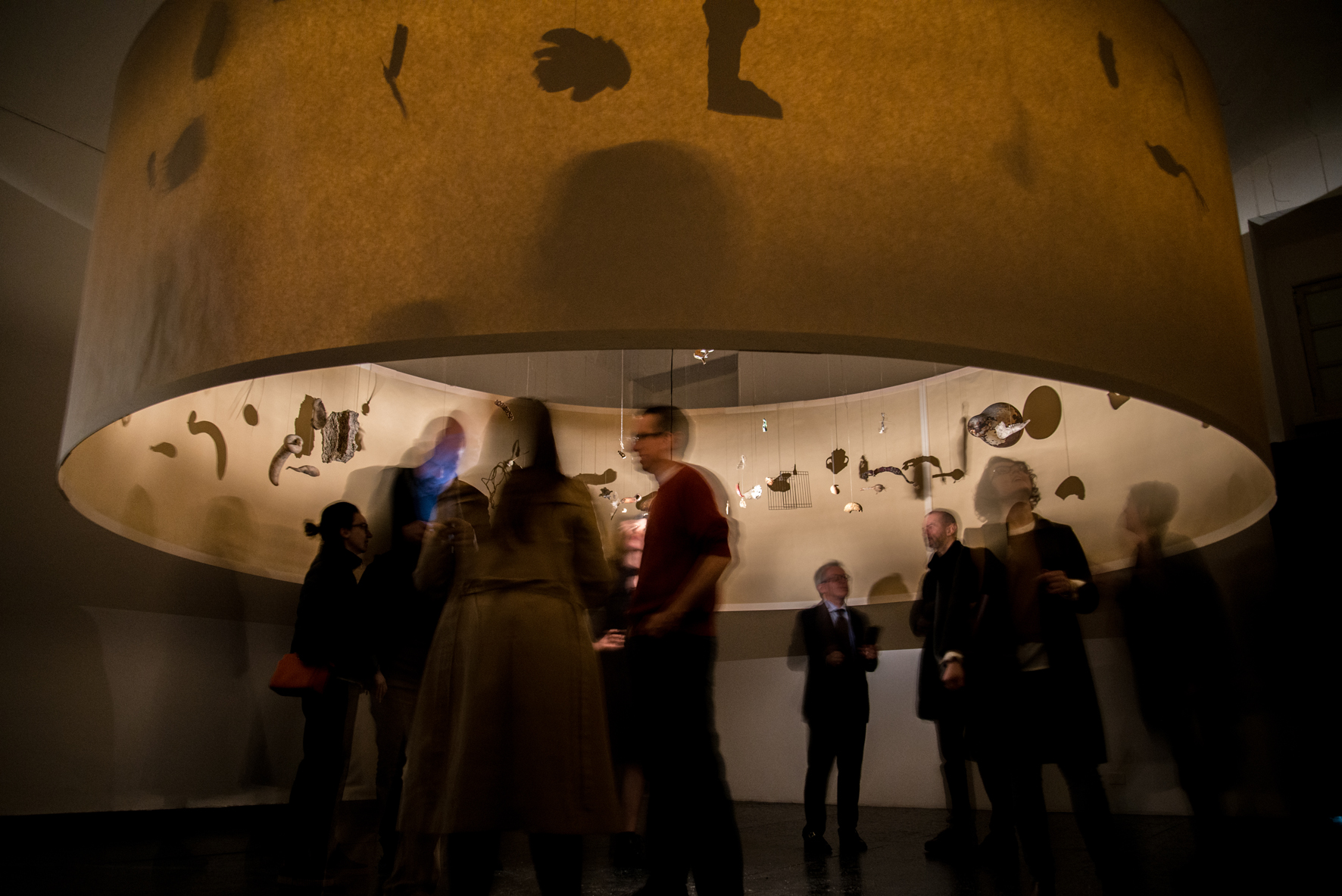 Photo credits Alice Moschin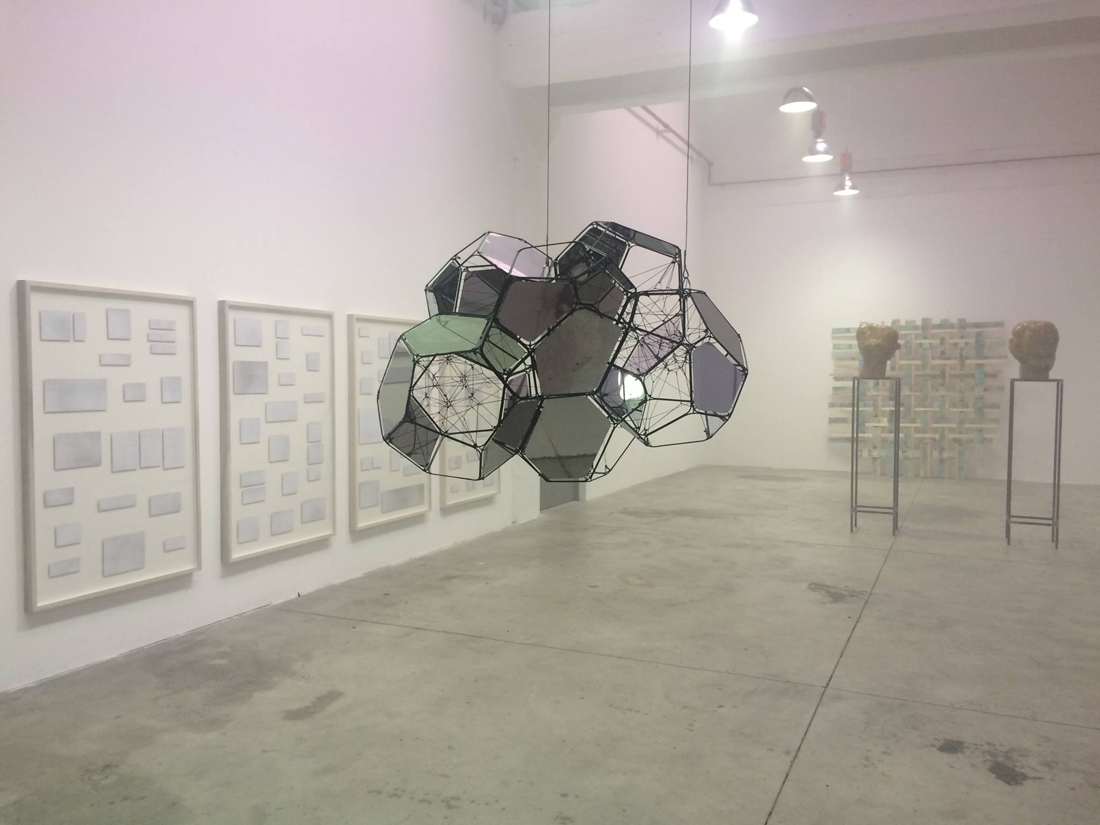


28 Giugno 2017
In
Immagini Mostre
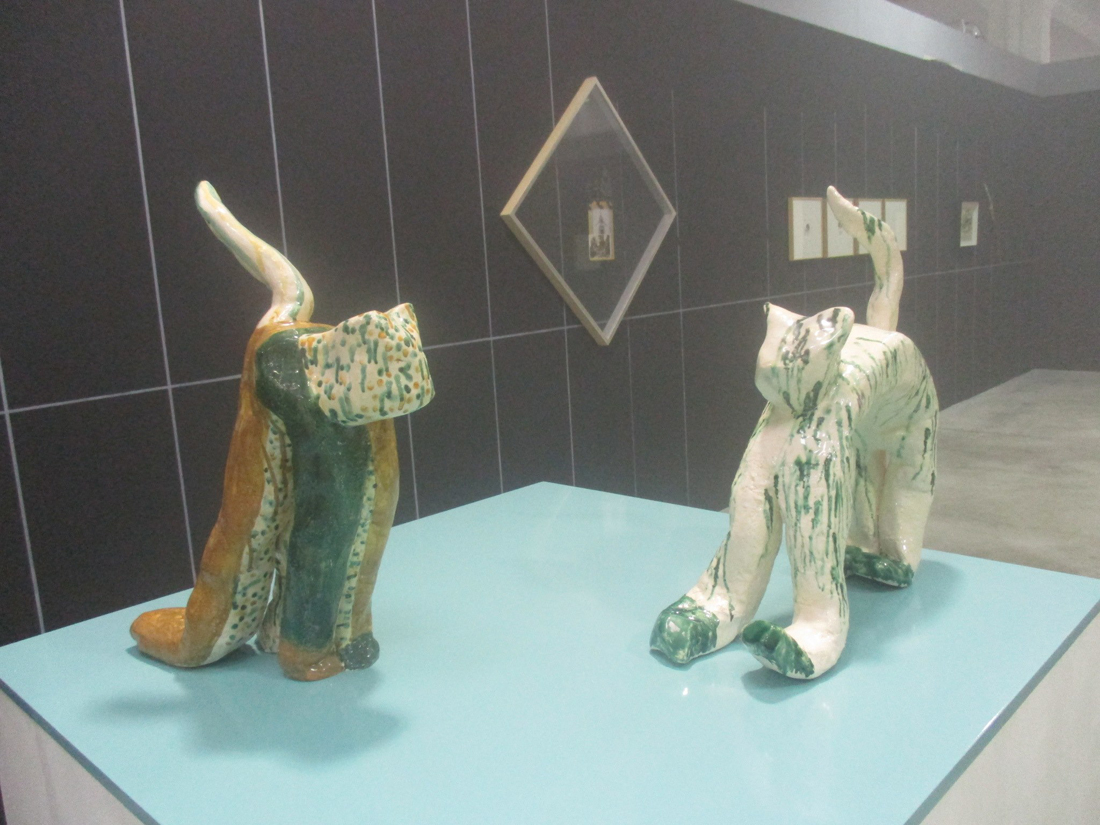
Mariana Castillo Deball – The Tortoise and Other Footraces Between Unequal Contestants
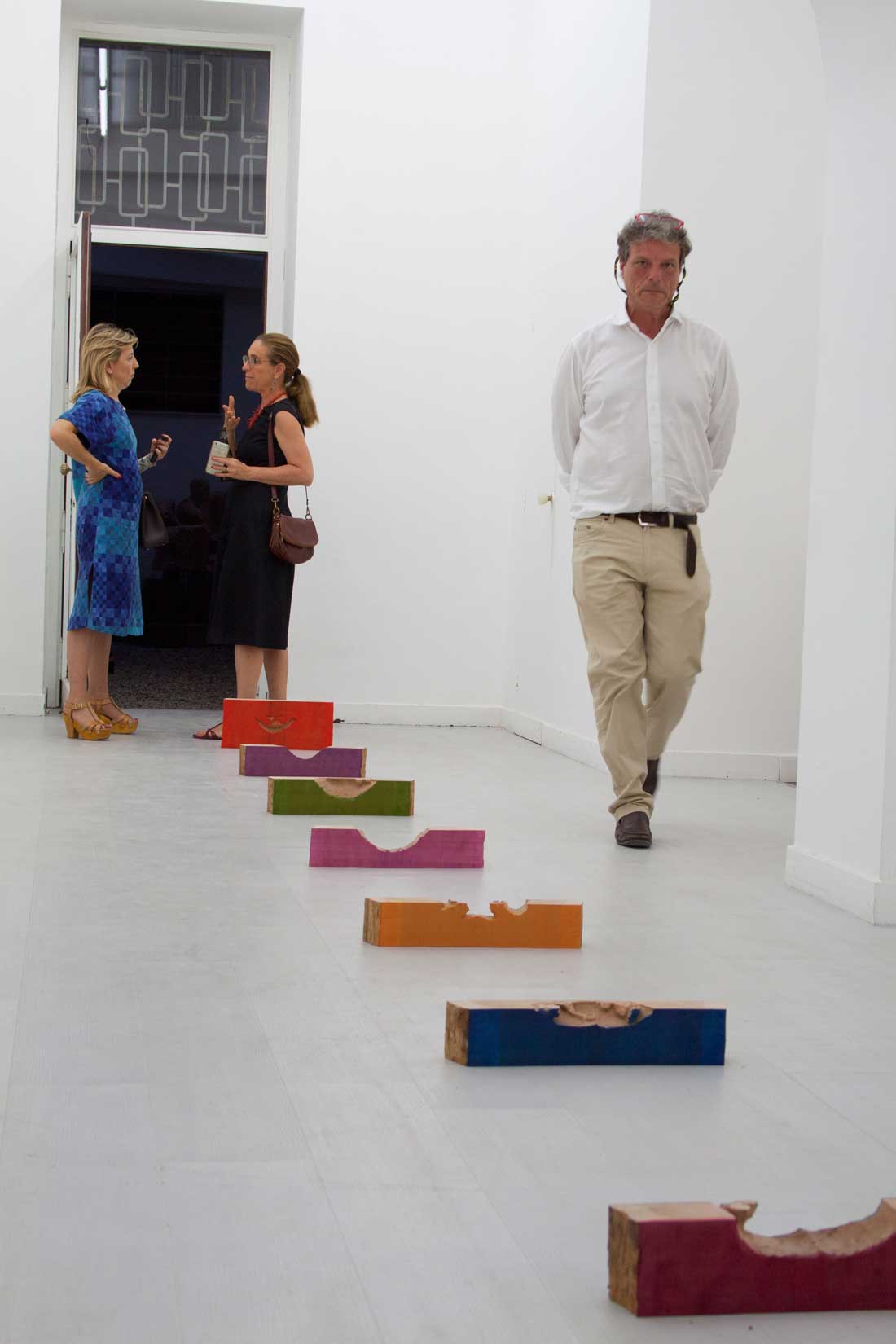


Foto Francesco Cardarelli
20 Maggio 2017
In
Immagini Mostre
Cesare Viel – Luca Vitone – Ab Urbe Genua Duo Lykanthropi Romae
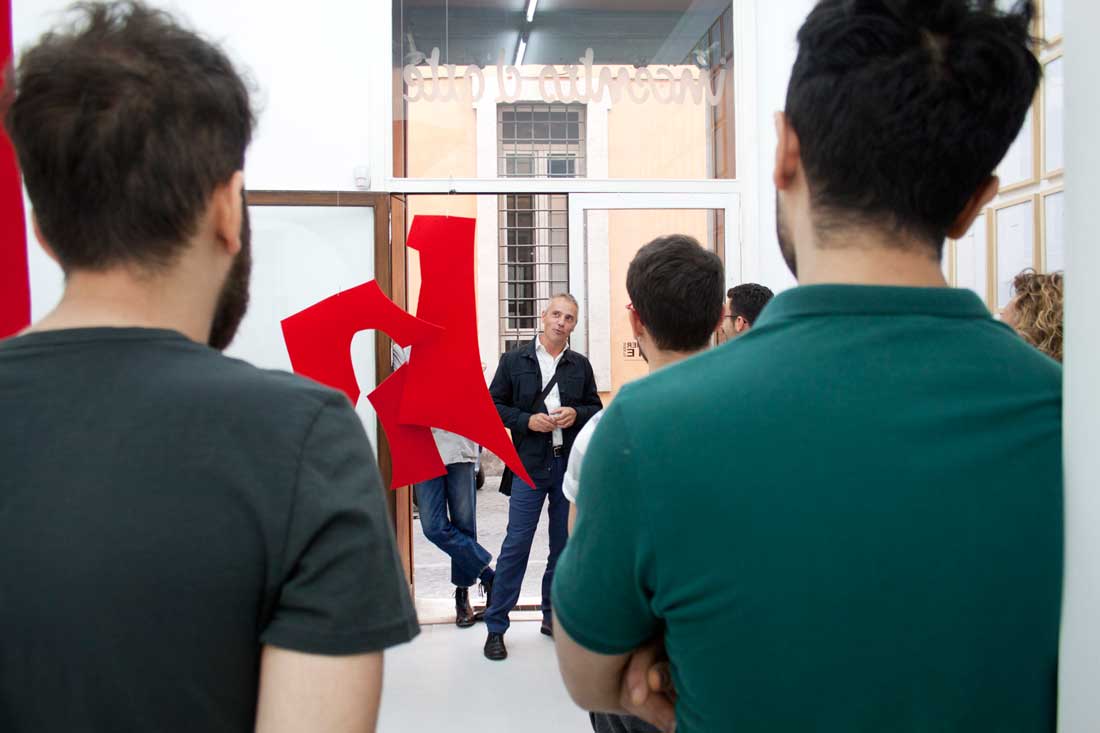
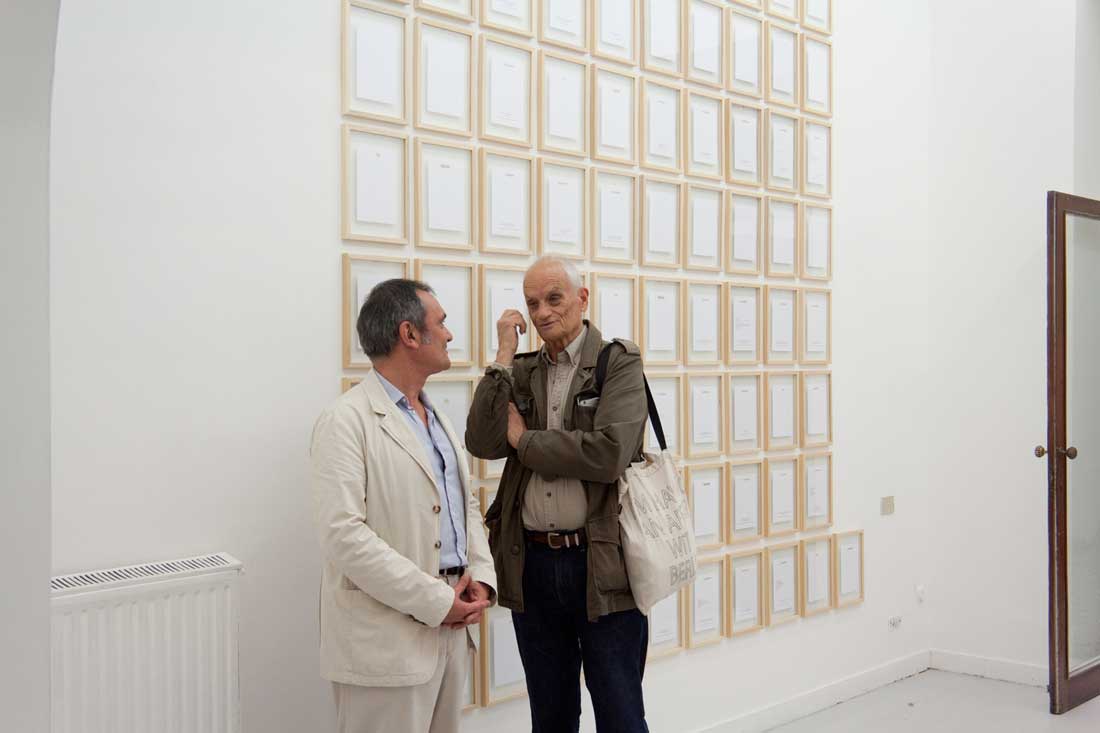
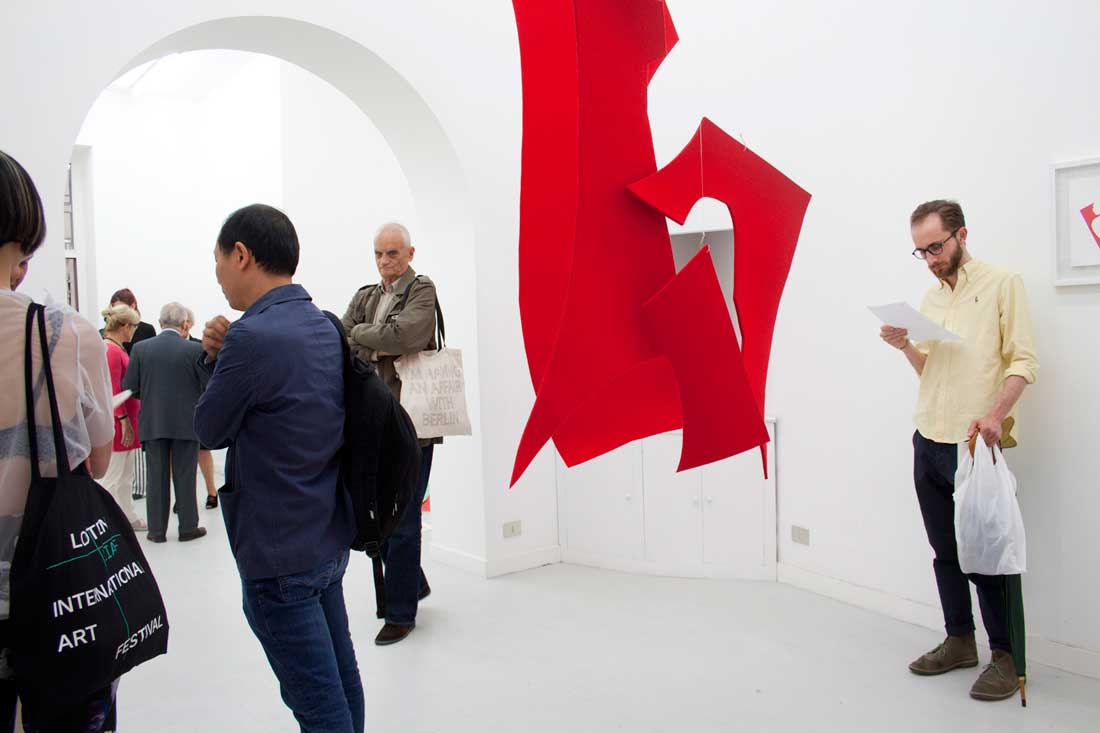
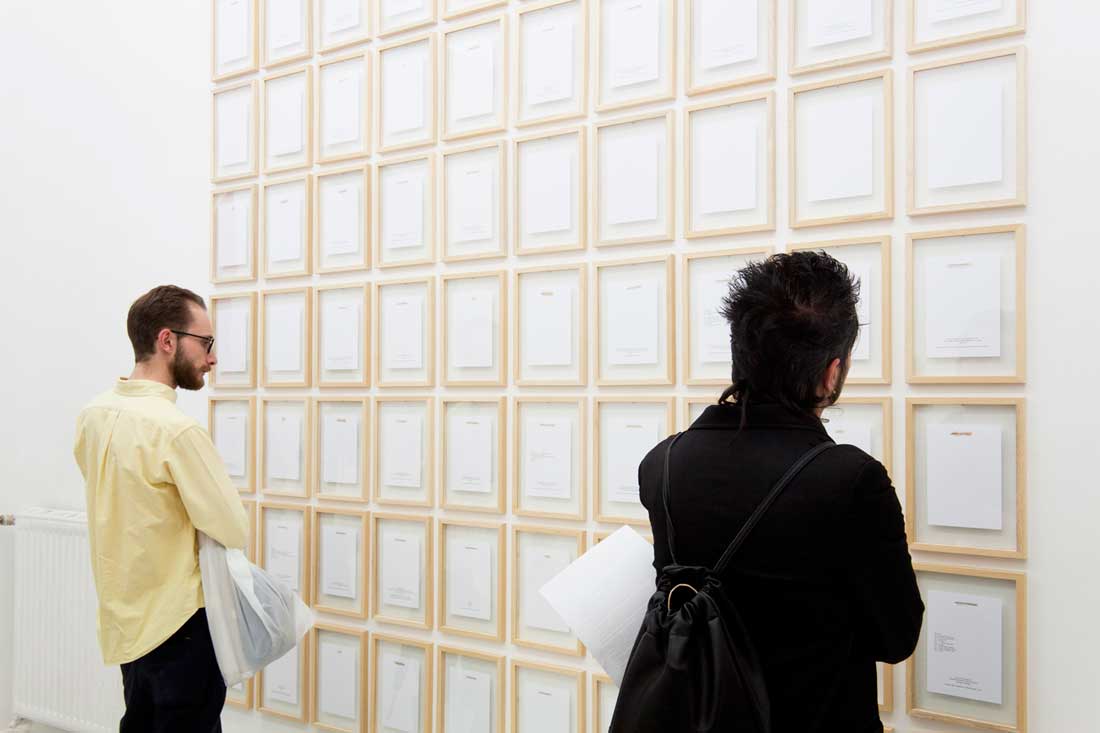
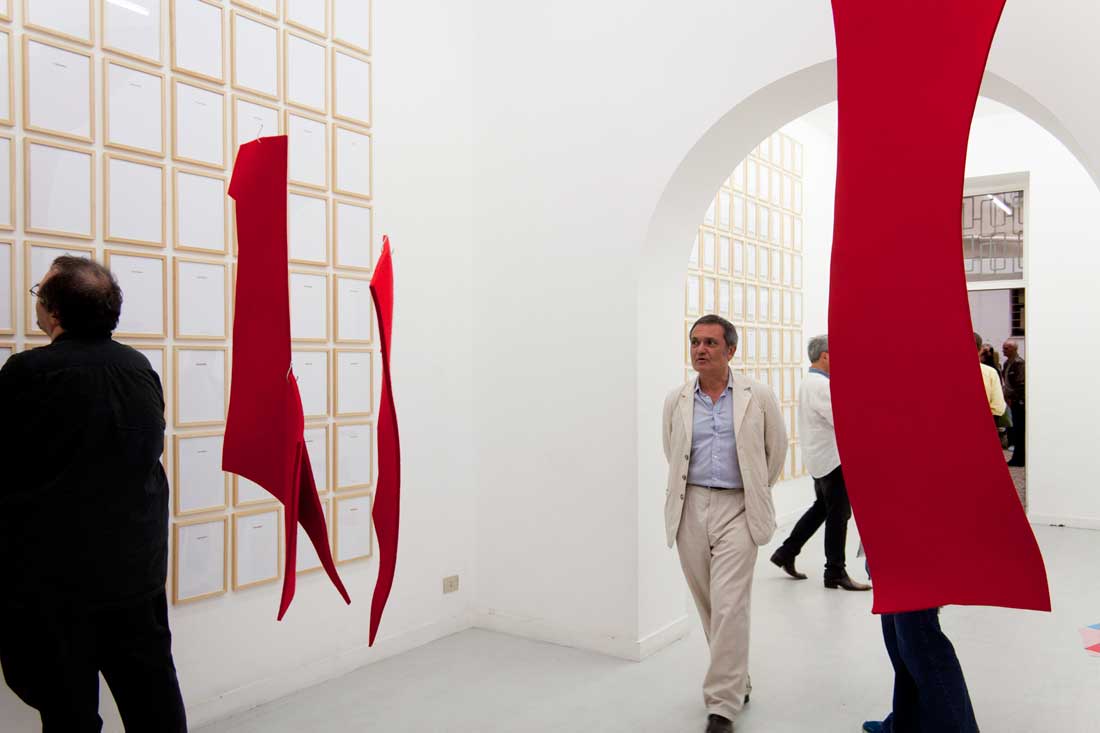
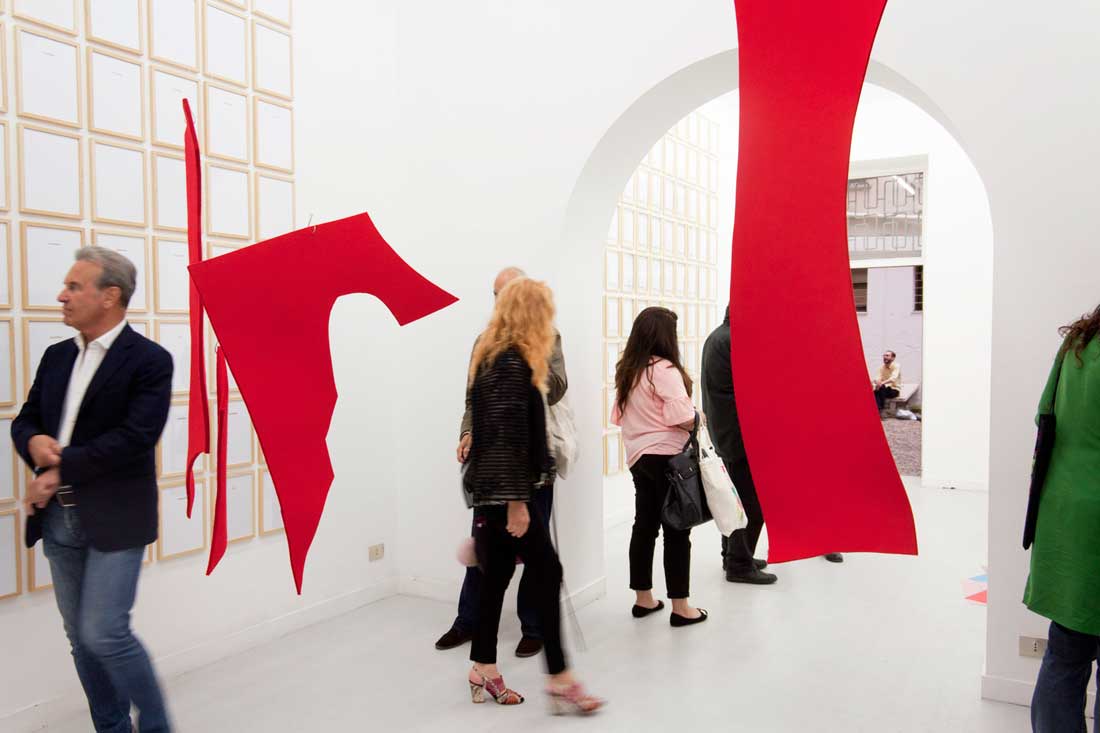
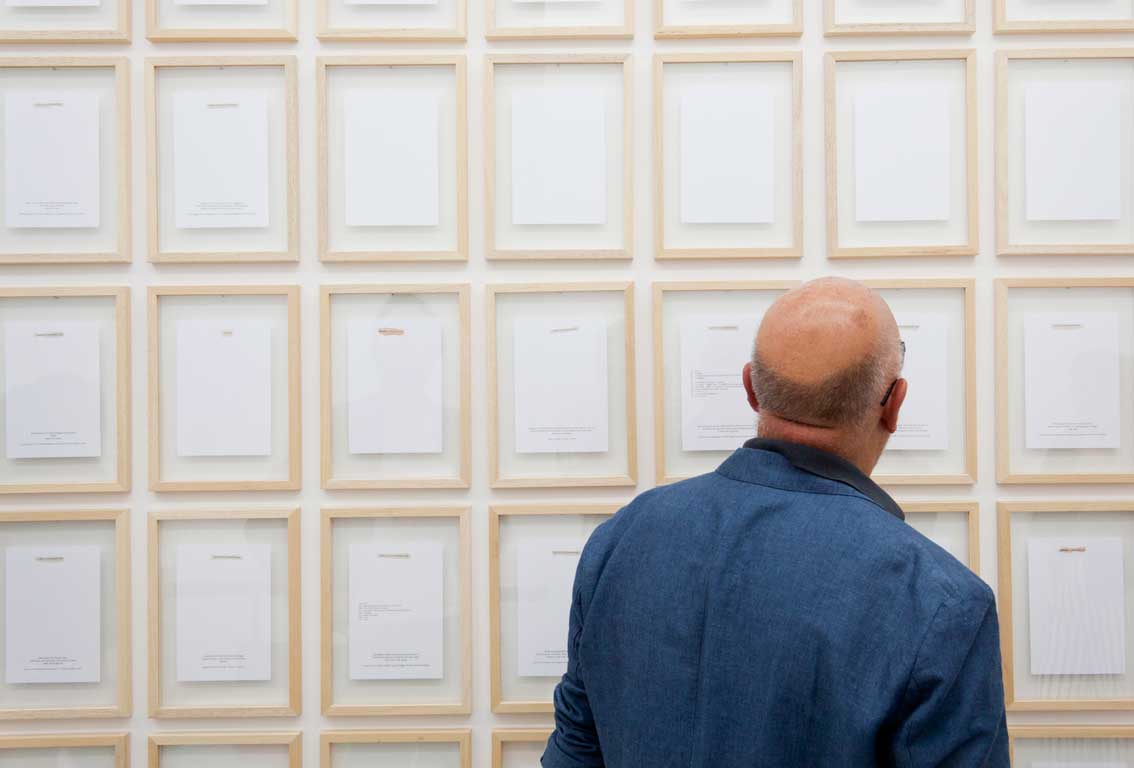
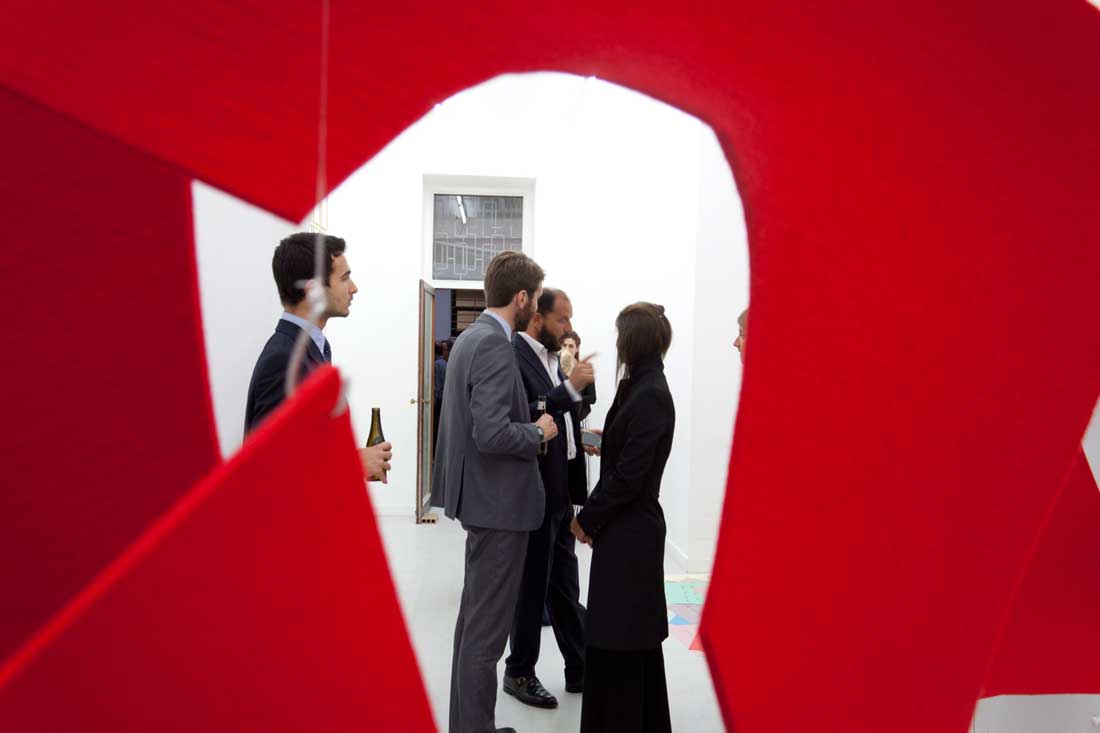
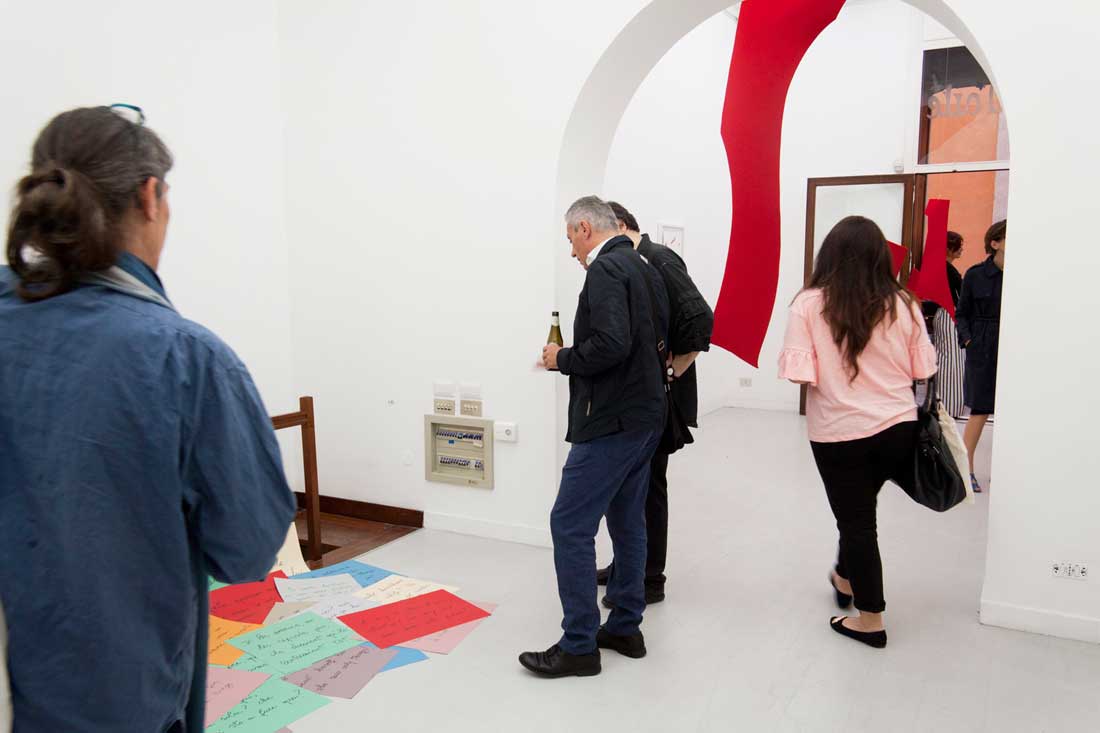
Photo credits Francesco Cardarelli


25 Marzo 2017
In
Immagini Mostre
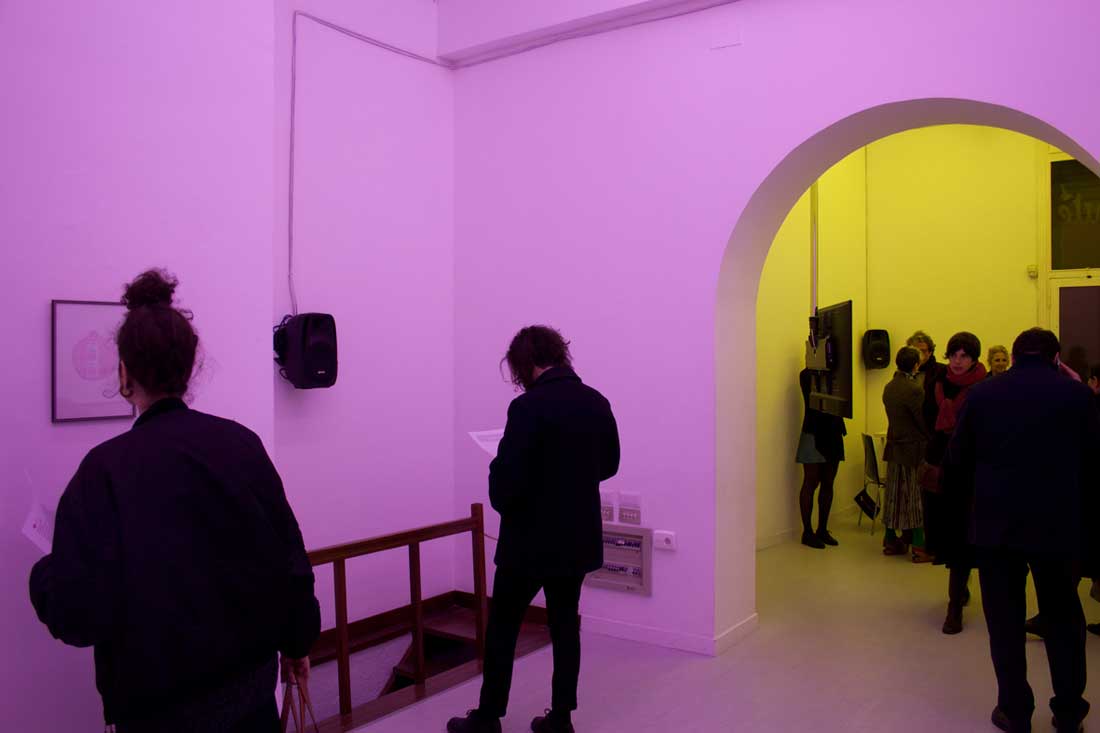
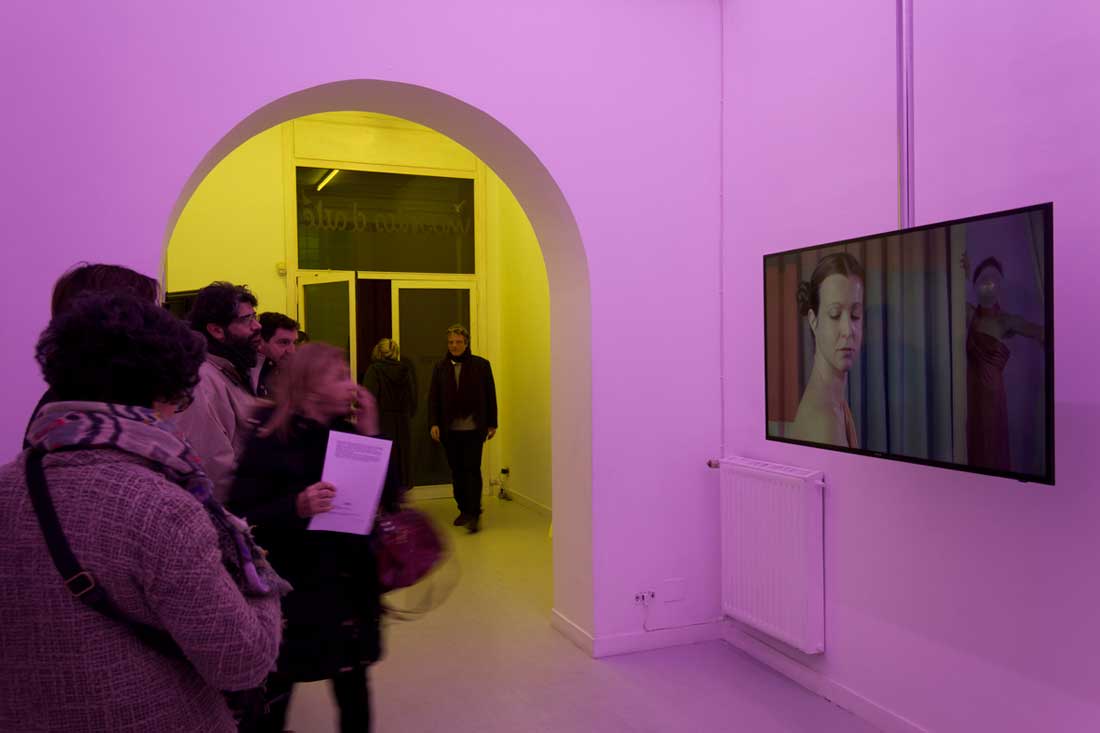
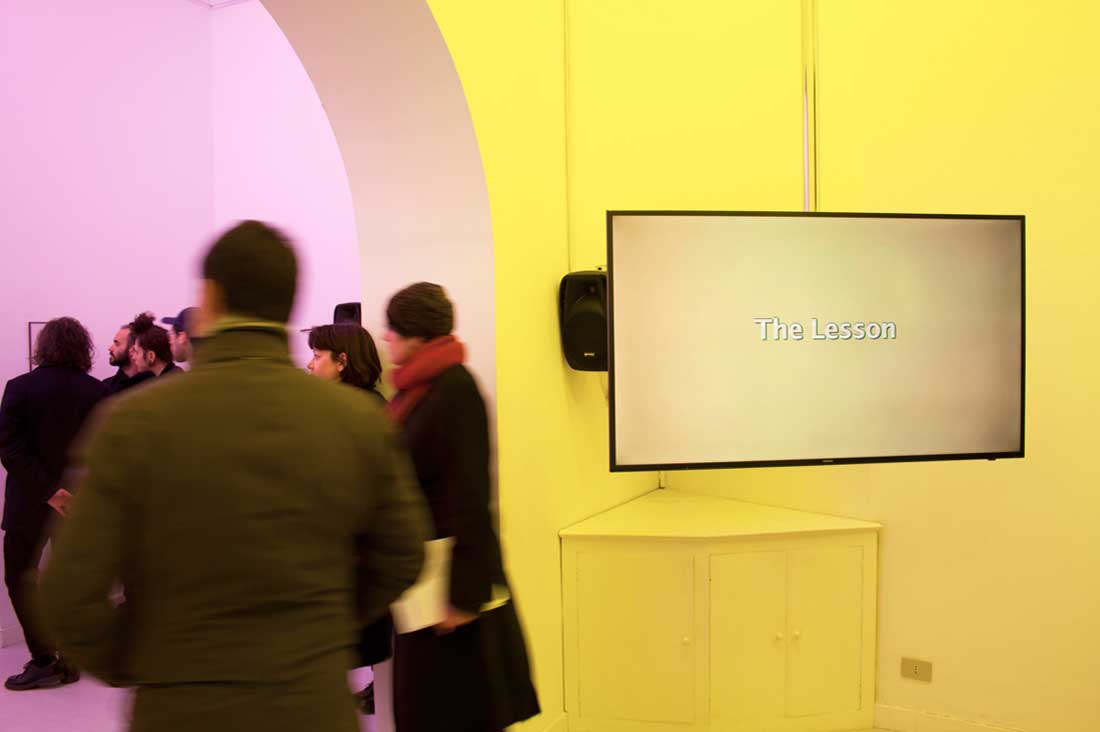
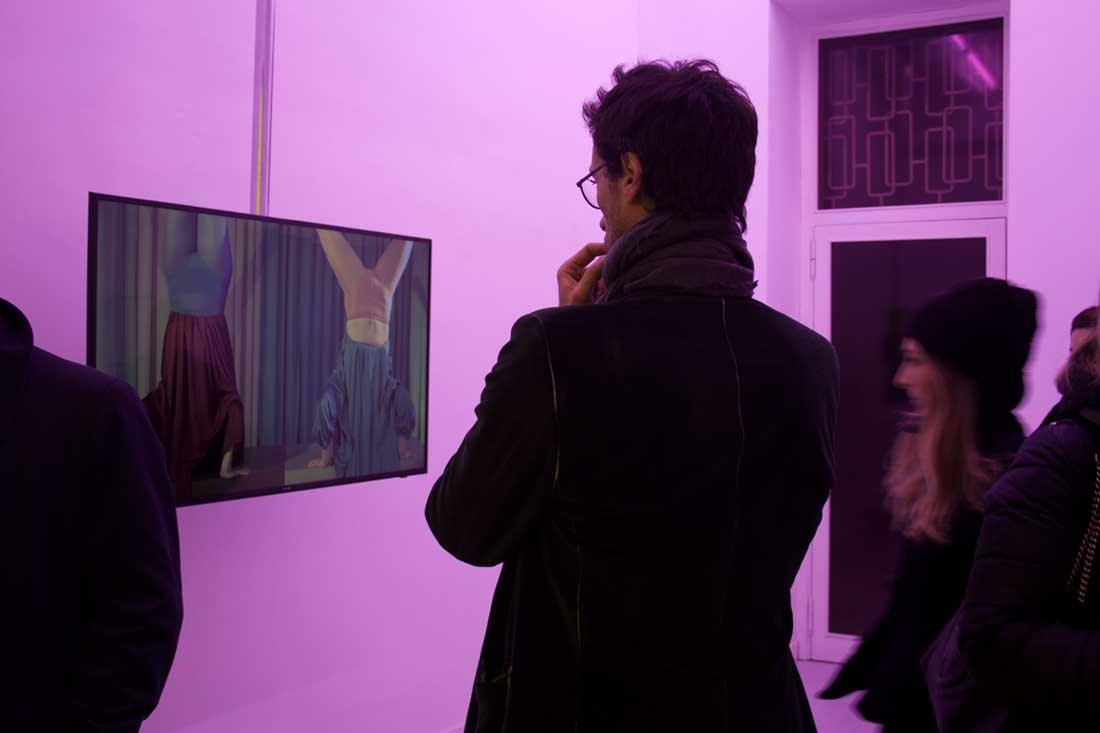
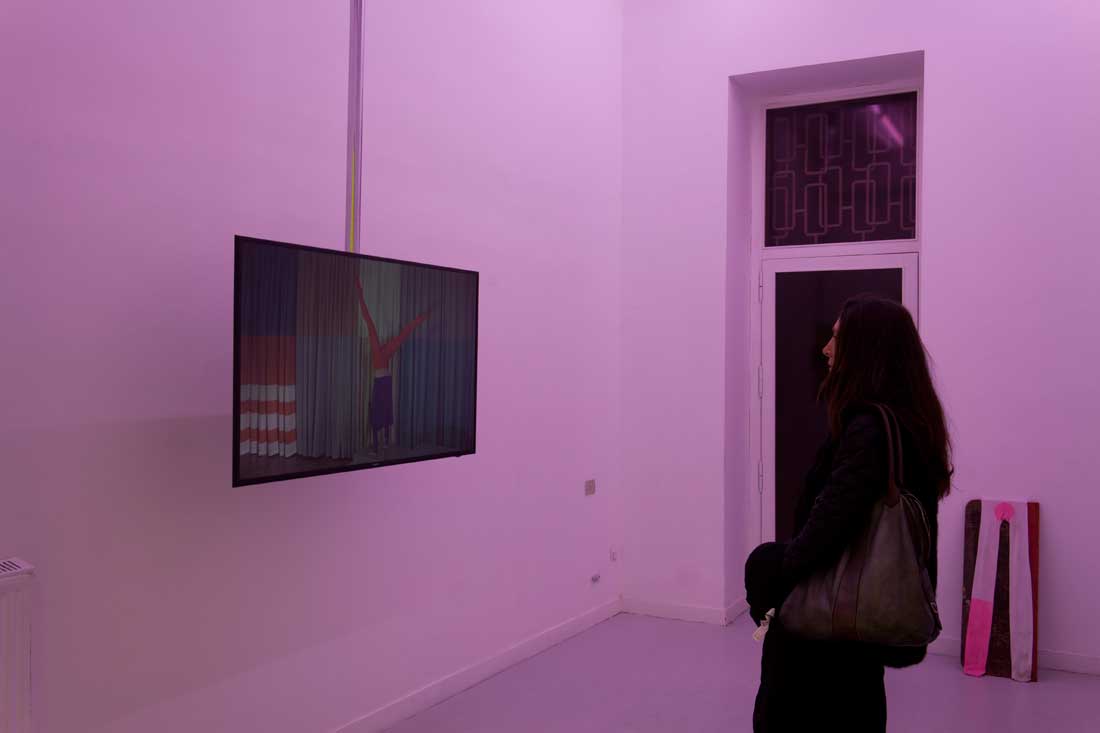
Alis/Filliol – INVERNOMUTO – The Ifth of Oofth


Photo credit Andrea Veneri





25 Novembre 2016
In
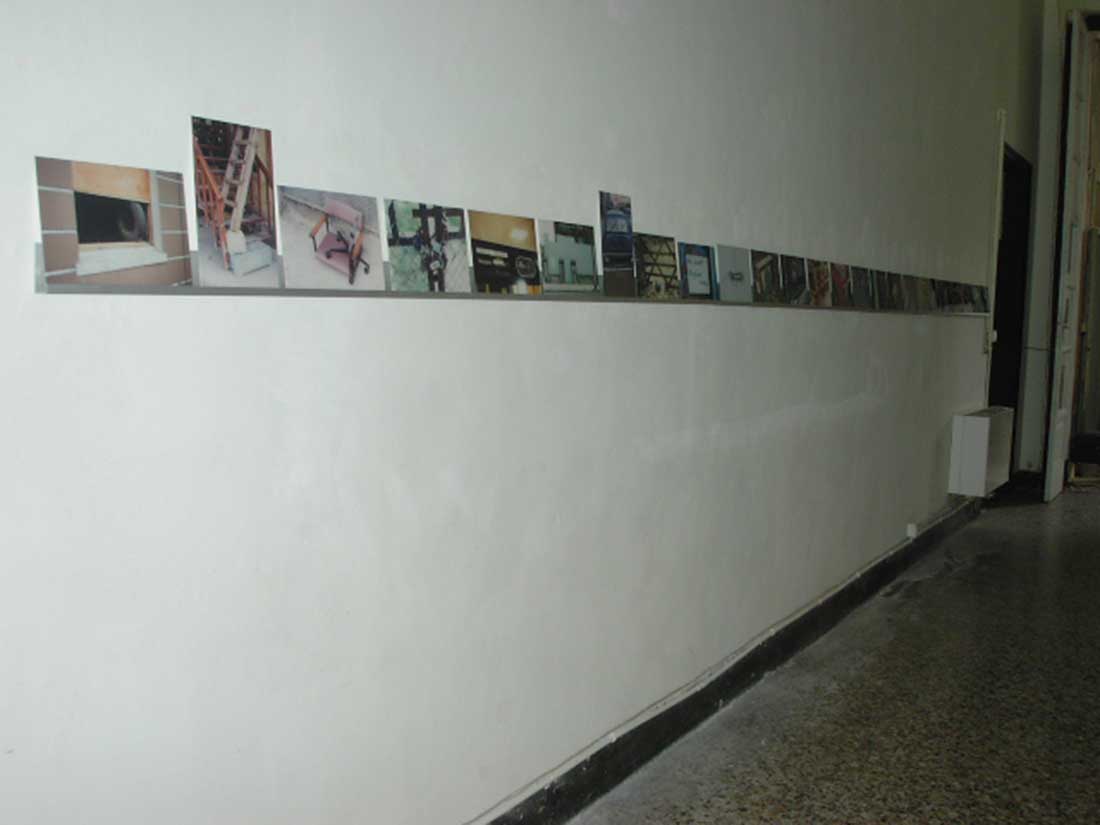
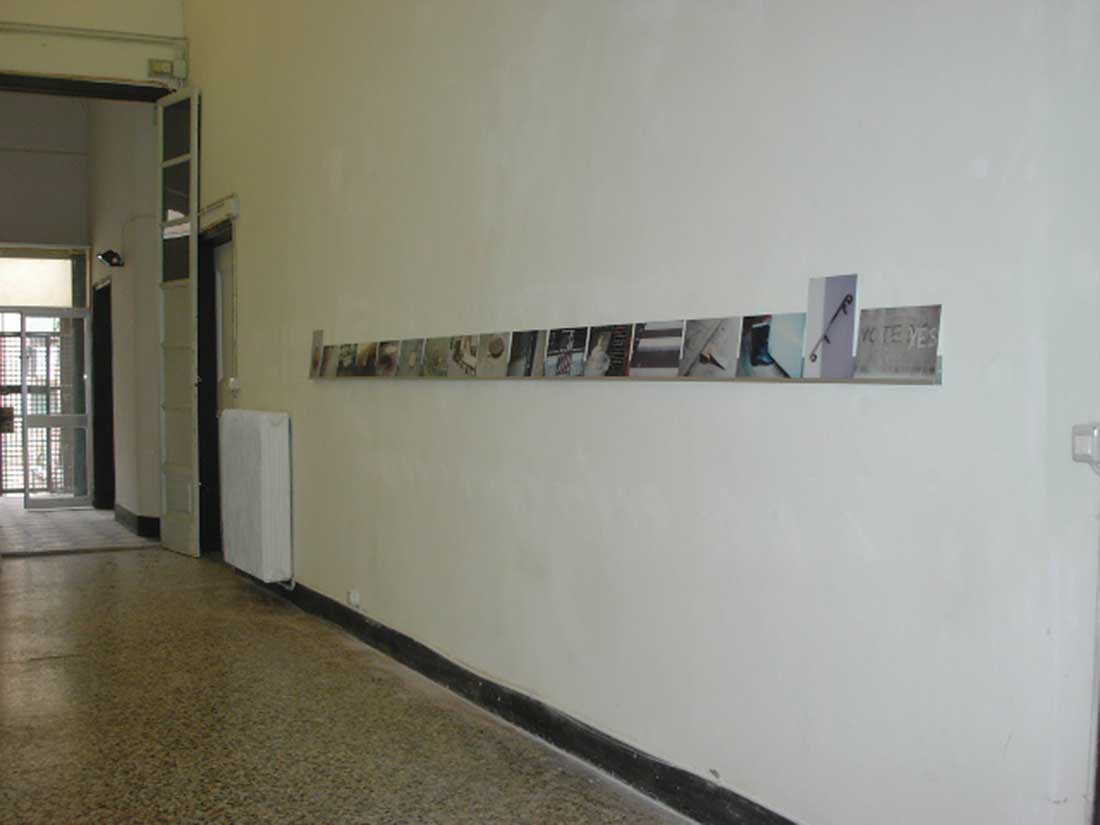
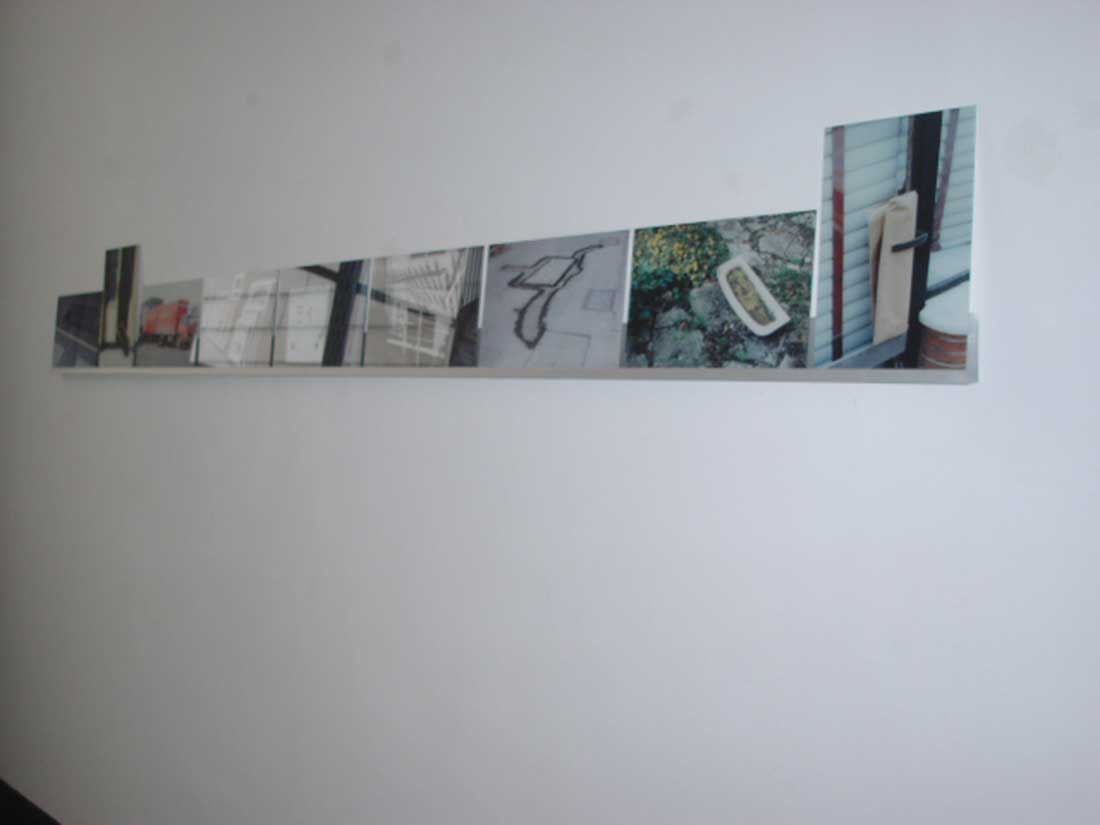
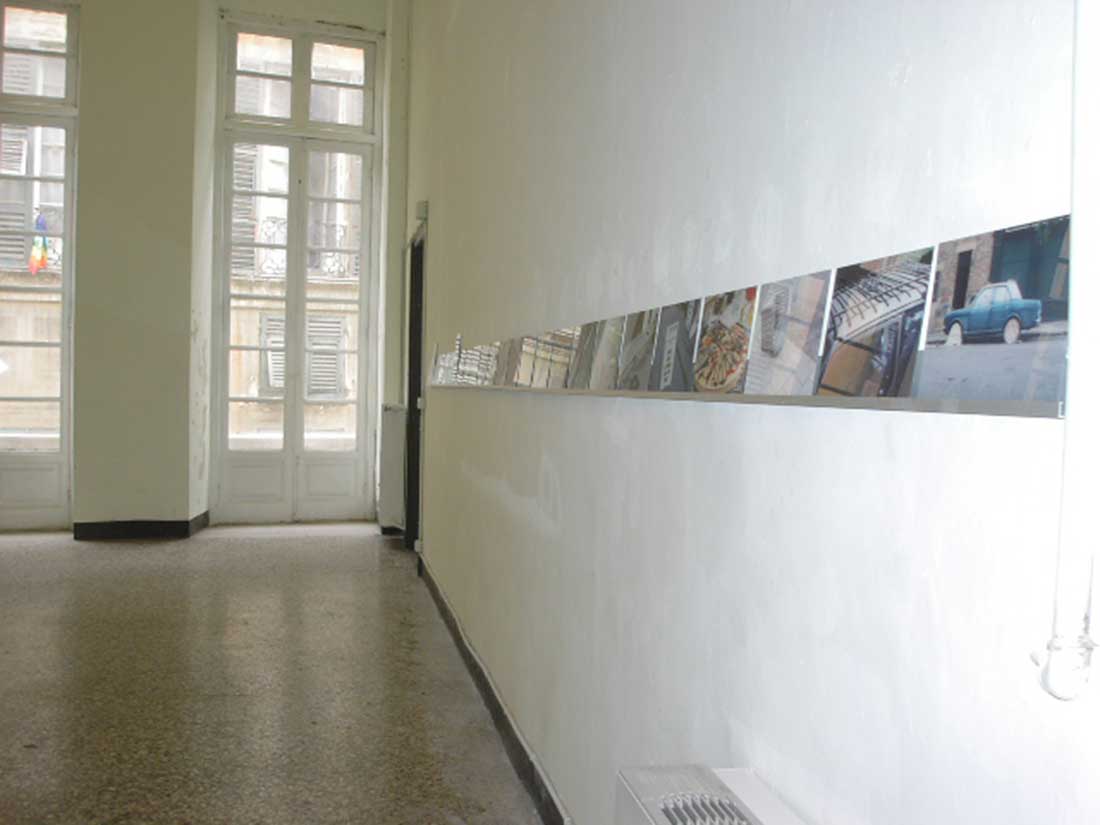
Immagini Mostre
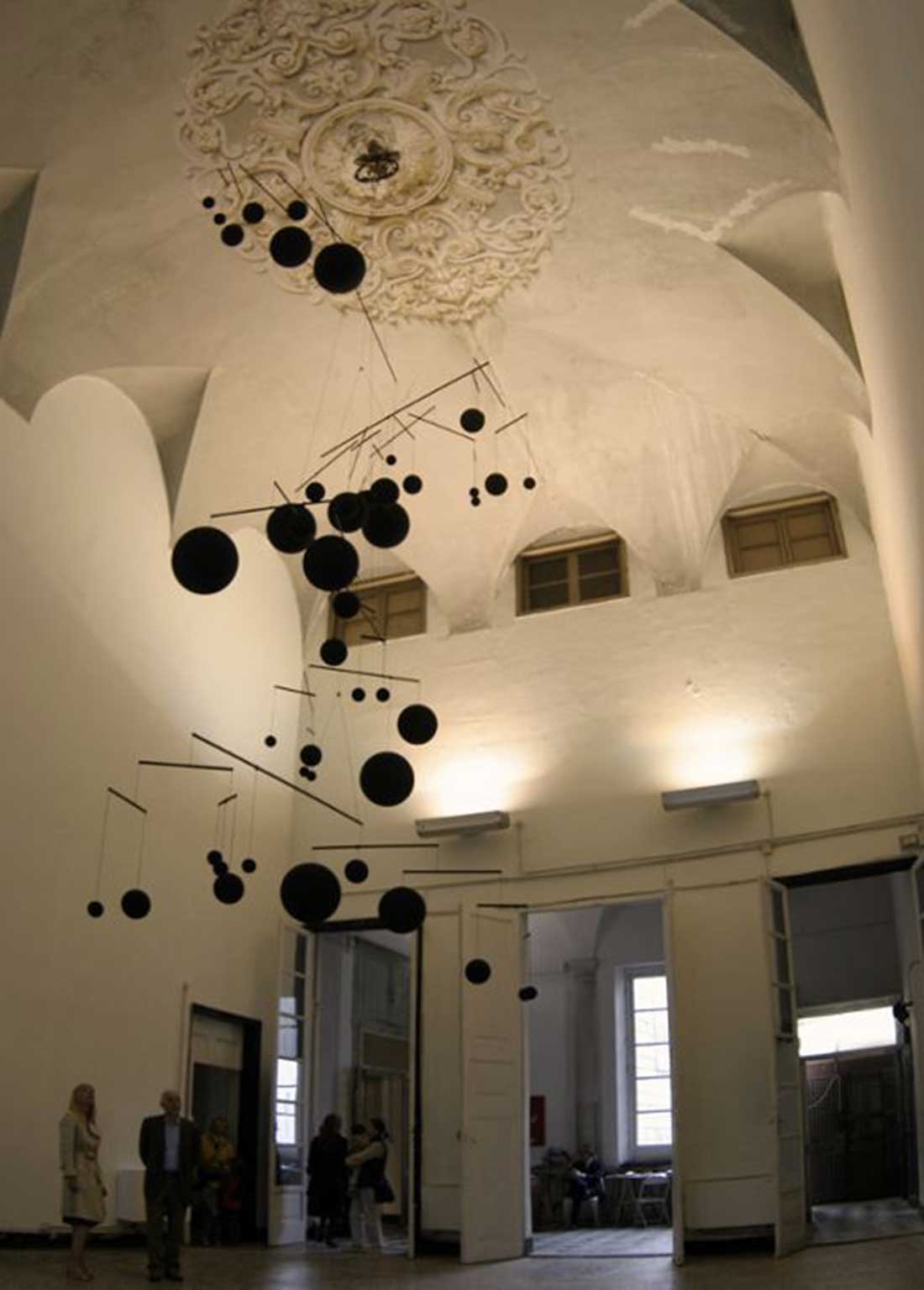
THE TRUTH IS THAT THE TRUTH CHANGES – LUCA TREVISANI


Photo credits Francesco Cardarelli





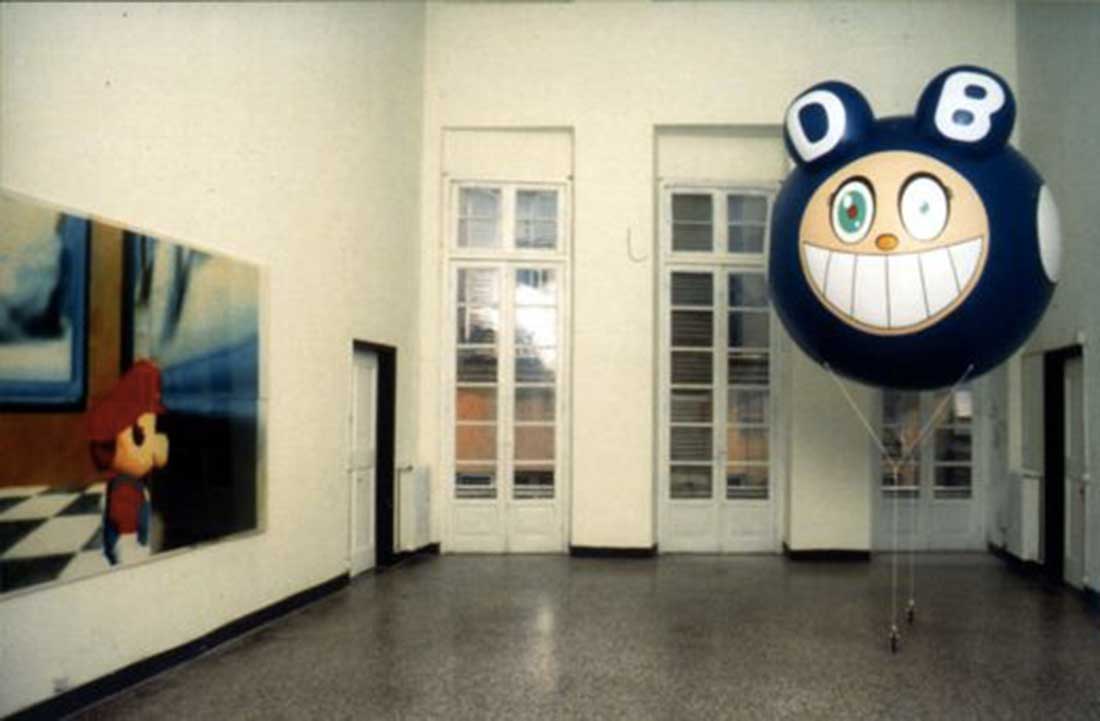

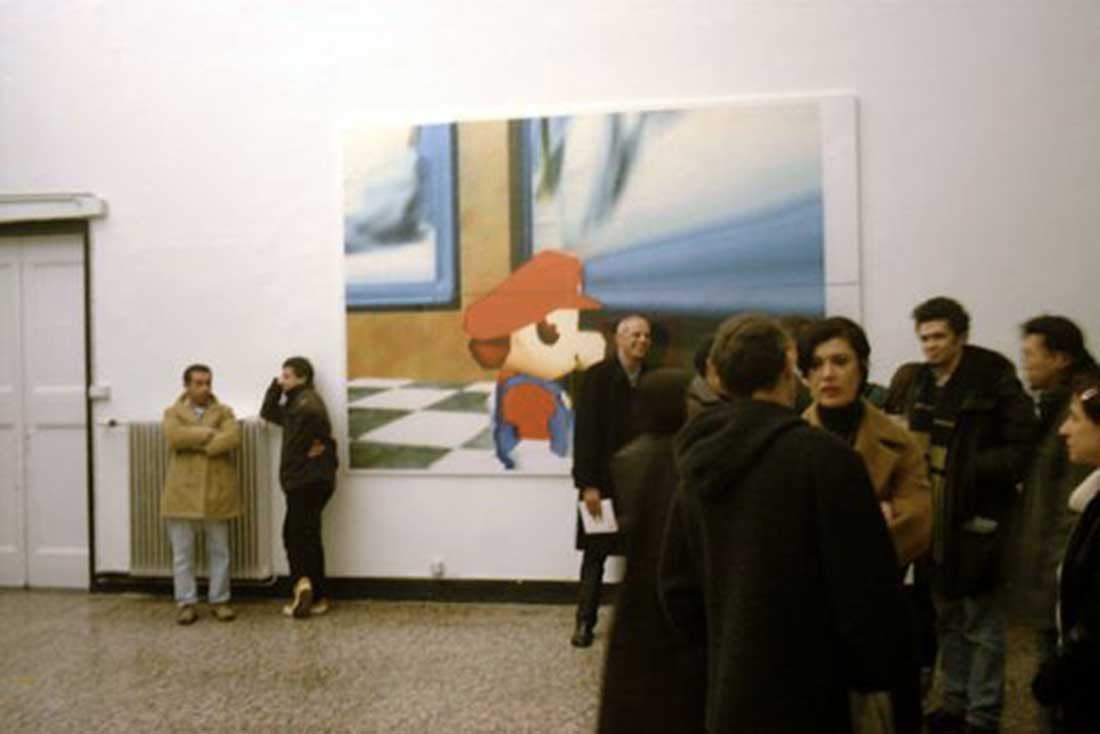
17 Novembre 2016
In
Immagini Mostre
HELEN MIRRA & ALISON KNOWLES

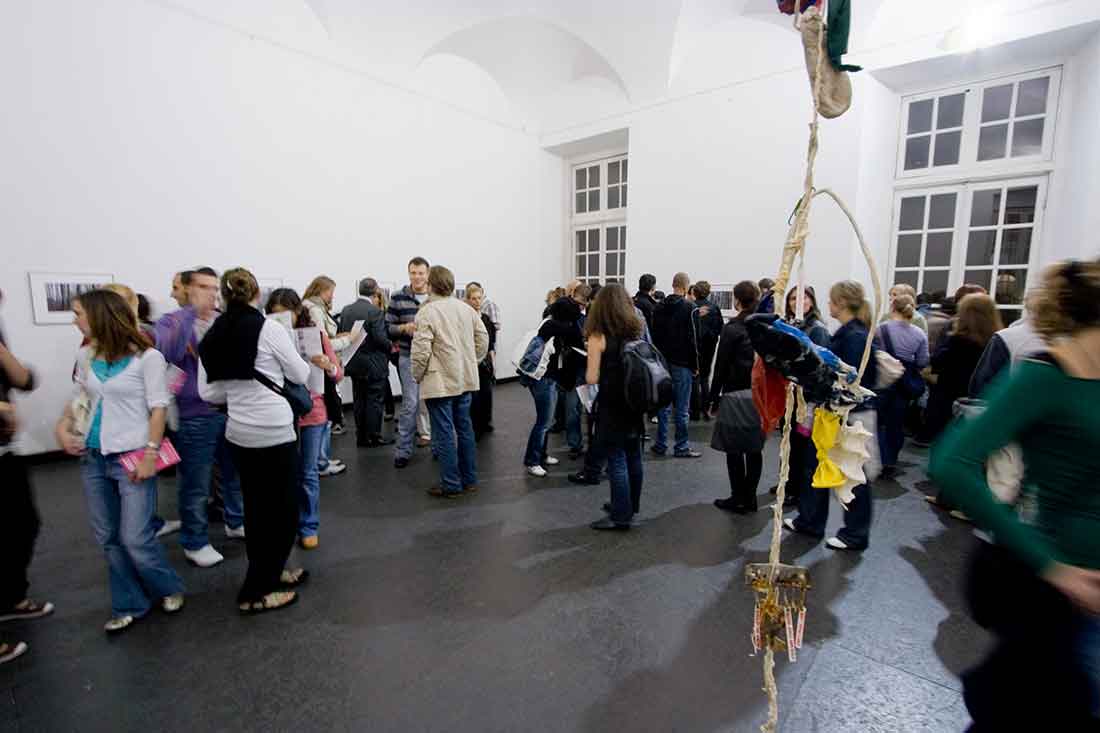
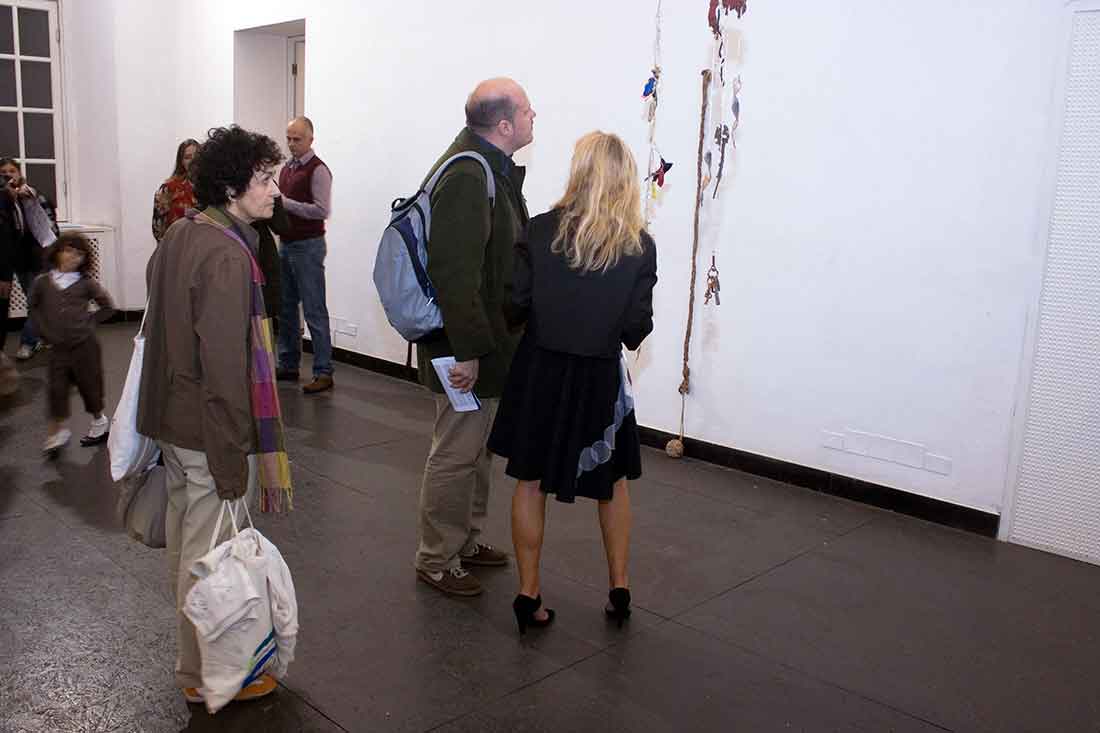

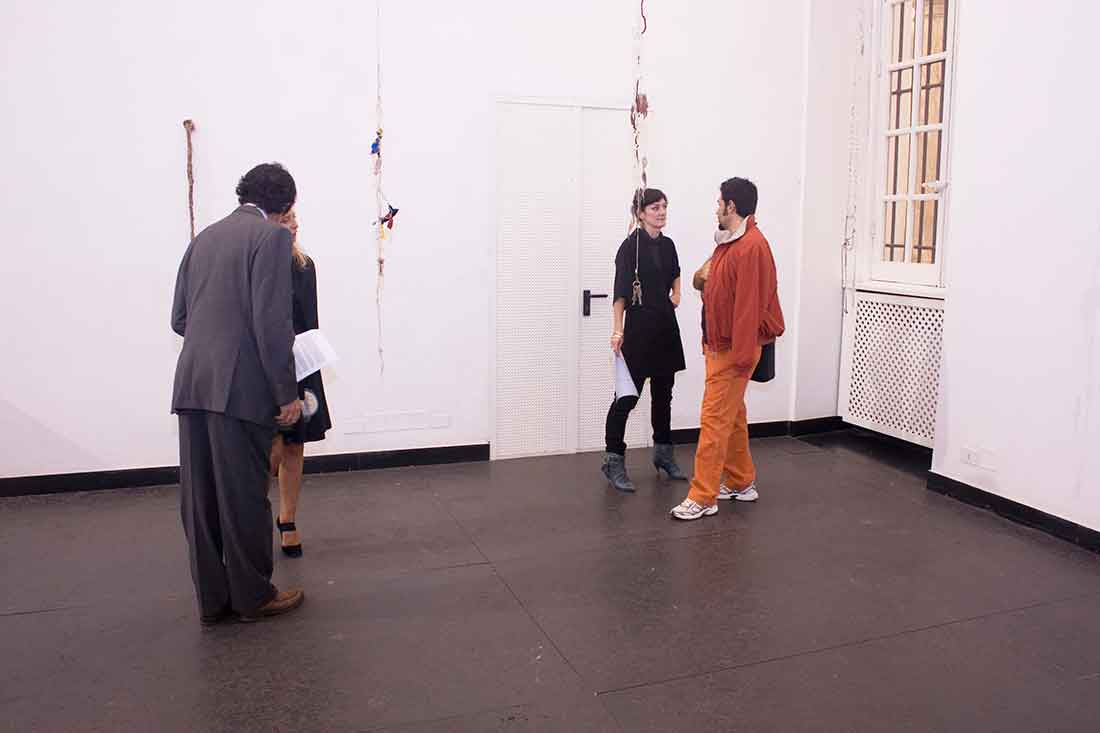


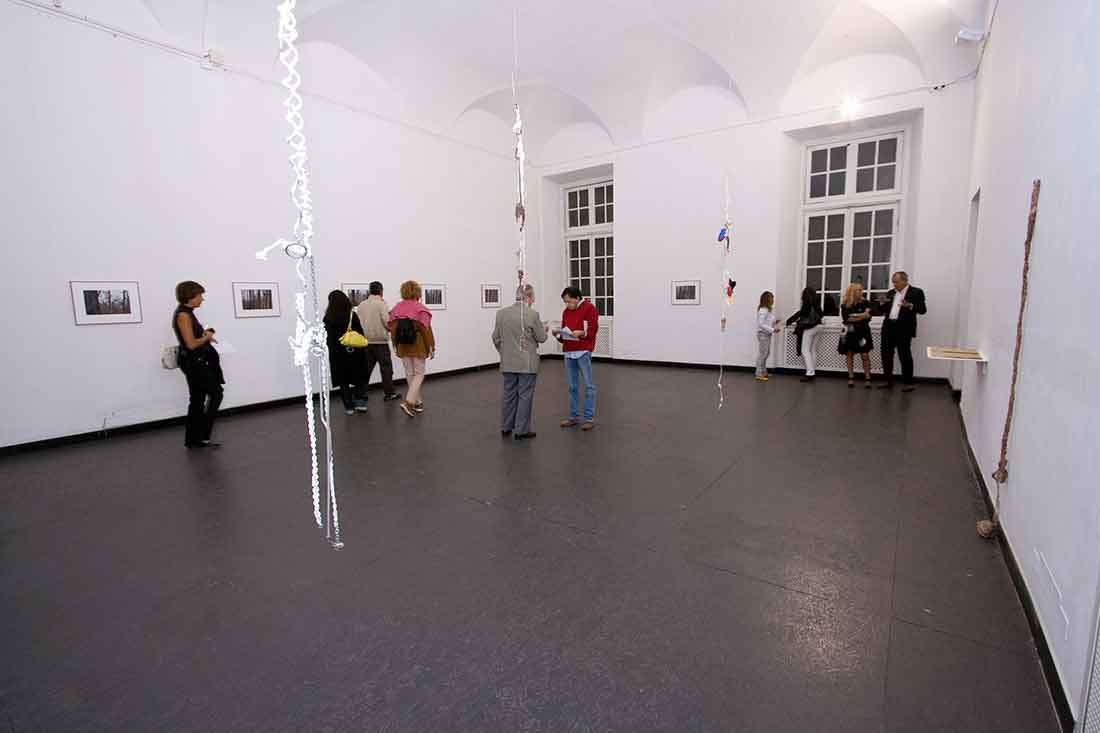

Foto inaugurazione © Francesco Cardarelli
17 Novembre 2016
In
Immagini Mostre
SHADOW SHOULD NOT EXCEED – DAVID MALJKOVIC WITH JAN ST WERNER
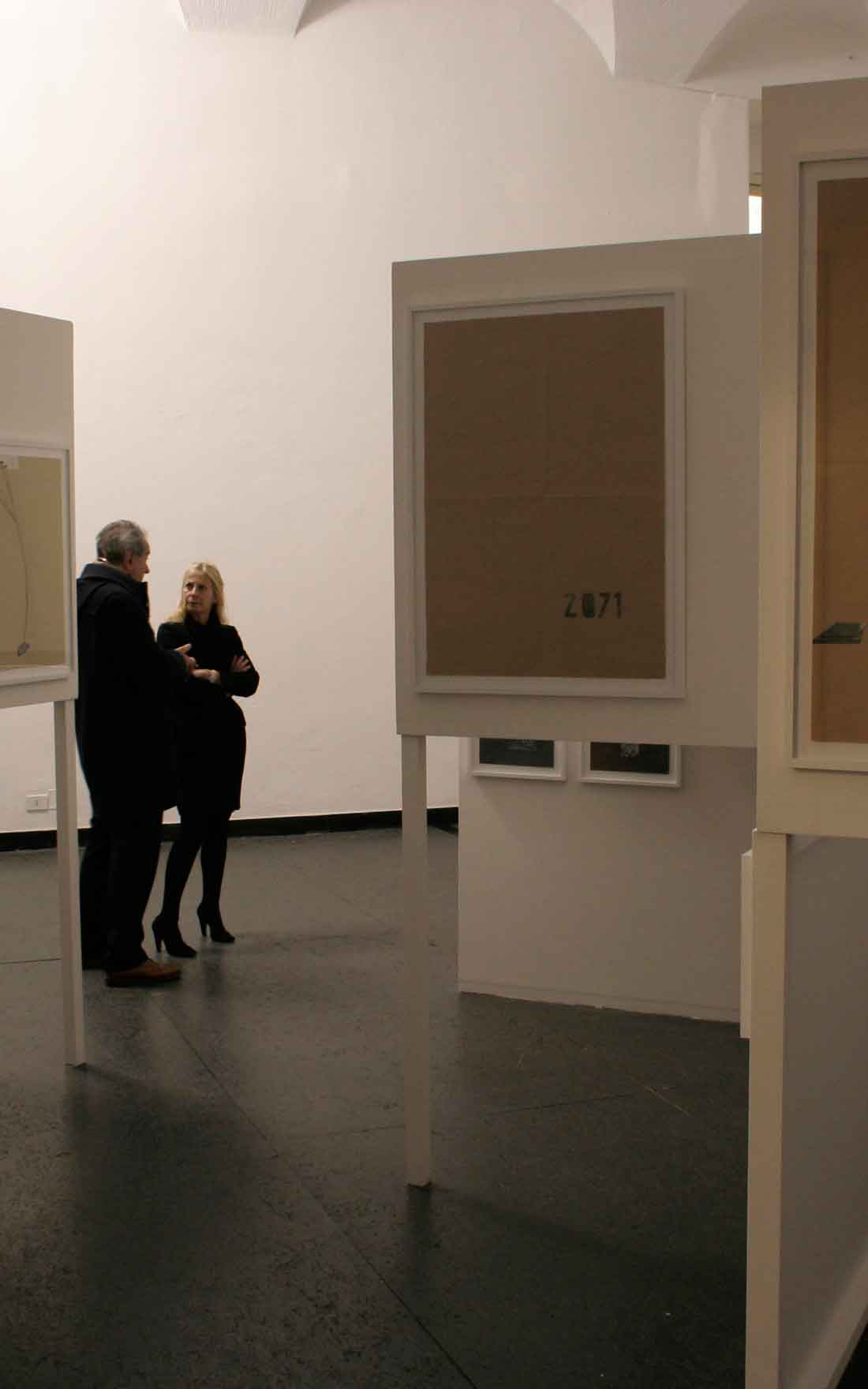
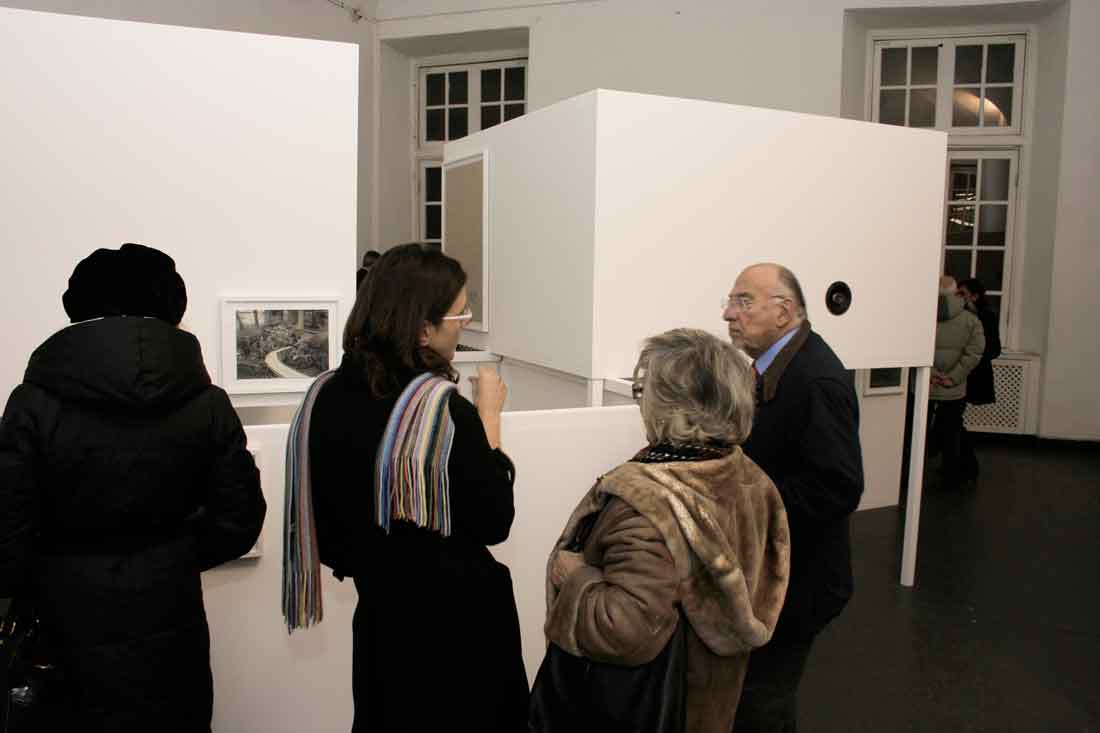


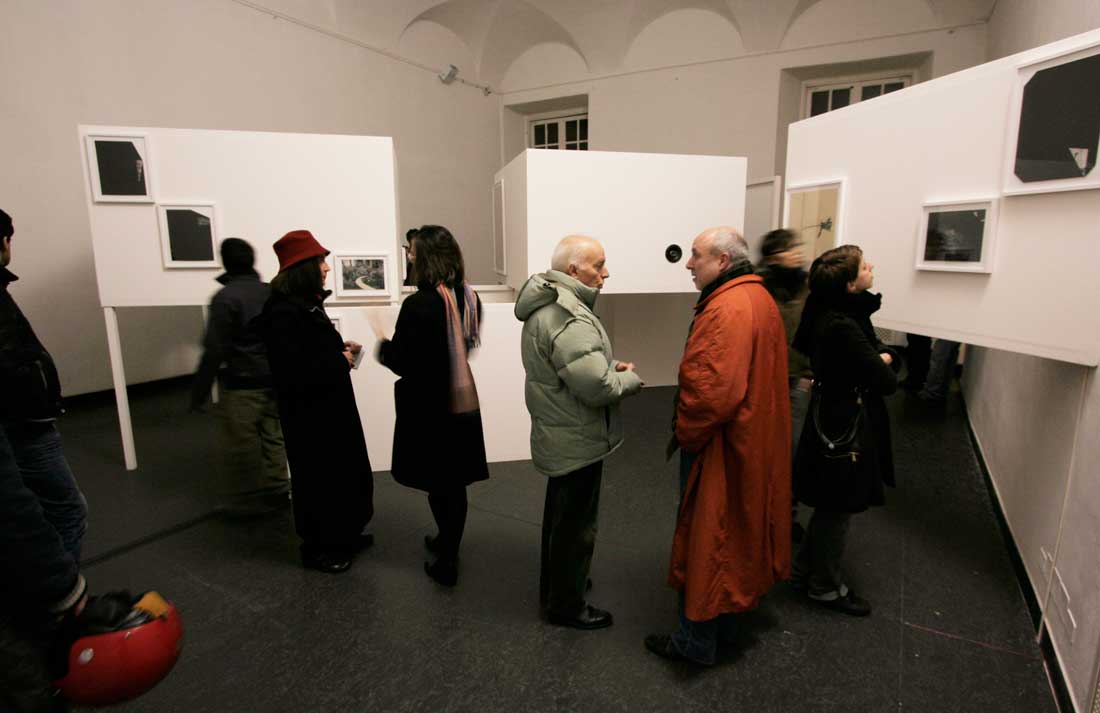


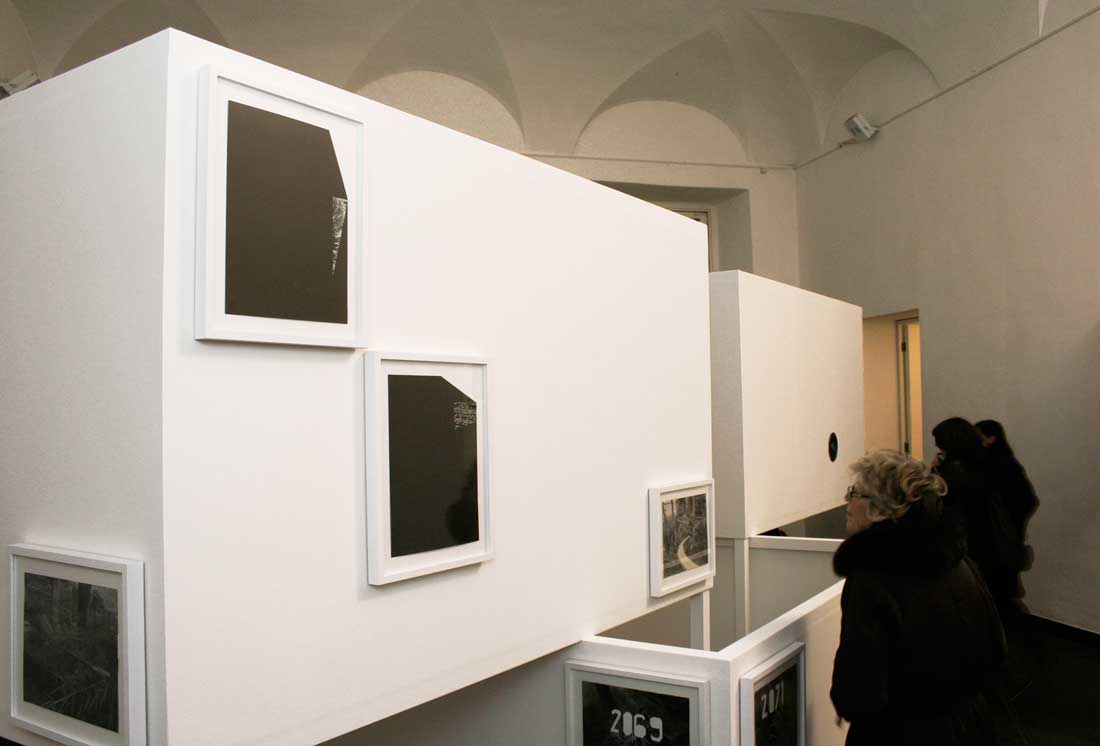

Foto inaugurazione © Francesco Cardarelli
17 Novembre 2016
In
Immagini Mostre
NIGHTINGALE: LOVE TWO TIMES – HENRIK HAKANSSON


Foto inaugurazione © Paolo Palmieri
17 Novembre 2016
In
Immagini Mostre
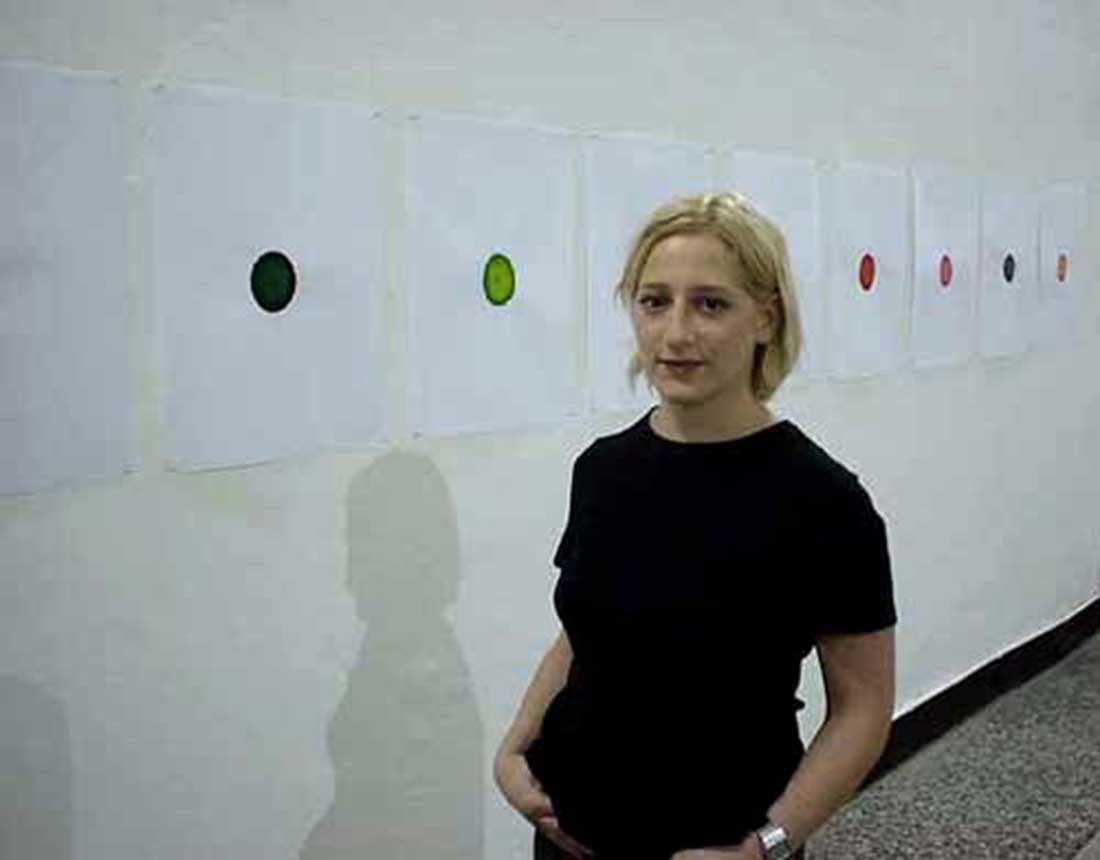
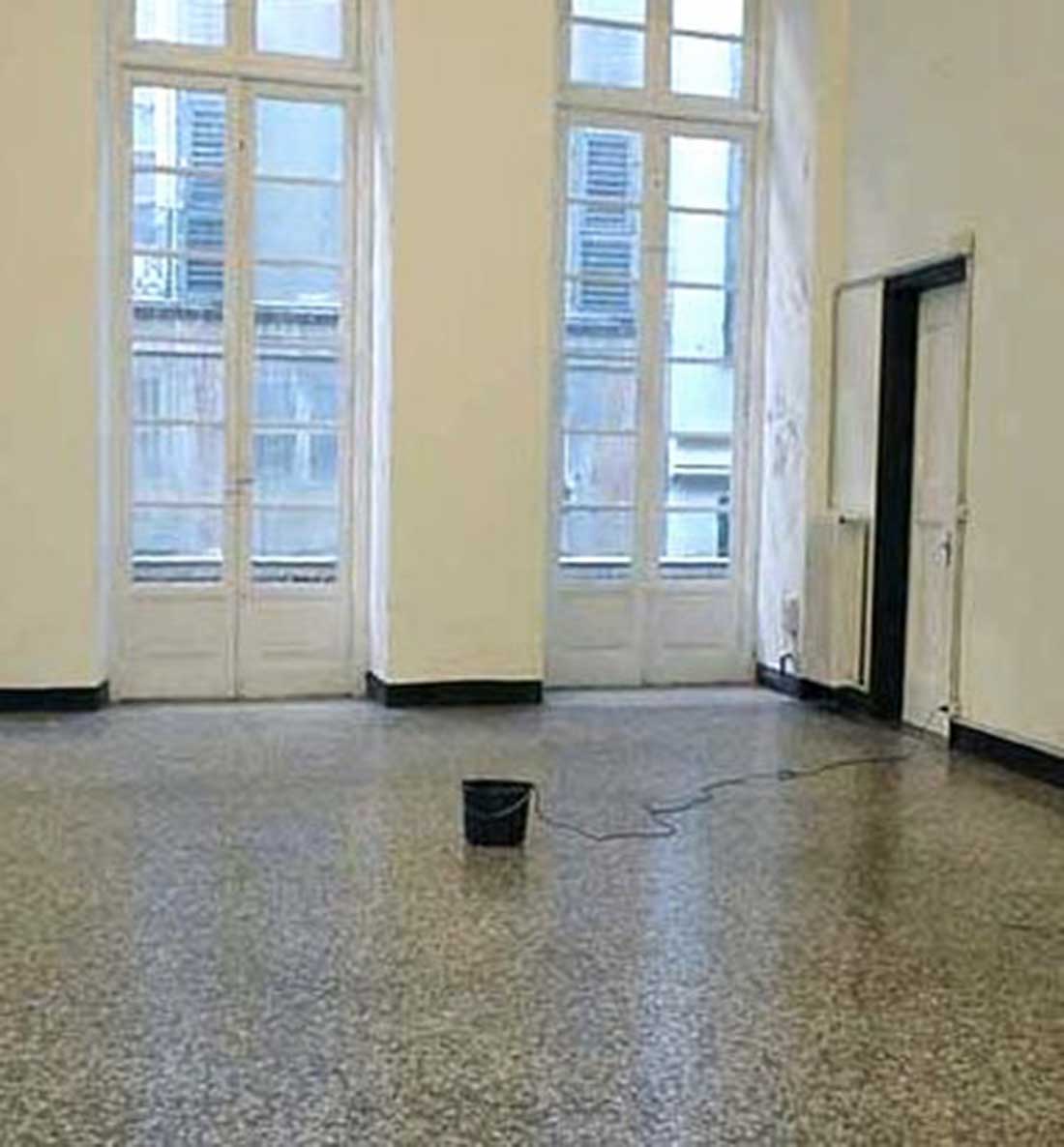
CHRISTIAN SCHMIDT RASMUSSEN – LADIES AND GENTLEMEN WE ARE FLOATING IN SPACE


Foto inaugurazione © Paolo Palmieri




17 Novembre 2016
In
Immagini Mostre
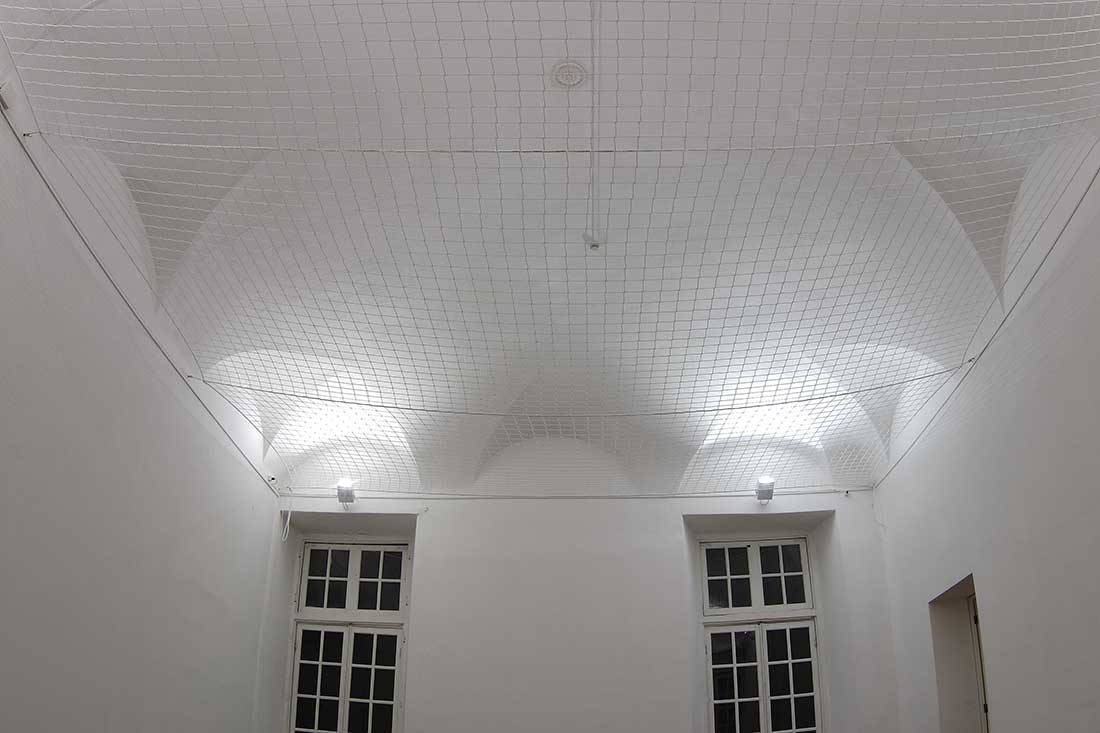
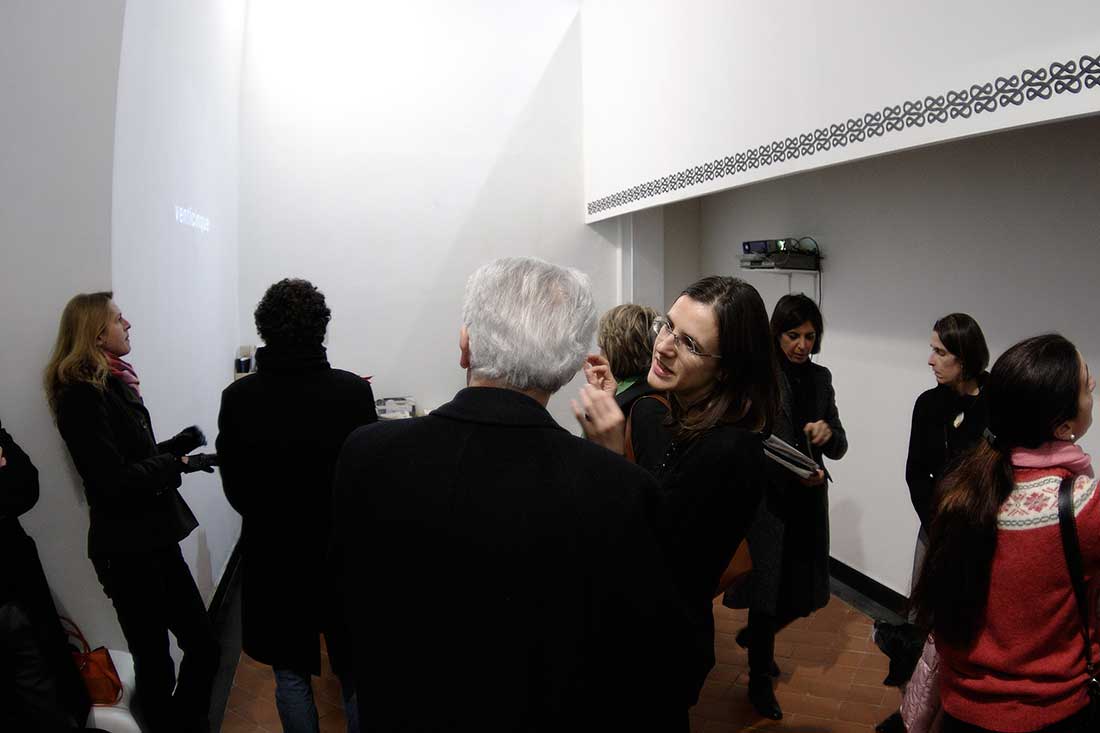
ZUFFI, ITALO – ITALO ZUFFI

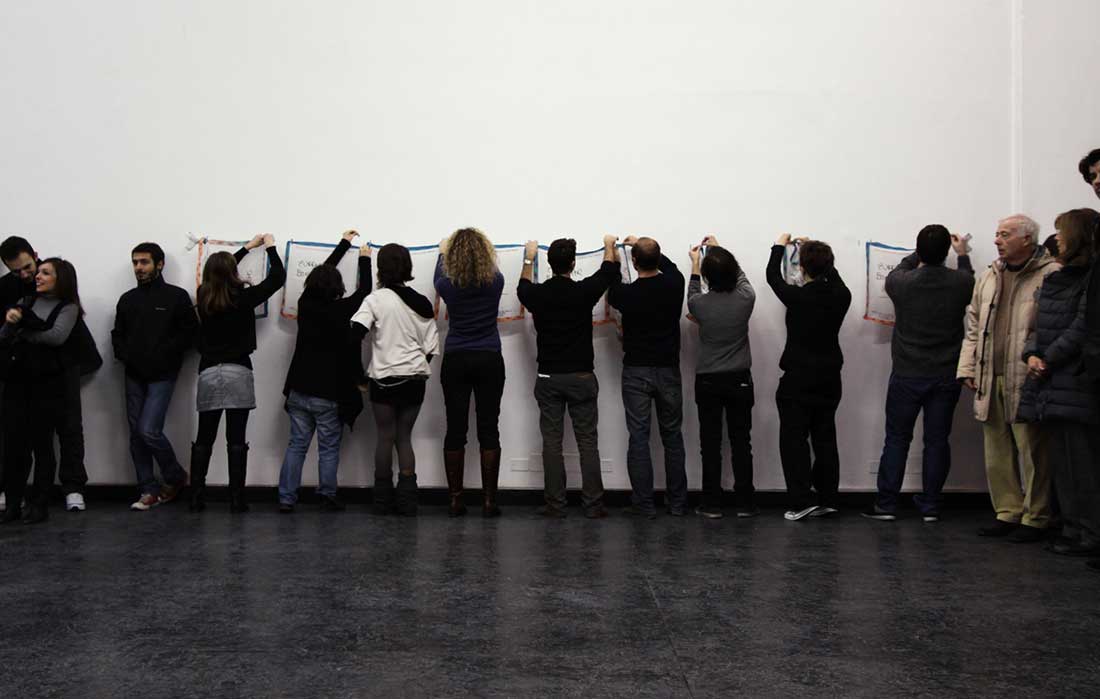
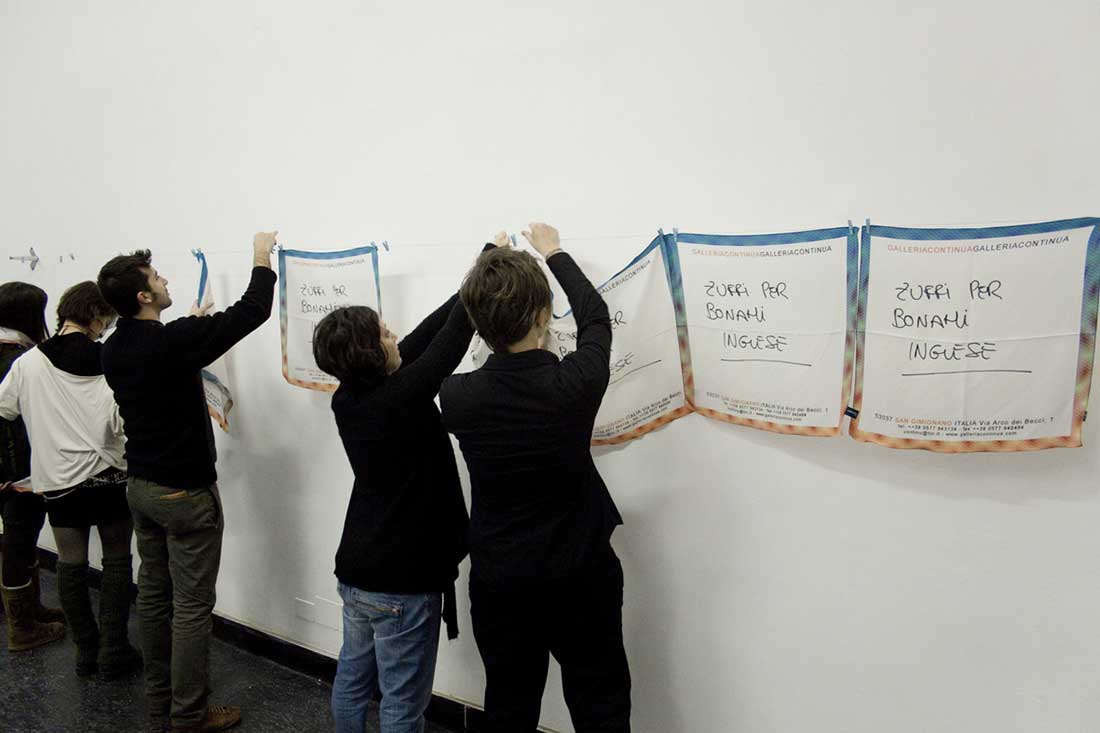
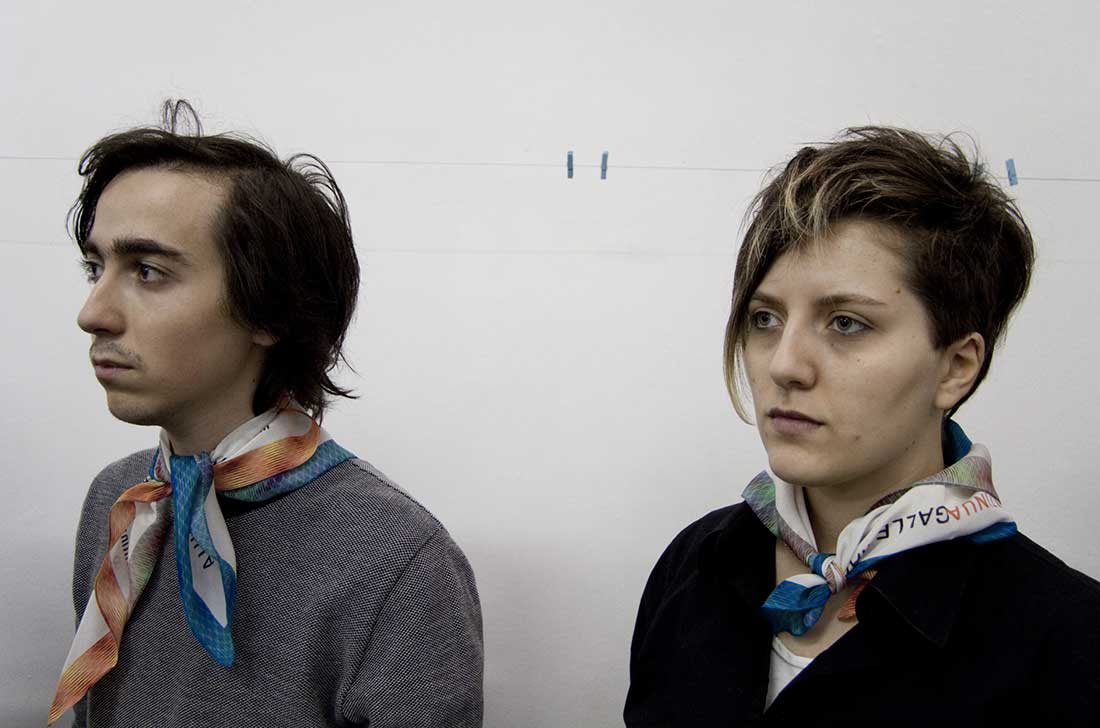
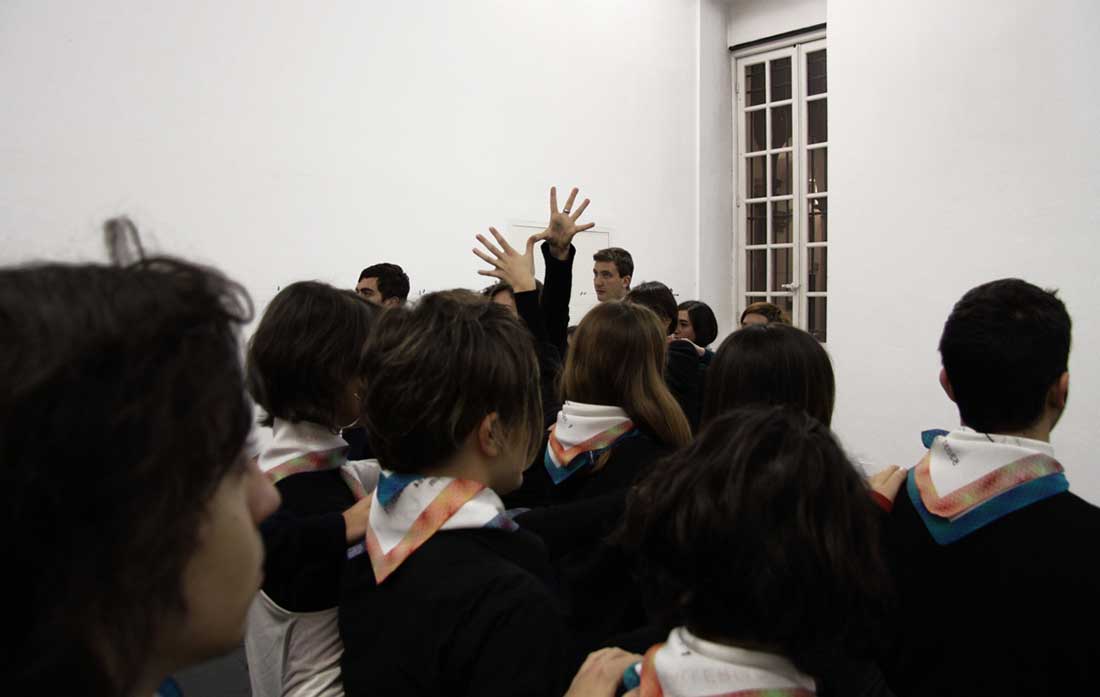
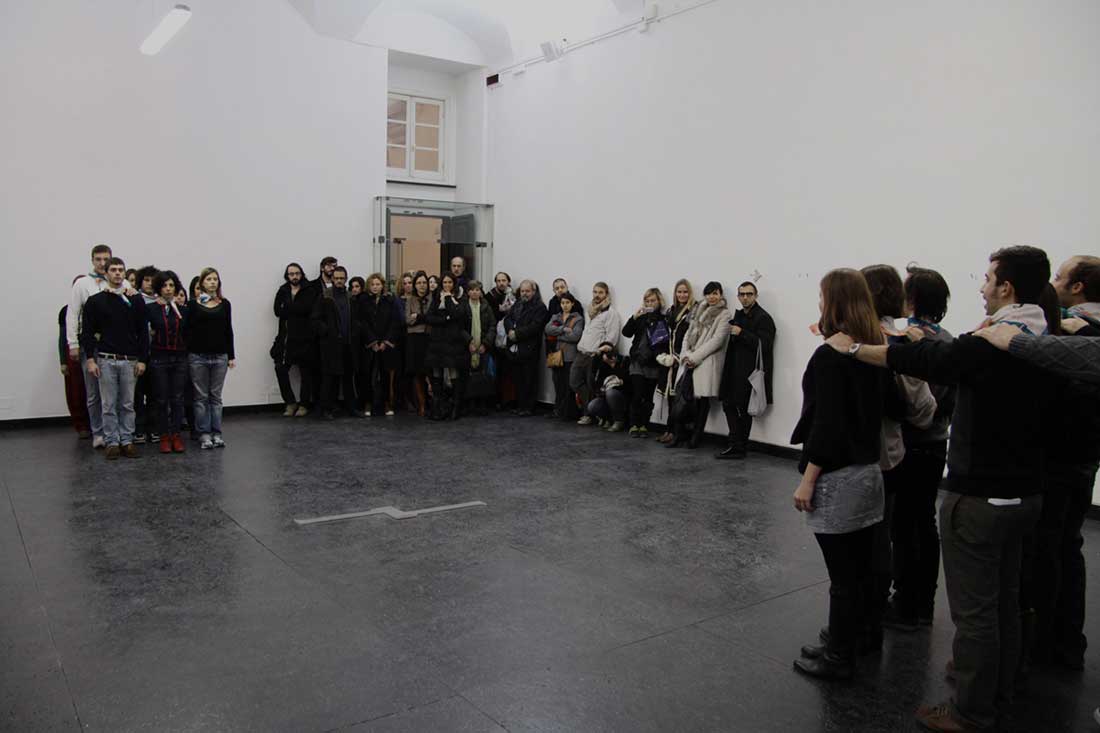
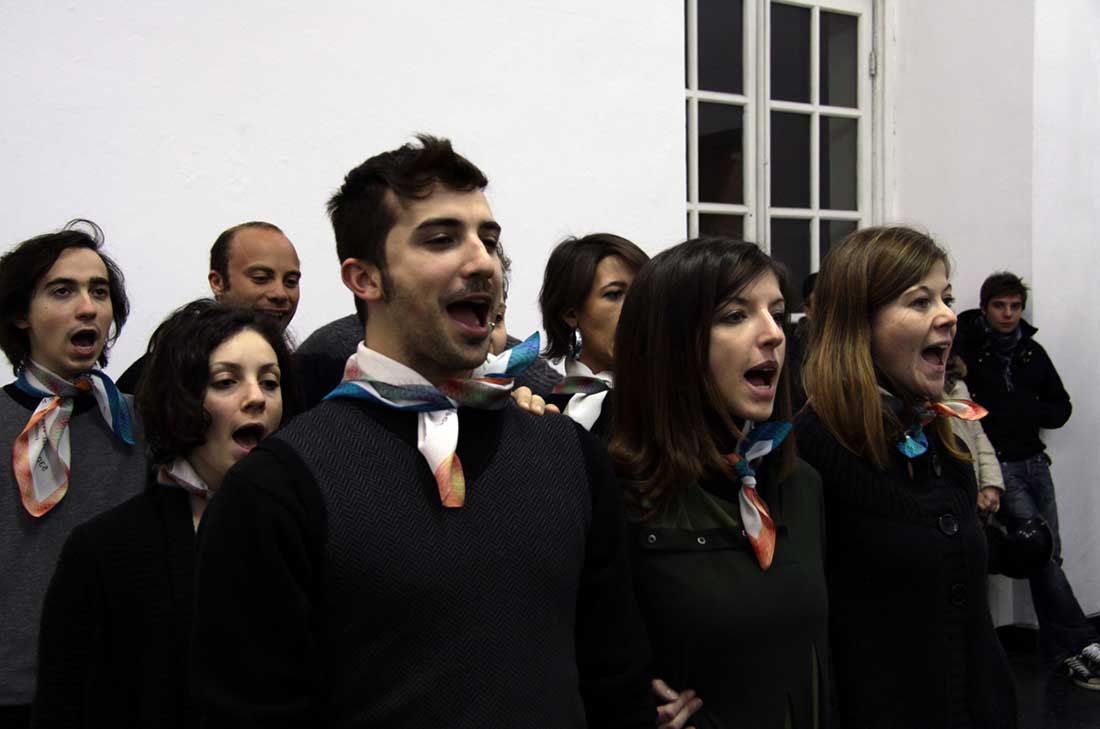
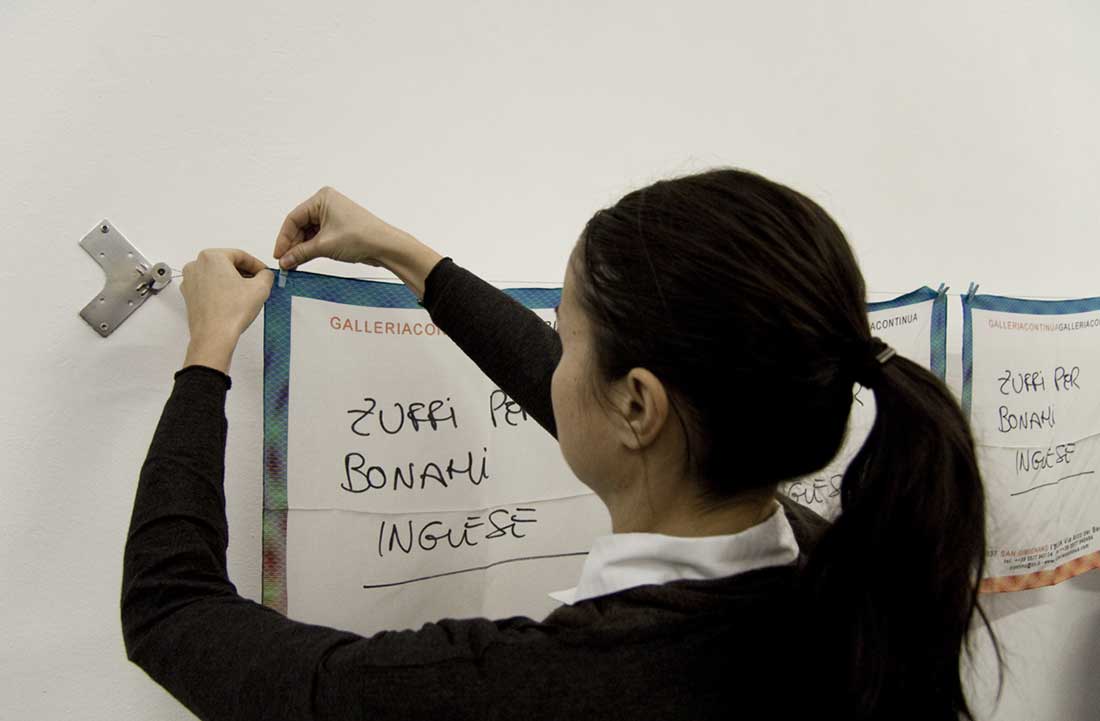

Foto inaugurazione © Francesco Cardarelli
16 Novembre 2016
In
Immagini Mostre
IL VOLO DEL GRIFO – LUCA VITONE
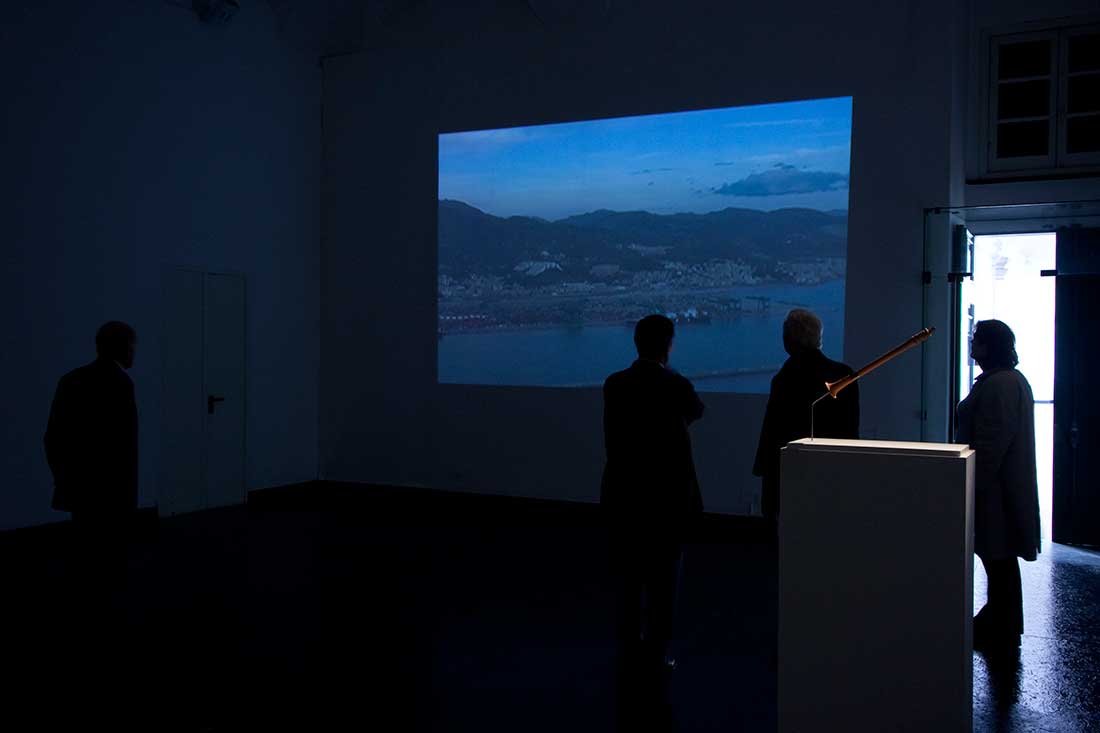
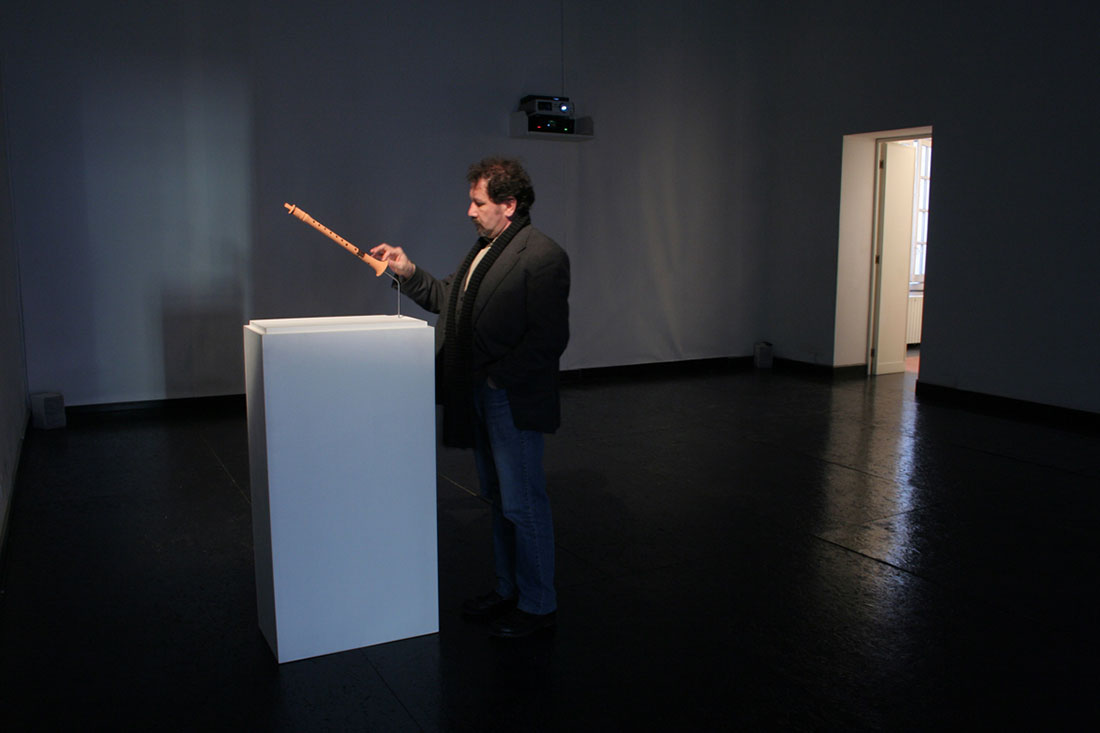
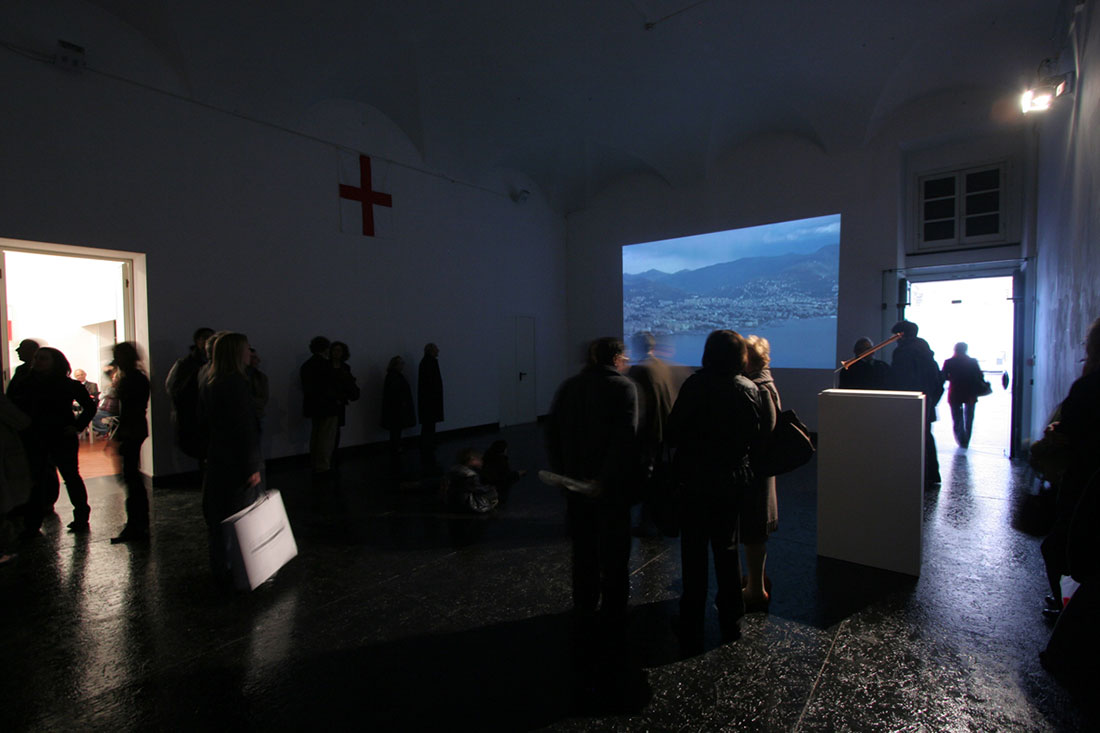
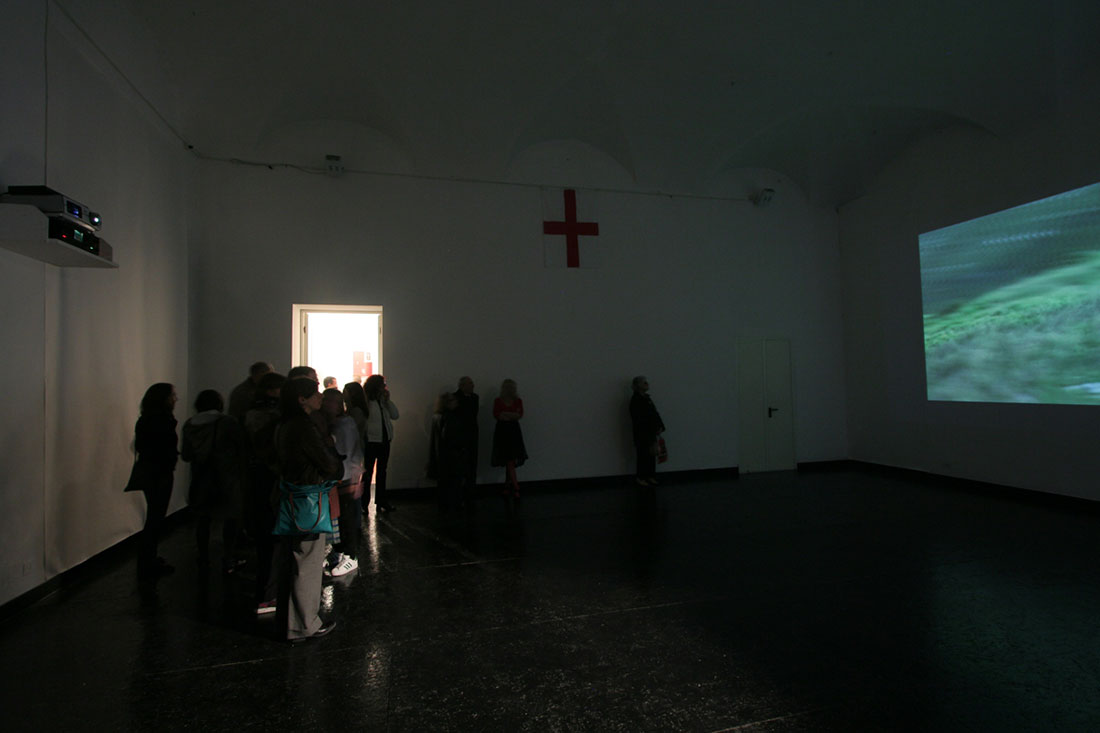
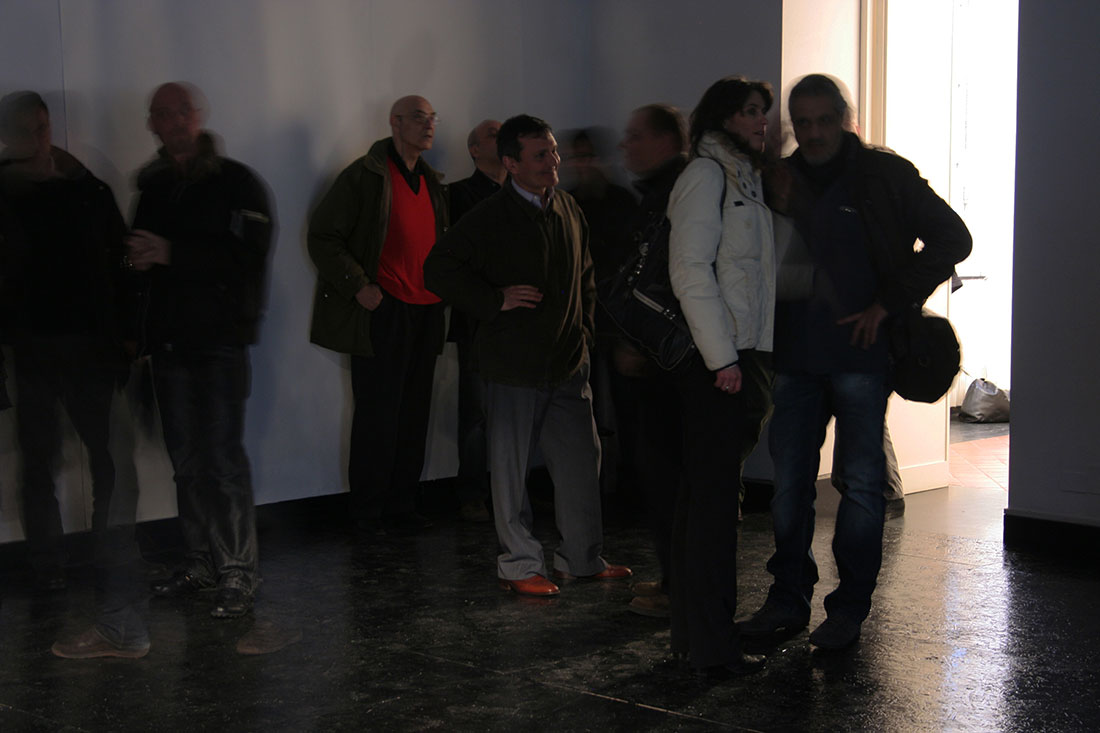
Foto inaugurazione © Francesco Cardarelli
16 Novembre 2016
In
Immagini Mostre
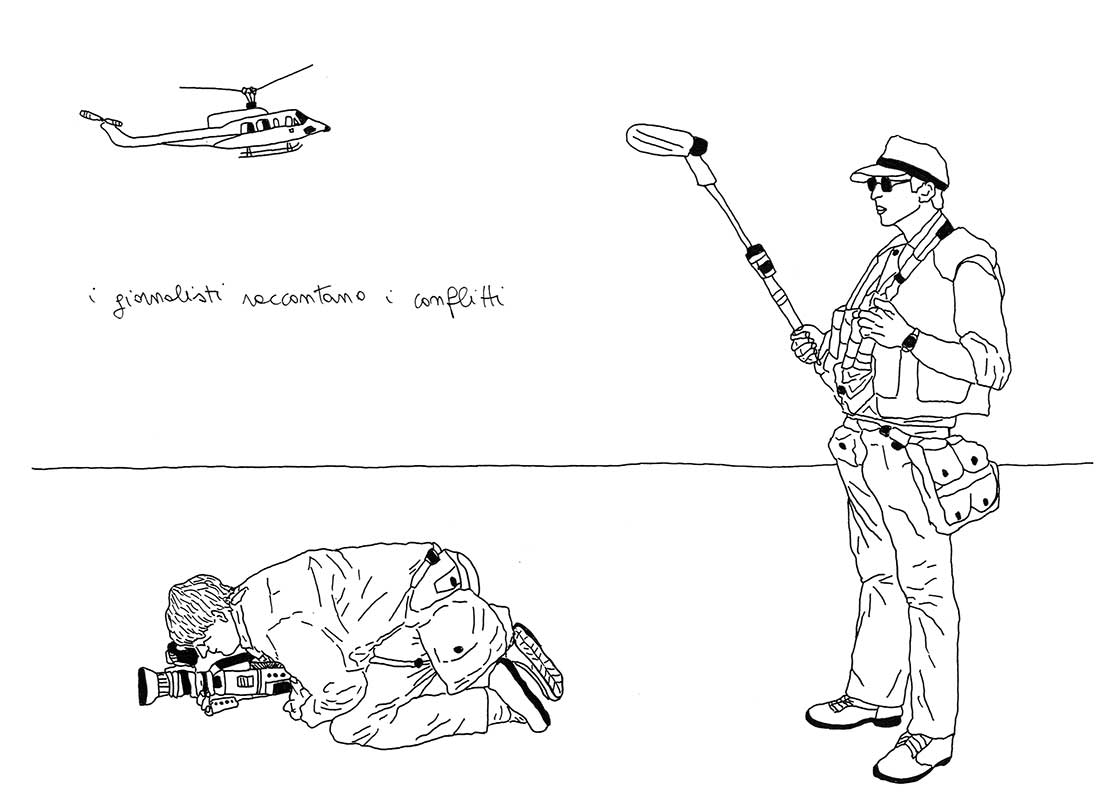
PER L’ ETERNITA’ – LUCA VITONE


Foto inaugurazione © Francesco Cardarelli




16 Novembre 2016
In
Immagini Mostre
INFINITA RICOMPOSIZIONE – CESARE VIEL

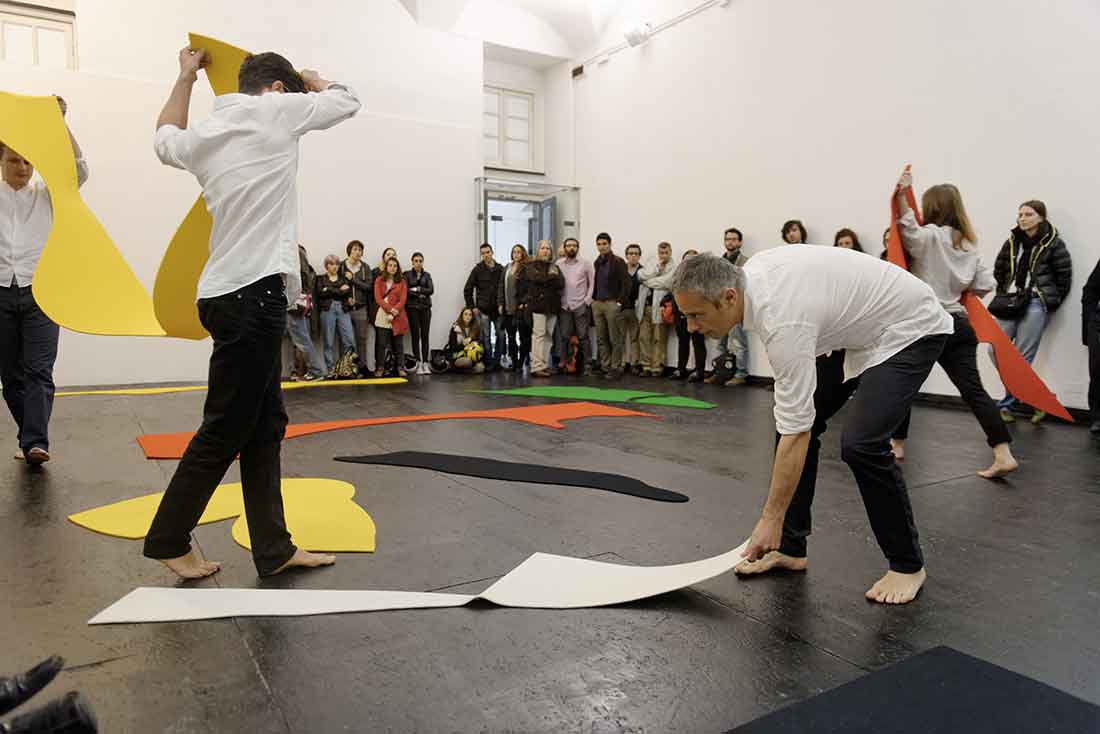
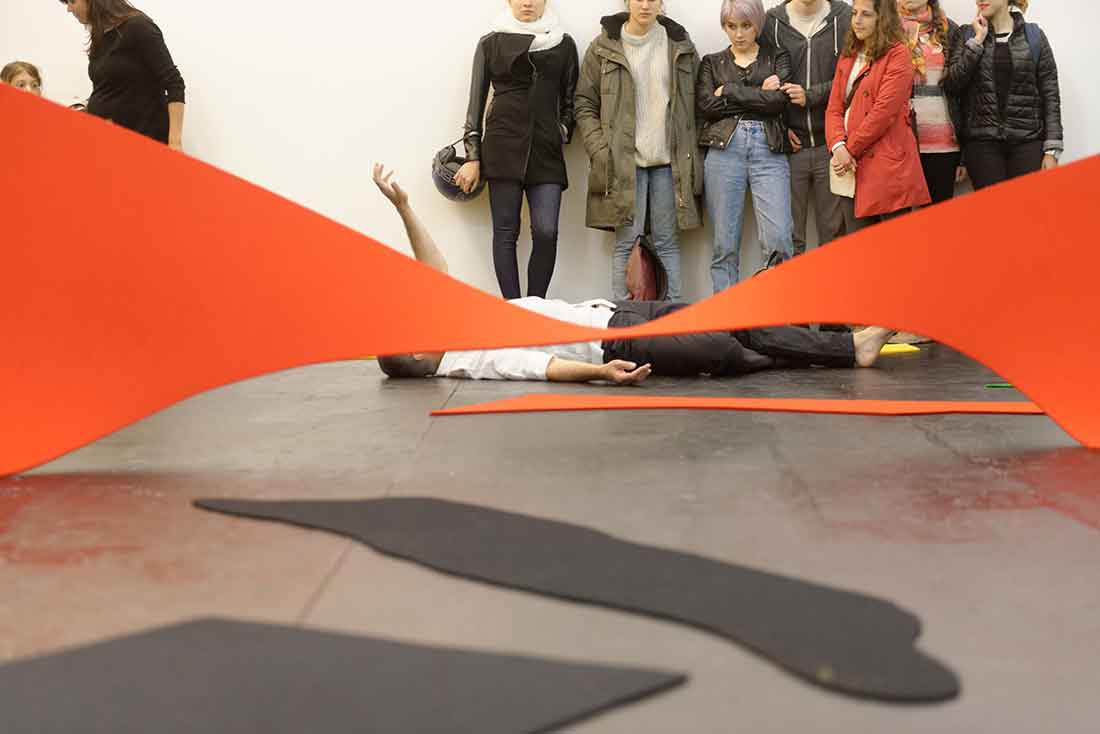

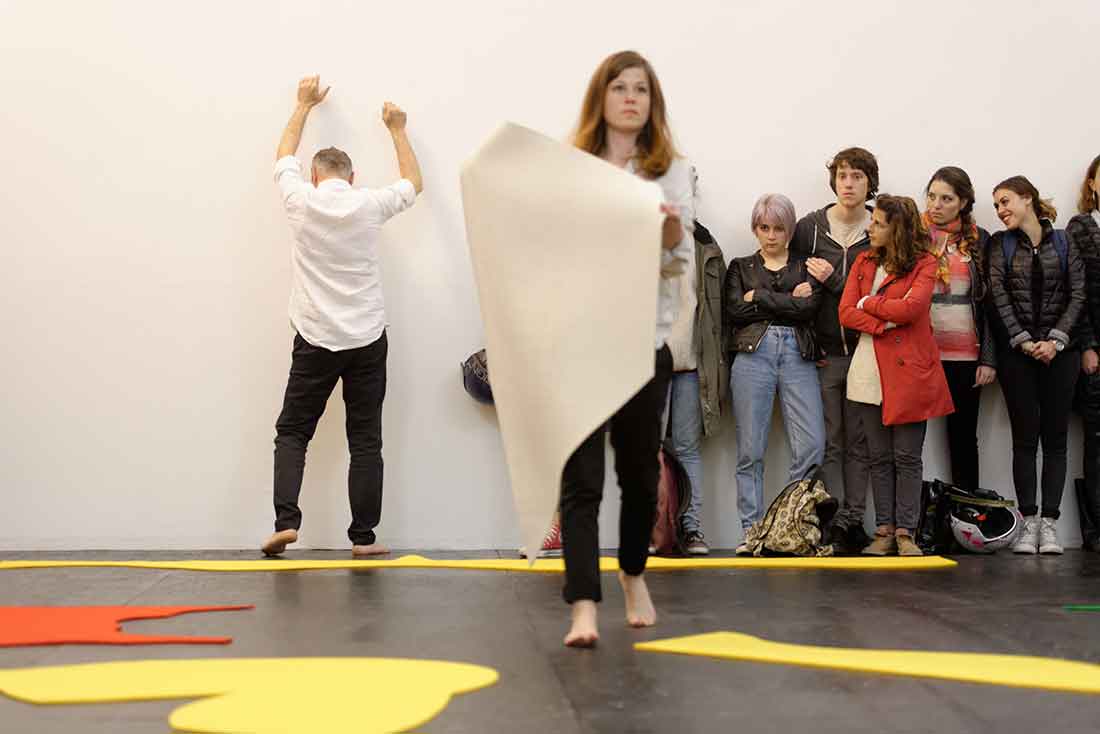
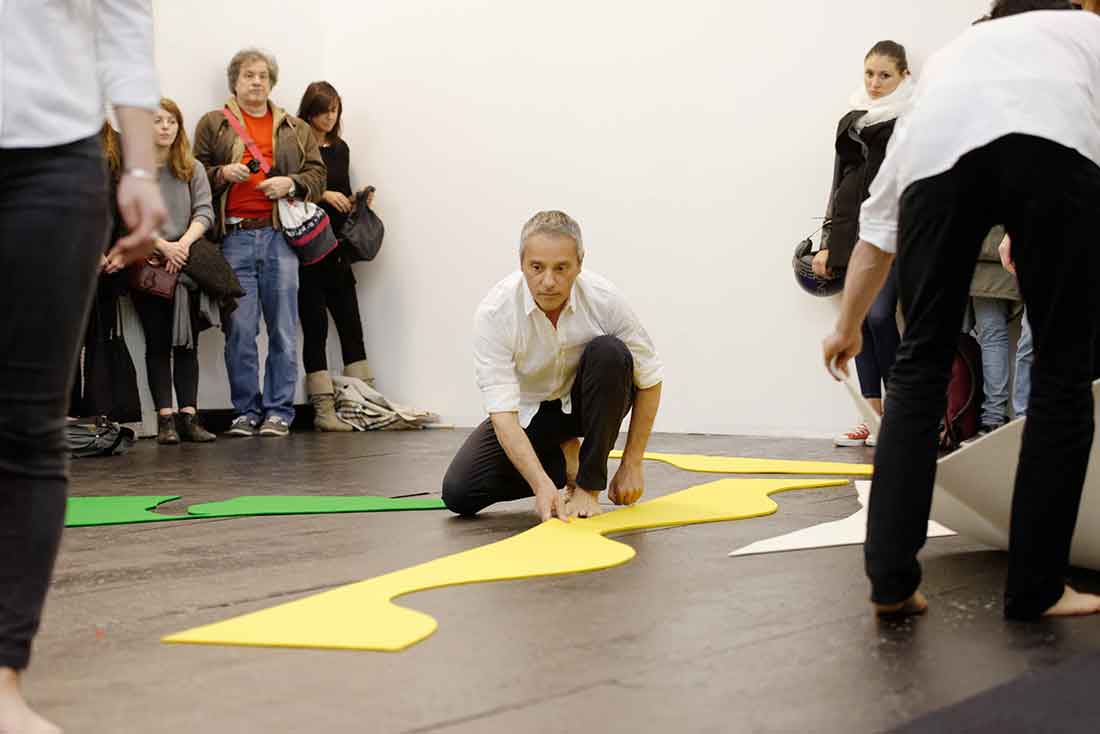

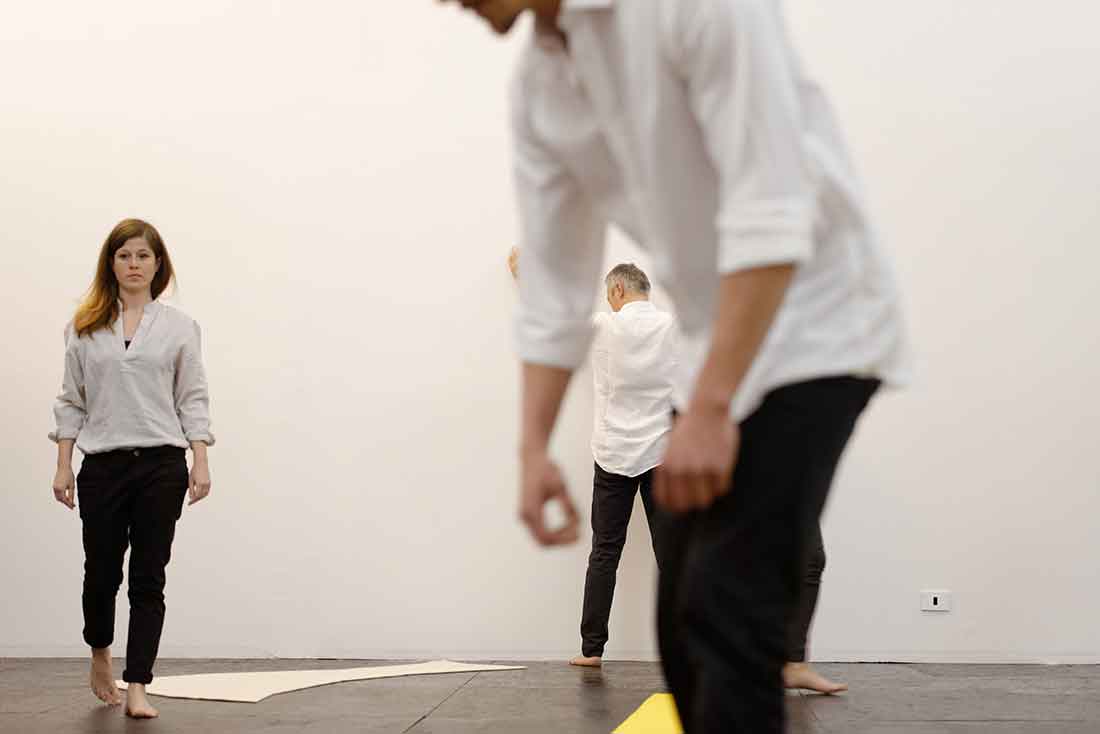

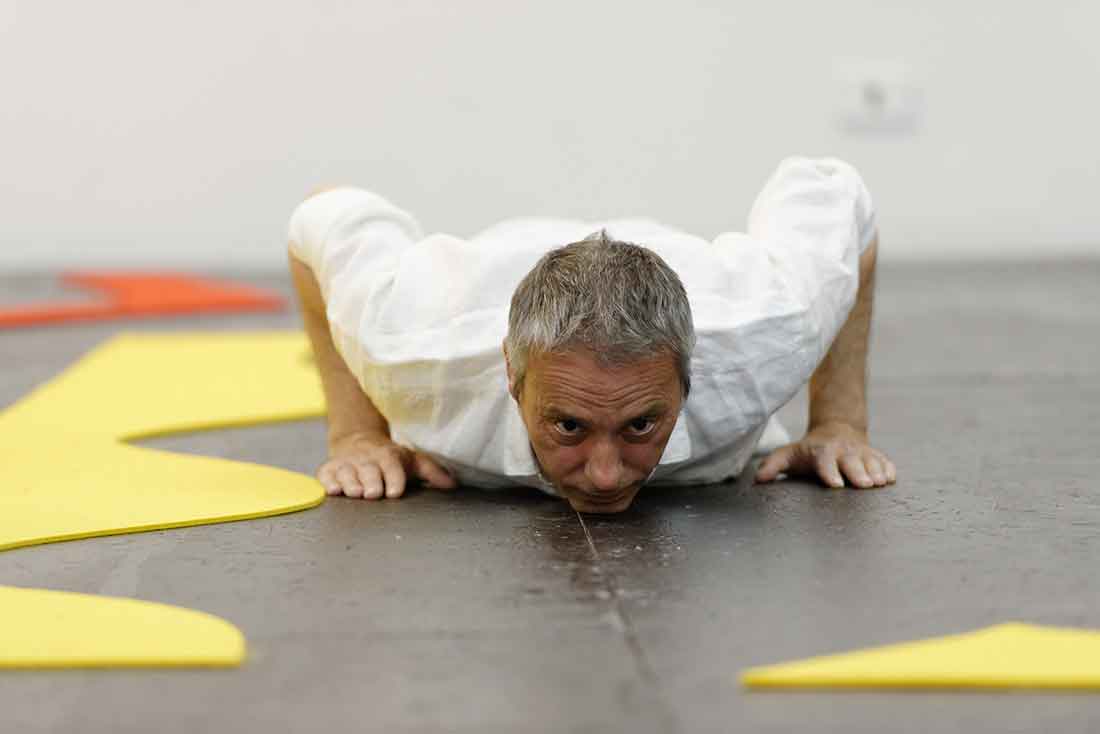
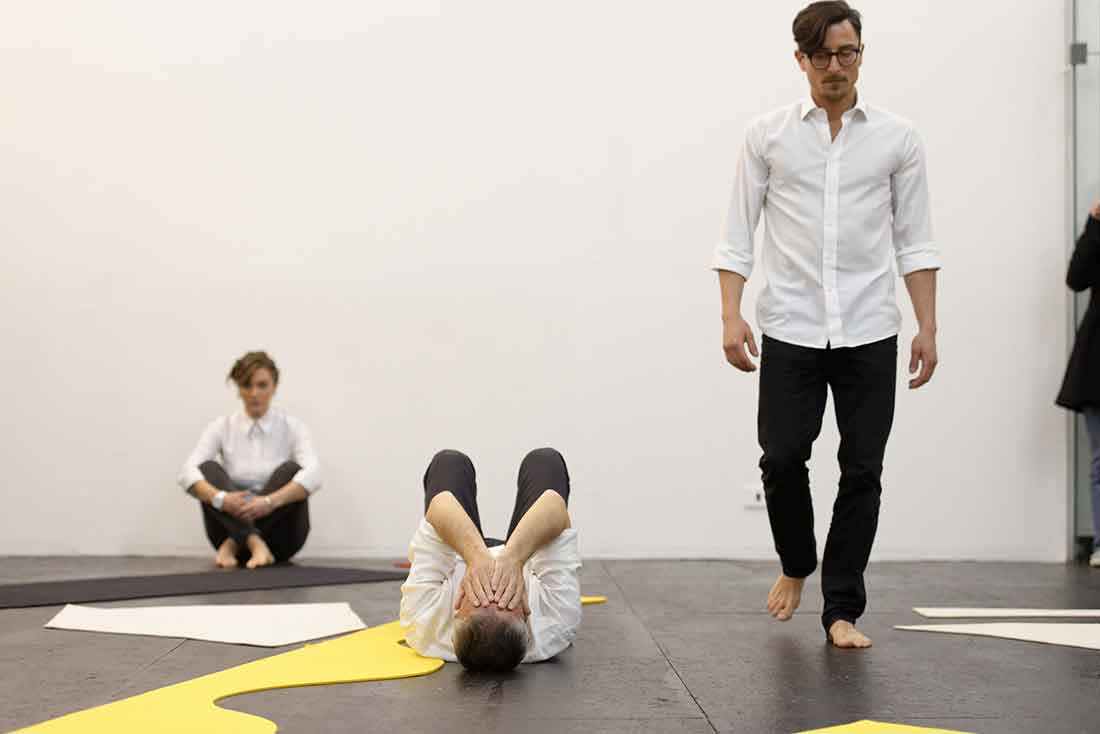


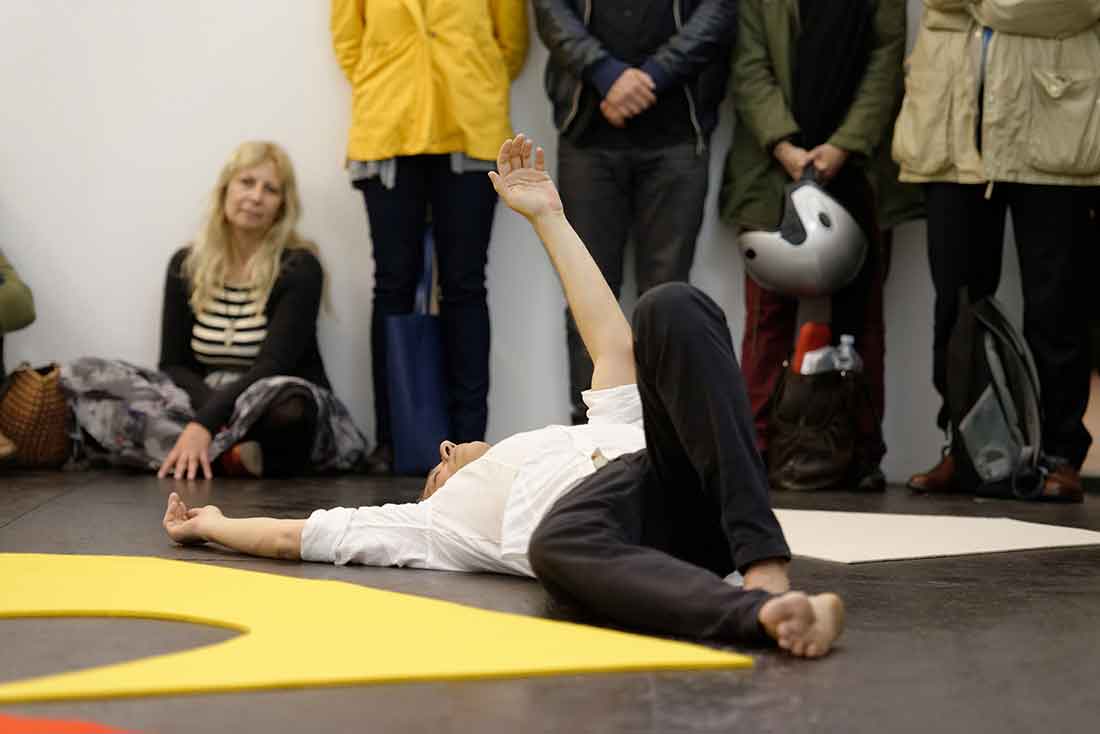

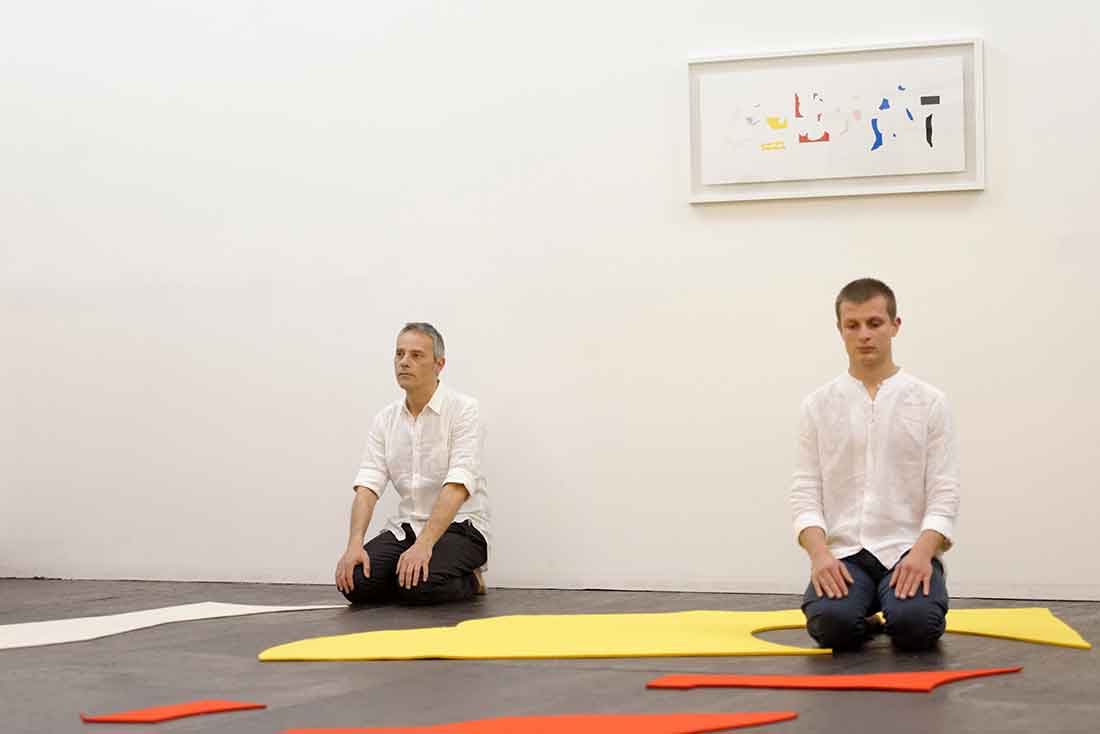
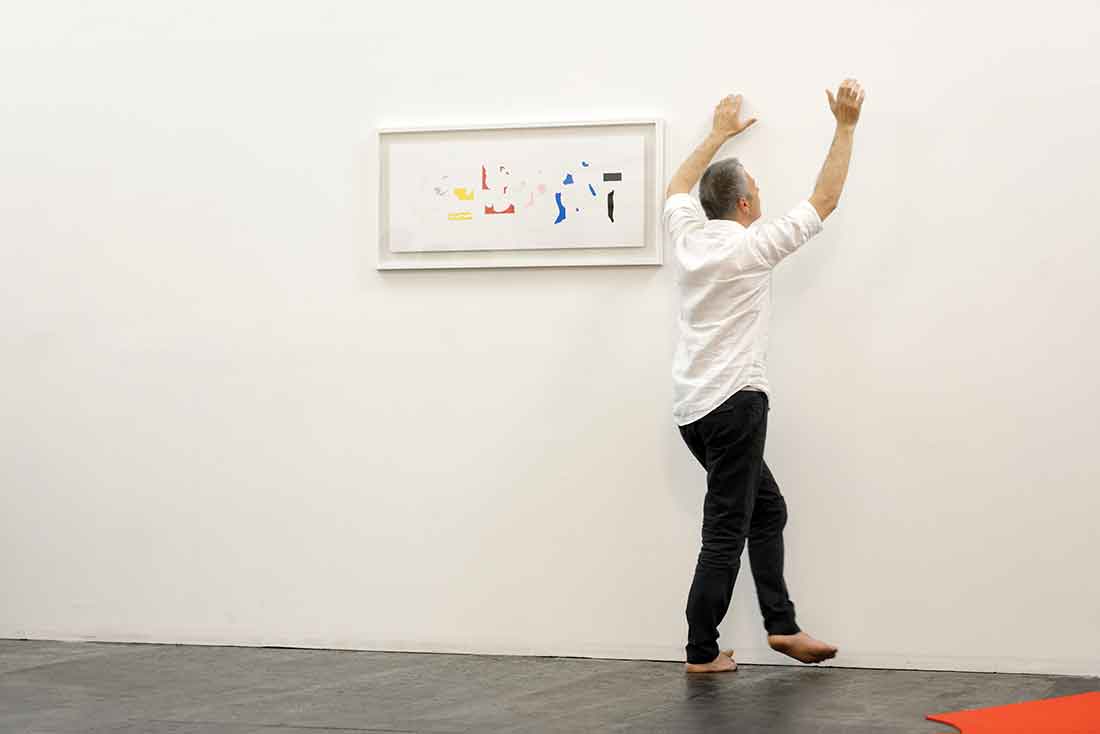
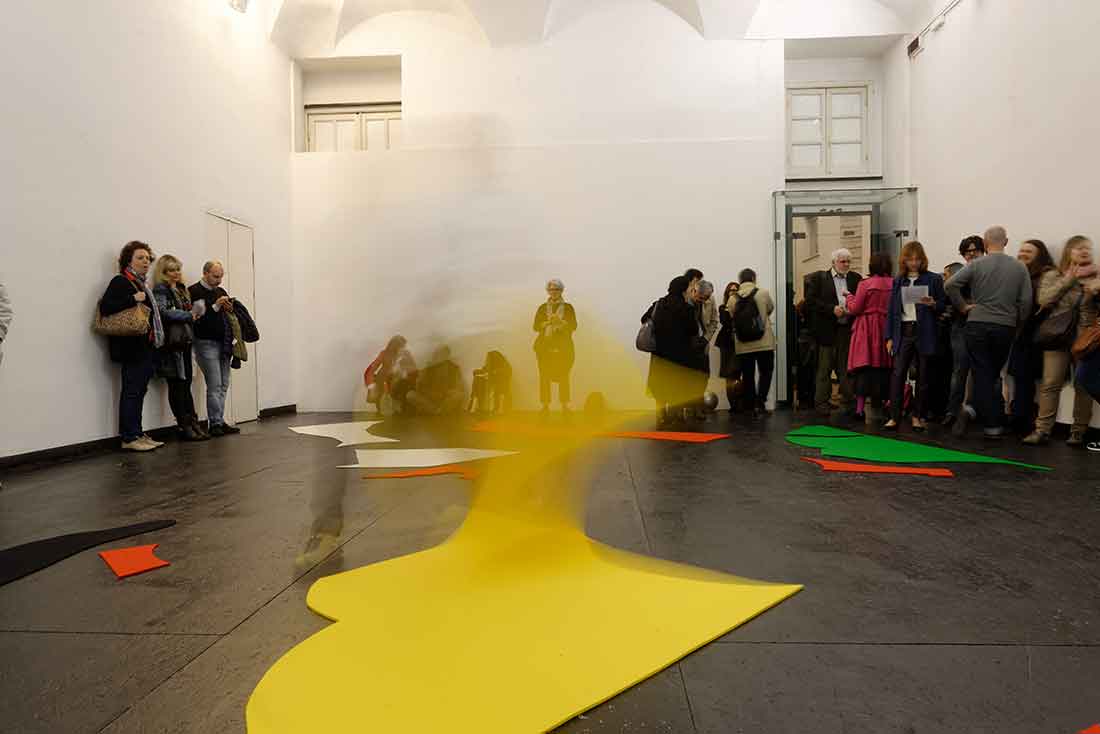


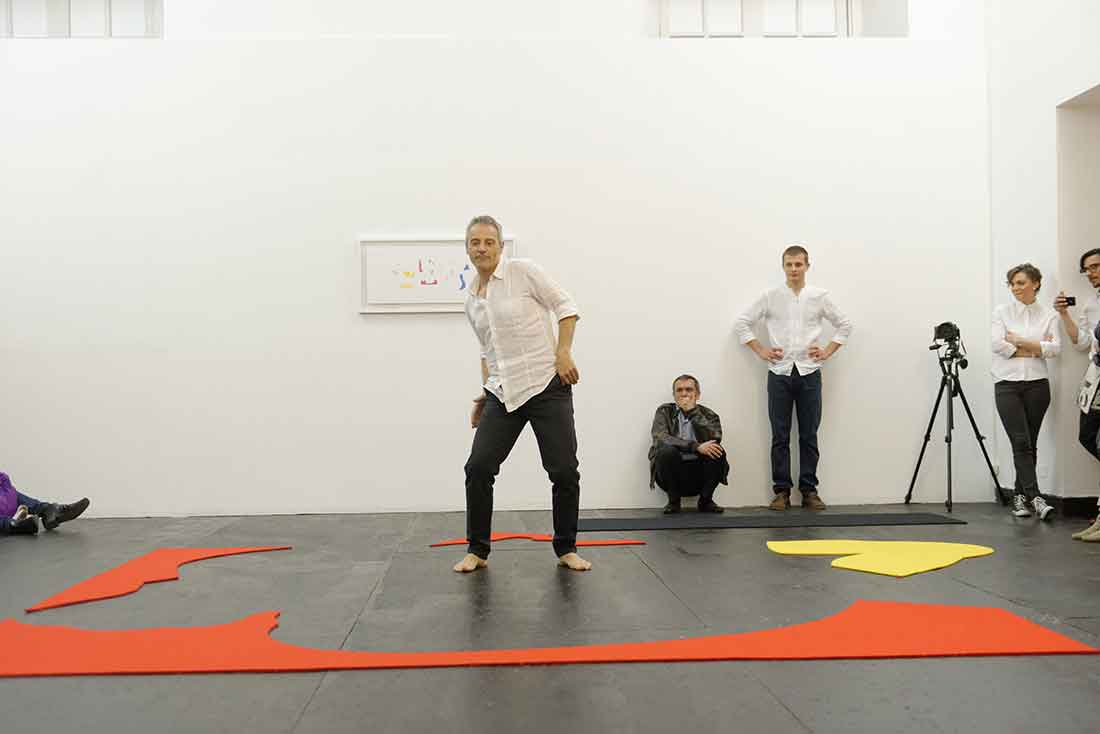


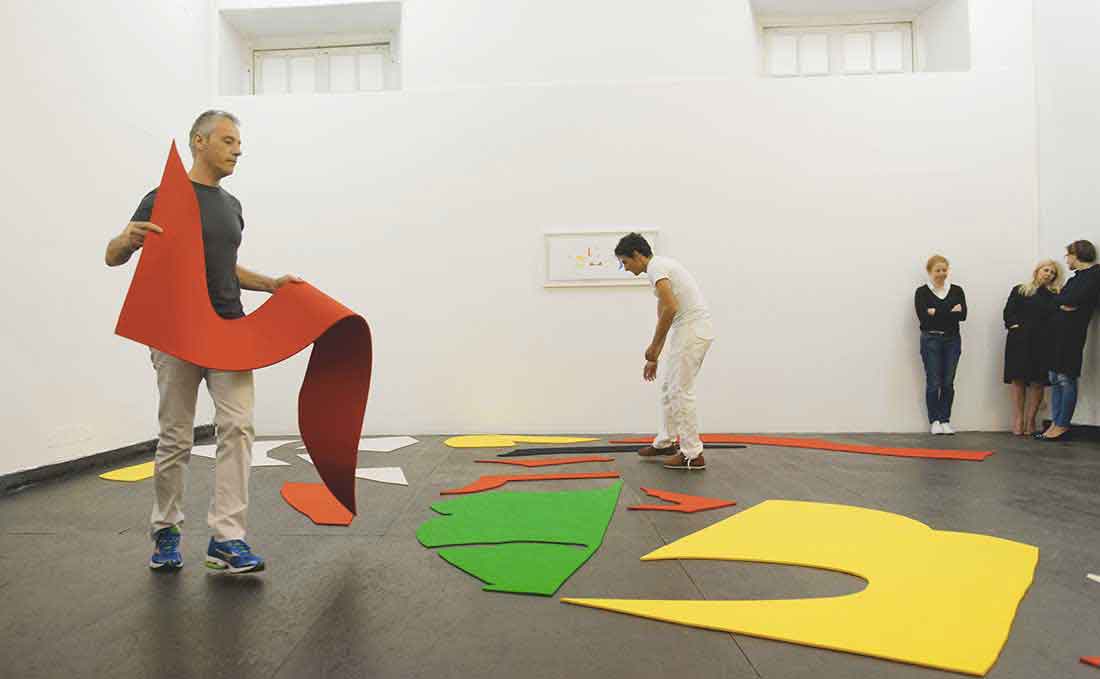
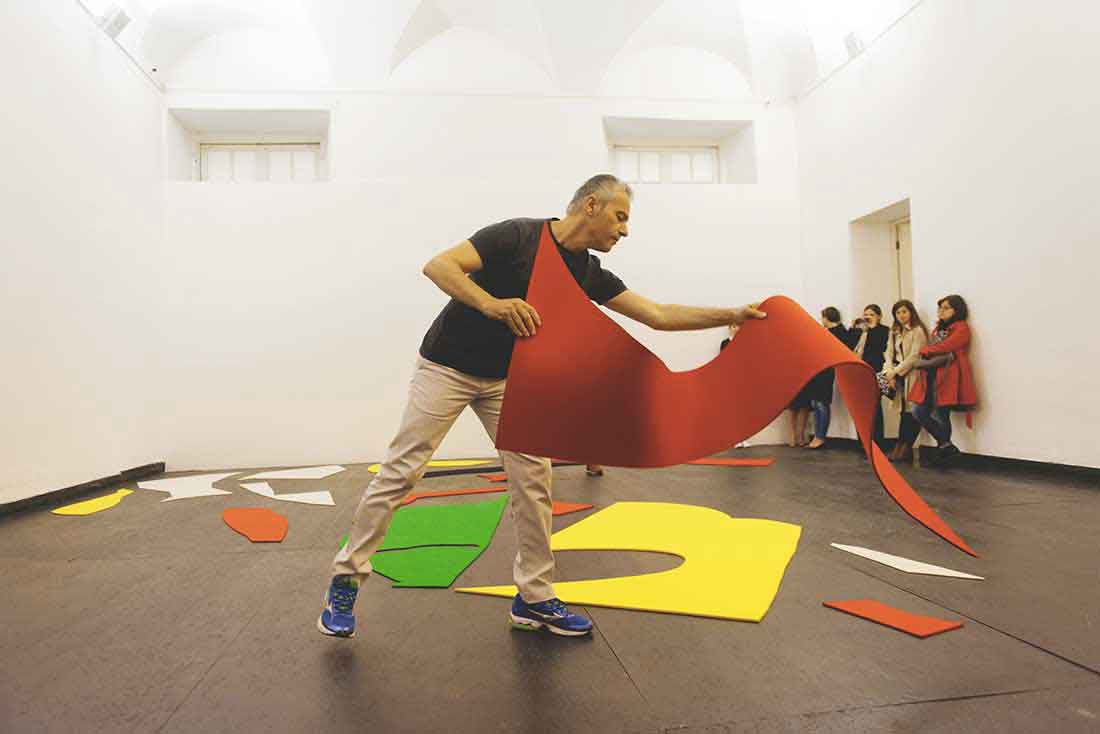

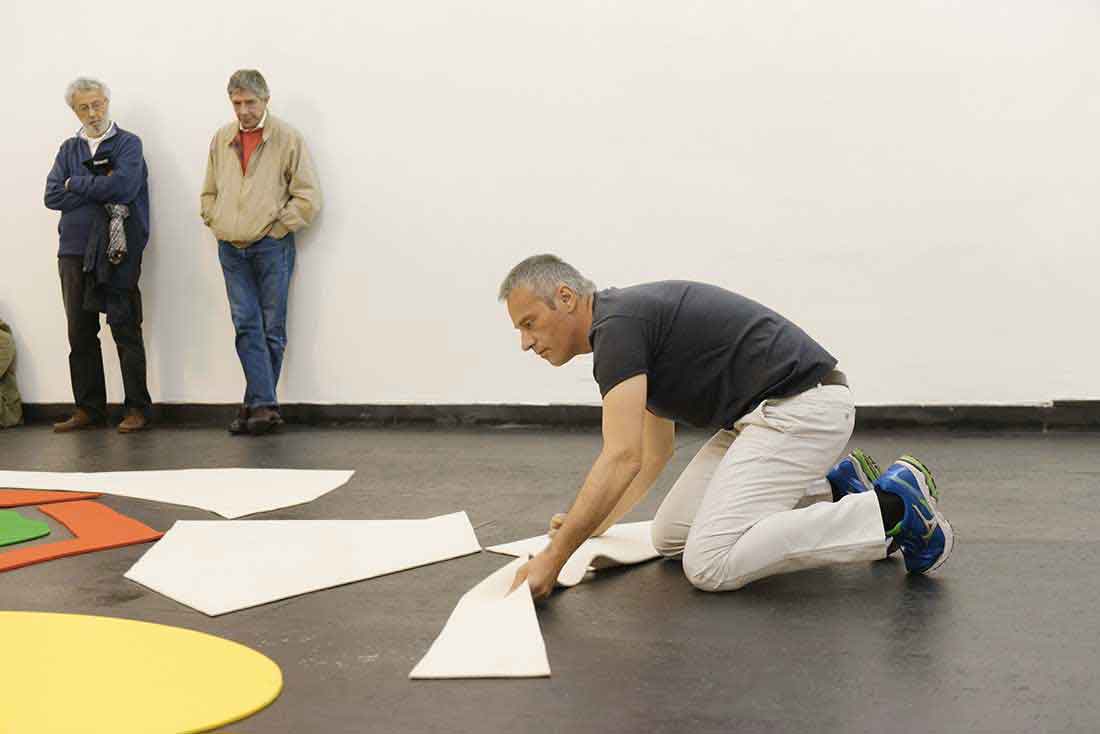
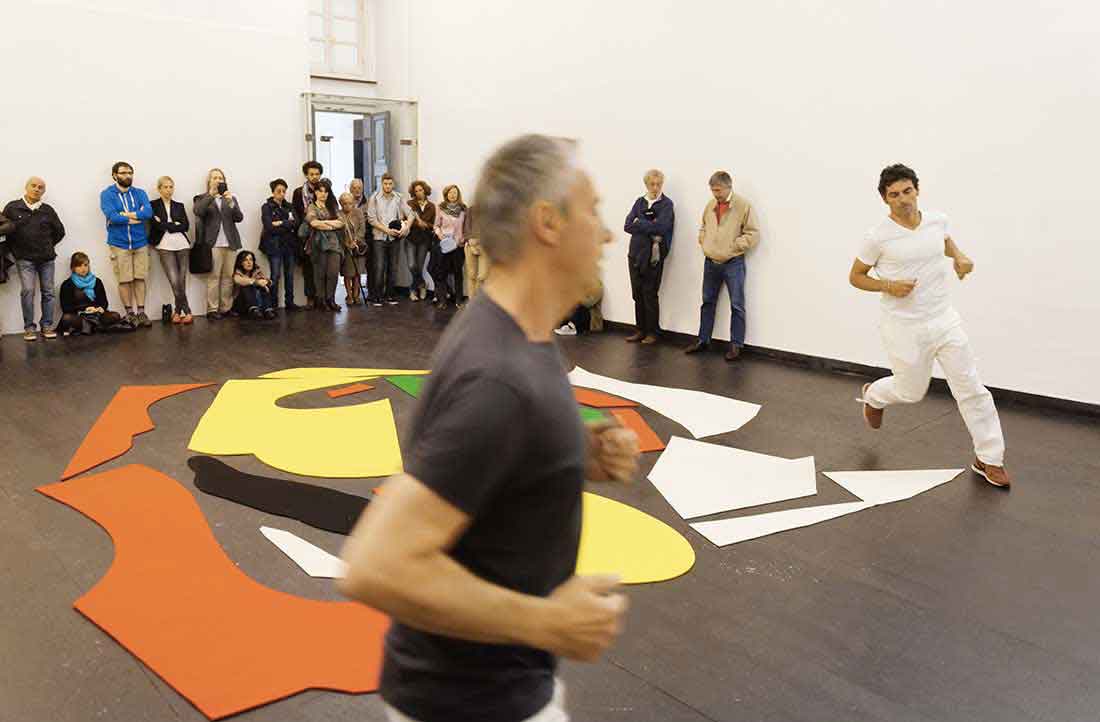

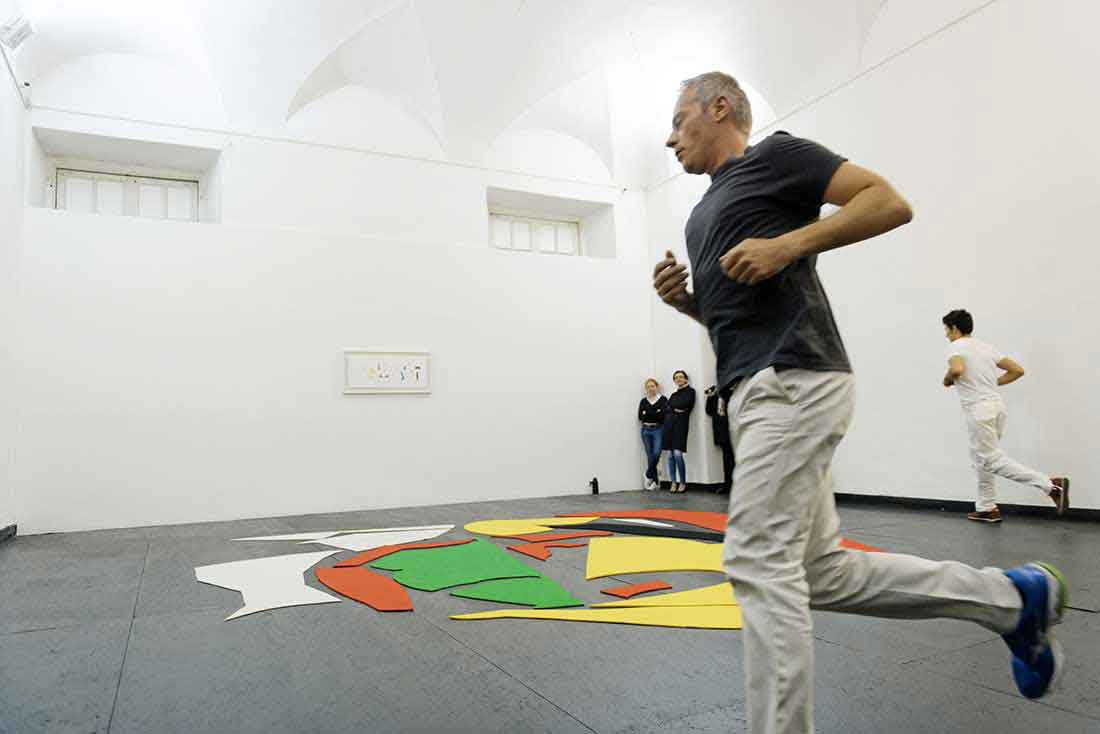
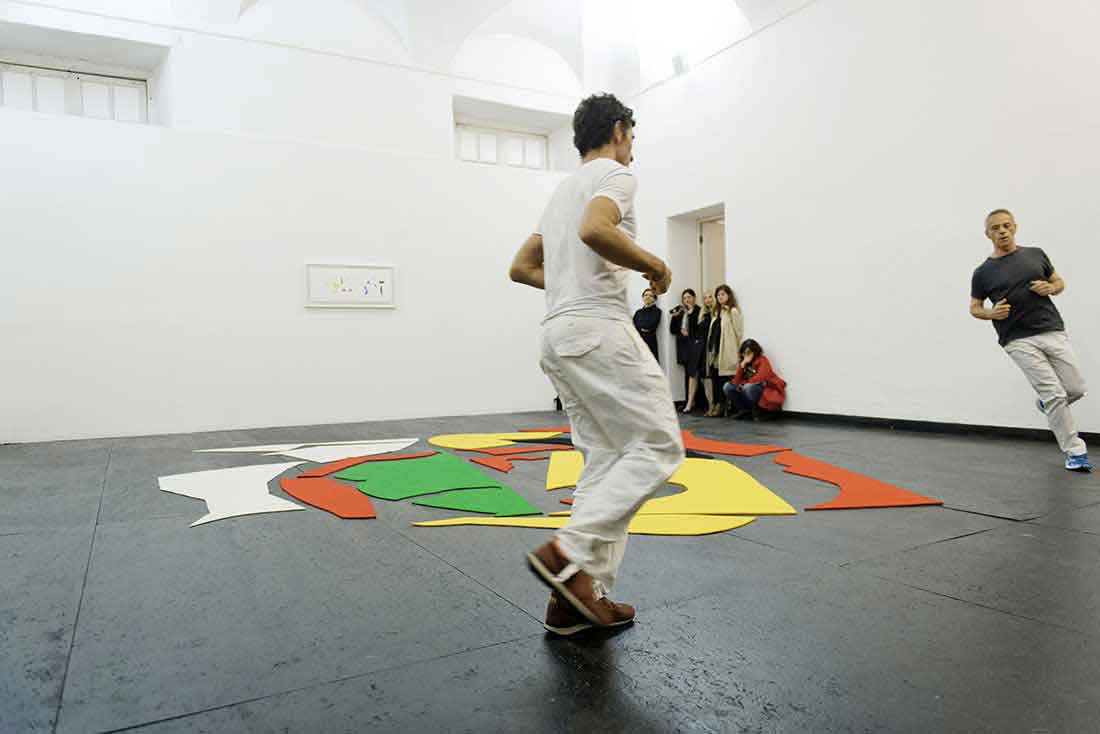
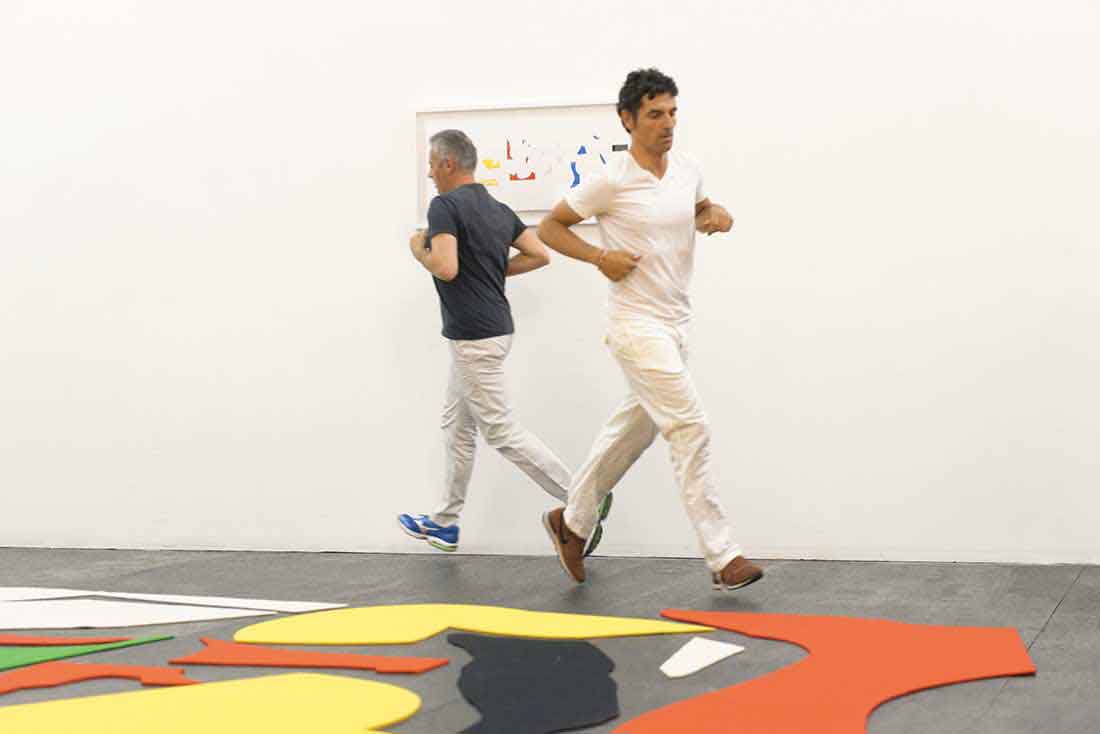
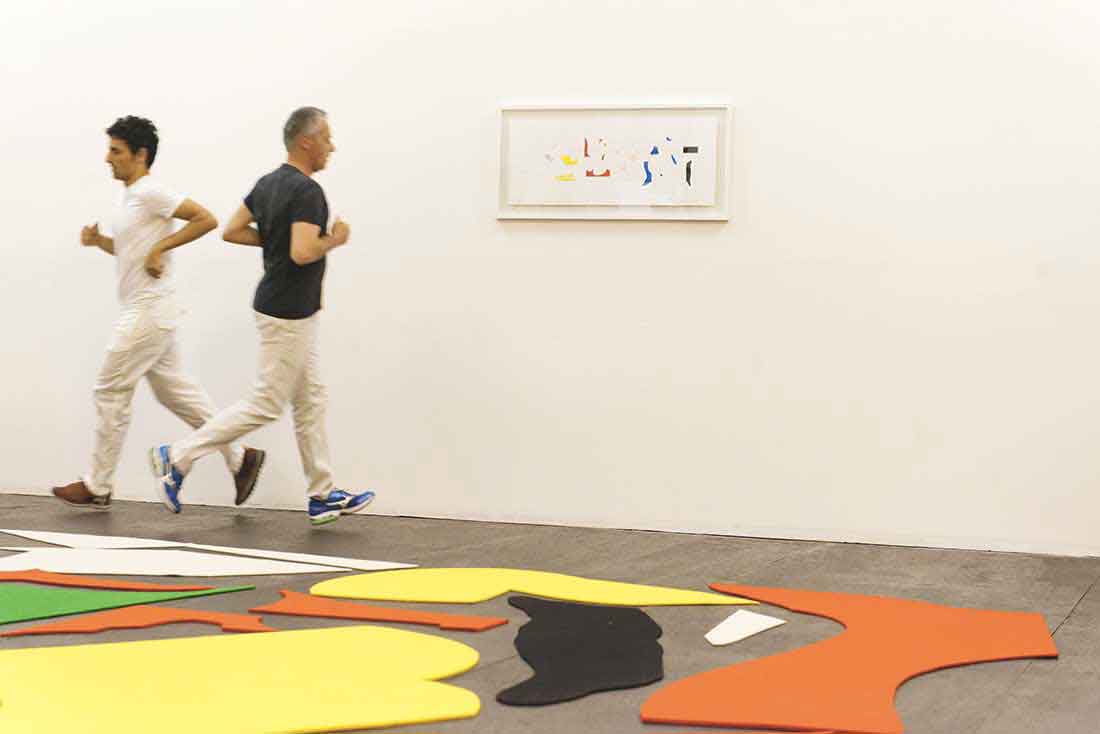
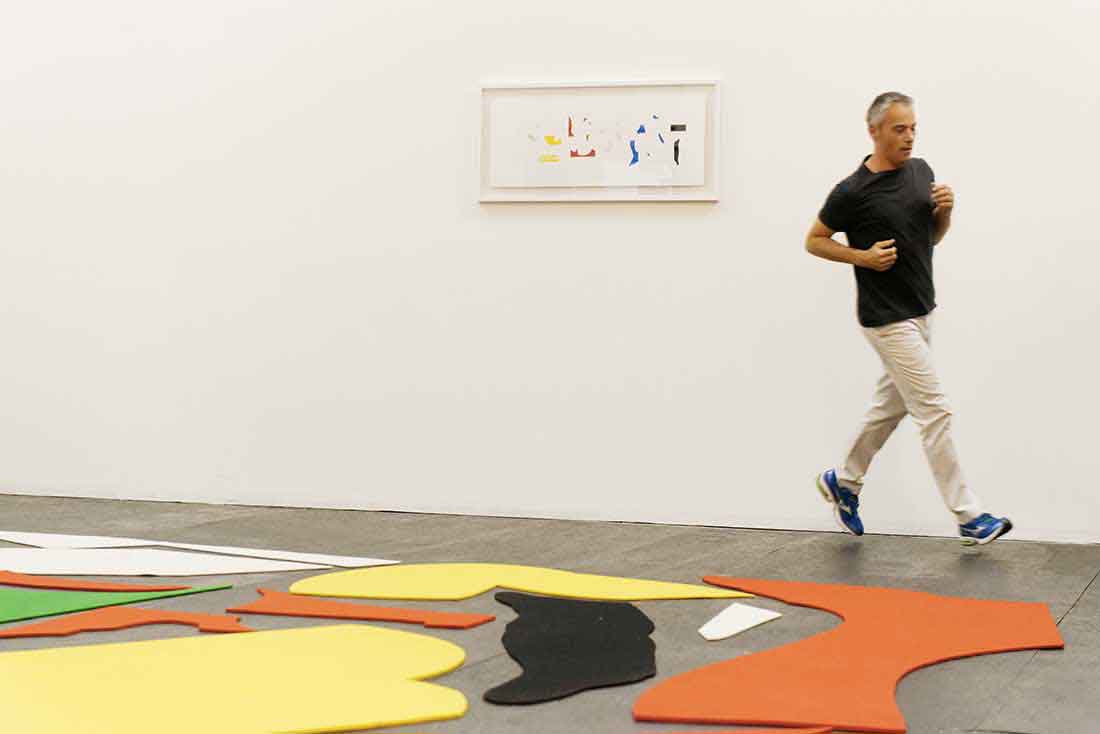
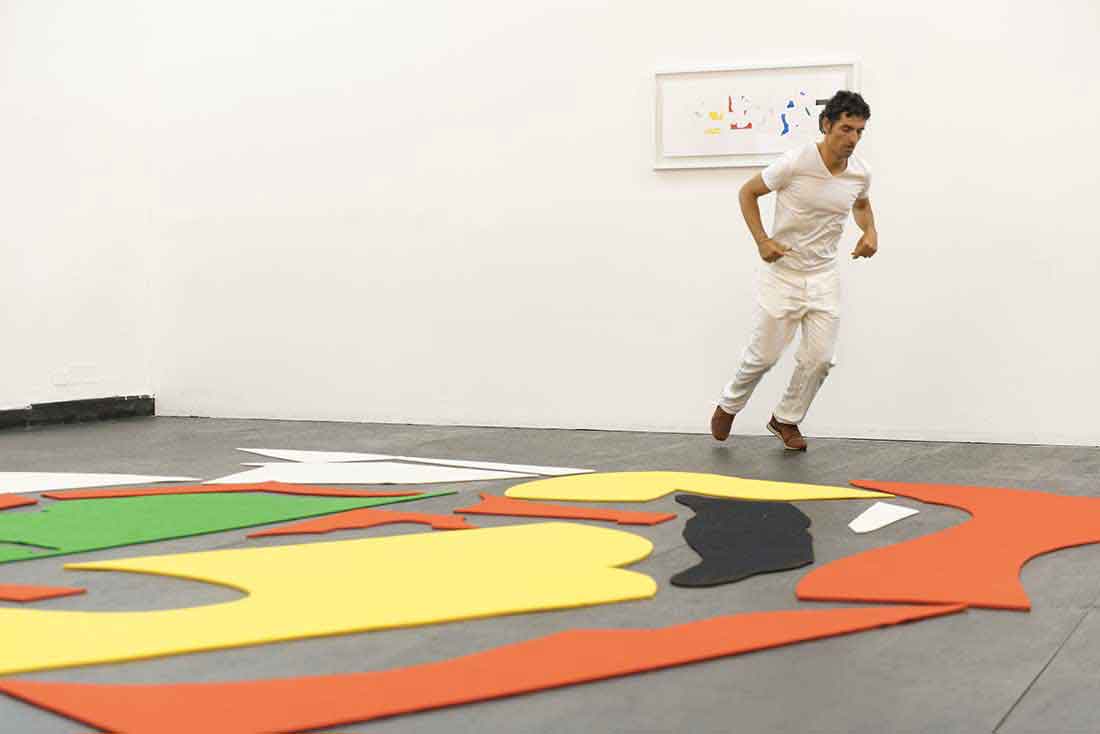
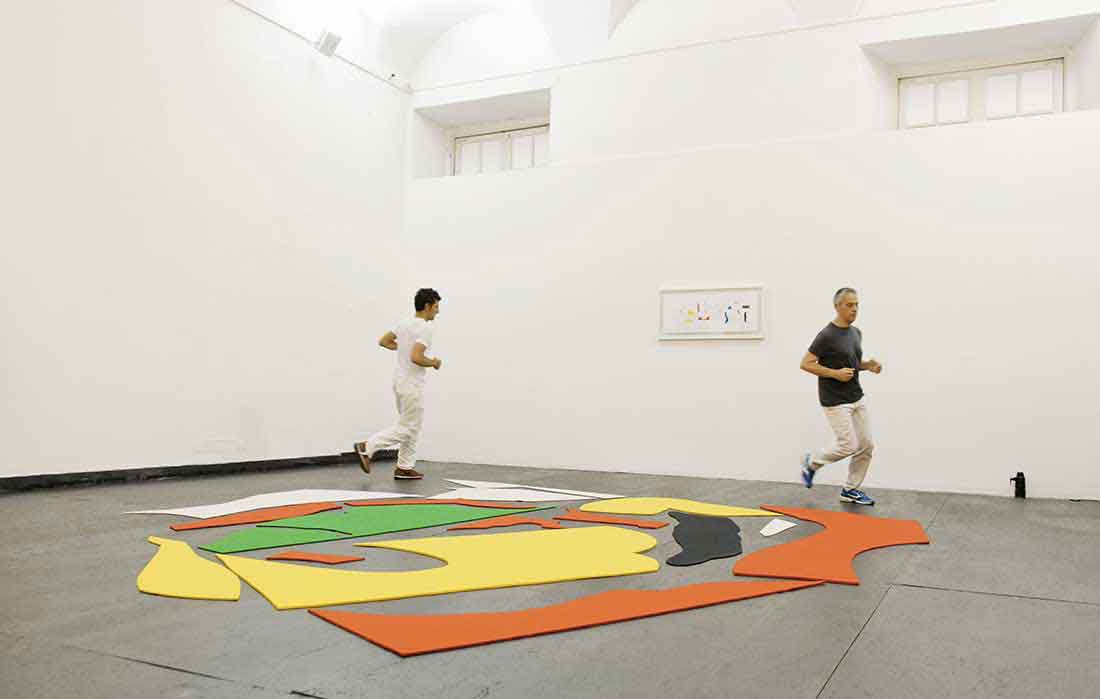
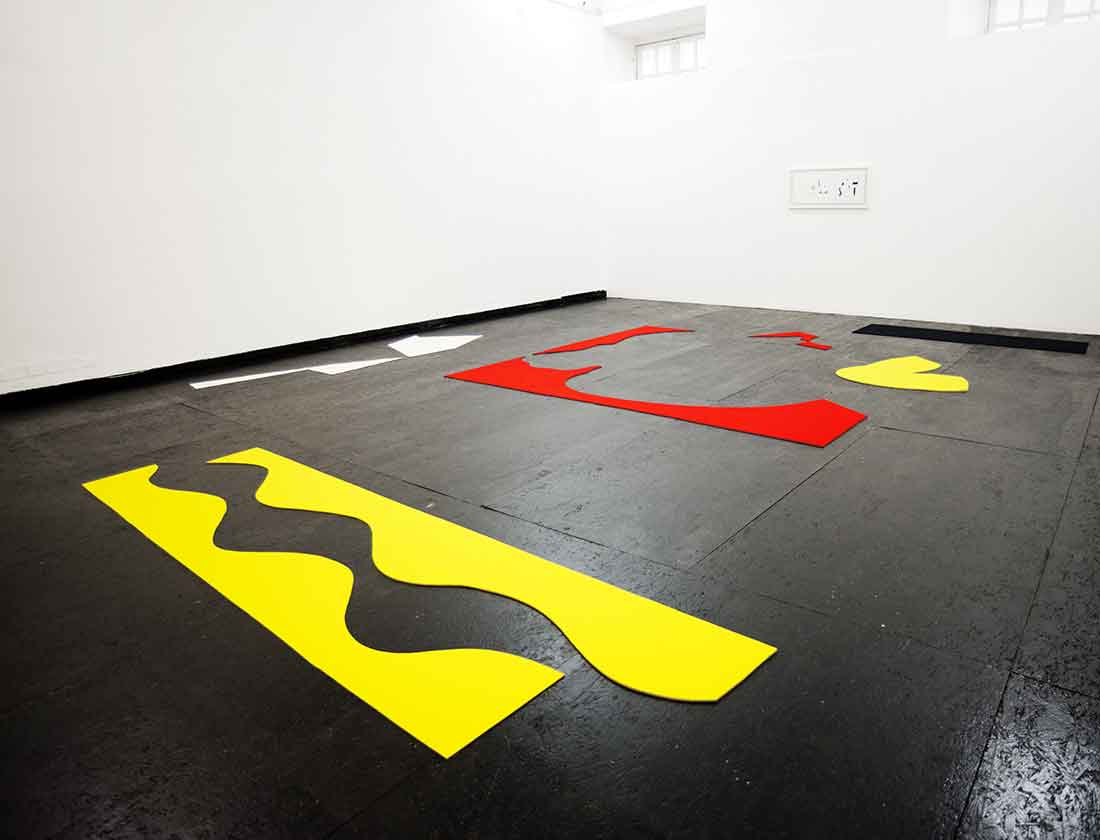
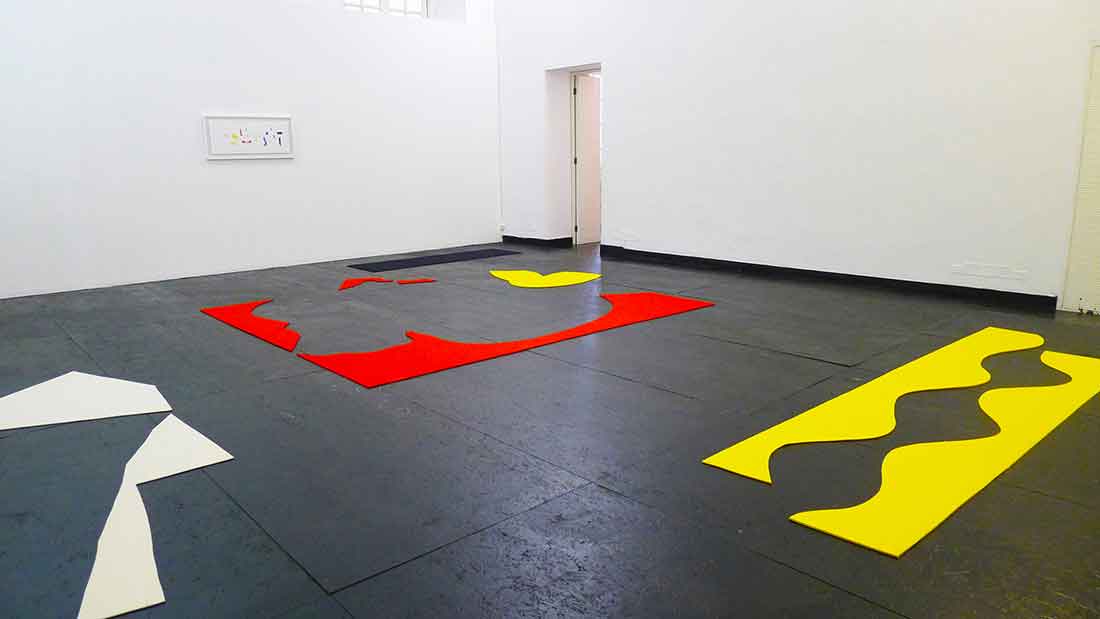
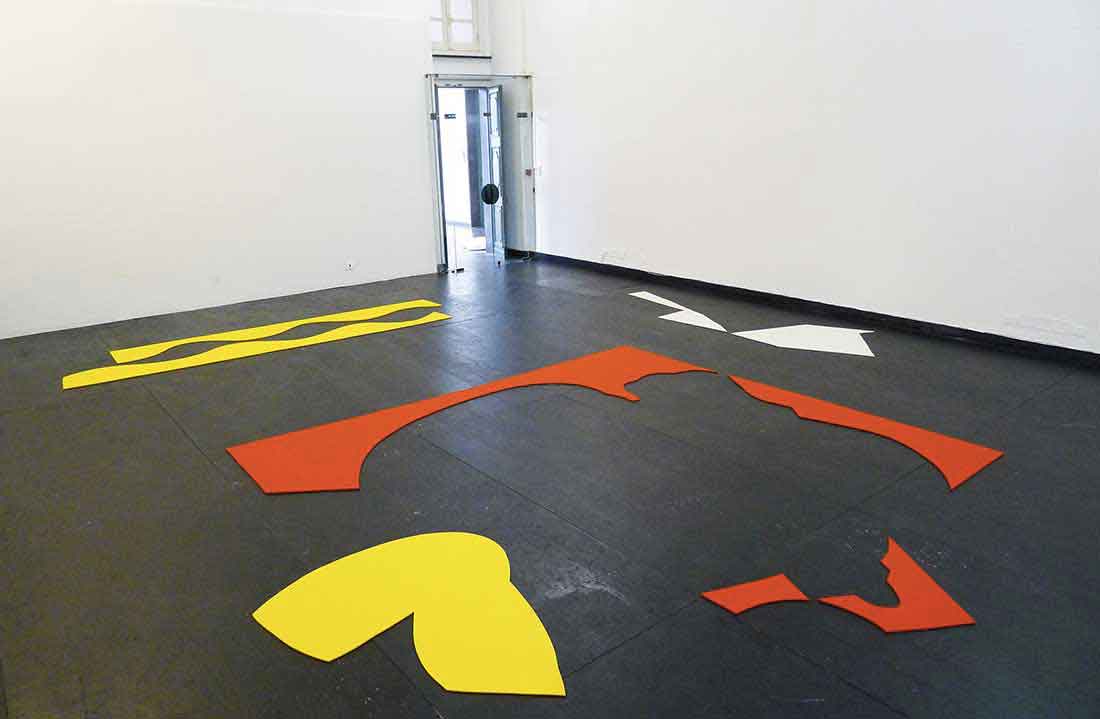
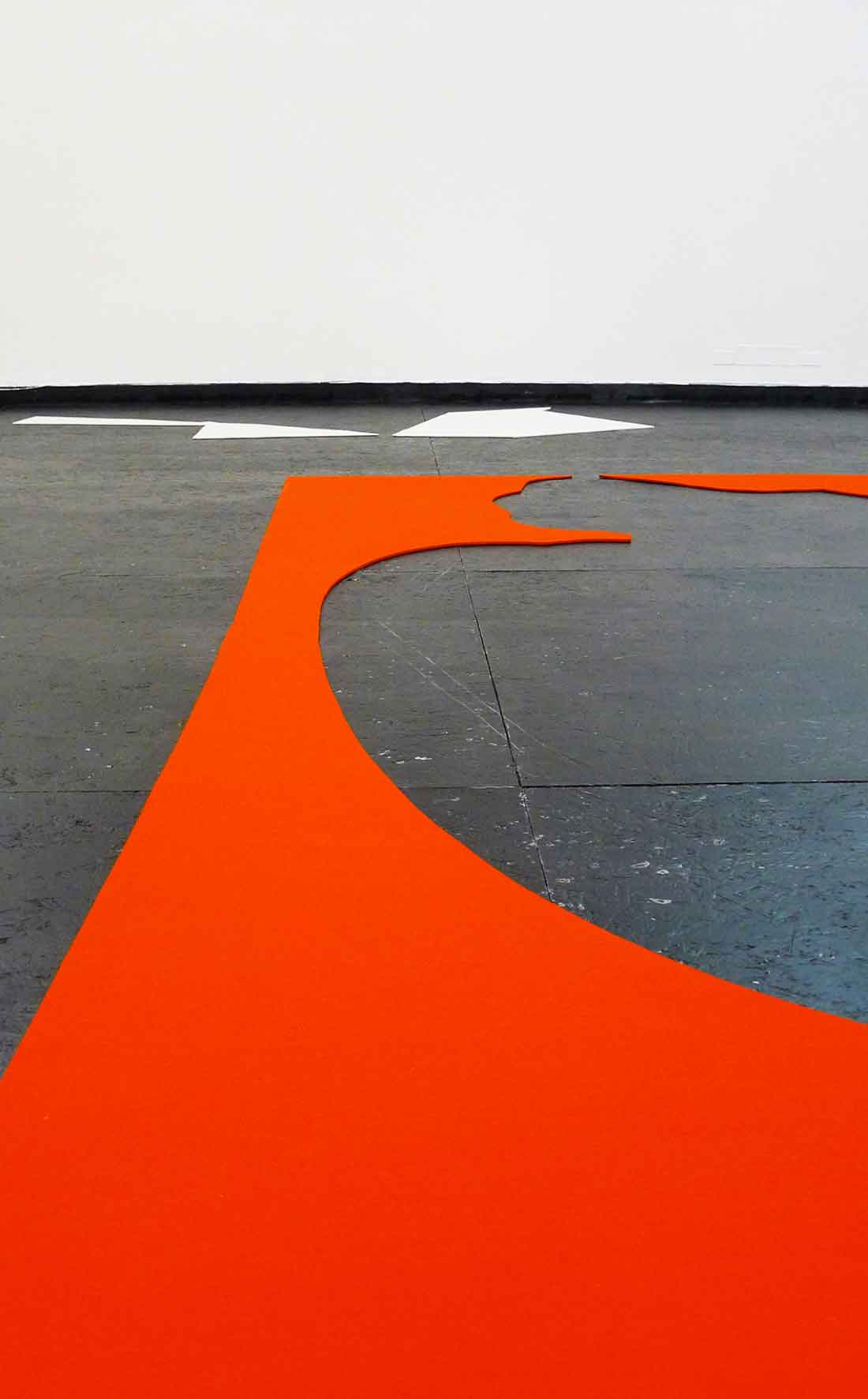

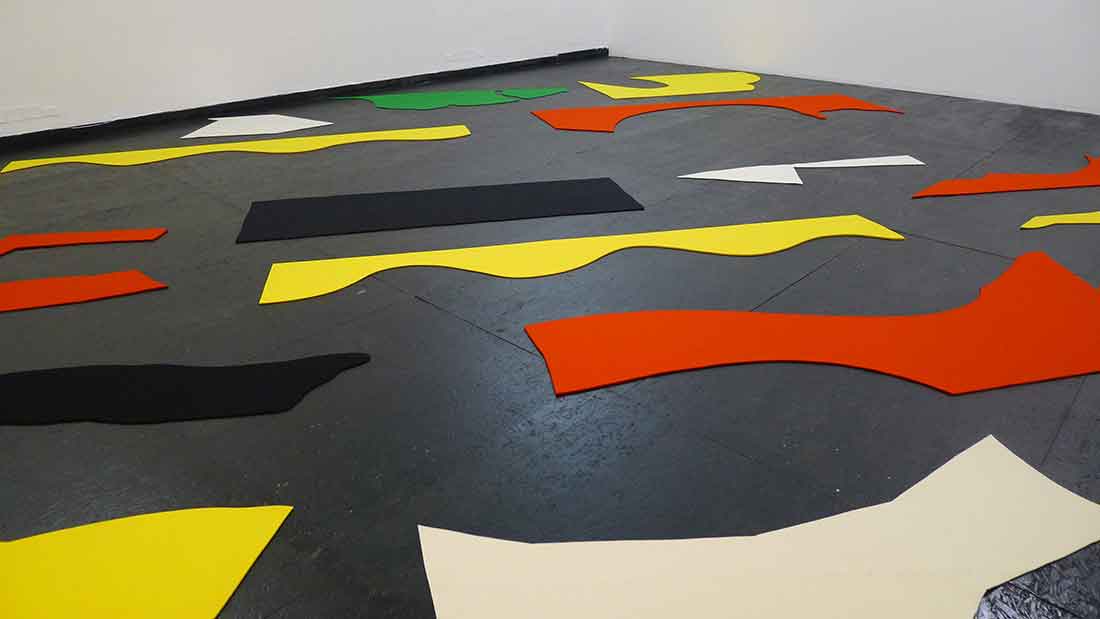
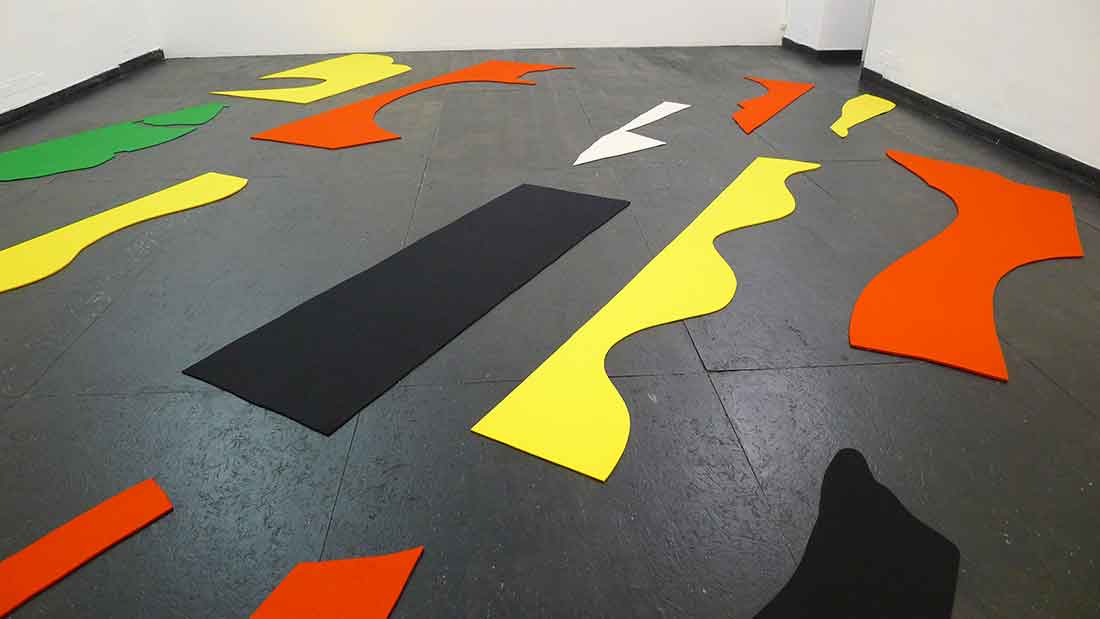
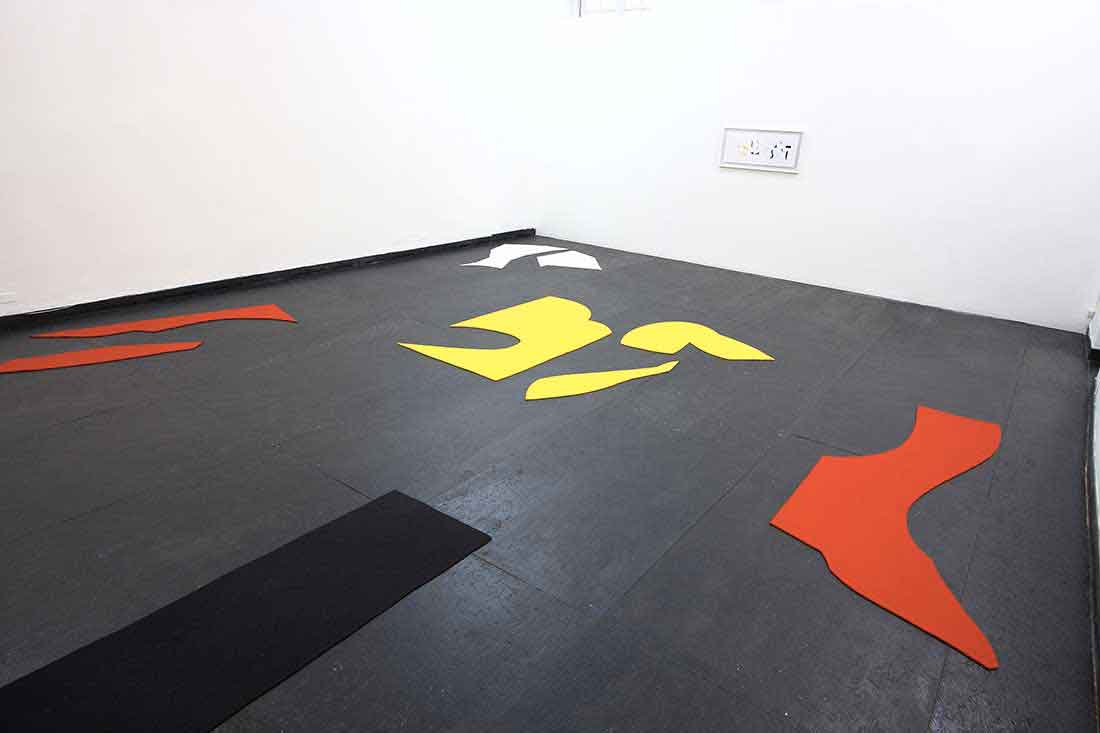
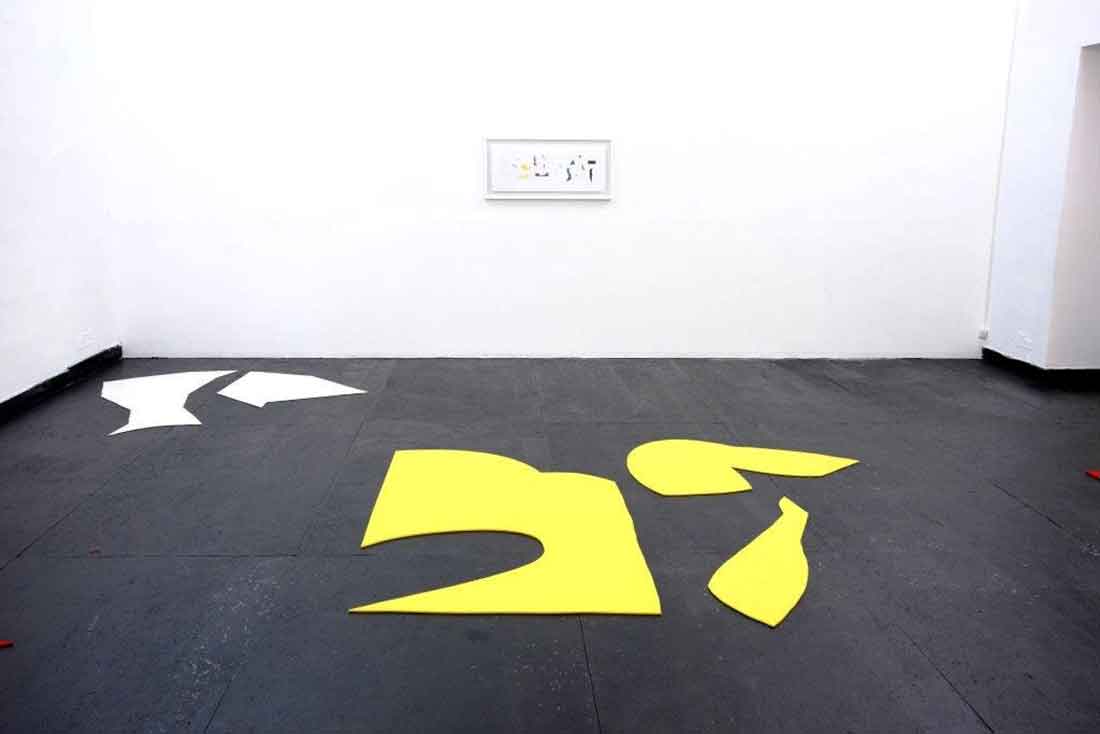

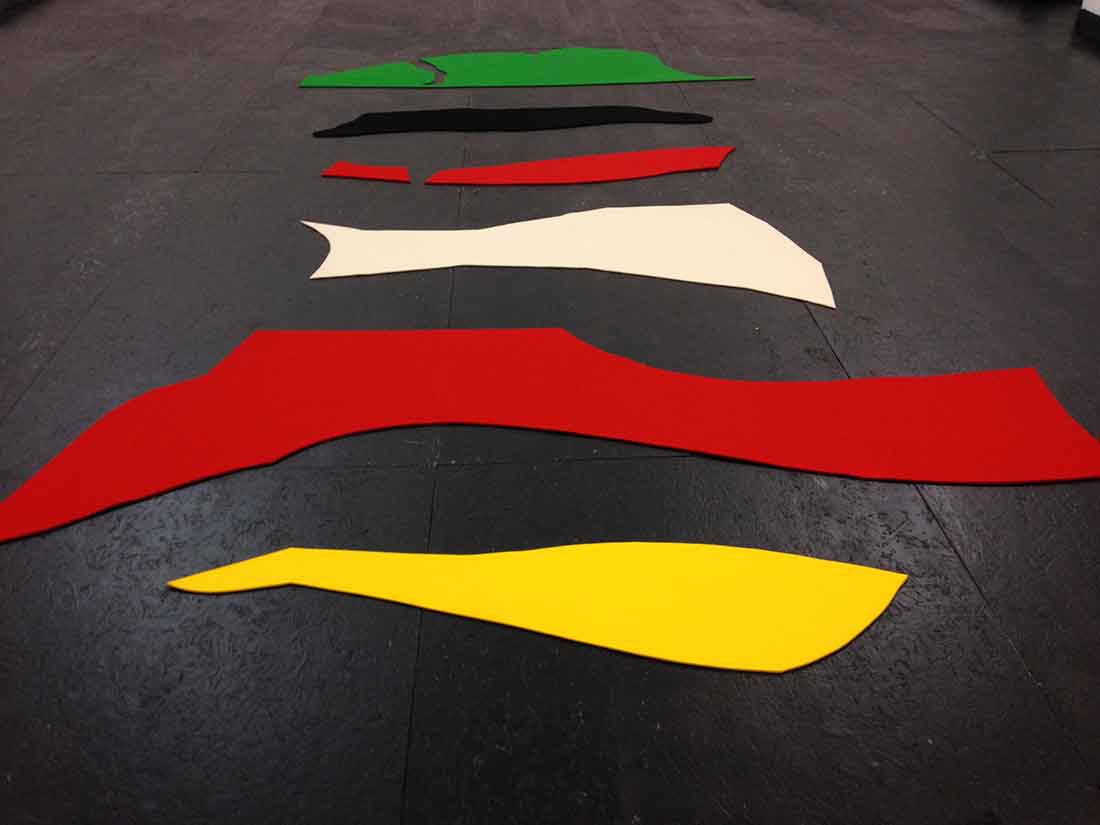
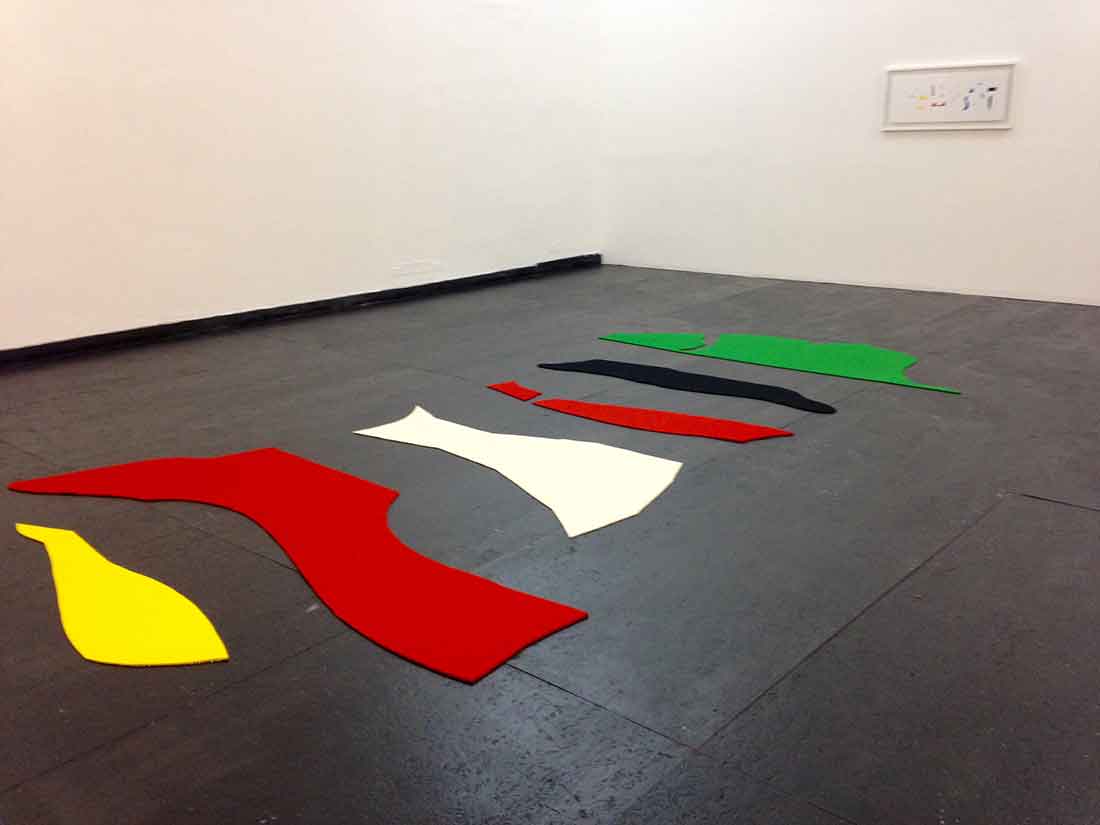
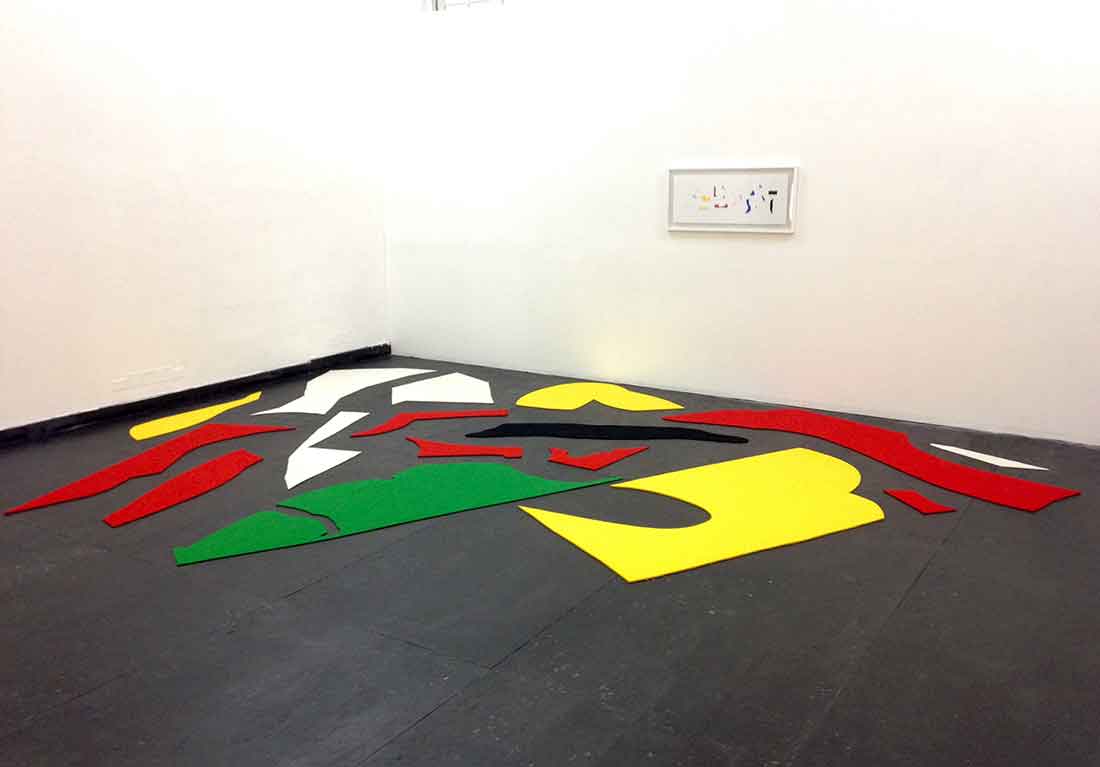
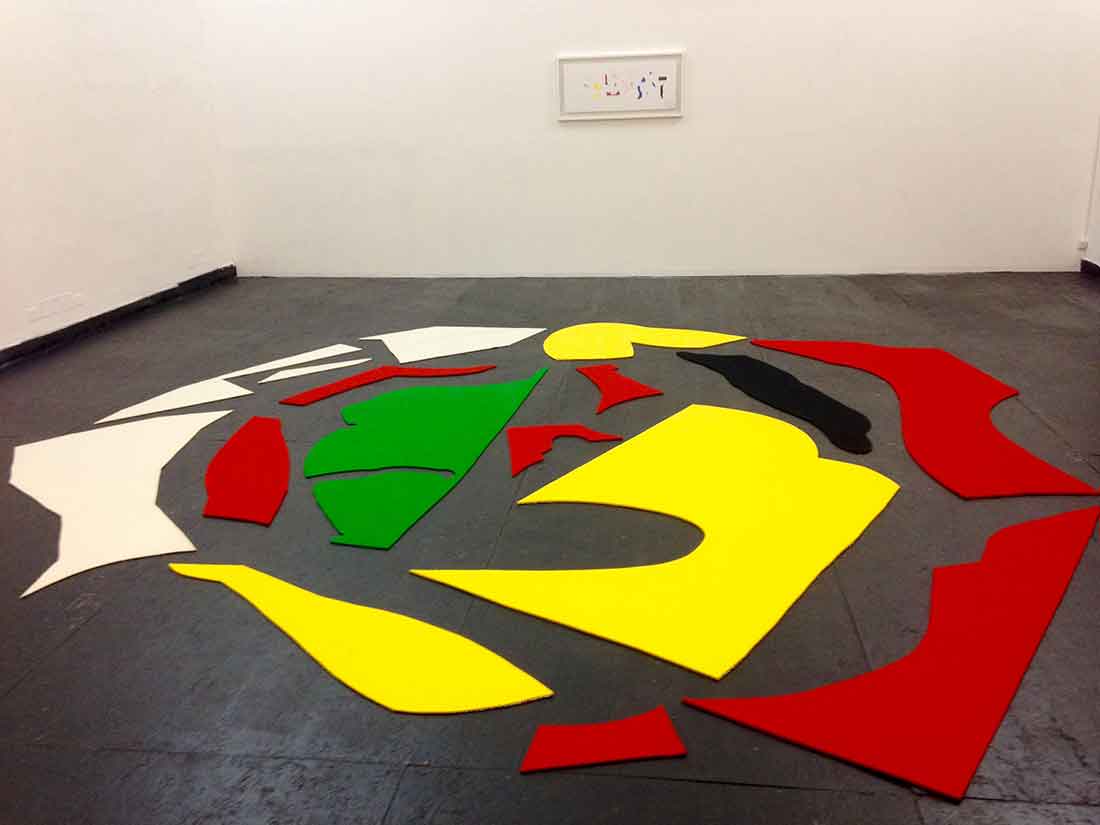
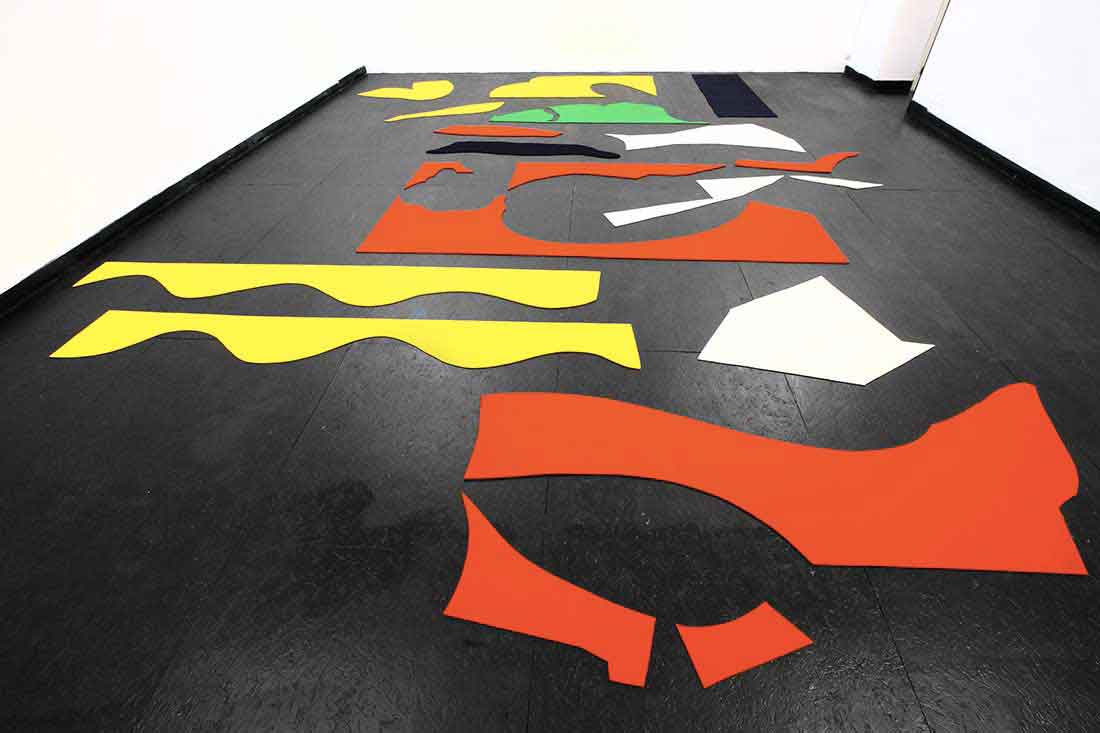

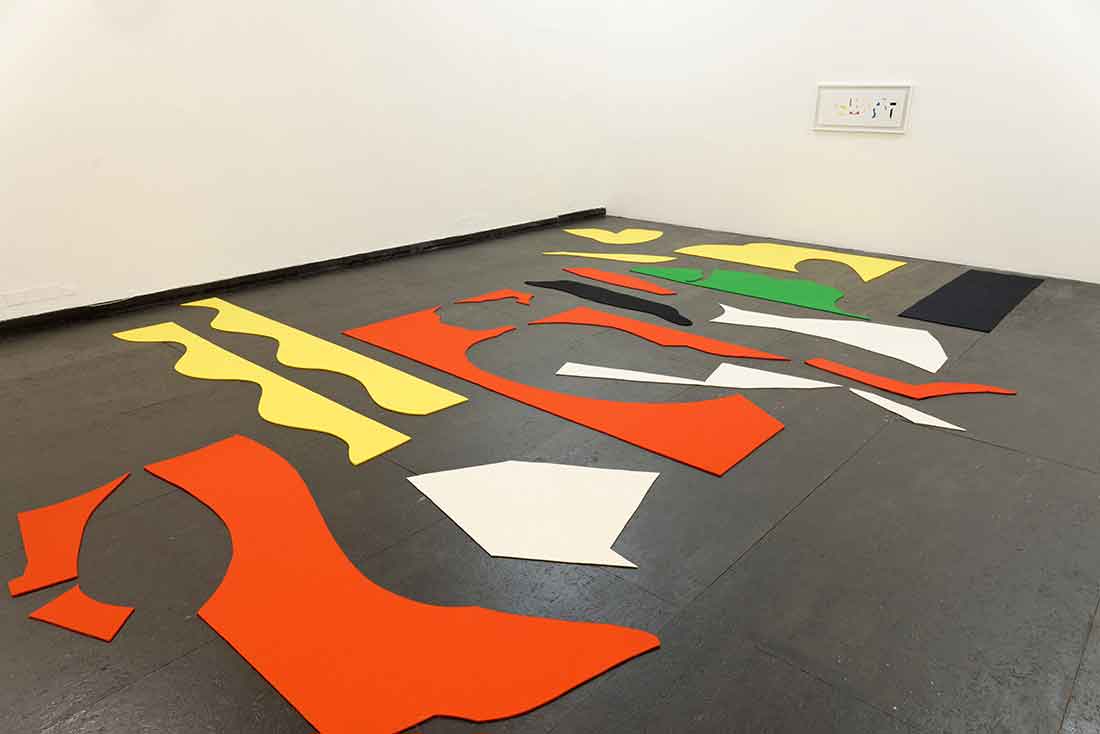
Photo credits Massimo Palazzi, Davide Pambianchi, Antonio Torrieri
15 Novembre 2016
In
Immagini Mostre
ORIGIN – THE ICELANDIC LOVE CORPORATION


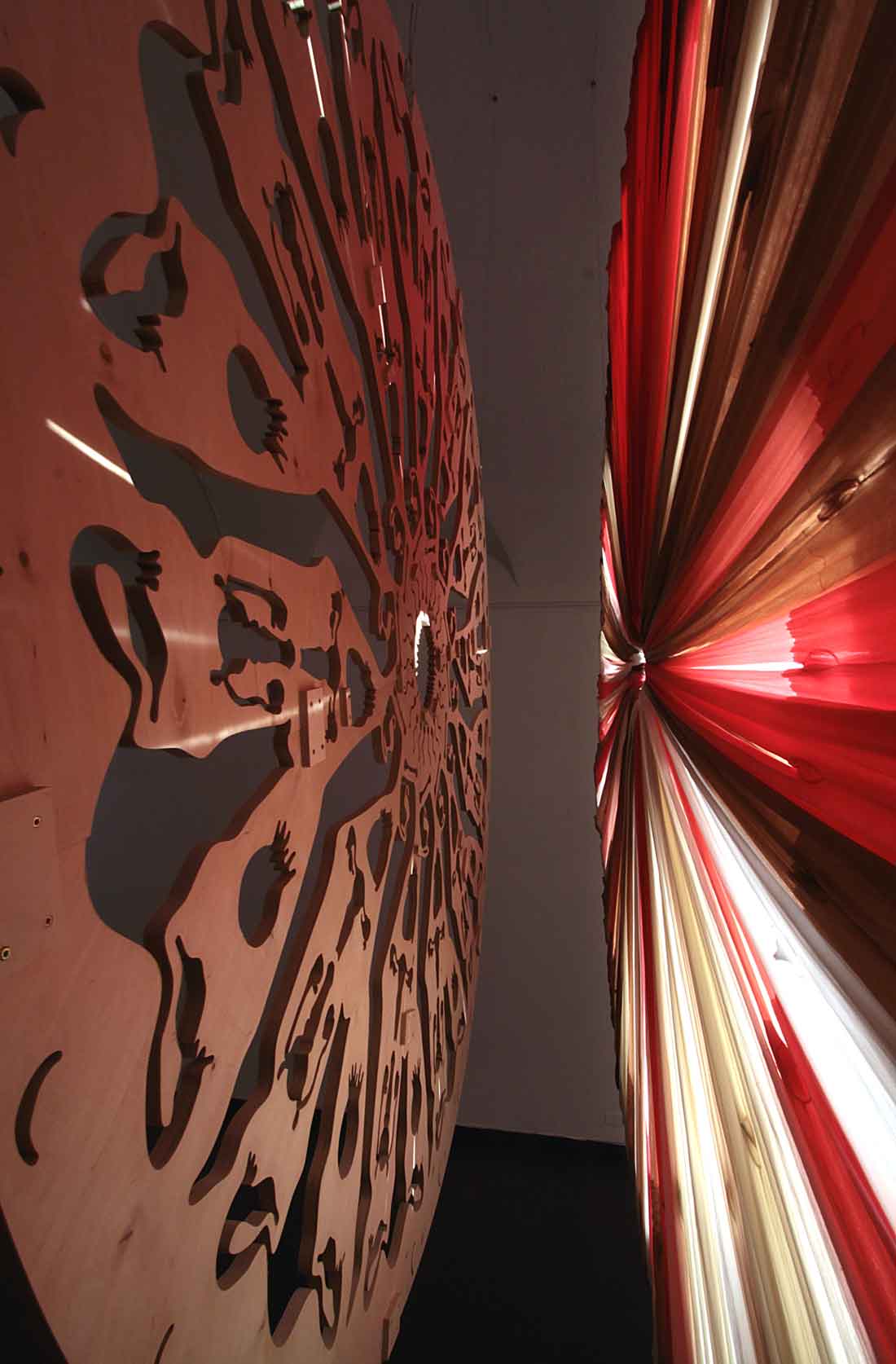
Photo credits Francesco Cardarelli
15 Novembre 2016
In
Immagini Mostre
LA MOGLIE DI LOT – SUPERSTUDIO
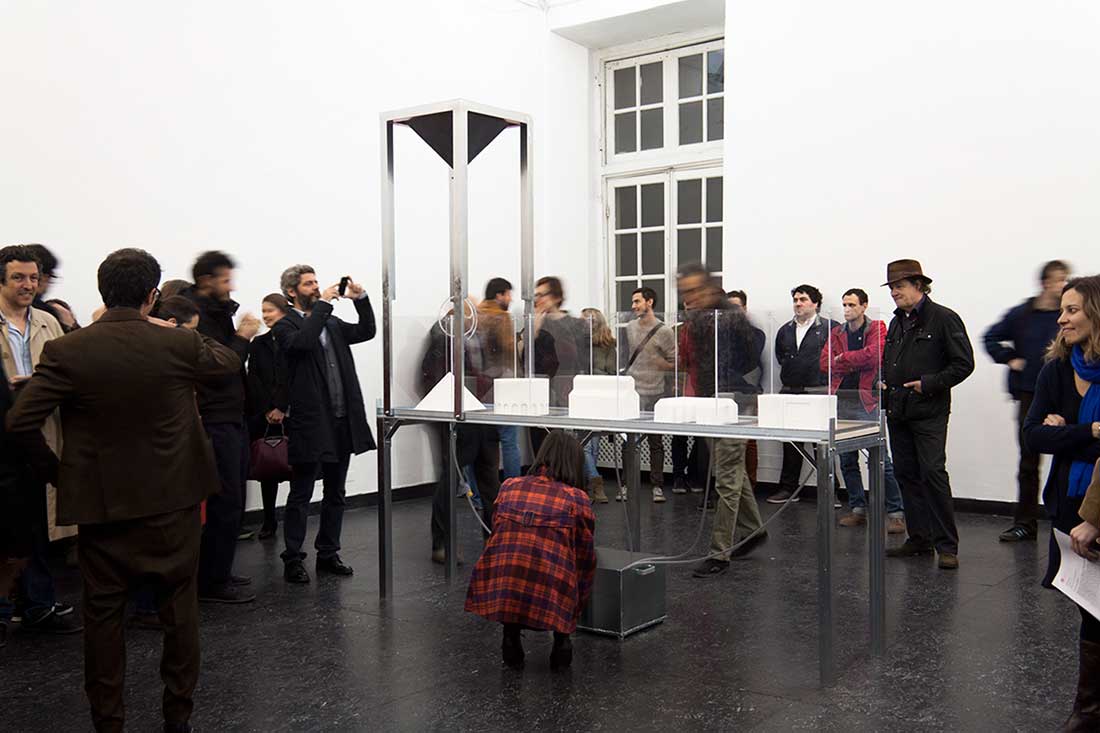
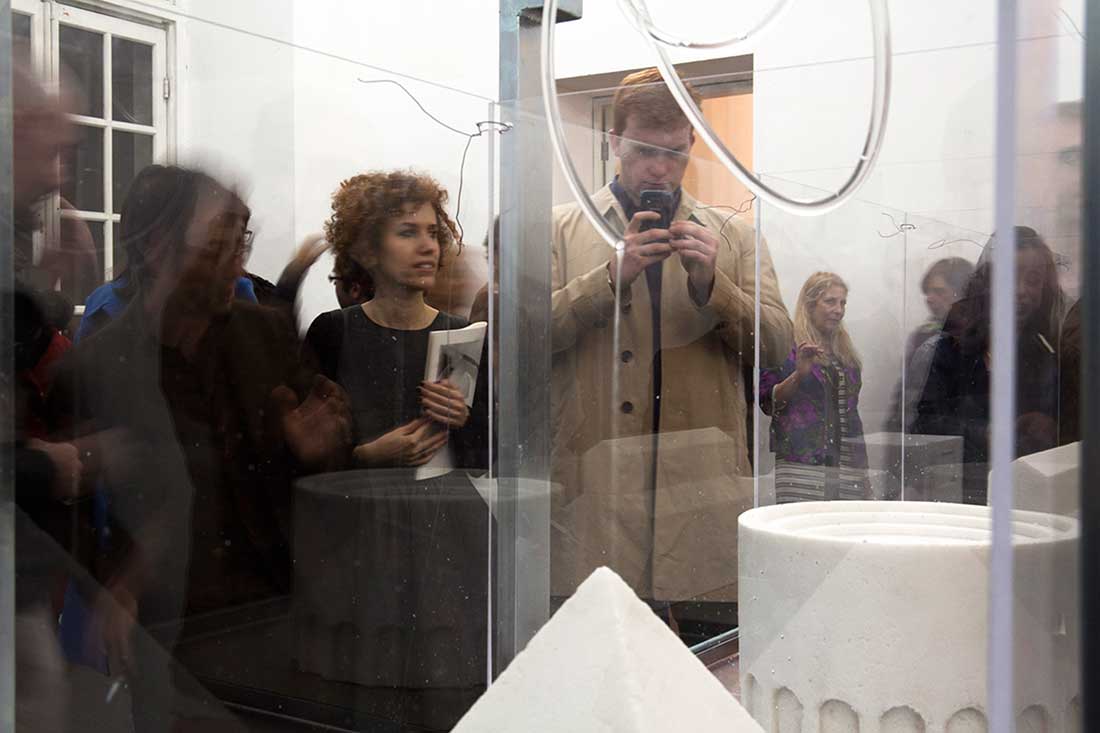
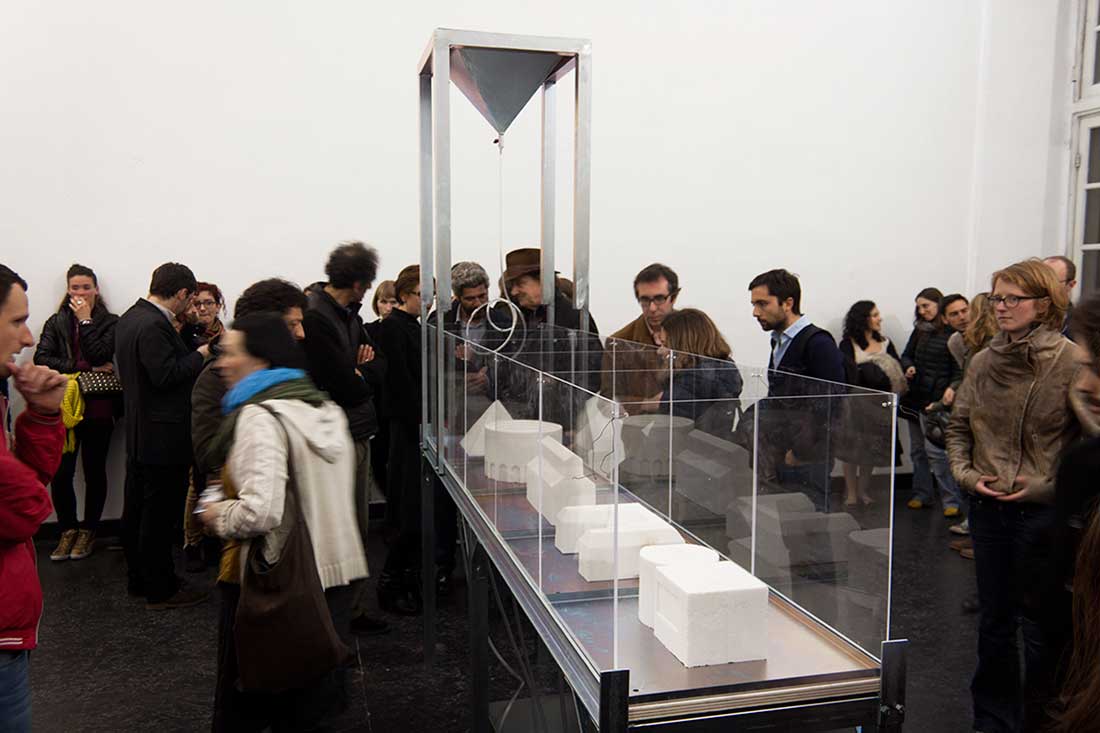
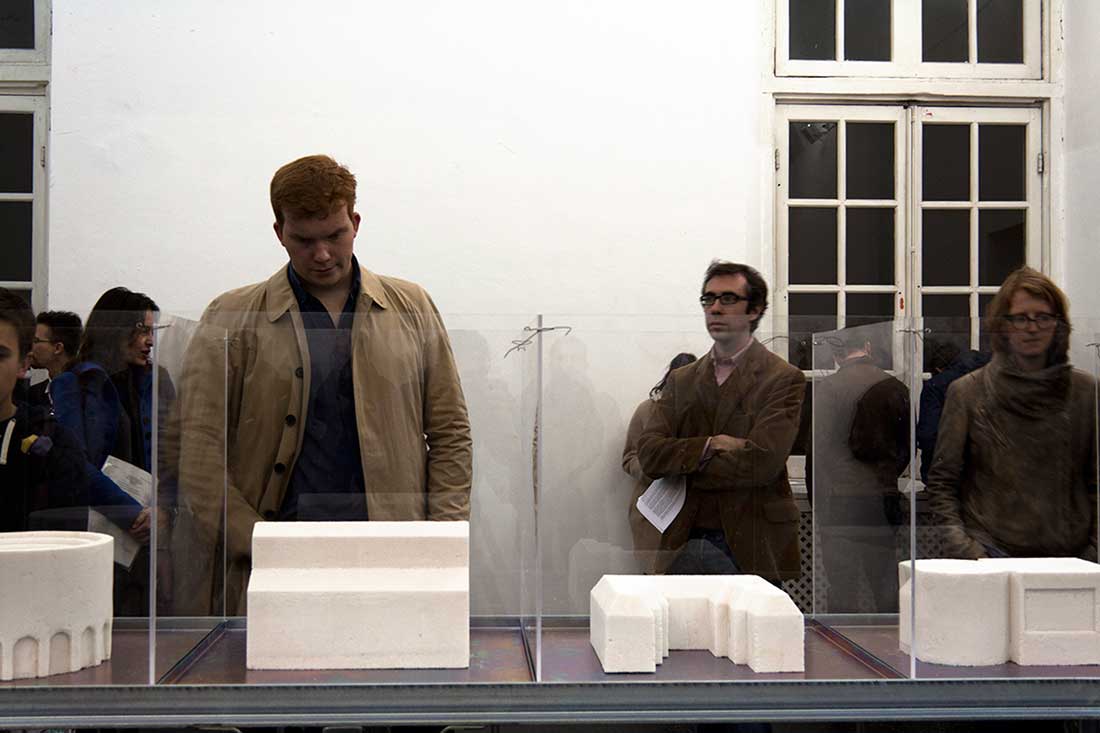
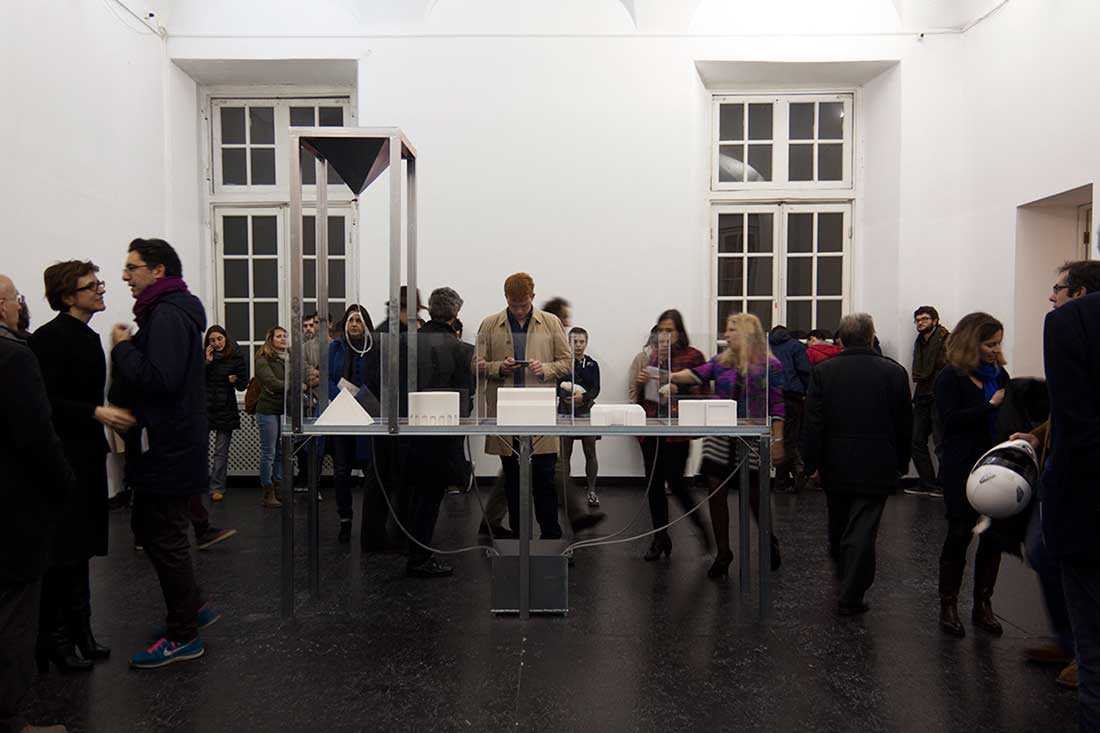
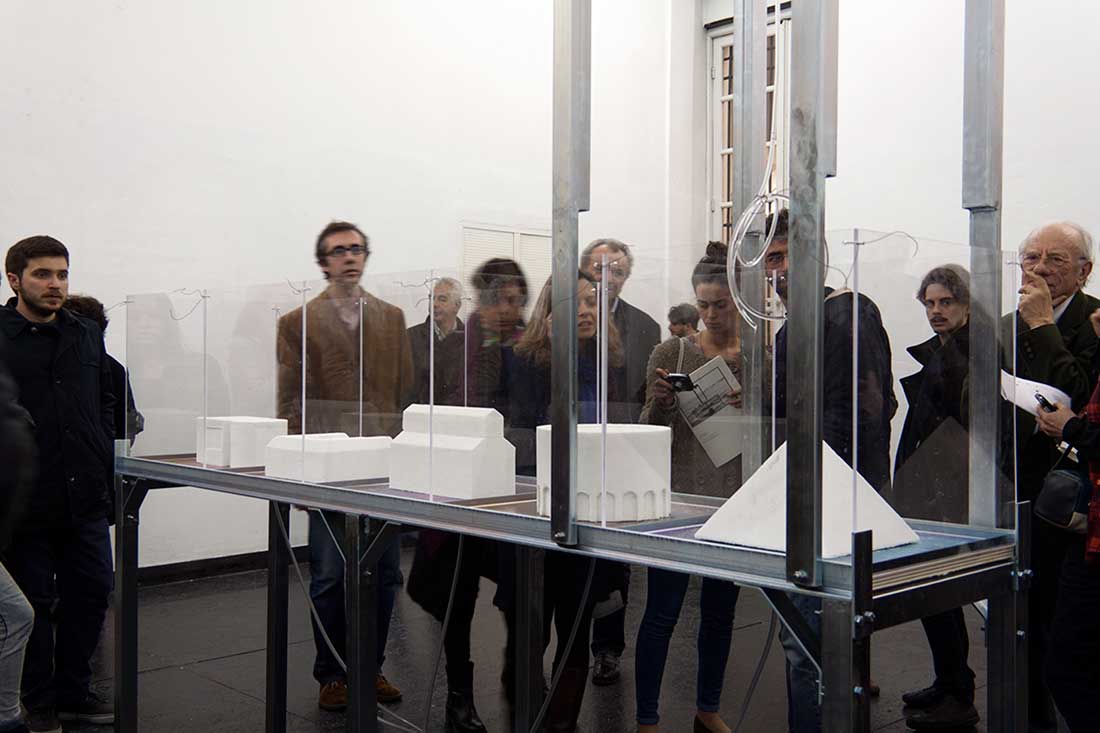
Foto inaugurazione © Francesco Cardarelli
14 Novembre 2016
In
Immagini Mostre
THE BUNNY LAKES COLLECTION – GEORGINA STARR


Photo credits Paolo Palmieri


14 Novembre 2016
In
Immagini Mostre
THE JOYFUL MYSTERIES OF JUNIOR – GEORGINA STARR


Photo credits Francesco Cardarelli


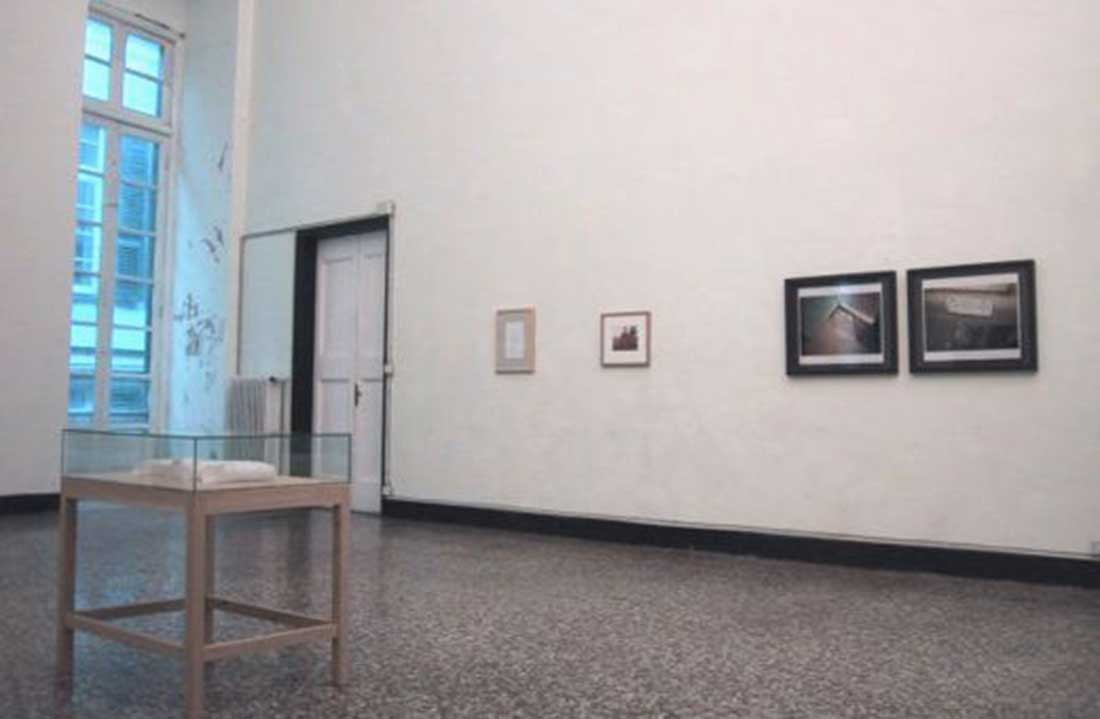

12 Novembre 2016
In
Immagini Mostre
EVERYTHING MAKES SENSE IN THE REVERSE – BOJAN SARCEVIC


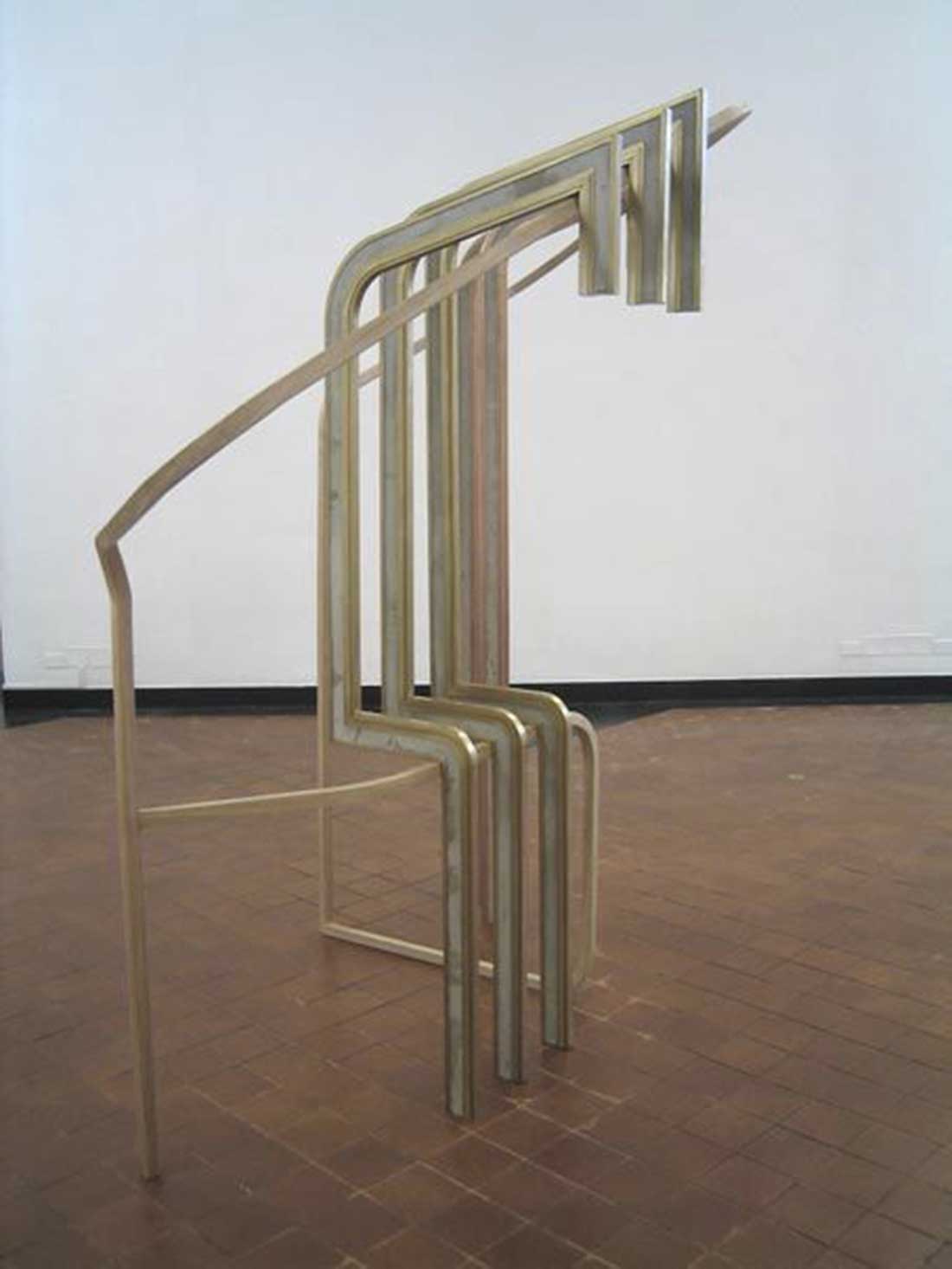


Photo credits Sophie Triniac


12 Novembre 2016
In
Immagini Mostre
IN THE REAR VIEW MIRROR – BOJAN SARCEVIC


Photo credits Francesco Cardarelli
11 Novembre 2016
In
Immagini Mostre
ON AIR – TOMAS SARACENO

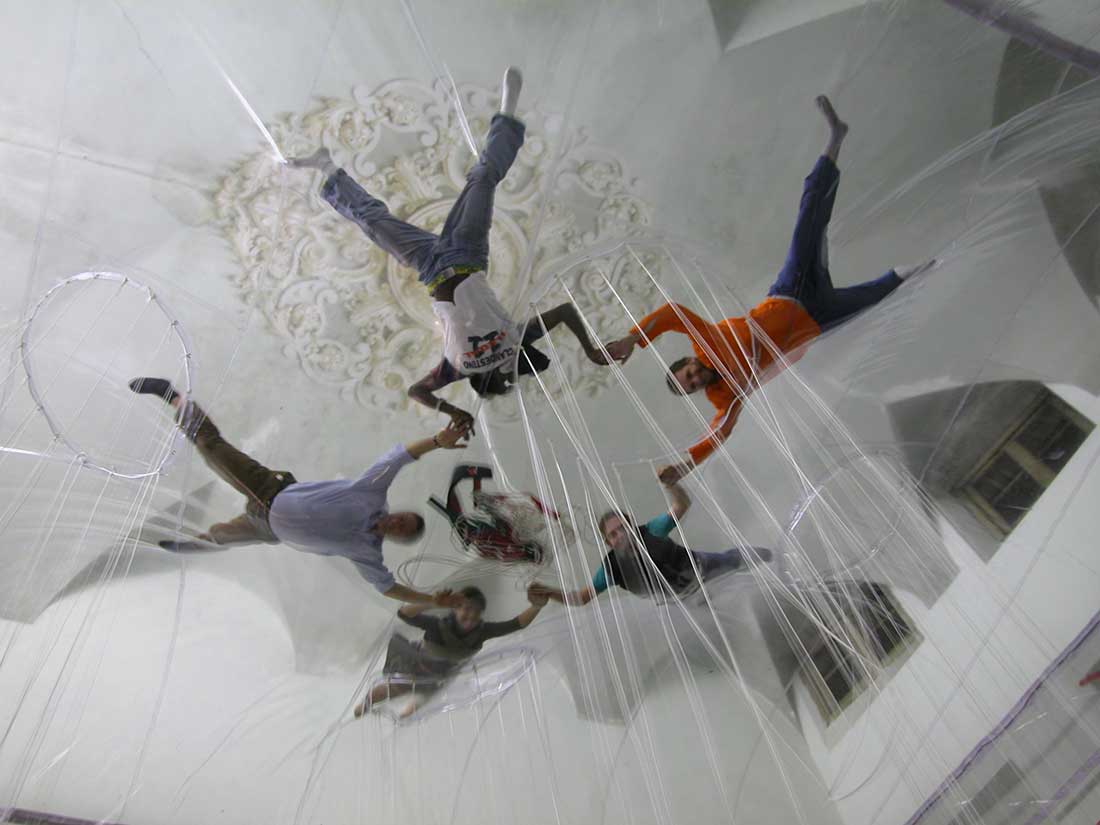


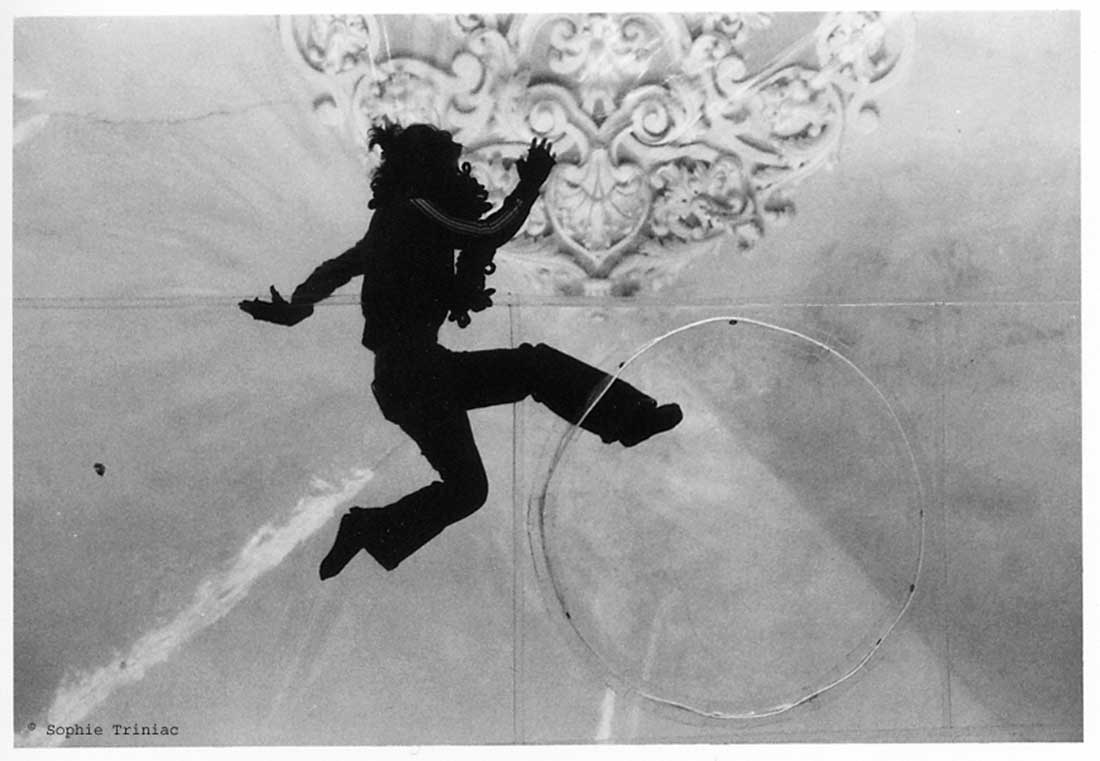


Photo credits Massimiliano Marchica, Andrea Balestrero and Sophie Triniac
10 Novembre 2016
In
Immagini Mostre
BIOSPHERE MW32 AIR-PORT-CITY – TOMAS SARACENO


Photo credits Rokma
10 Novembre 2016
In
Immagini Mostre
CLOUD CITIES – TOMAS SARACENO


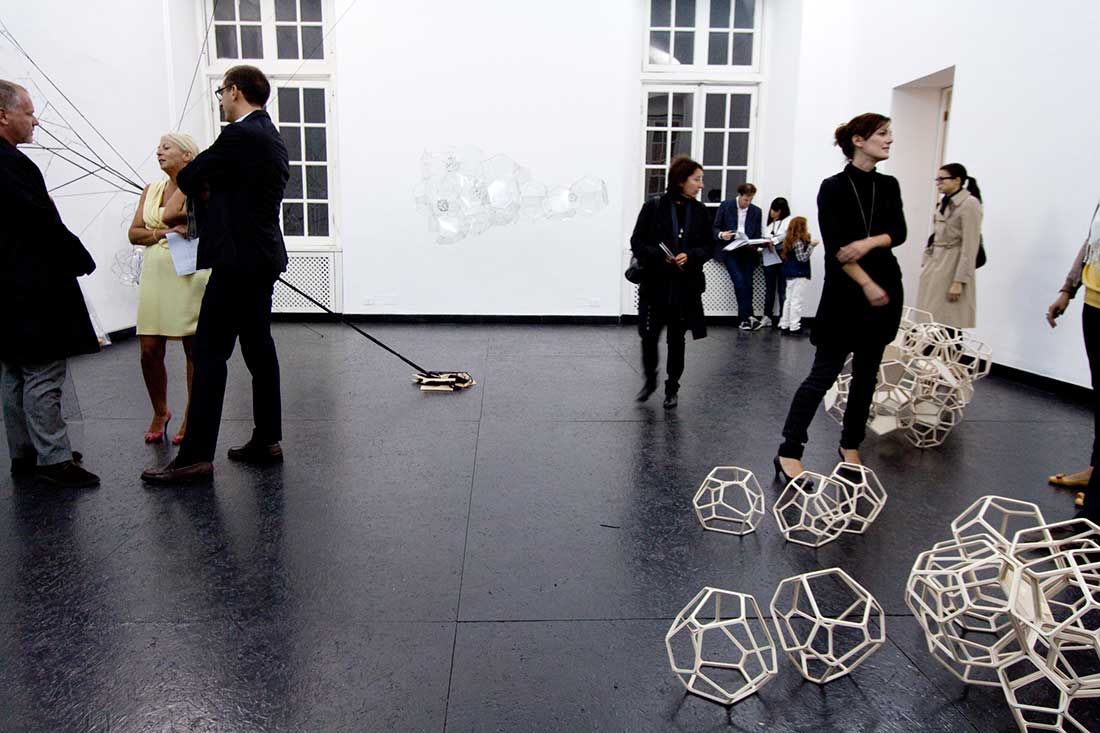
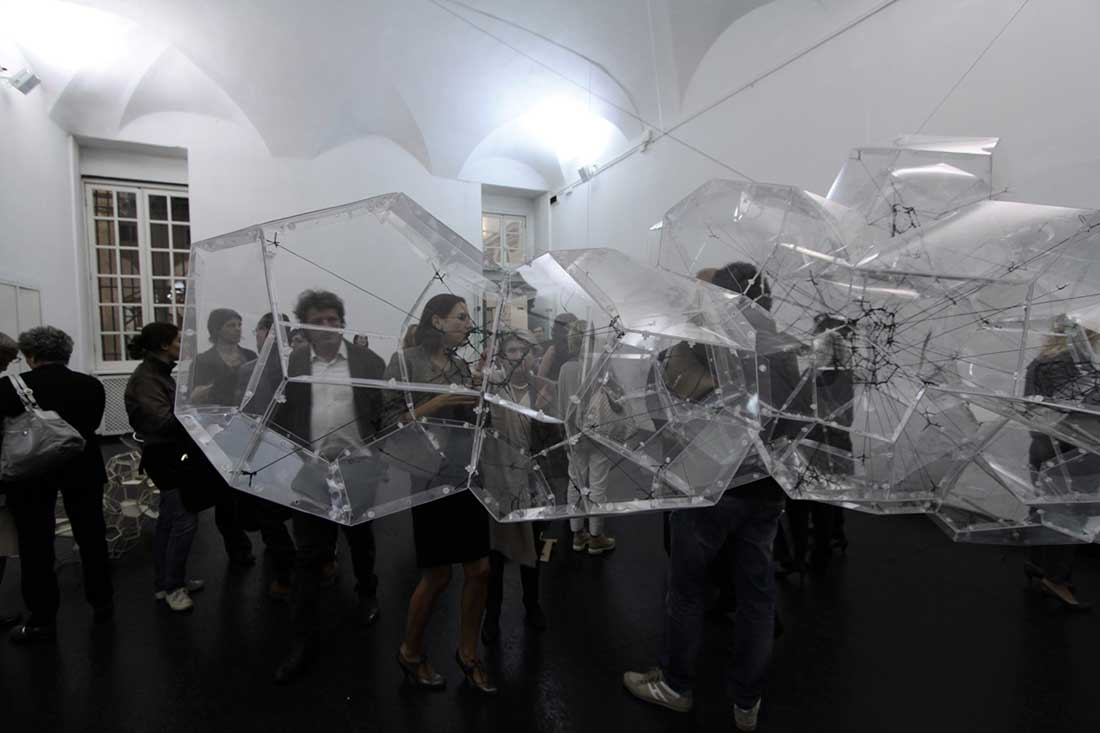
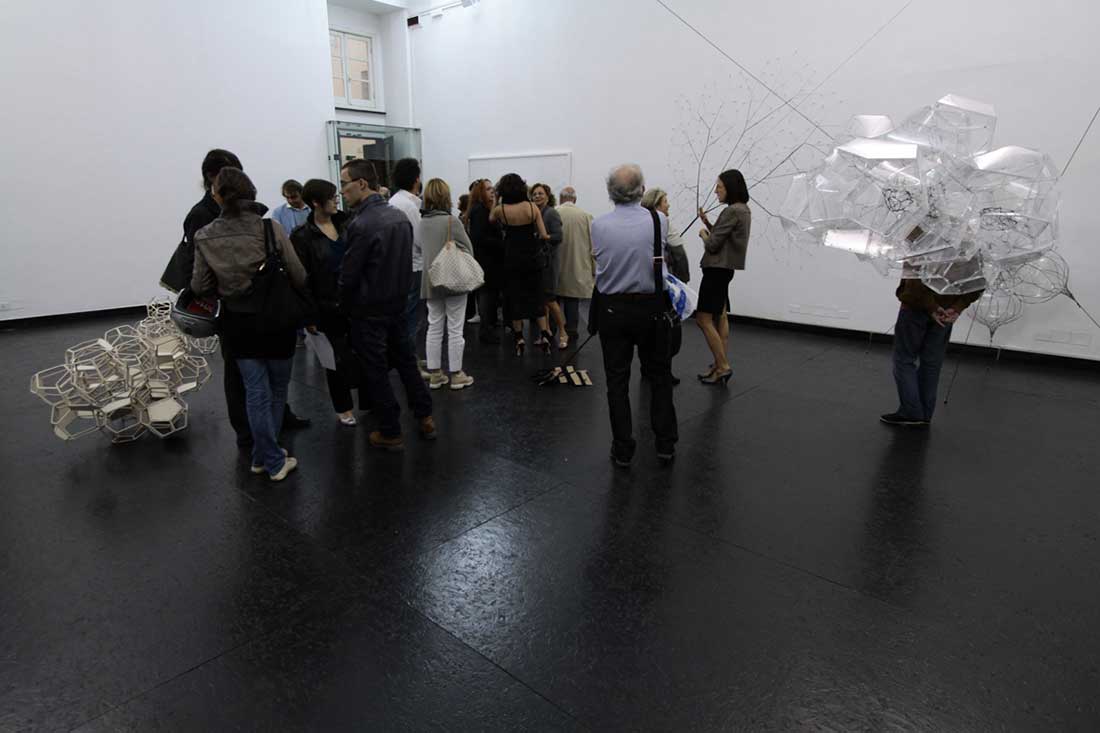


Photo credits Francesco Cardarelli


9 Novembre 2016
In
Immagini Mostre
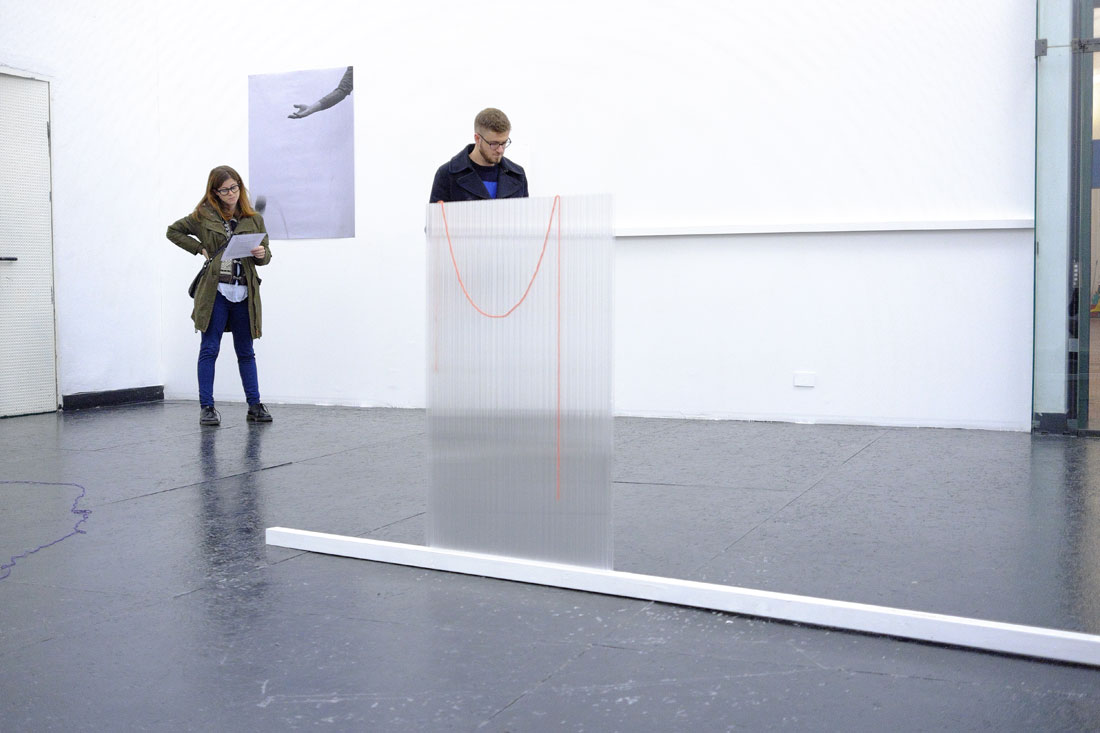
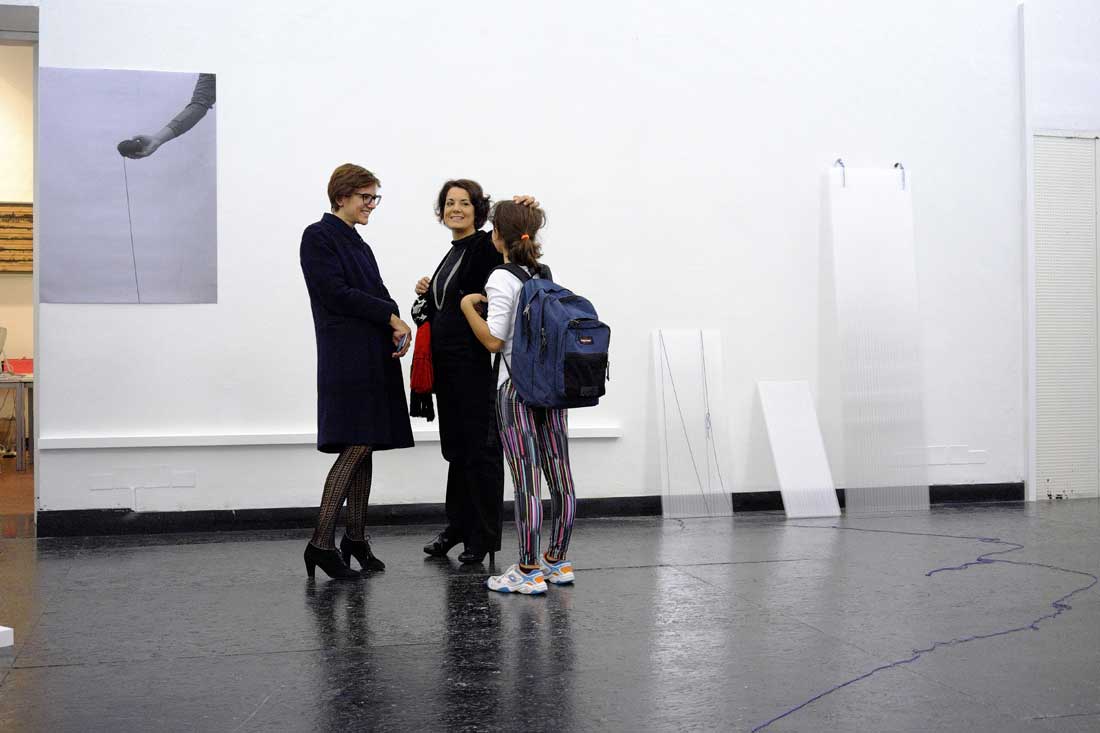
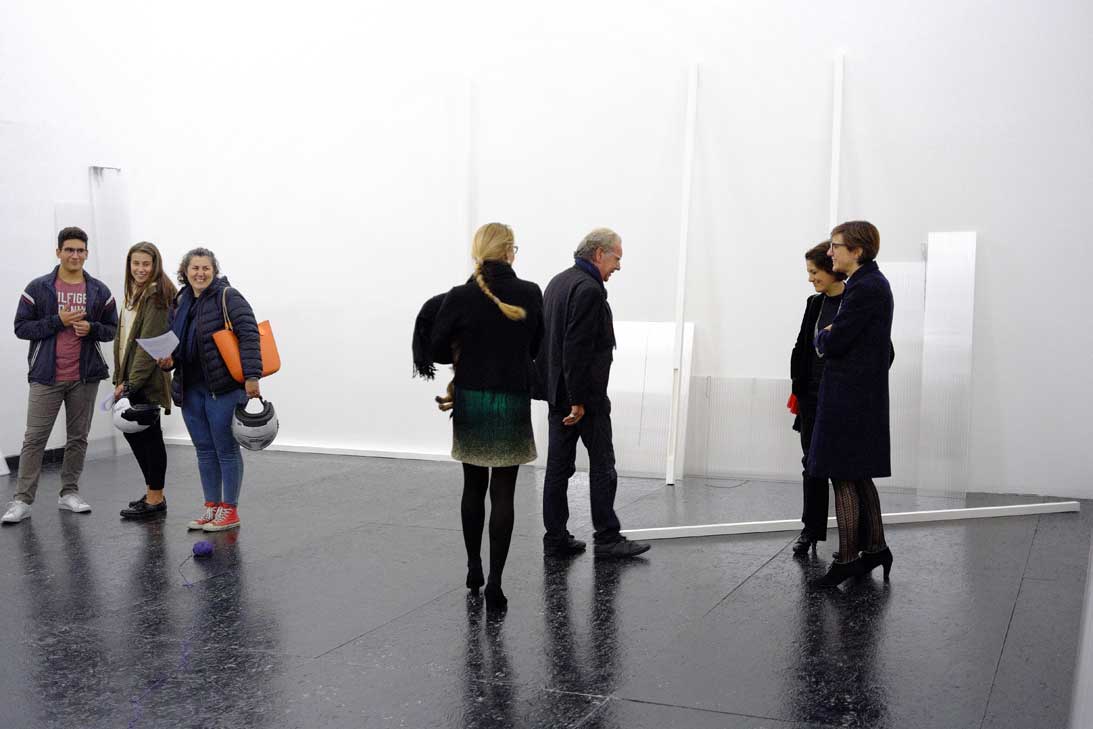
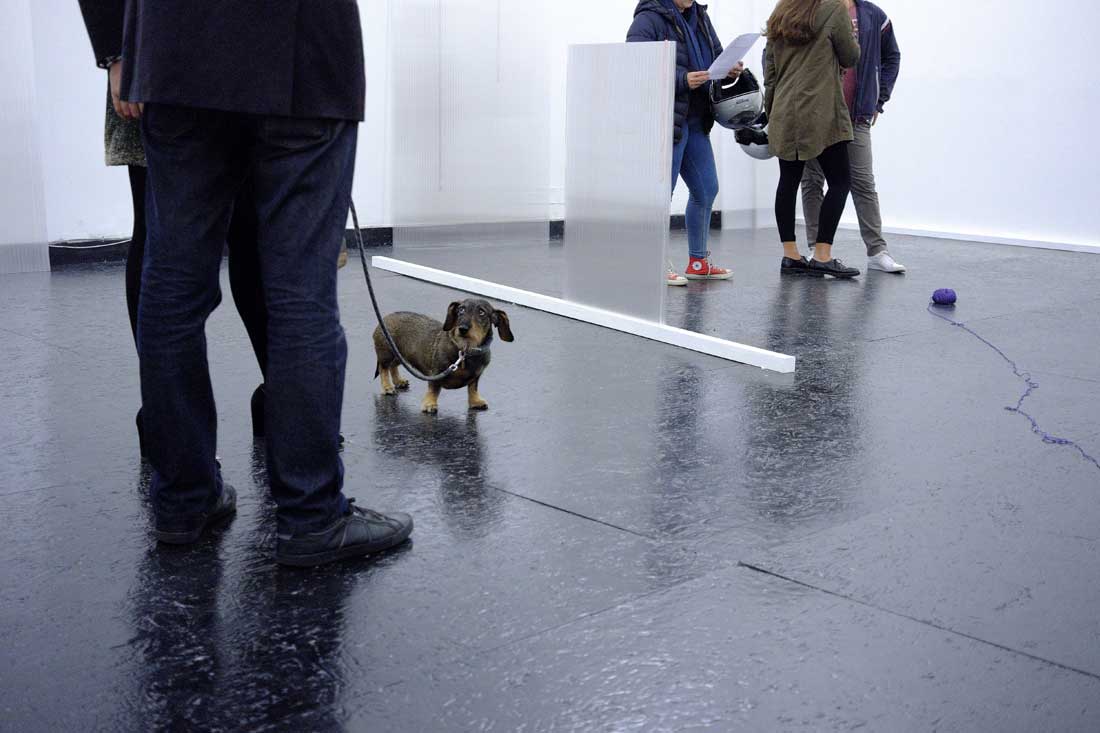
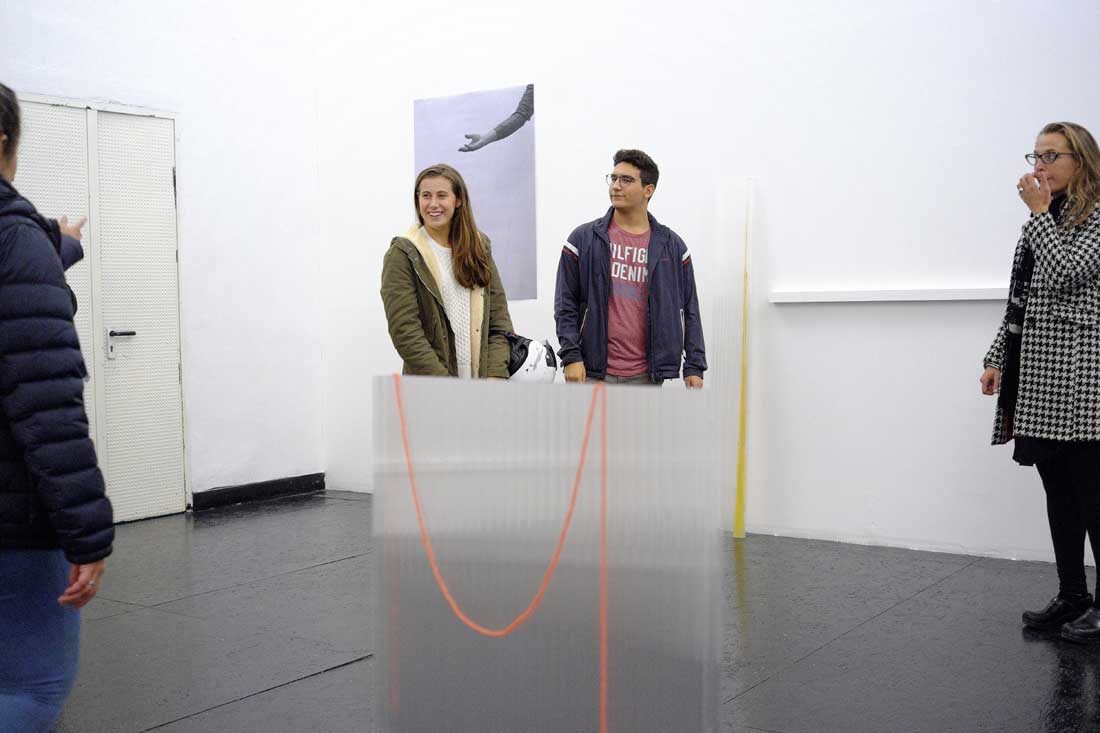
DARK COSMIC WEB – TOMAS SARACENO


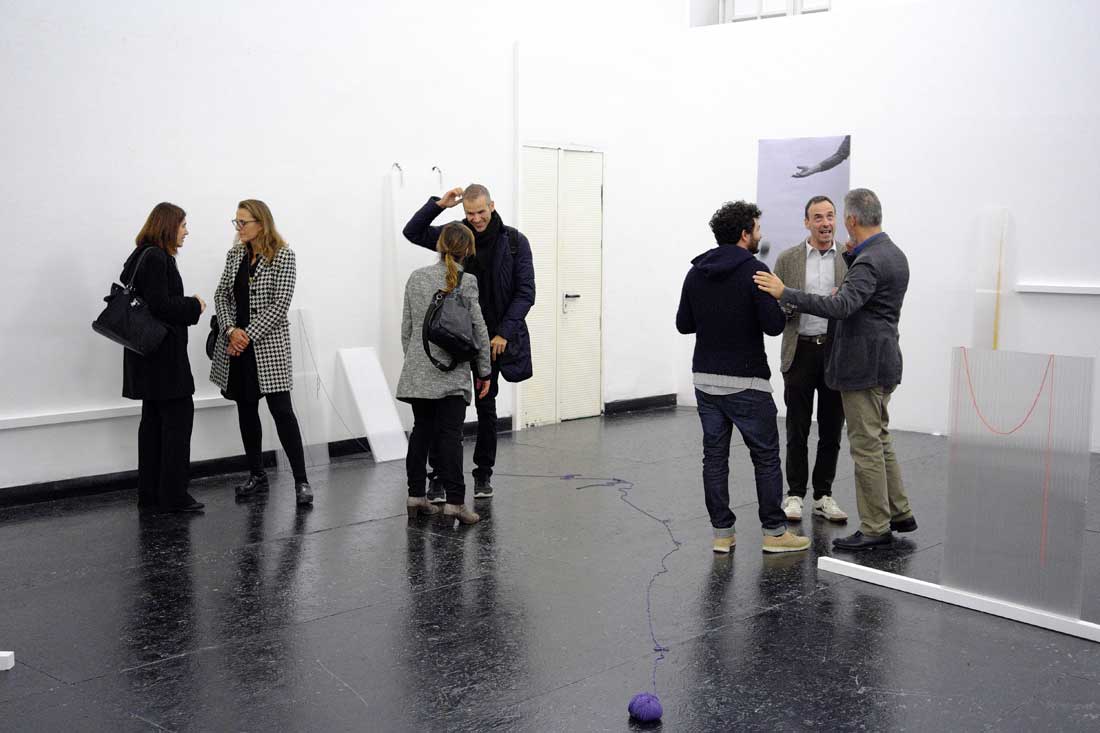
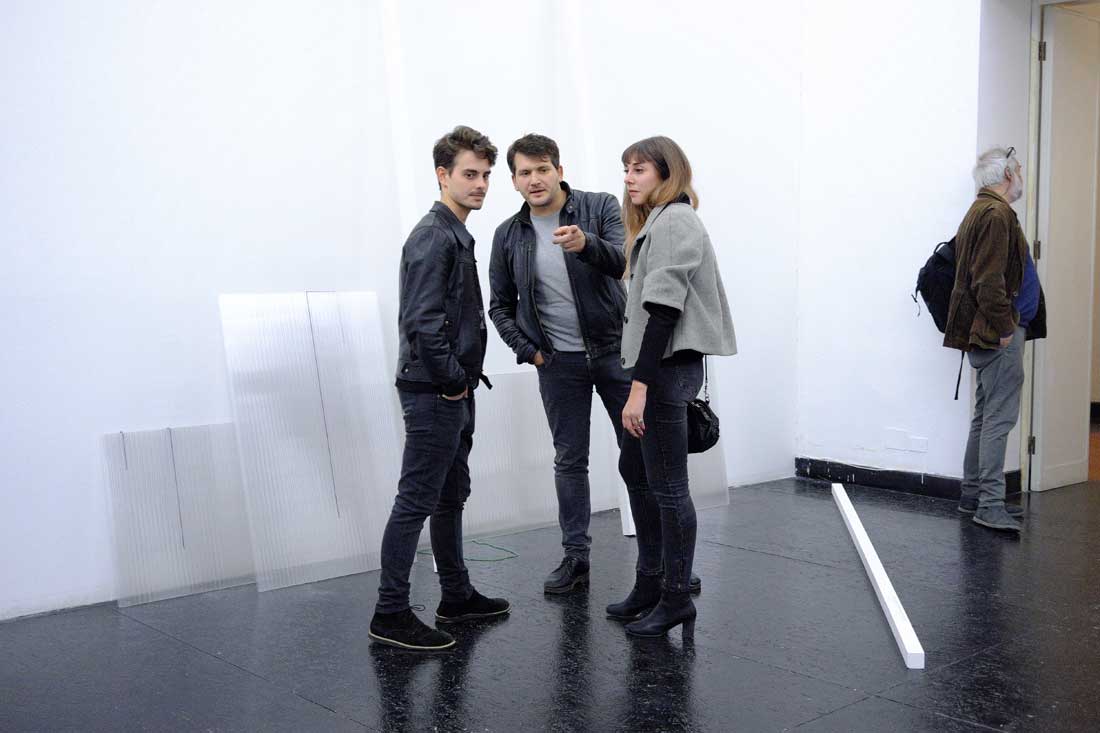
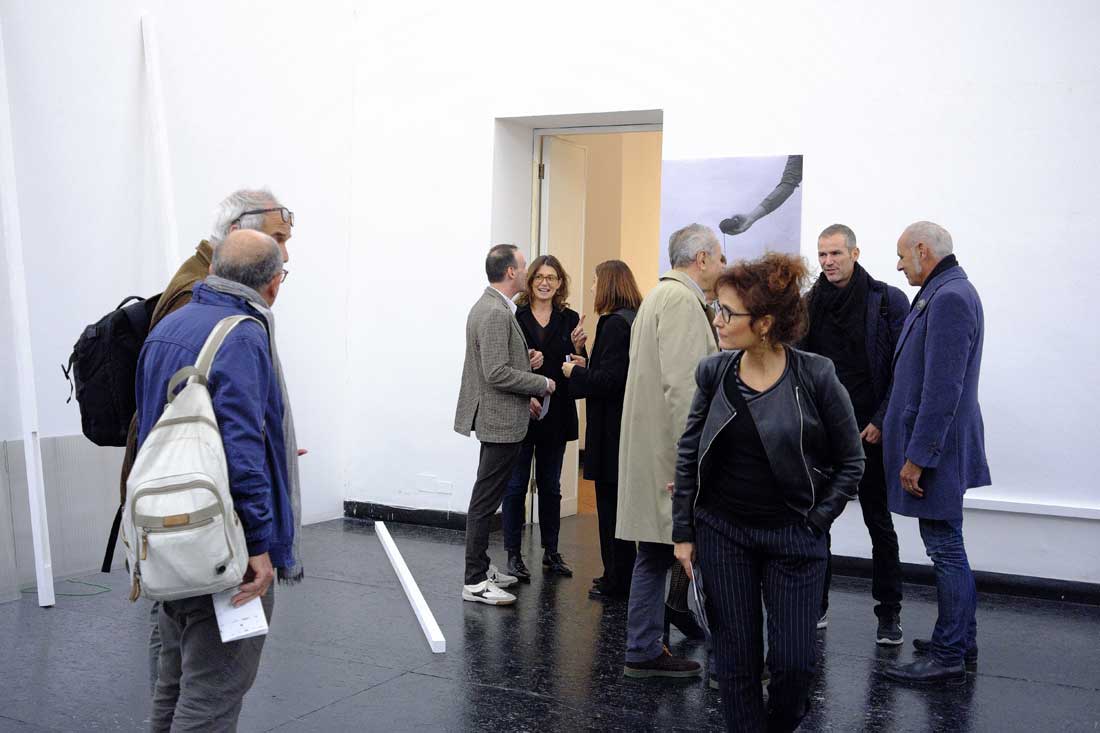
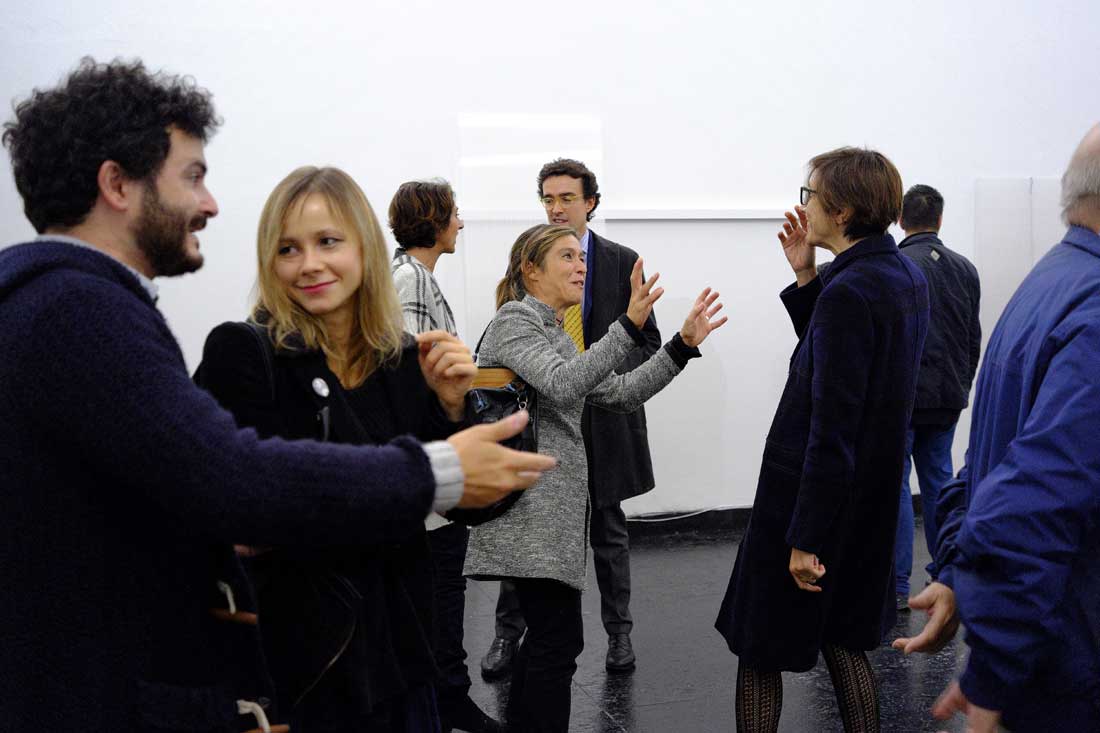
Photo credits Francesco Cardarelli



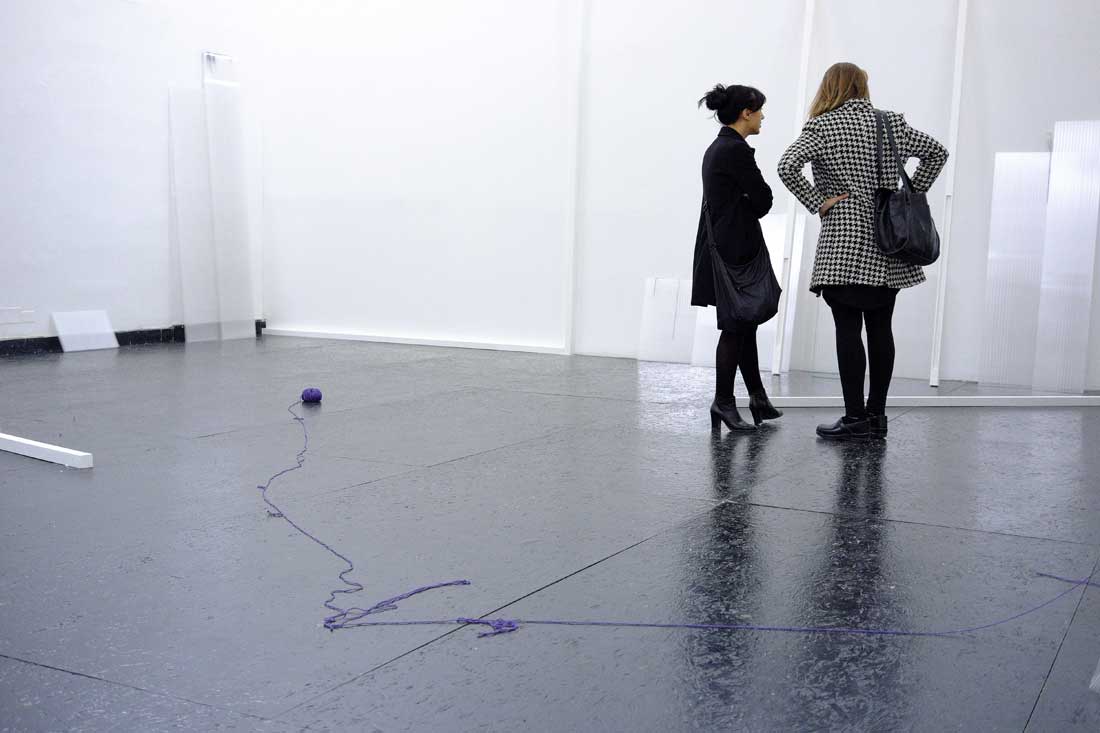
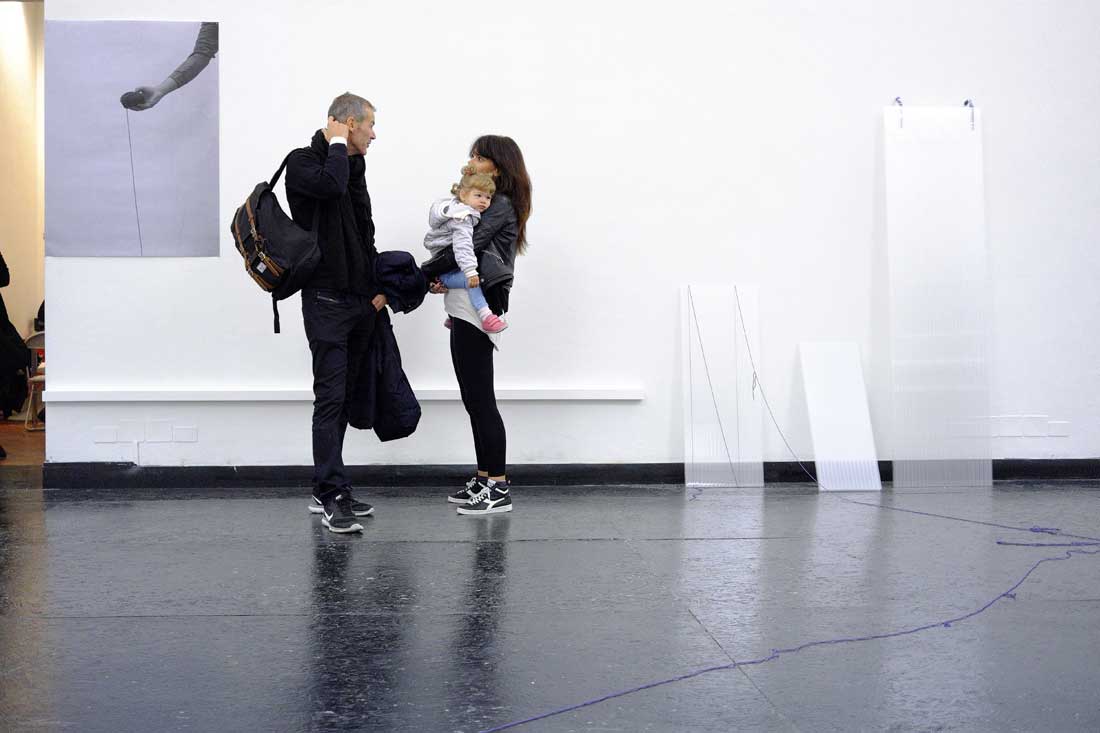
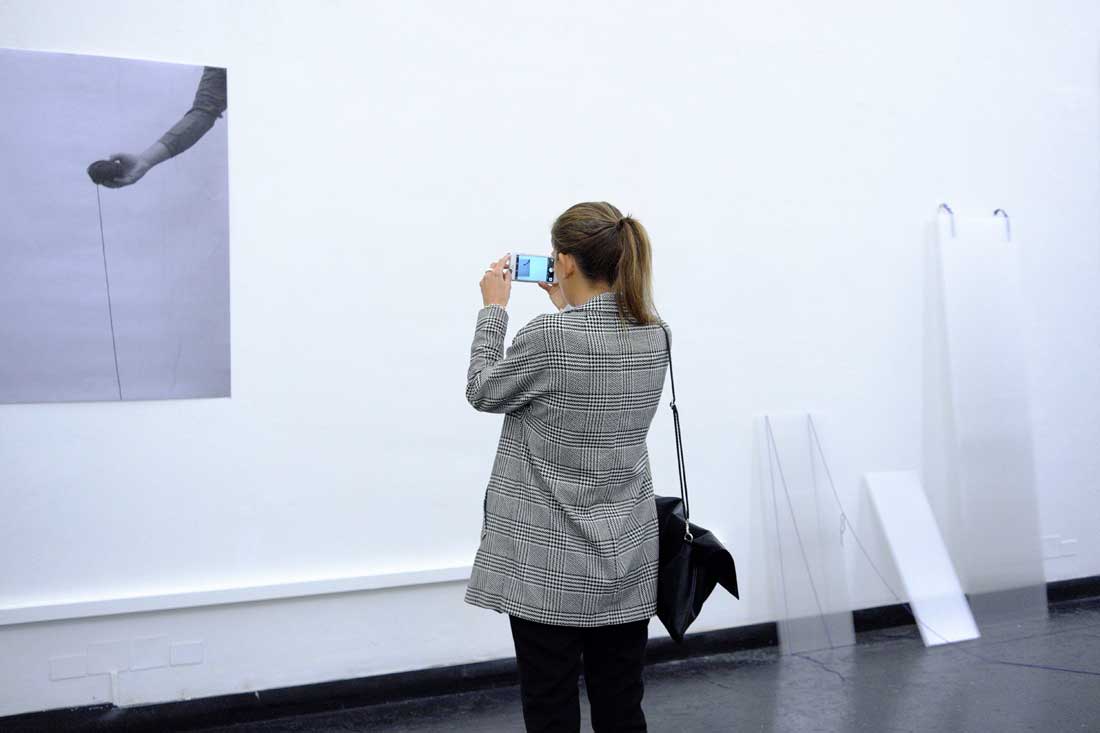
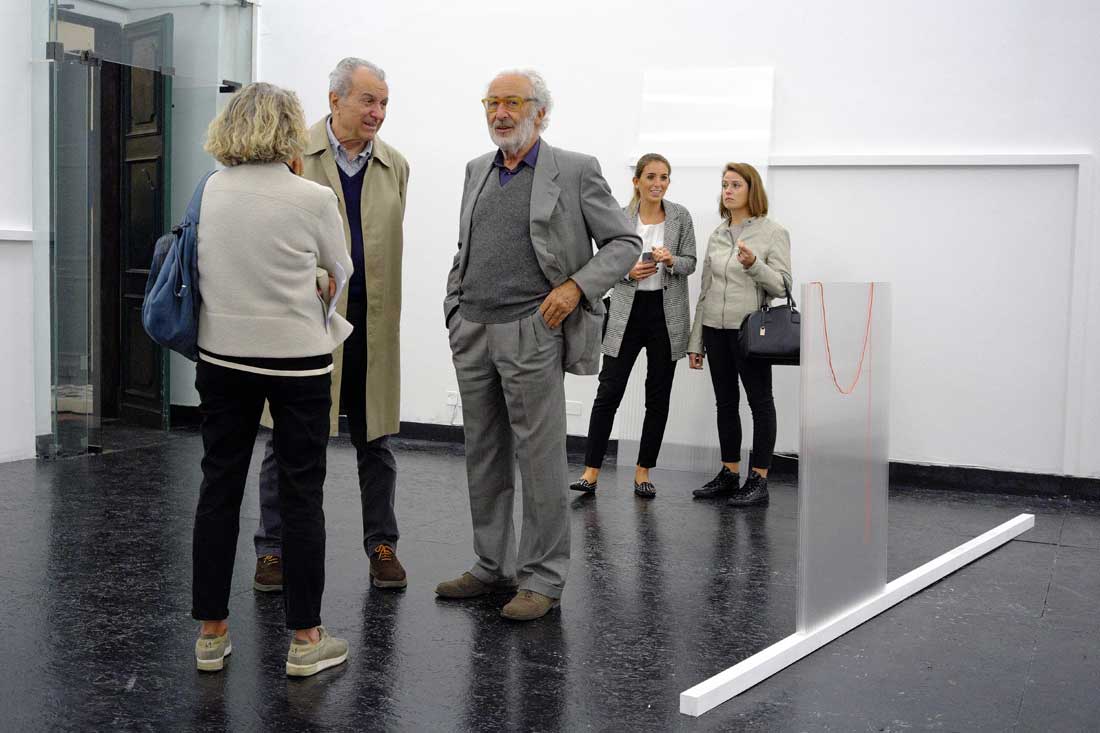





5 Ottobre 2016
In
Immagini Mostre
Tobias Putrih – Spogliando un Vicino


Photo credit Francesco Cardarelli
5 Ottobre 2016
In
Immagini Mostre
LOS PIES DE JUDAS – JORGE PERIS


Foto inaugurazione © Francesco Cardarelli
4 Ottobre 2016
In
Immagini Mostre
12.11.1972 – GRUPPO A12
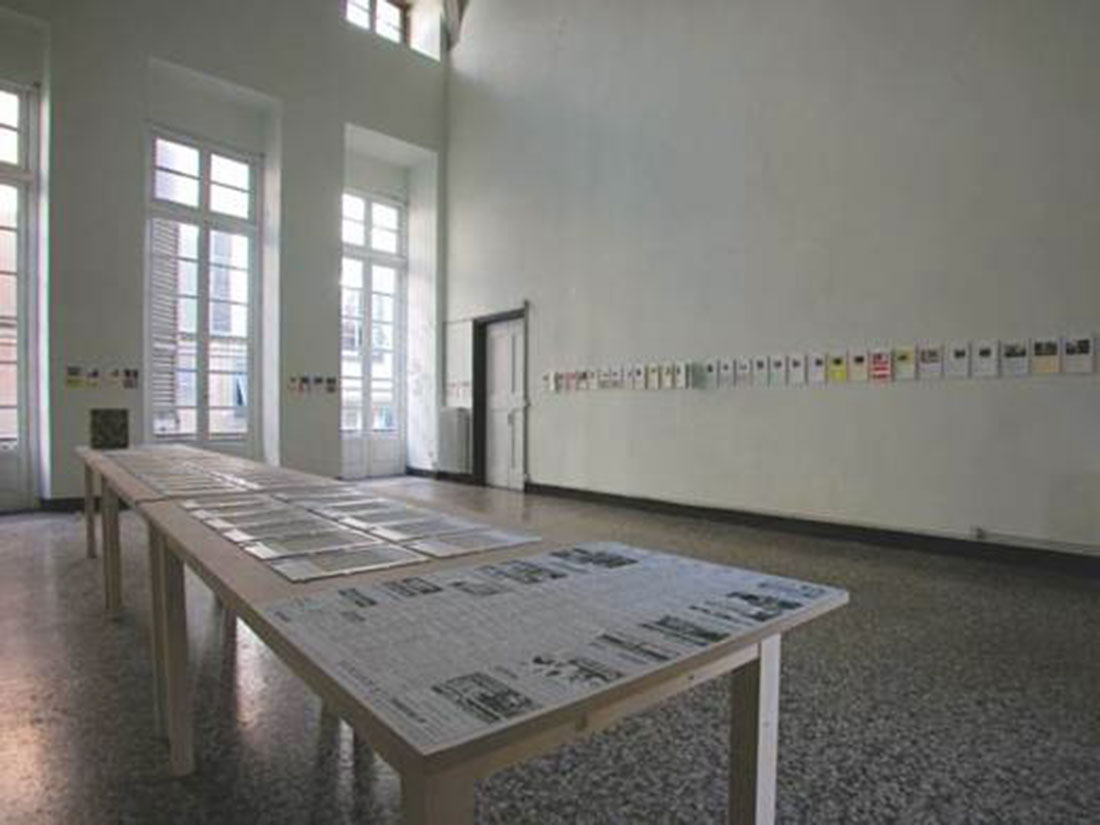
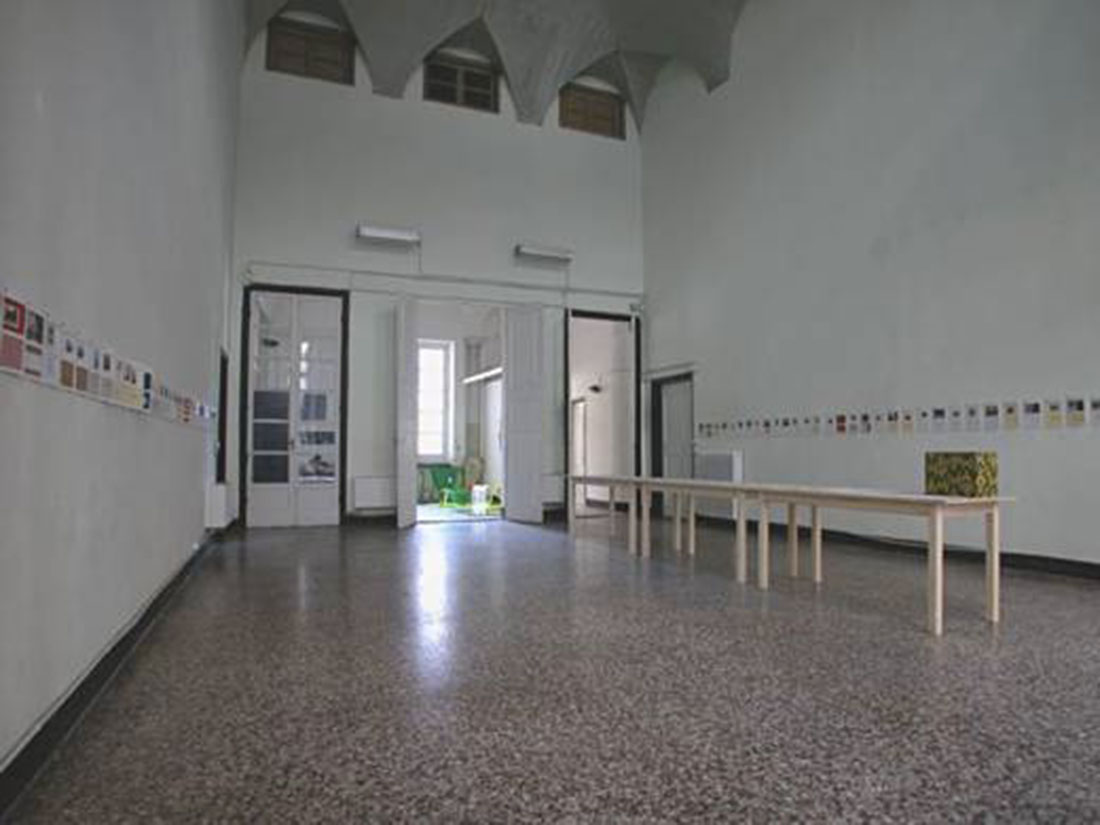
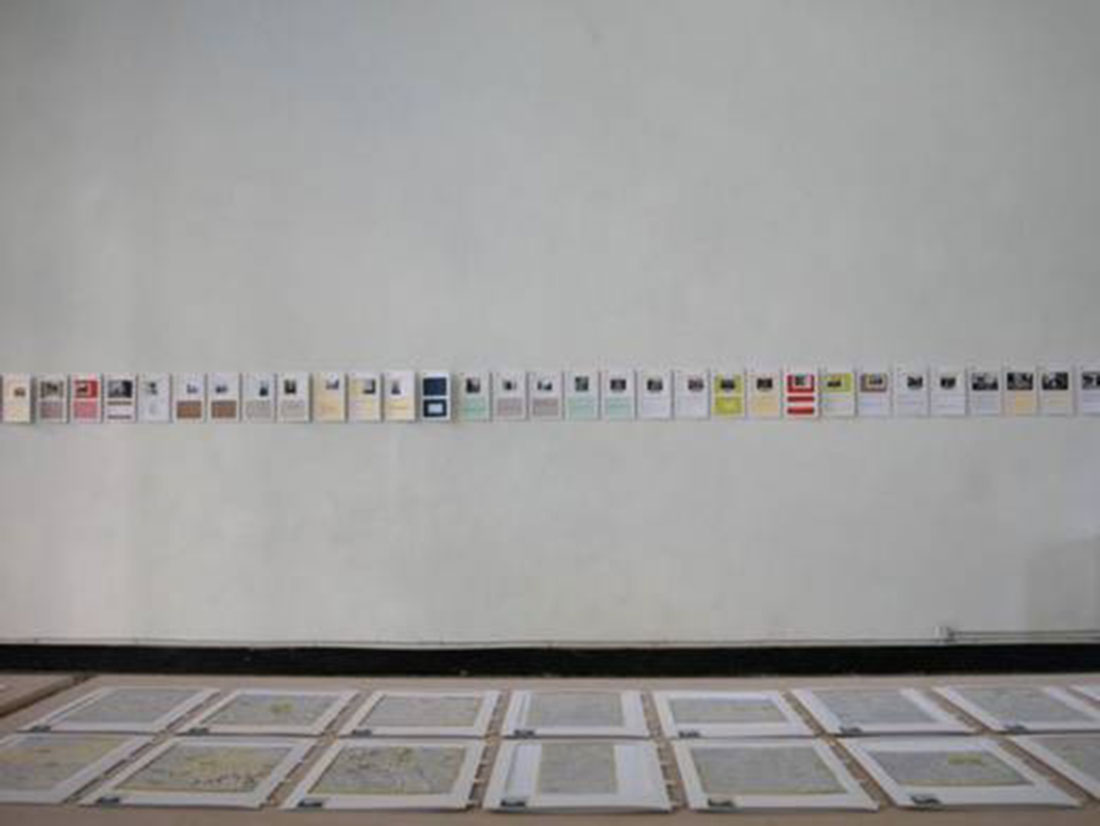
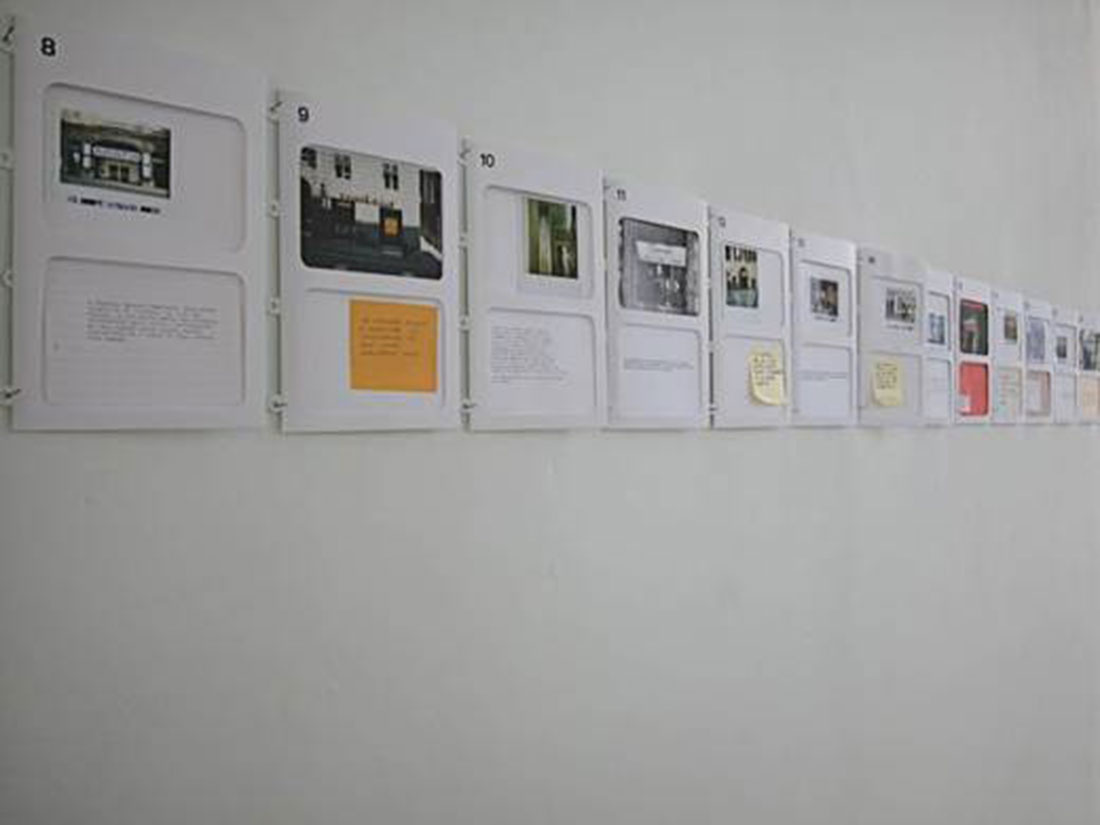
Foto inaugurazione © Massimiliano Marchica
4 Ottobre 2016
In
Immagini Mostre
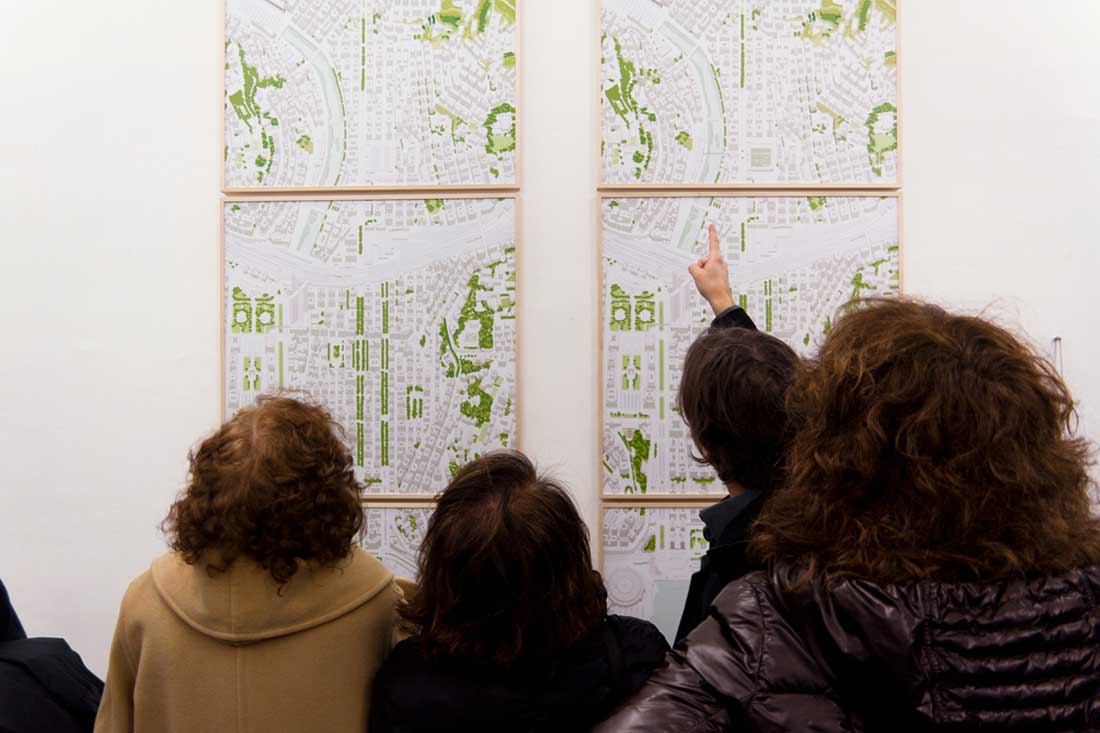
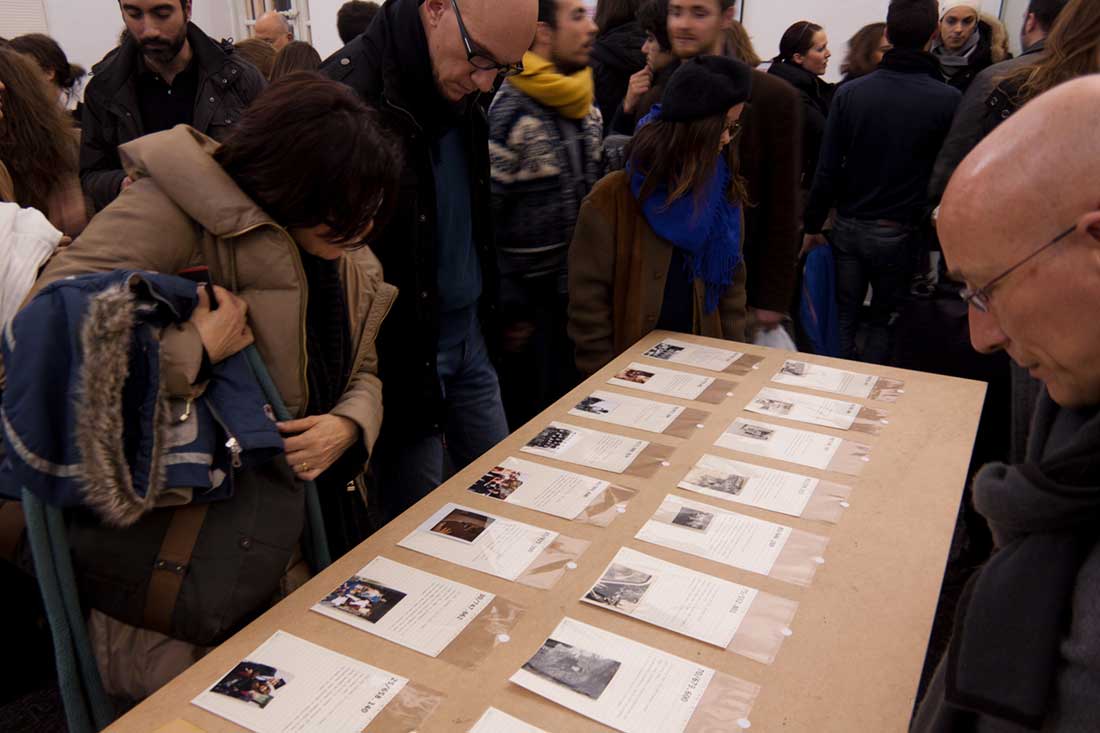
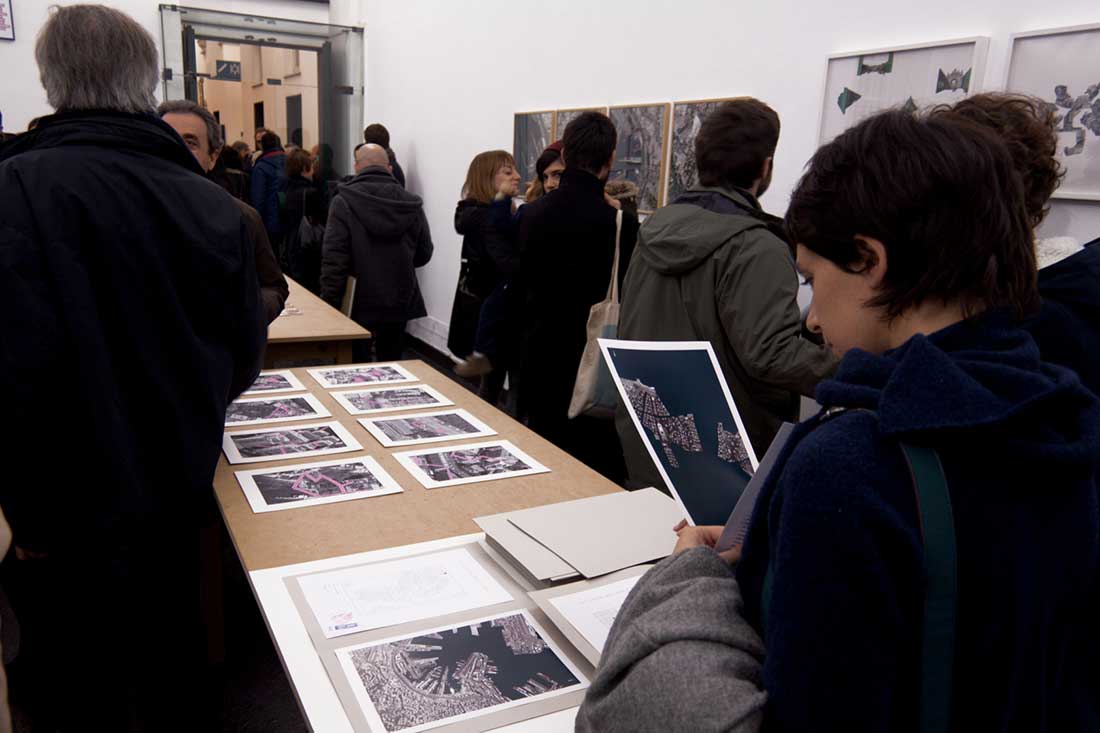
HEEBIES-JEEBIES – GRUPPO A12


Foto inaugurazione © Andrea Balestrero




3 Ottobre 2016
In
Immagini Mostre
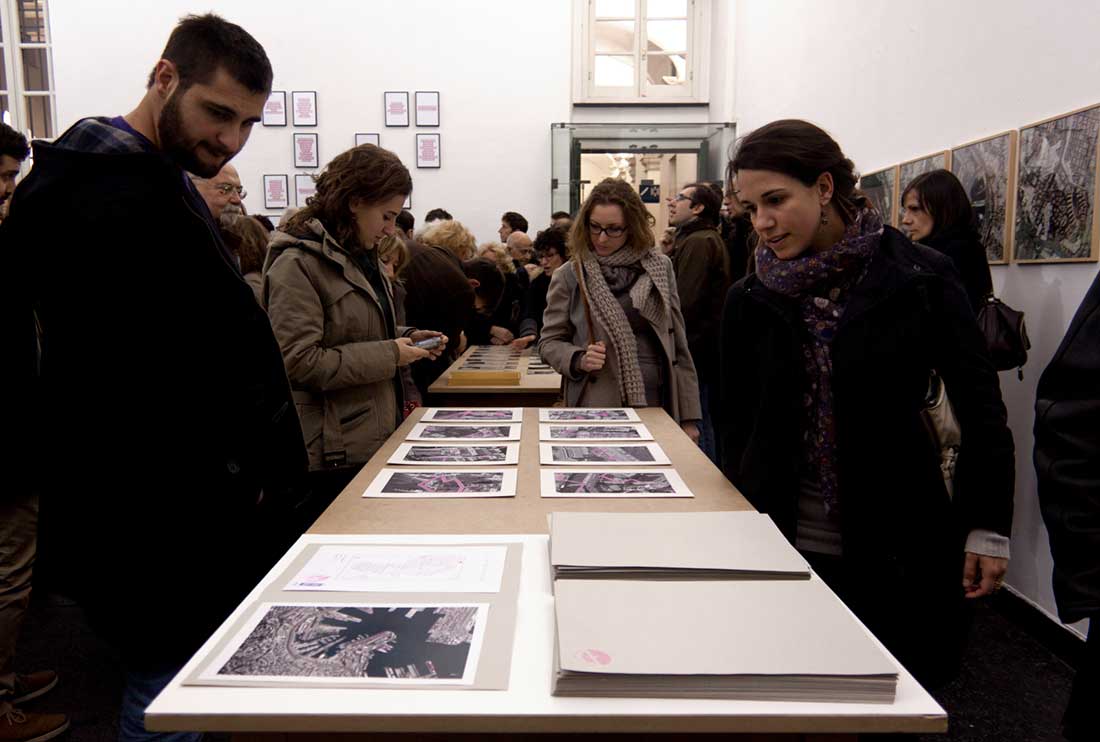
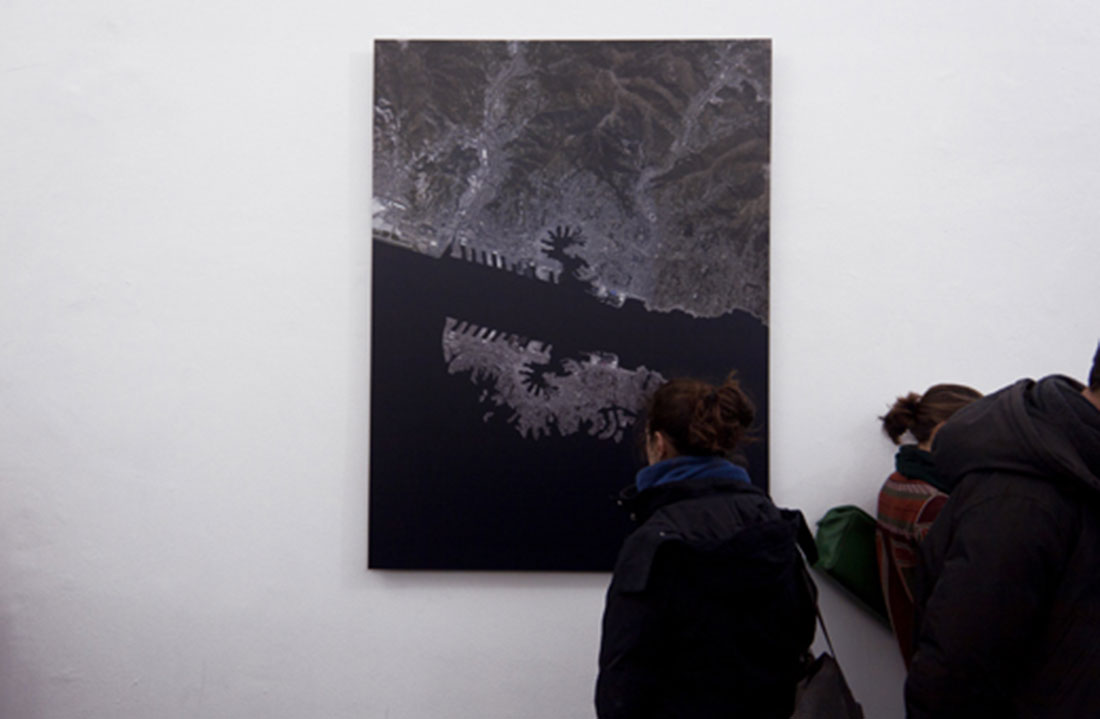
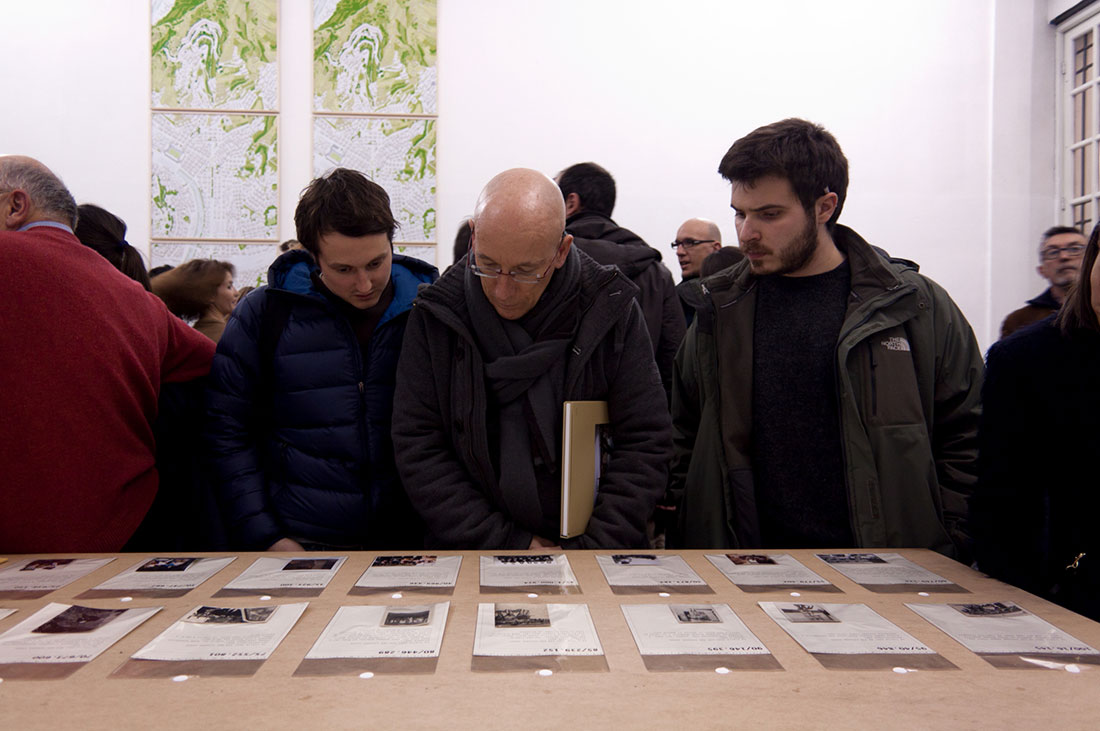
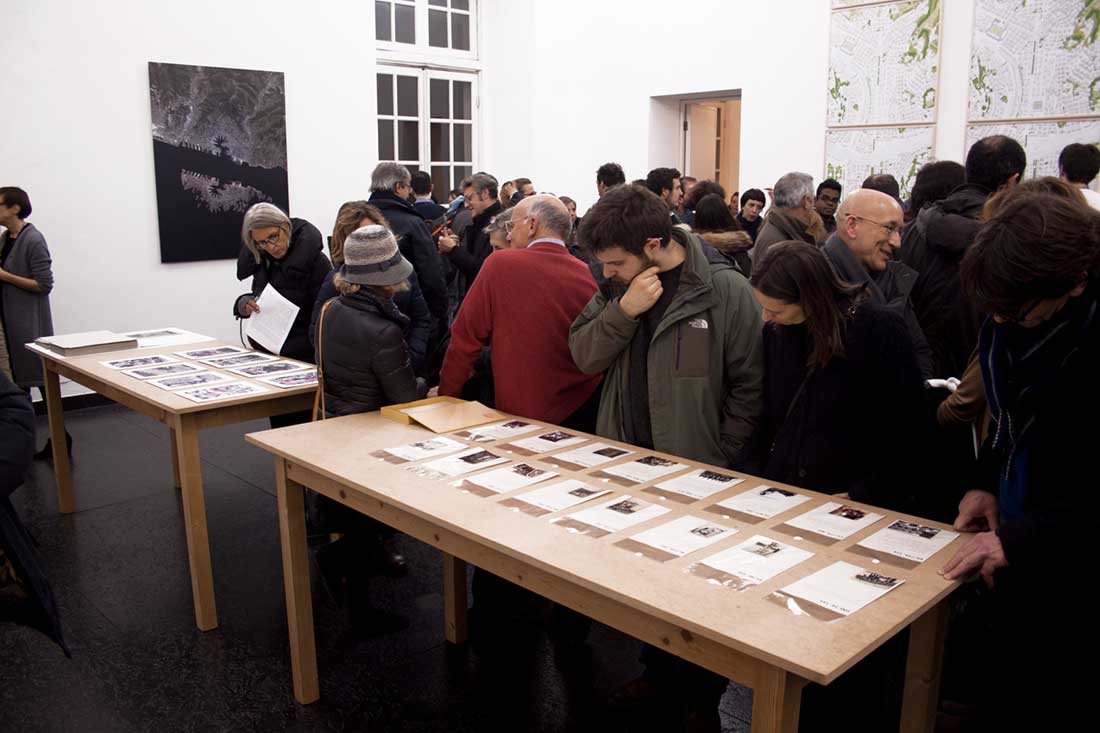
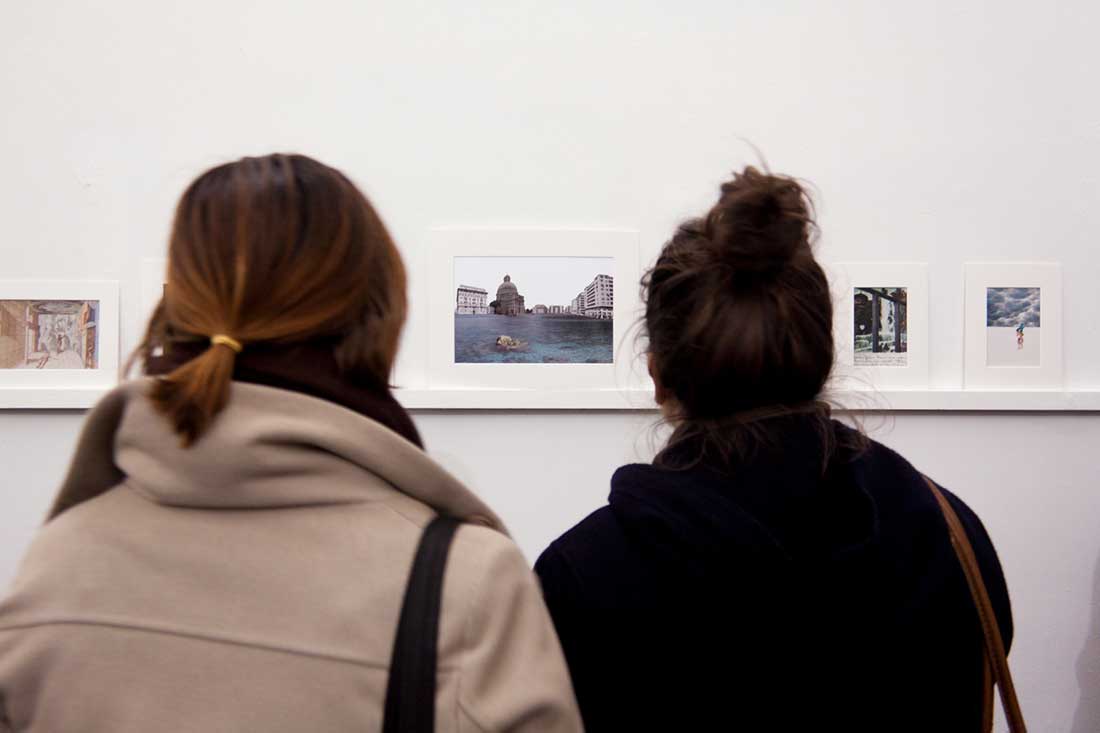
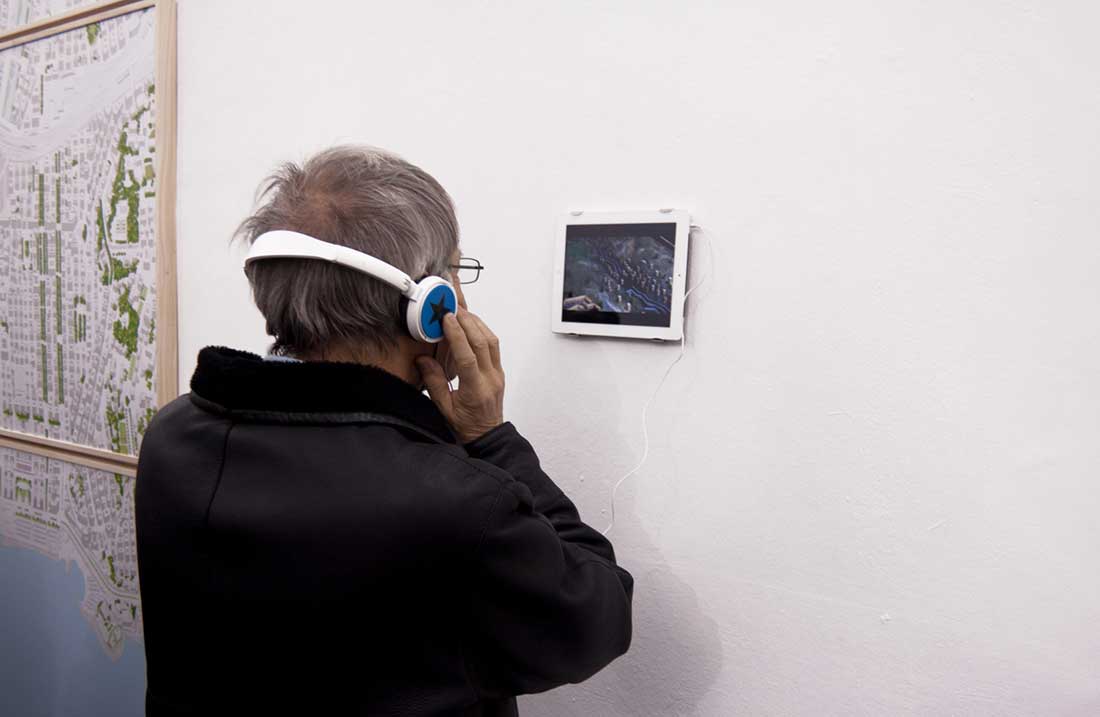
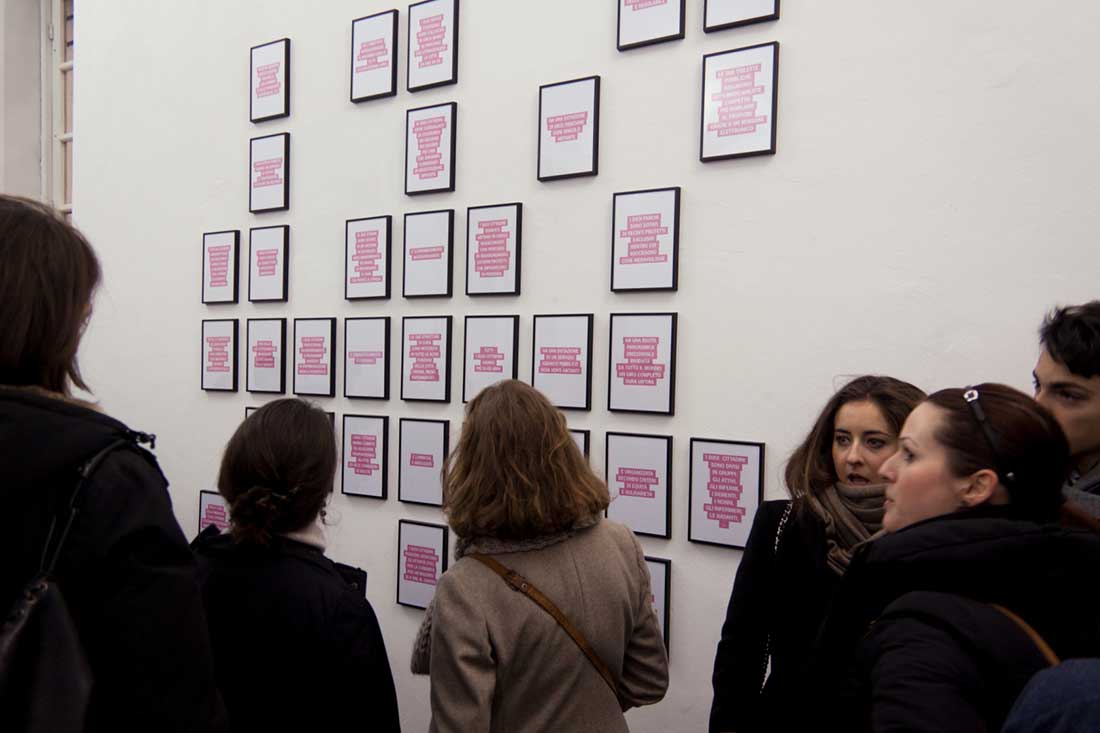
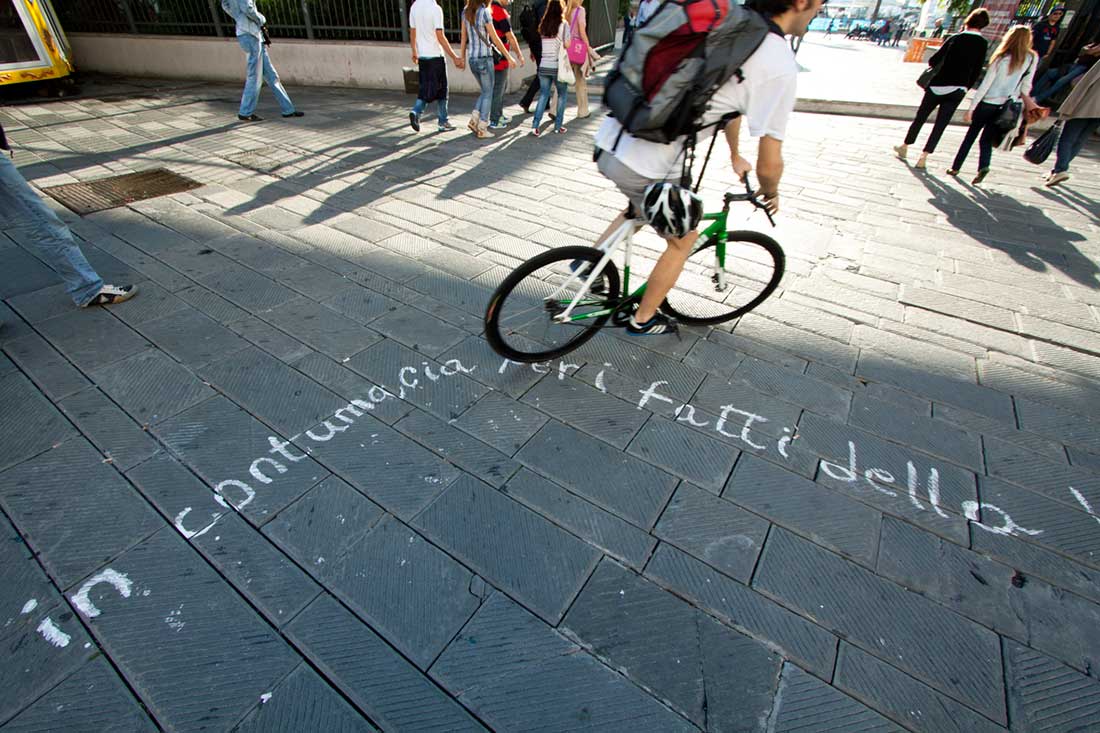
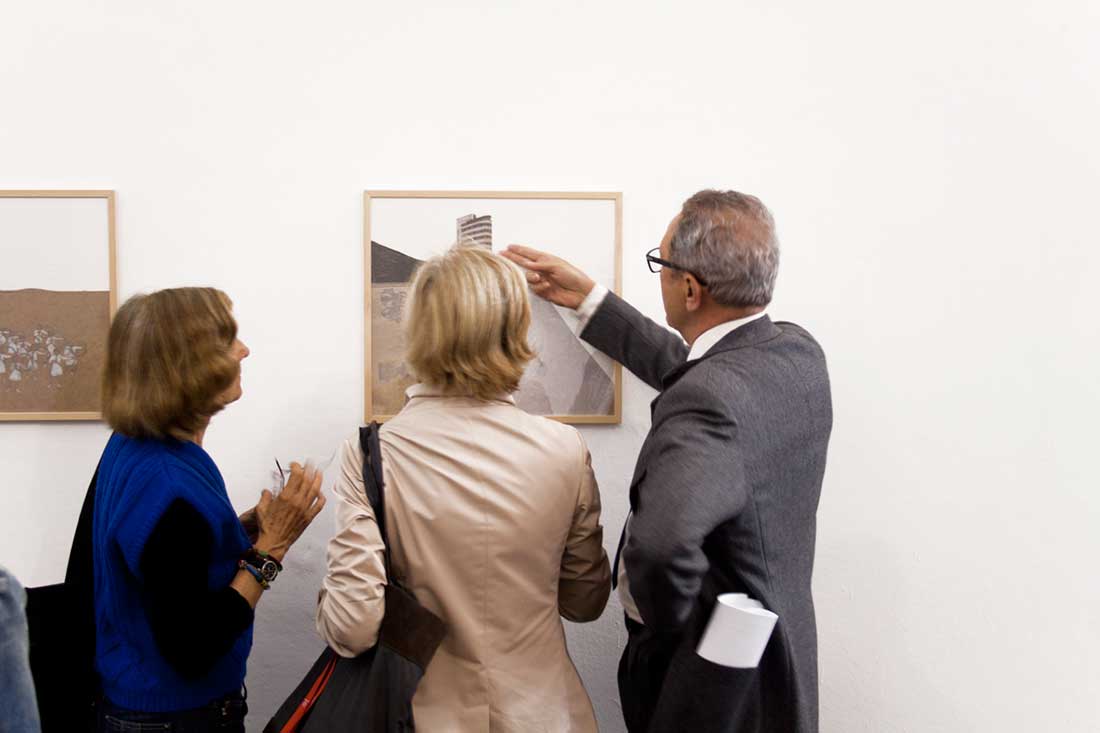
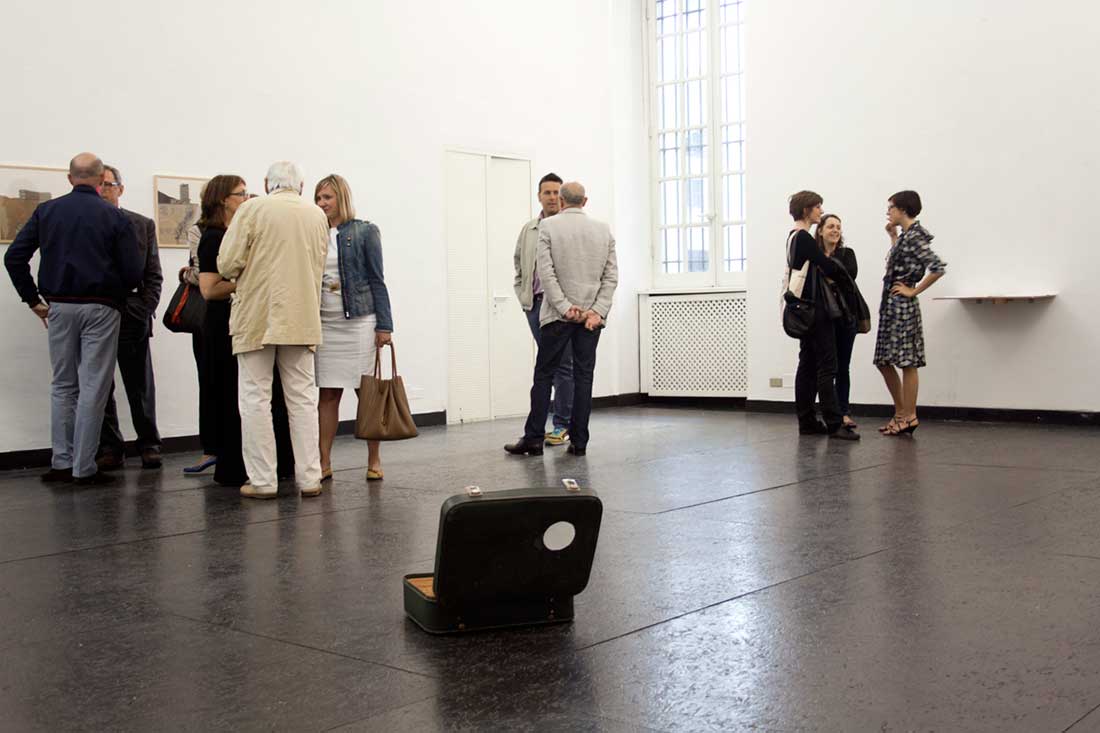
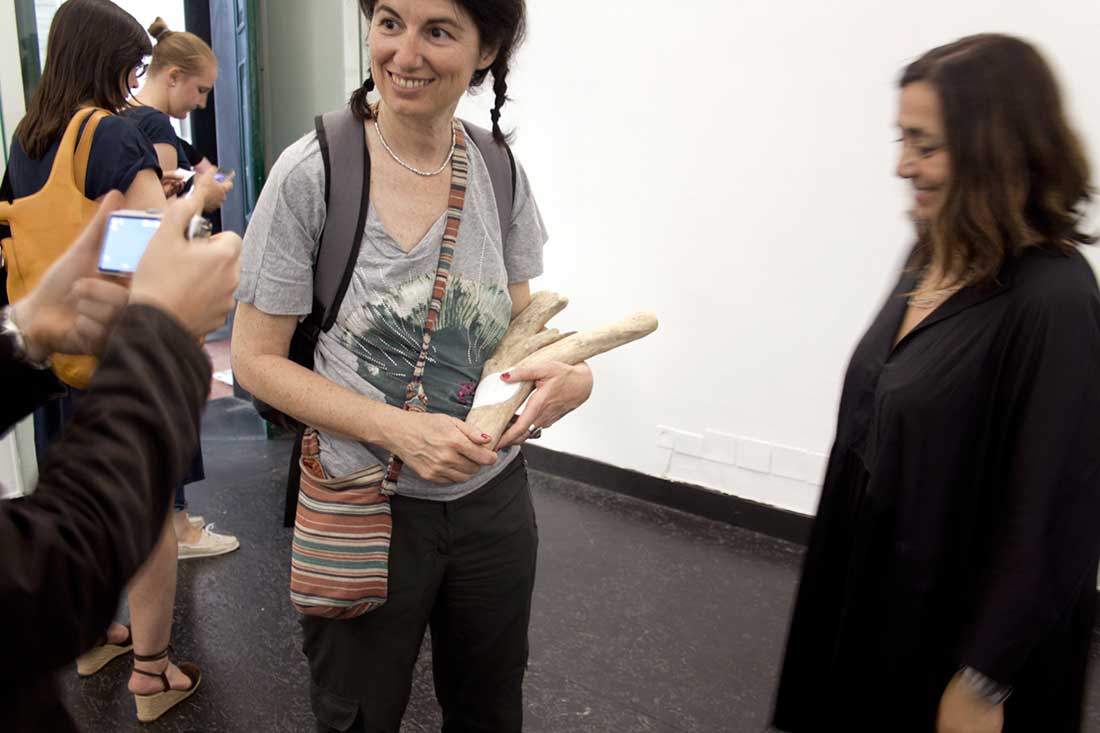
STEFANIA GALEGATI

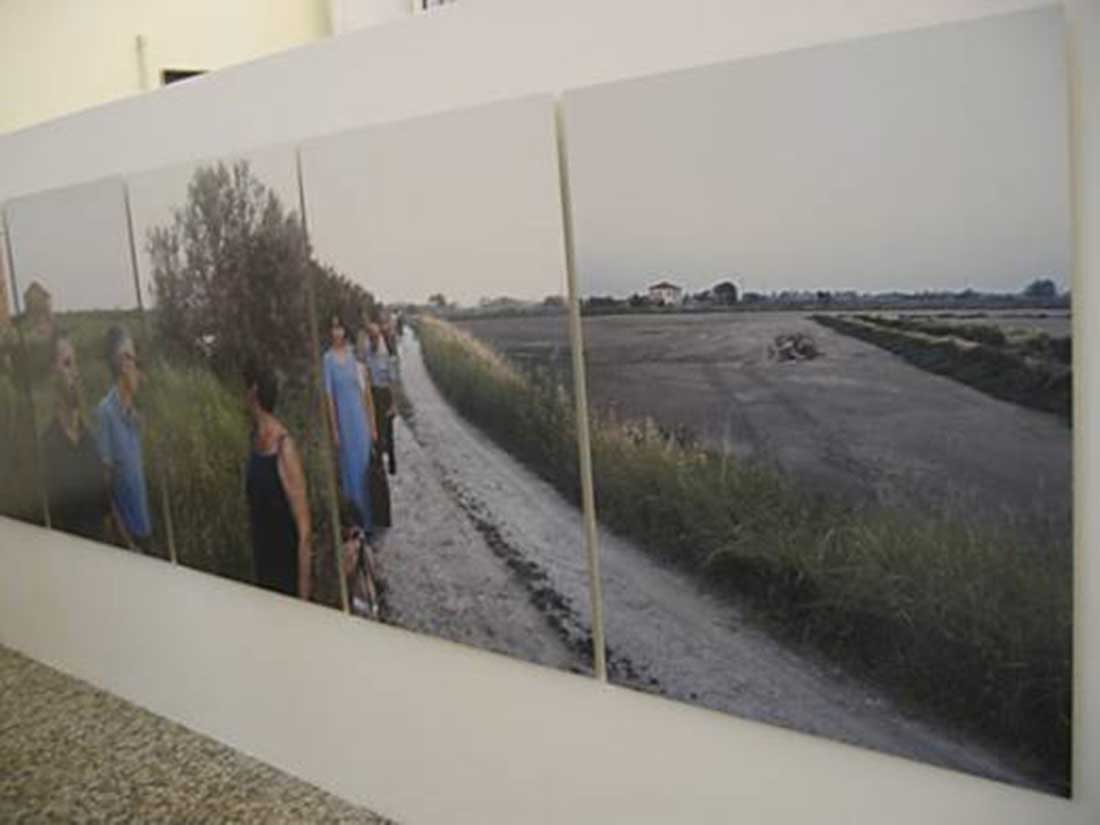
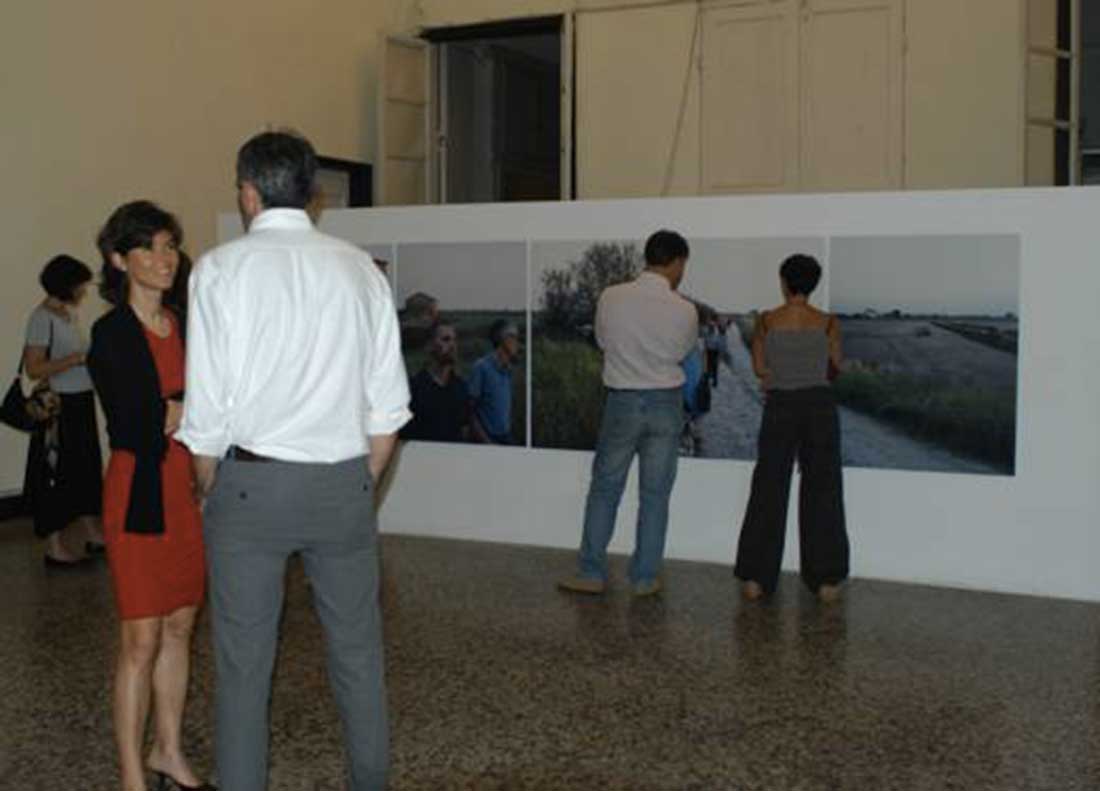
Foto inaugurazione © Stefania Galegati + Paolo Palmieri
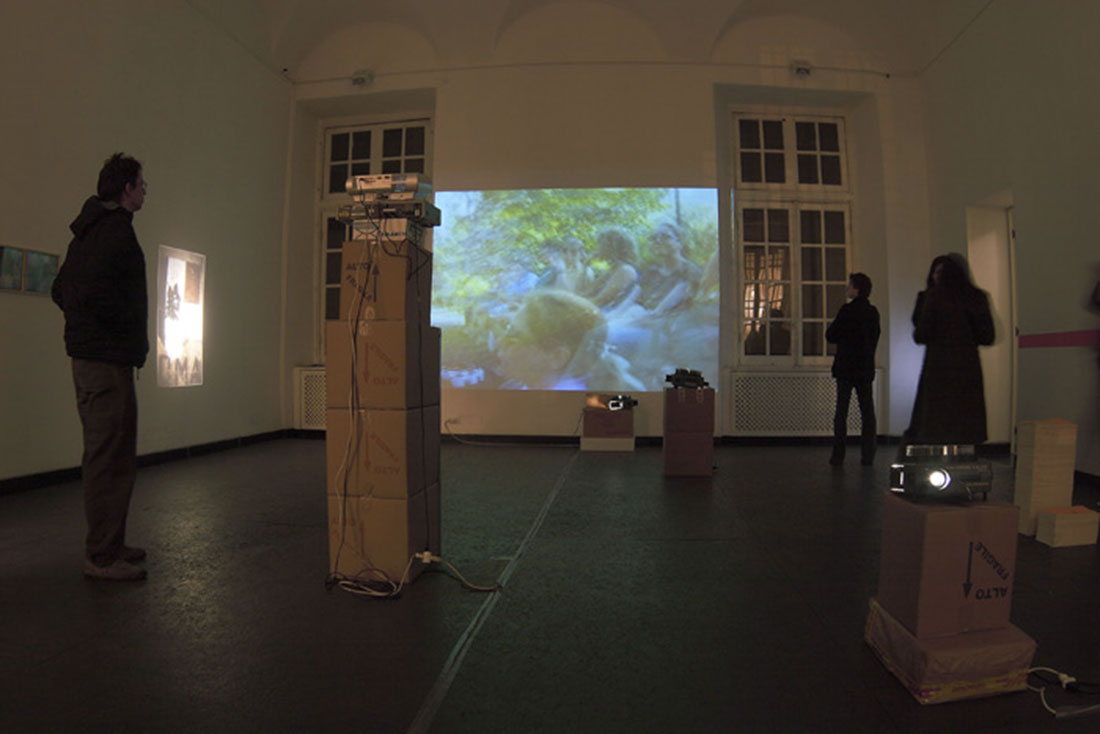


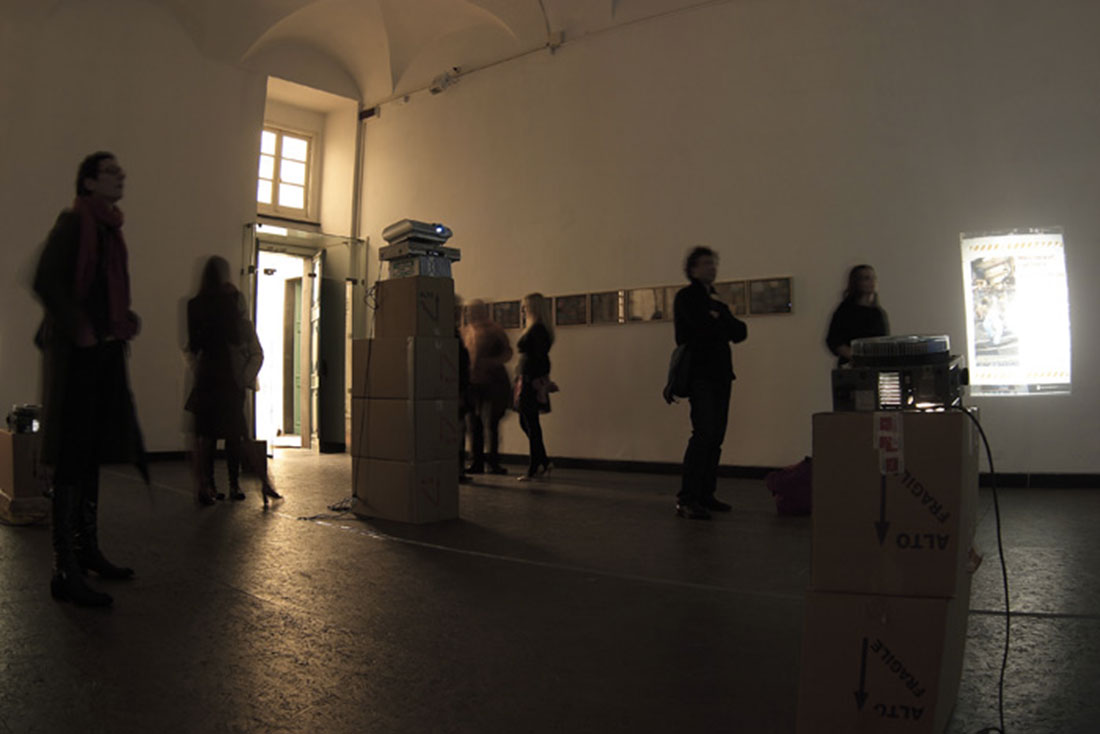

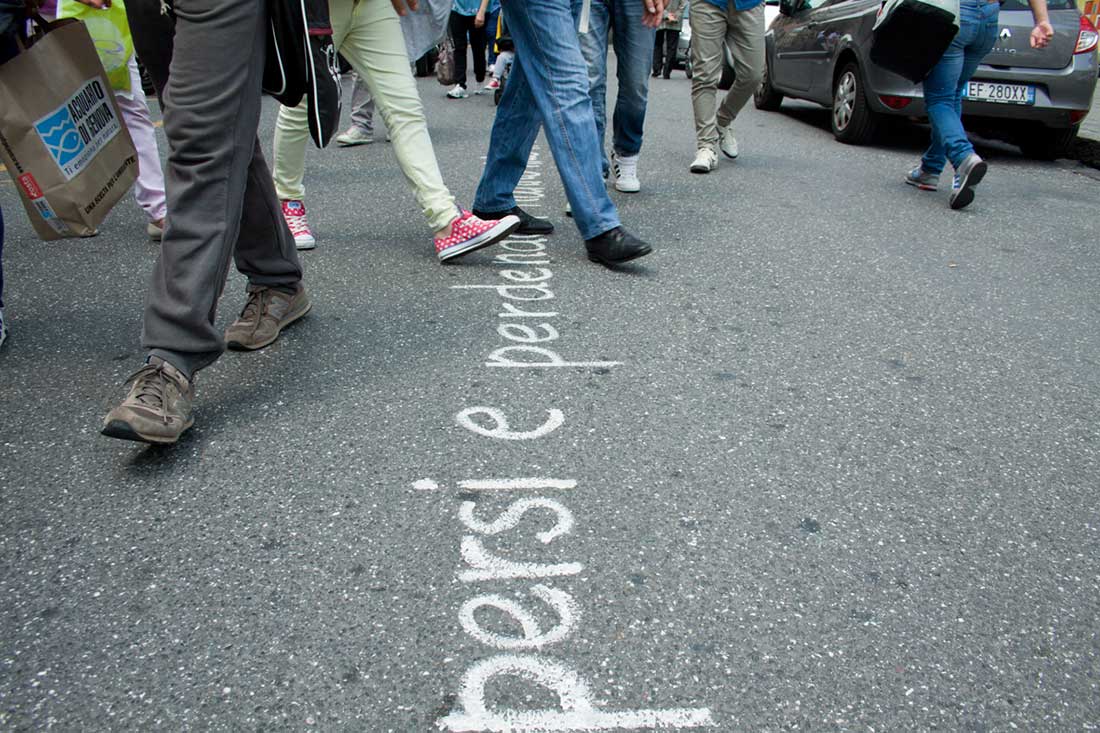


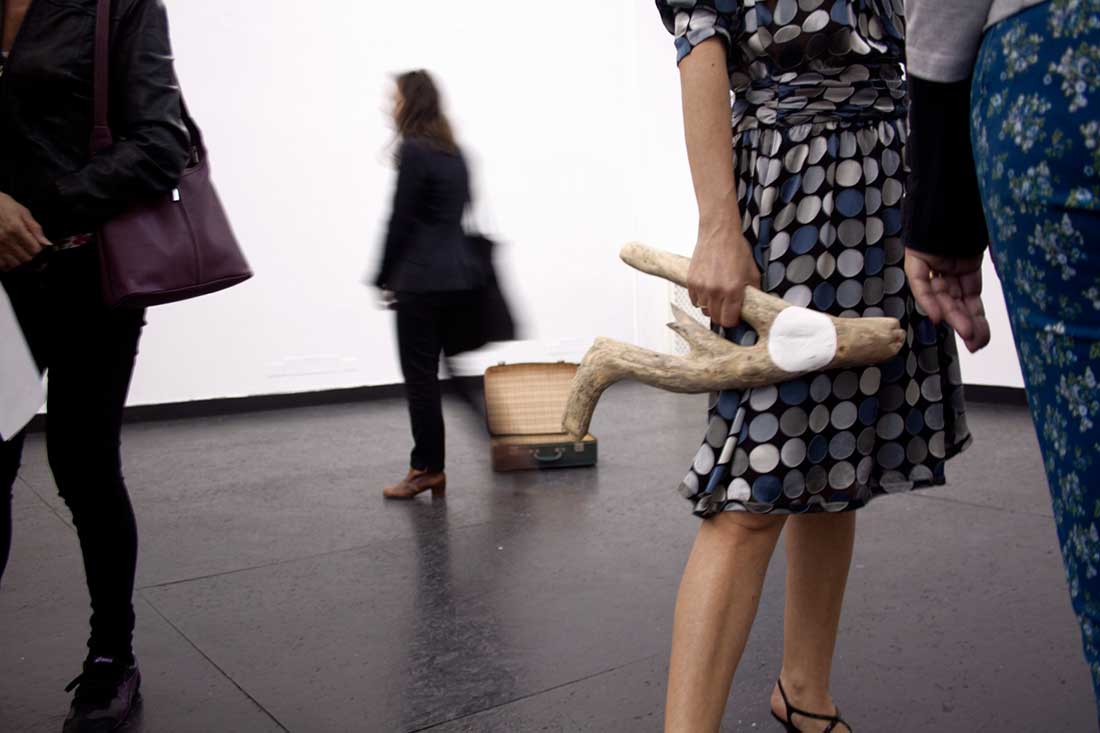
2 Ottobre 2016
In
Immagini Mostre
Plamen Dejanoff – Collective Wishdream of Upperclass
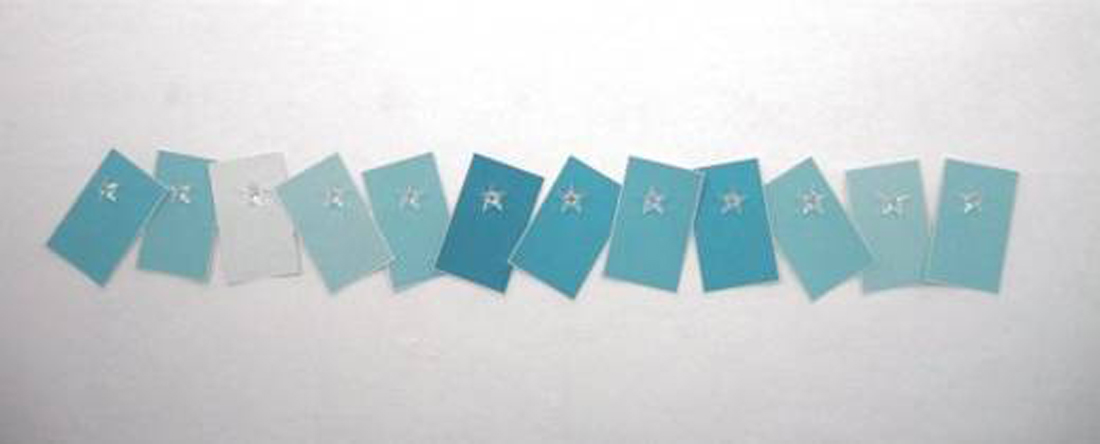
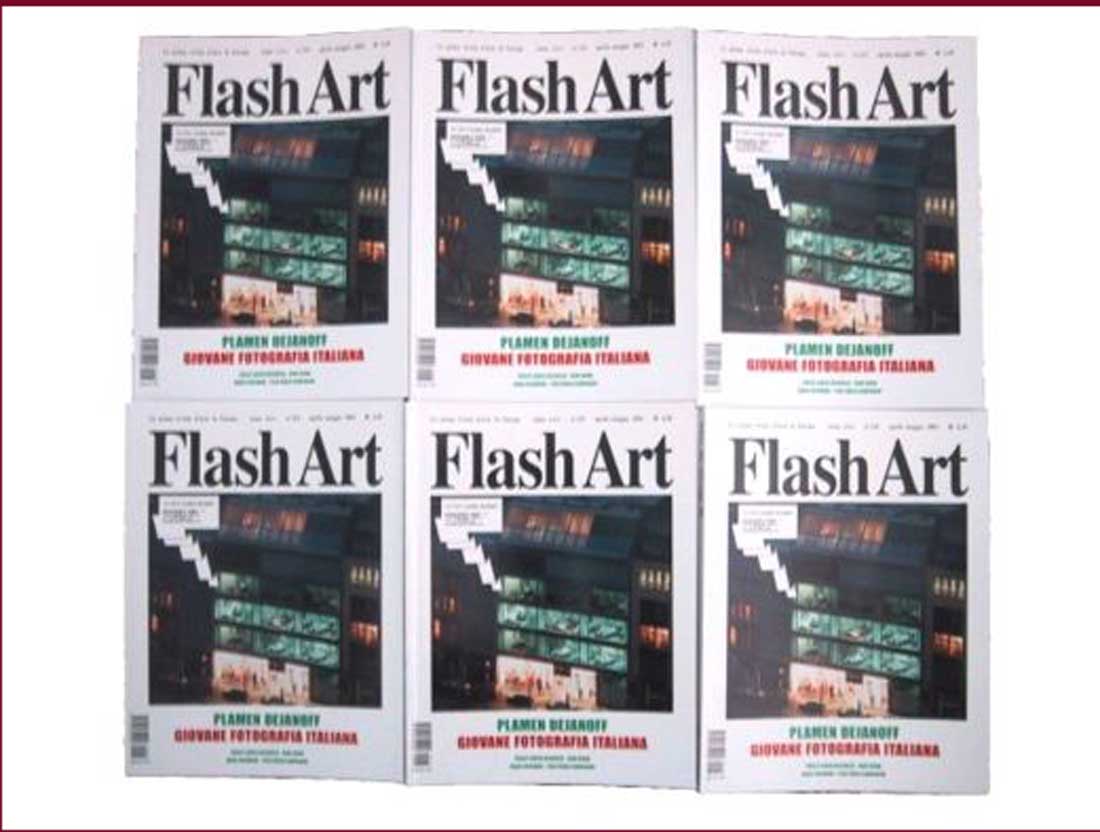
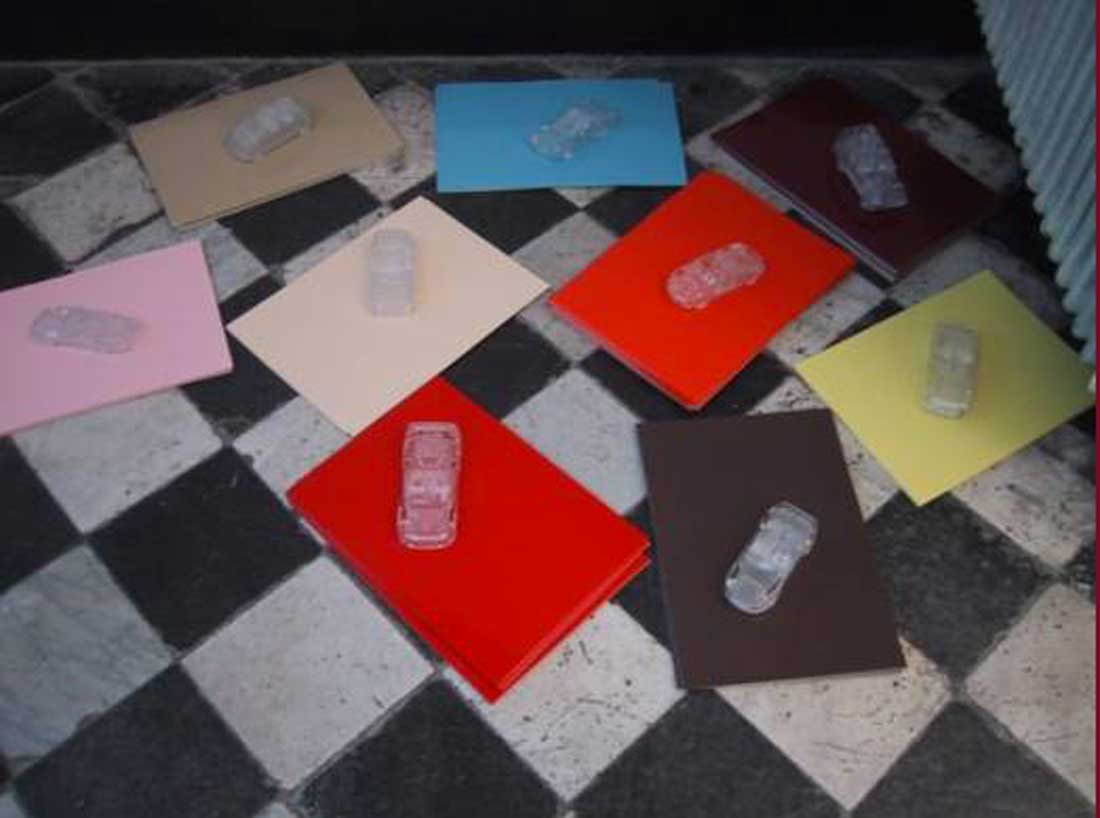
Foto inaugurazione © Paolo Palmieri


1 Ottobre 2016
In
Immagini Mostre
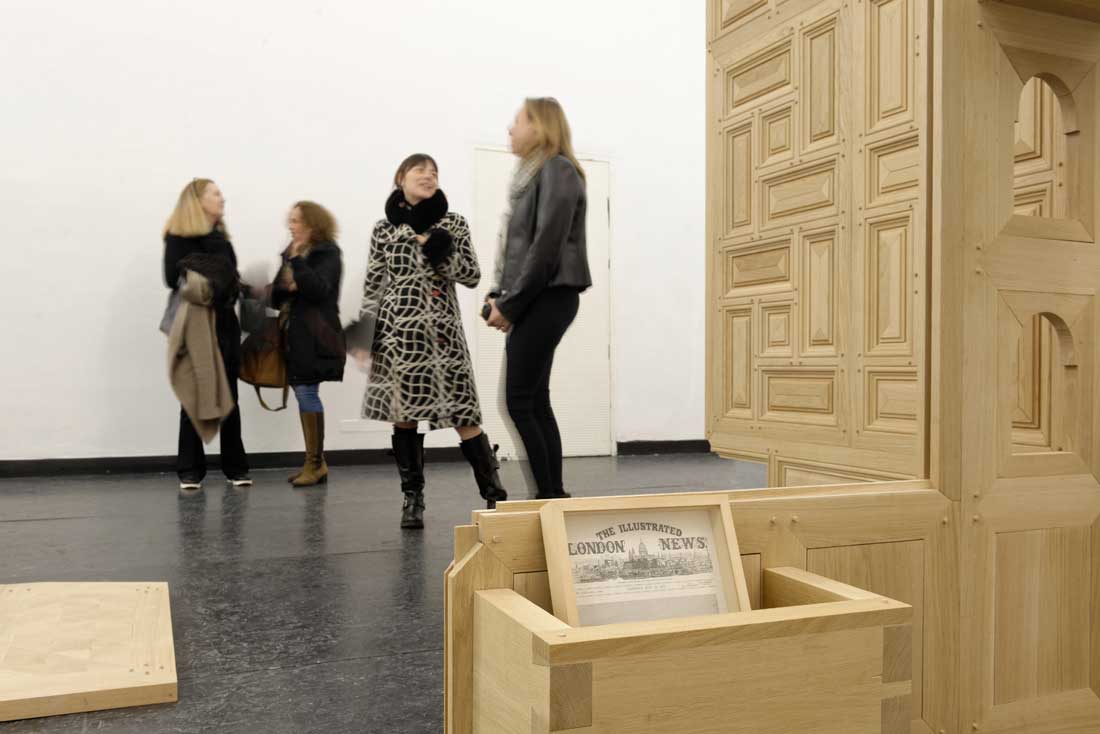
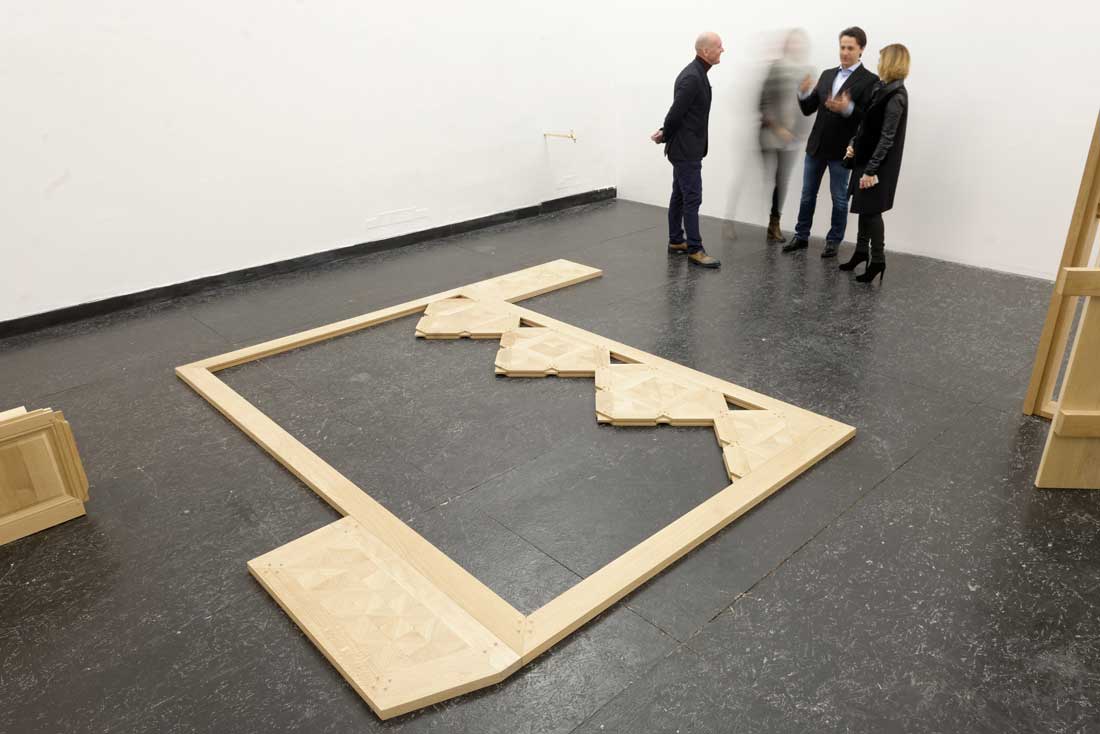
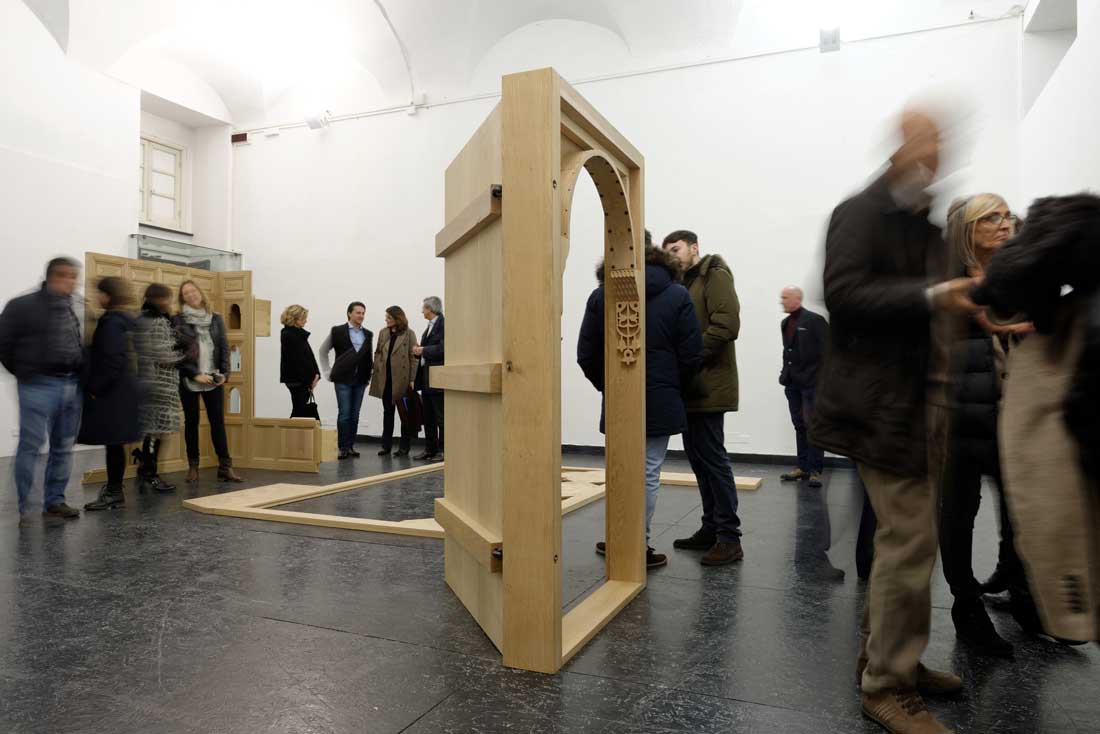
Plamen Dejanoff – Foundation Requirements
-
- Genova – galleria arte contemporanea Pinksummer – Plamen Dejanoff – foundation requirements – opening february 2015
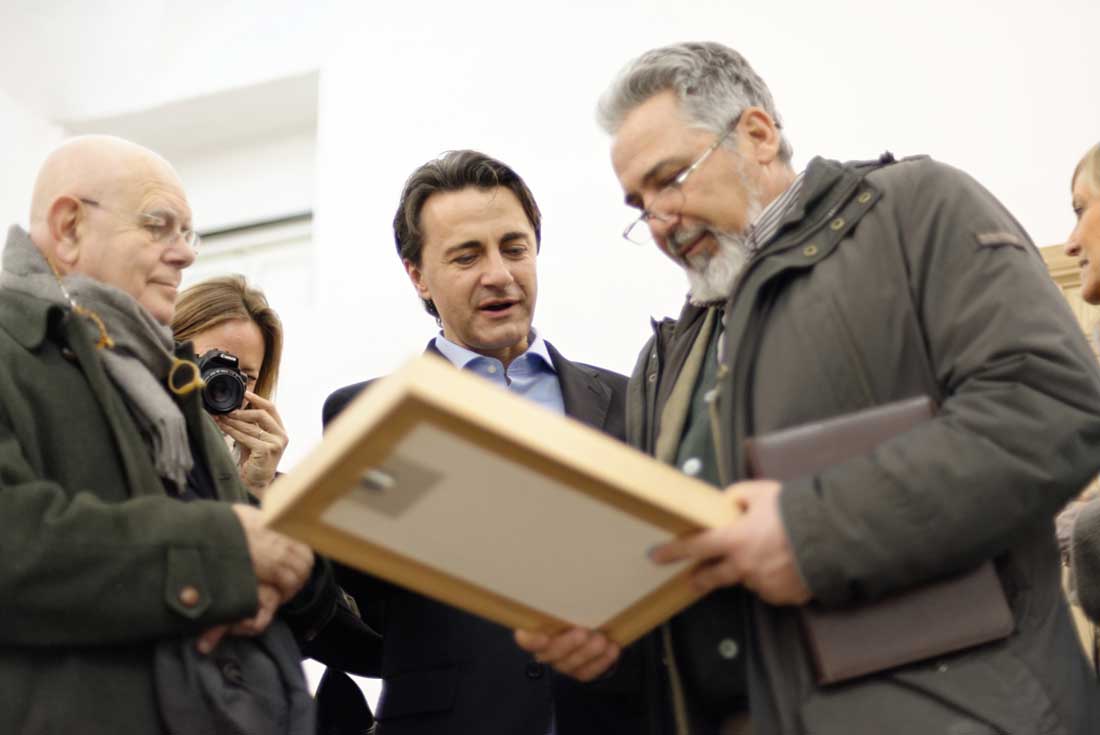
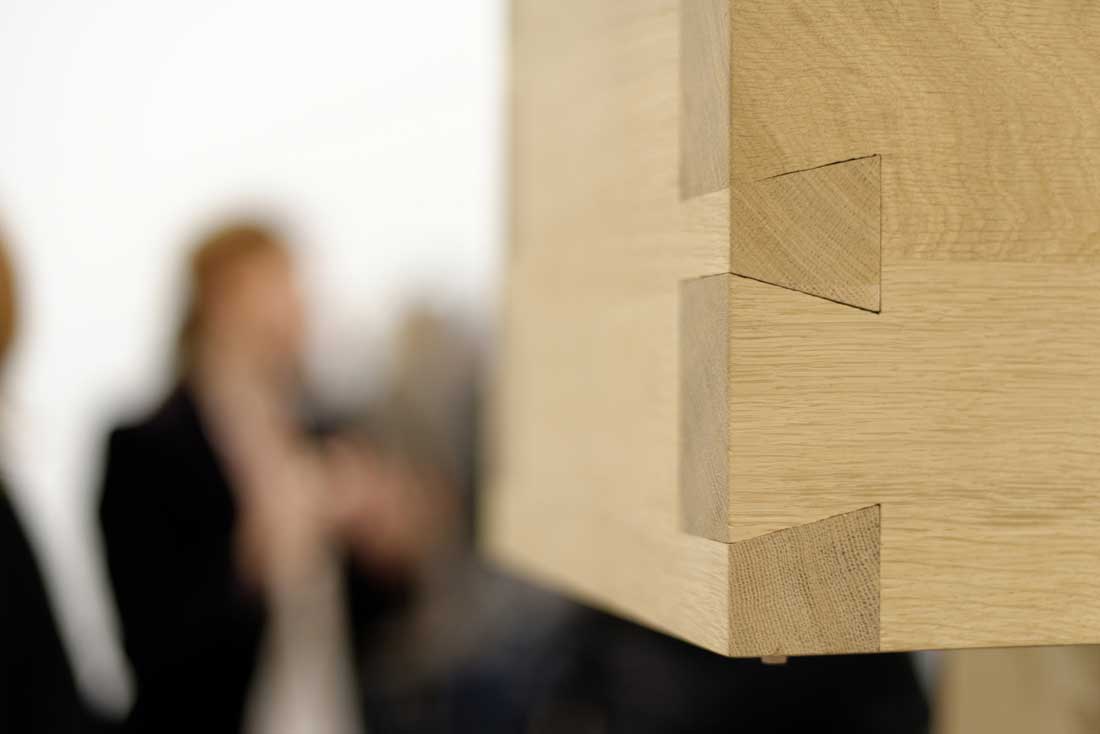
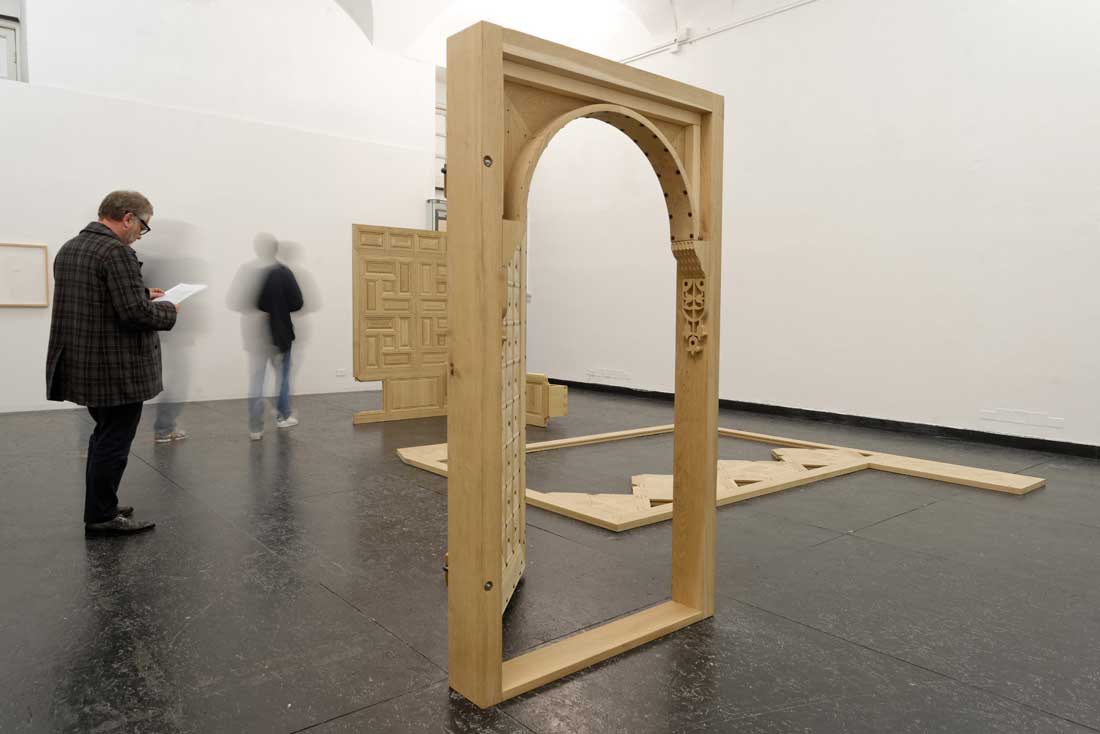
Foto inaugurazione © Davide Pambianchi
30 Settembre 2016
In
Immagini Mostre
Mariana Castillo Deball – Figures Don’t Lie but Liars Can Figure


Foto inaugurazione © Francesco Cardarelli
30 Settembre 2016
In
Immagini Mostre
Mariana Castillo Deball – Tamoanchan


Foto inaugurazione © Francesco Cardarelli
30 Settembre 2016
In
Immagini Mostre
Second Nature – Guy Ben-Ner
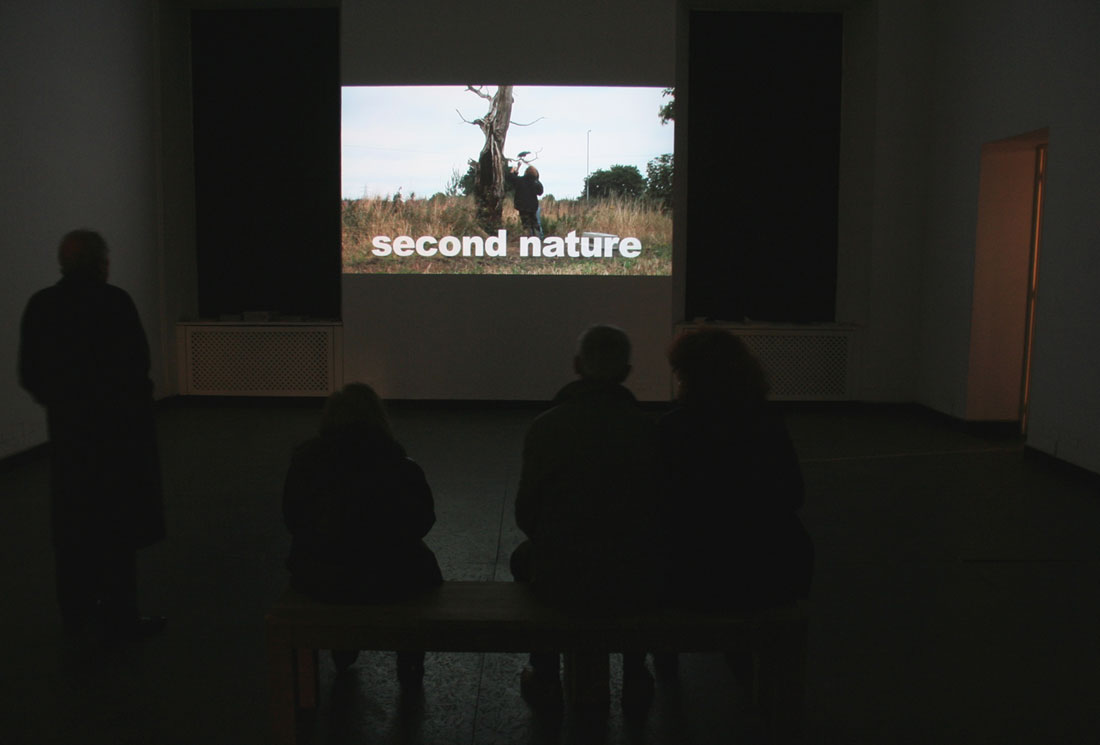


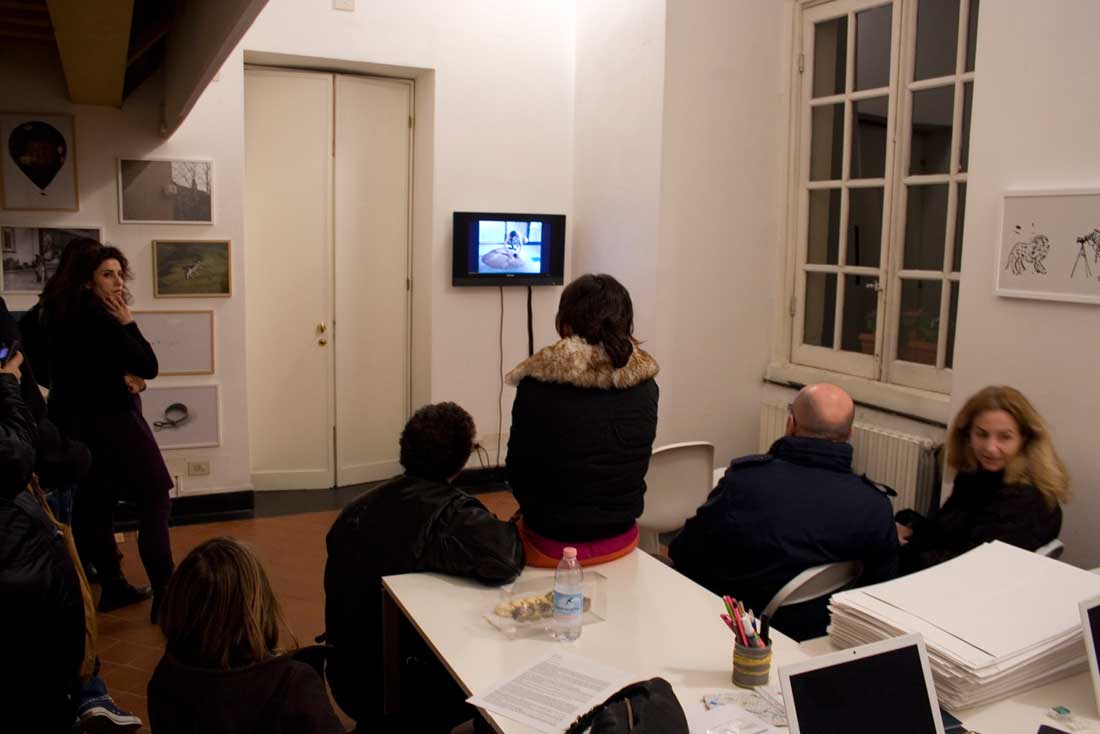
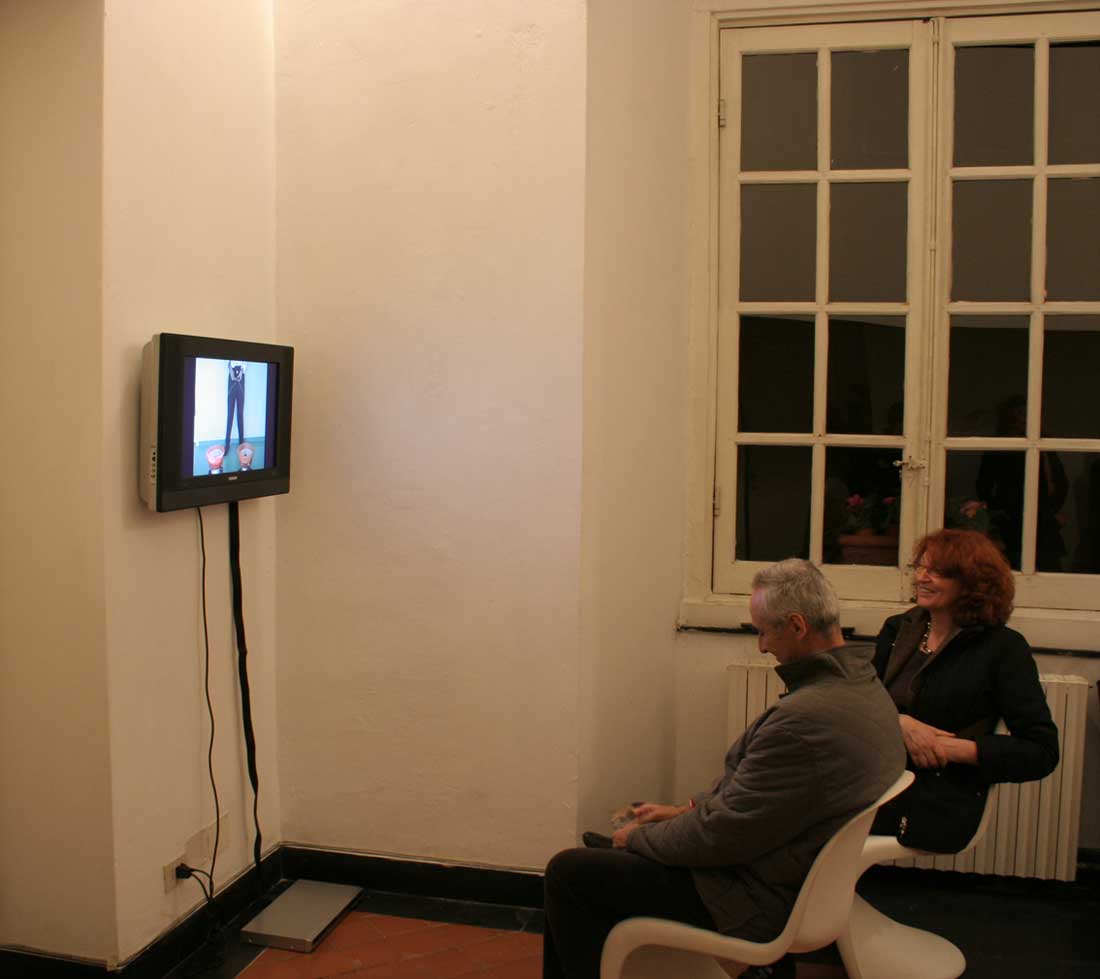

Foto inaugurazione © Francesco Cardarelli
29 Settembre 2016
In
Immagini Mostre
Soundtrack – Guy Ben-Ner


Foto inaugurazione © Francesco Cardarelli
28 Settembre 2016
In
Immagini Mostre
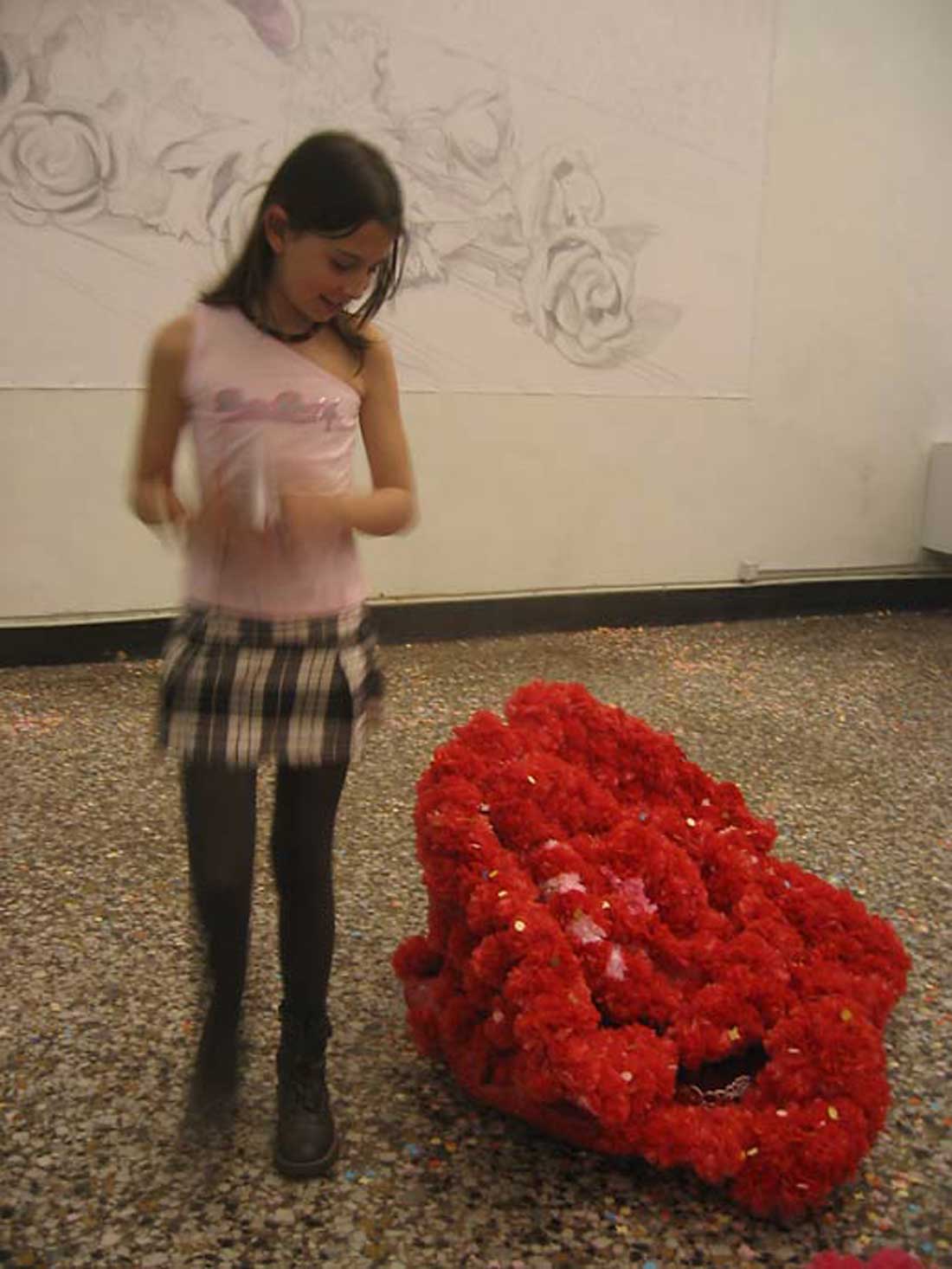
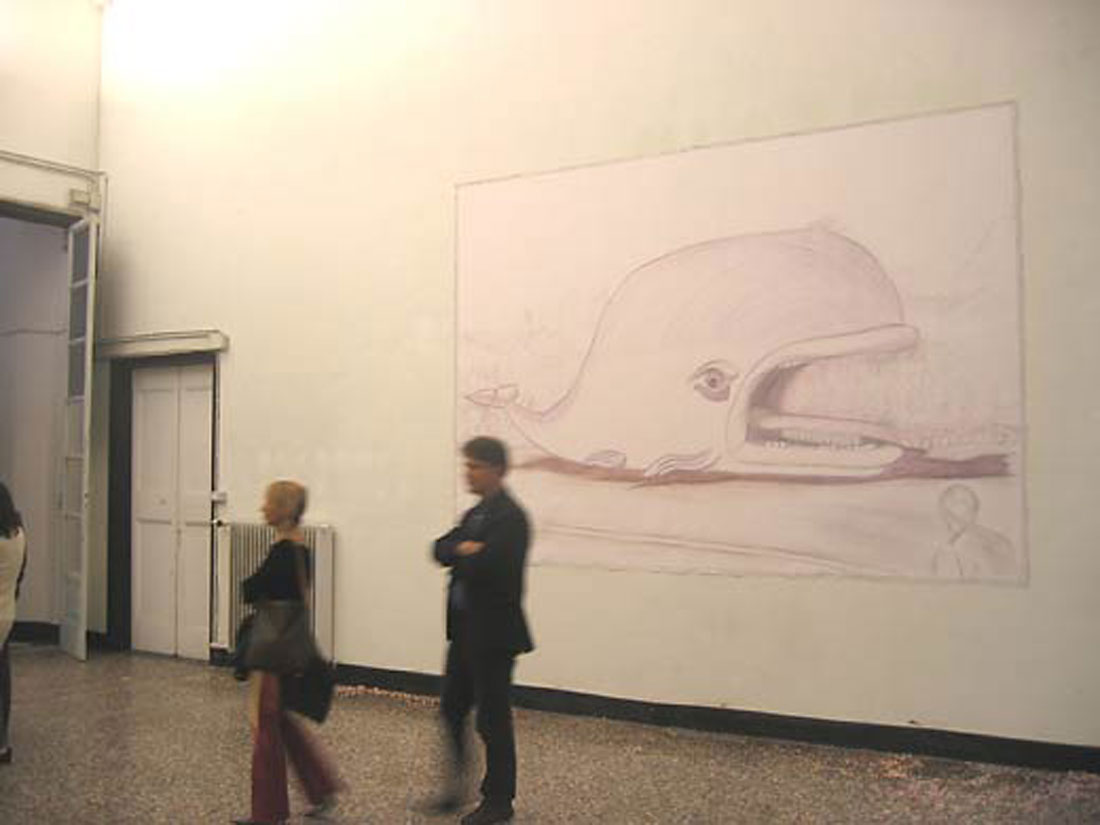
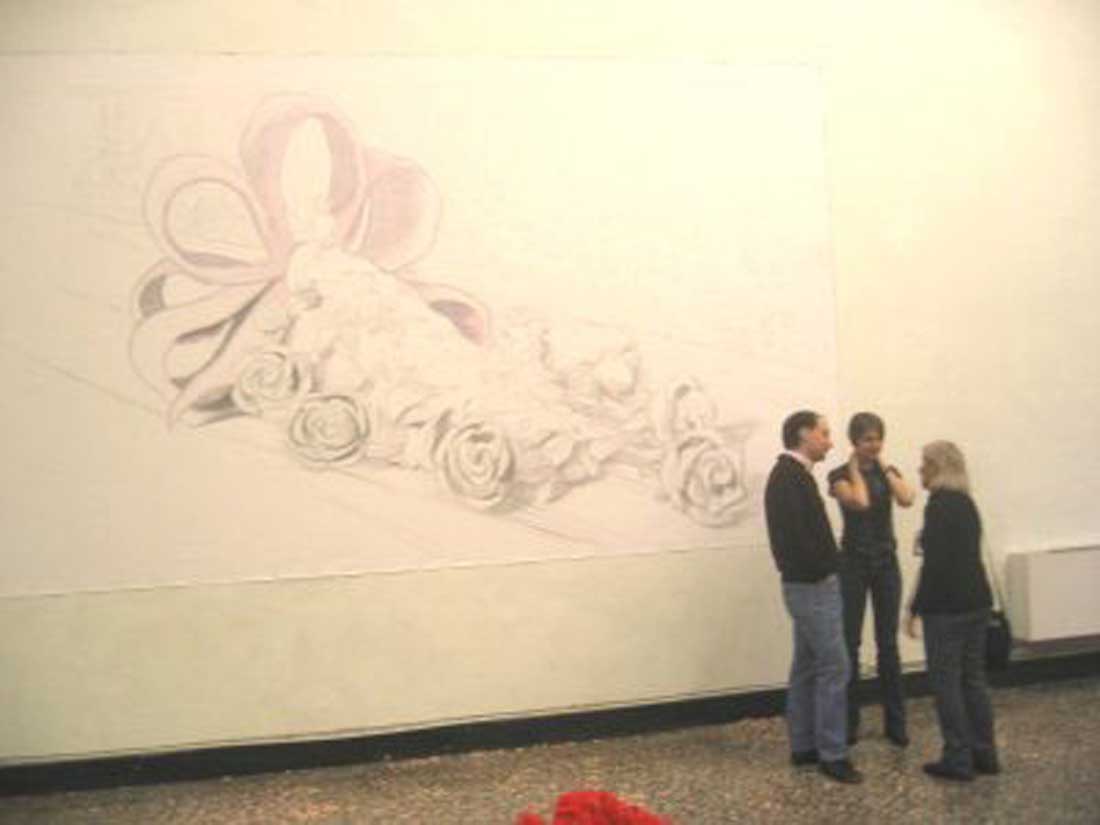
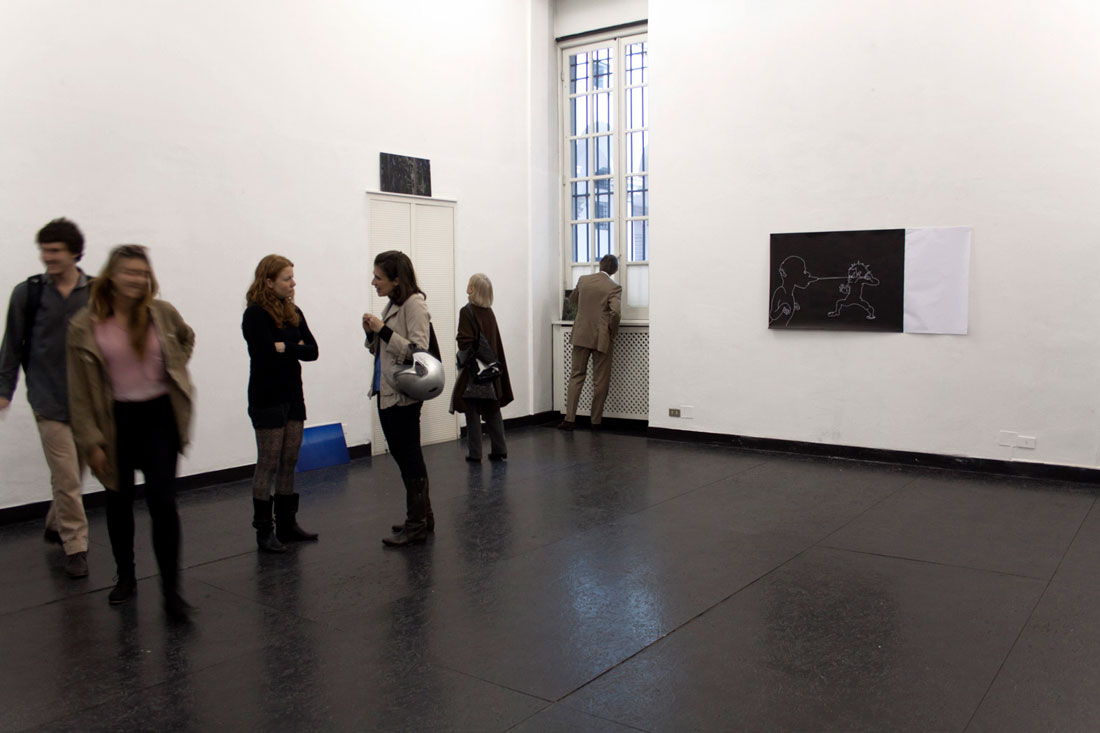
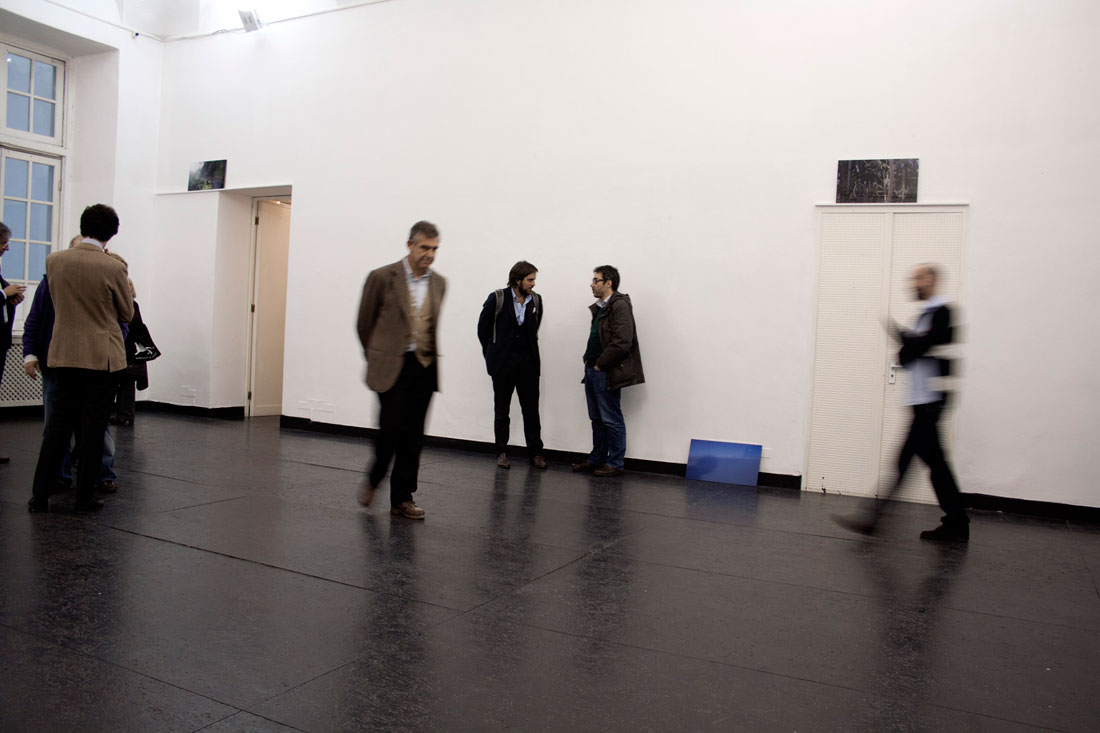
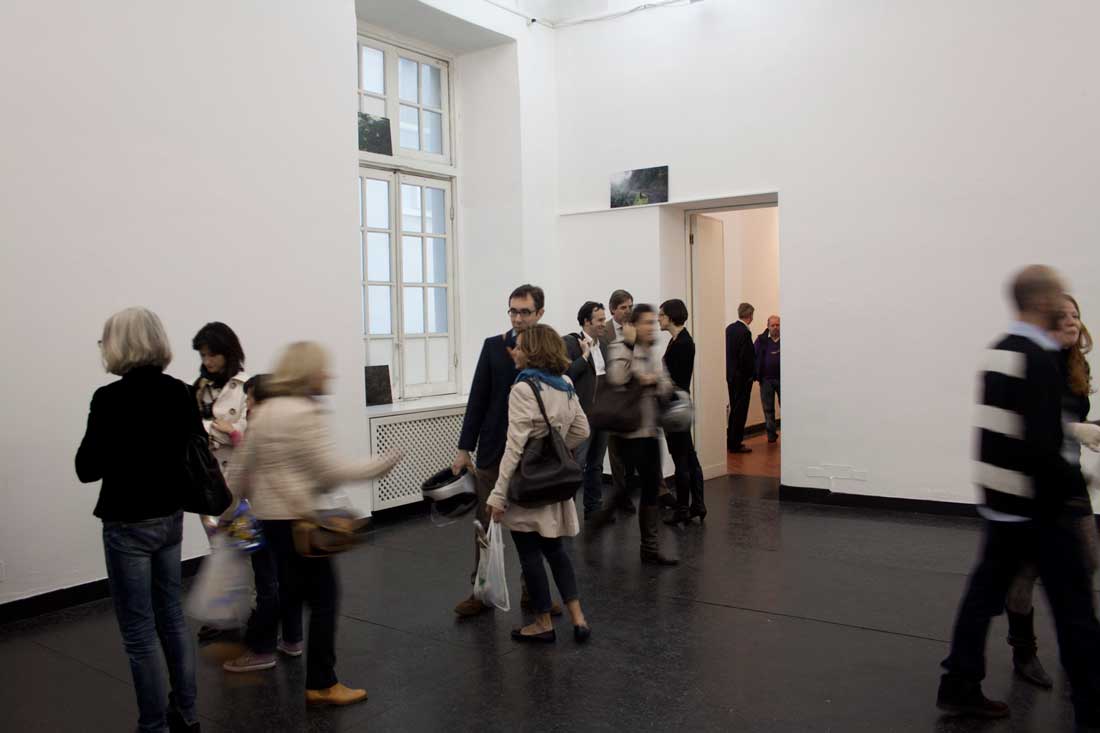
Gruppo A12 – Baukuk | Immagini
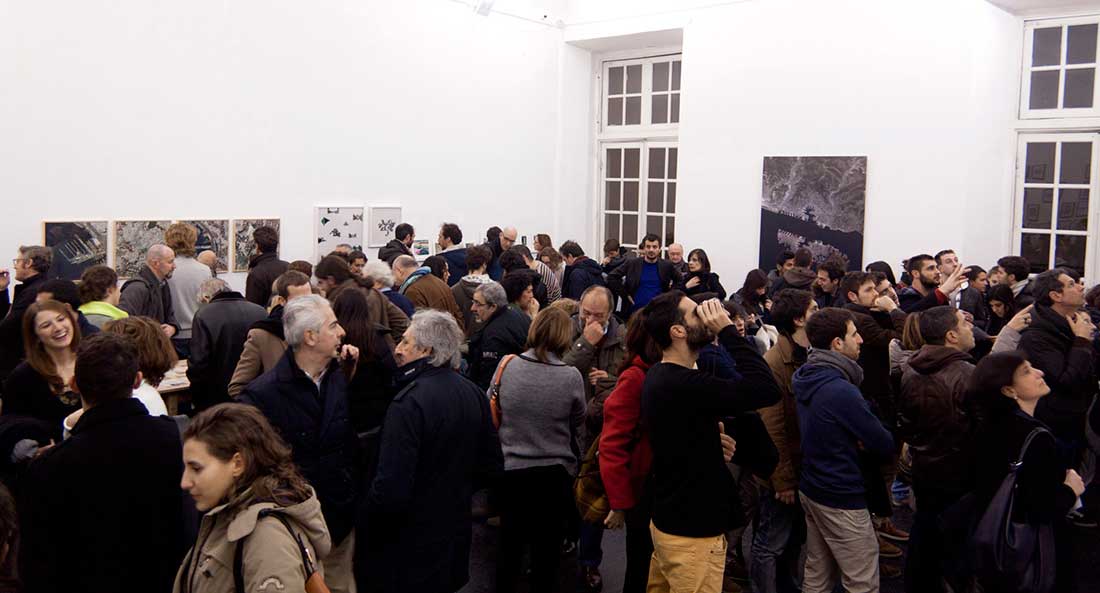
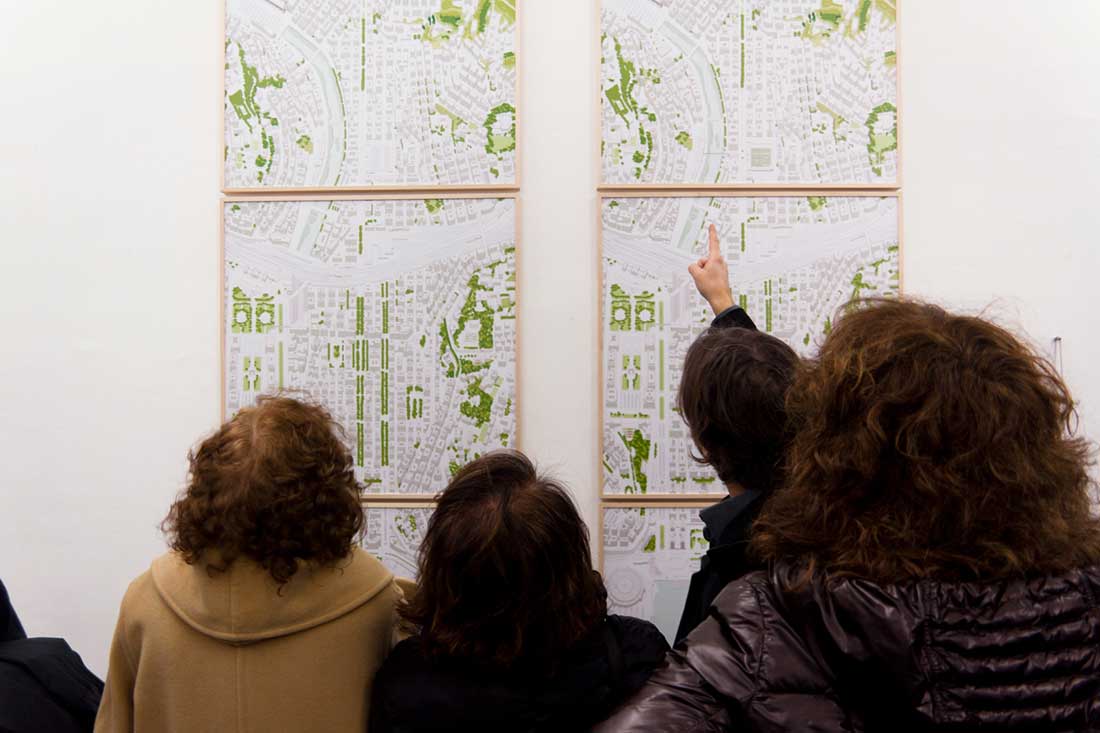
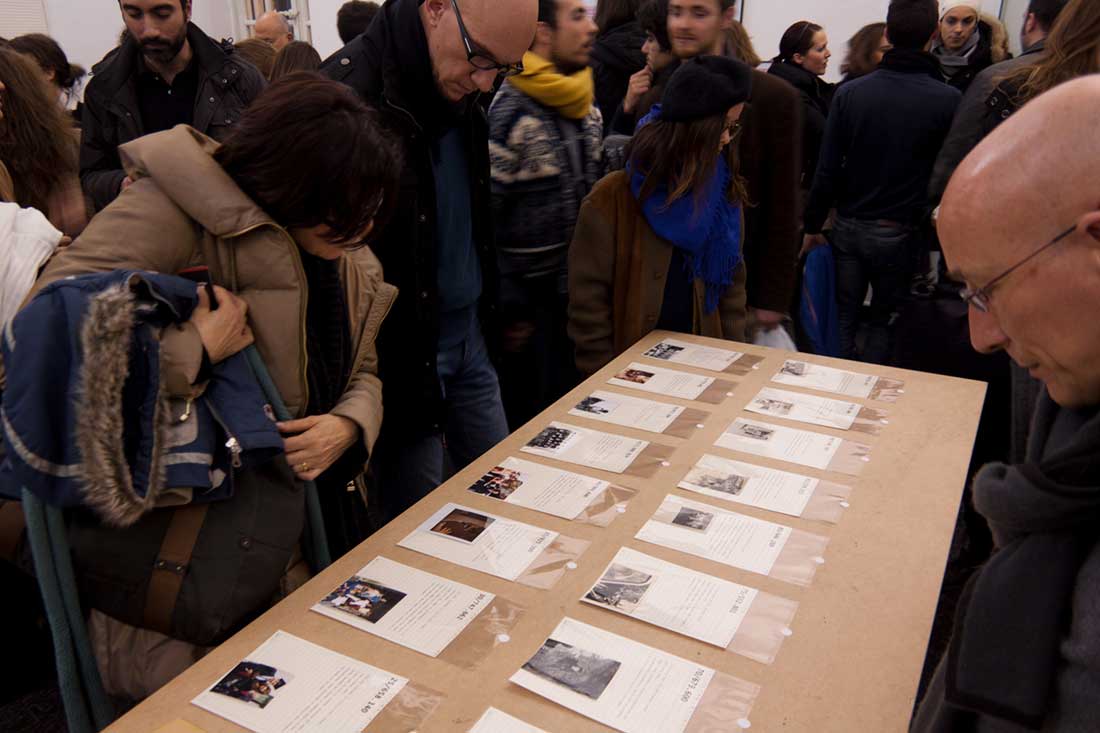
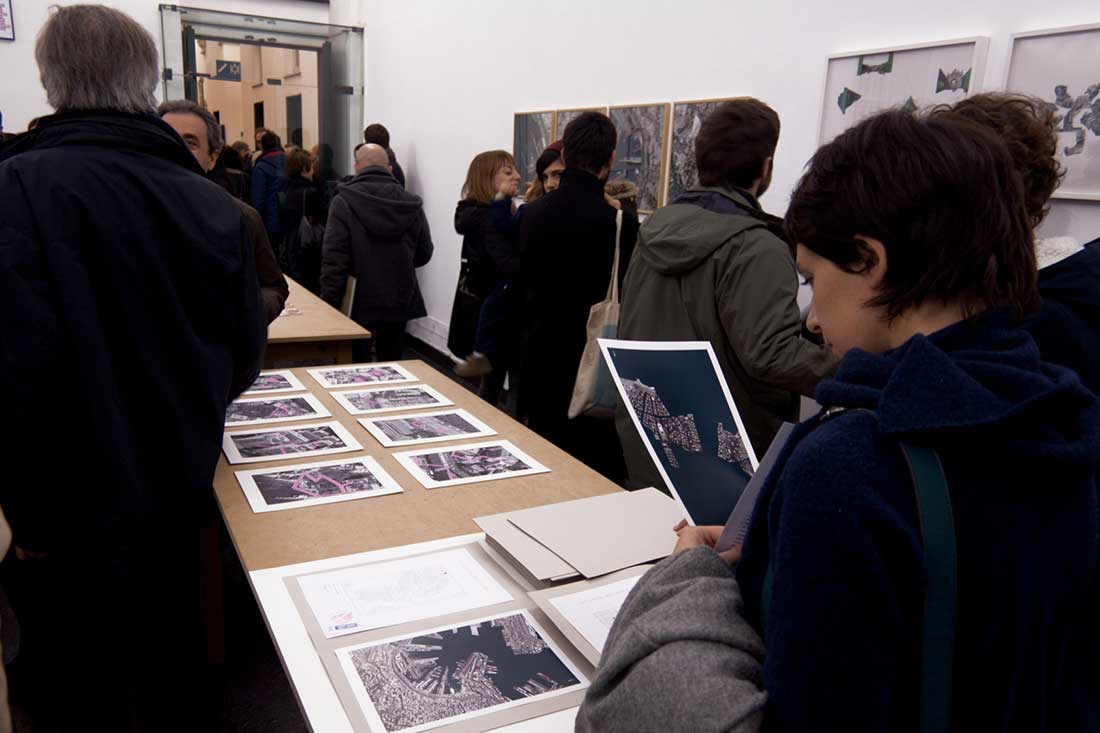
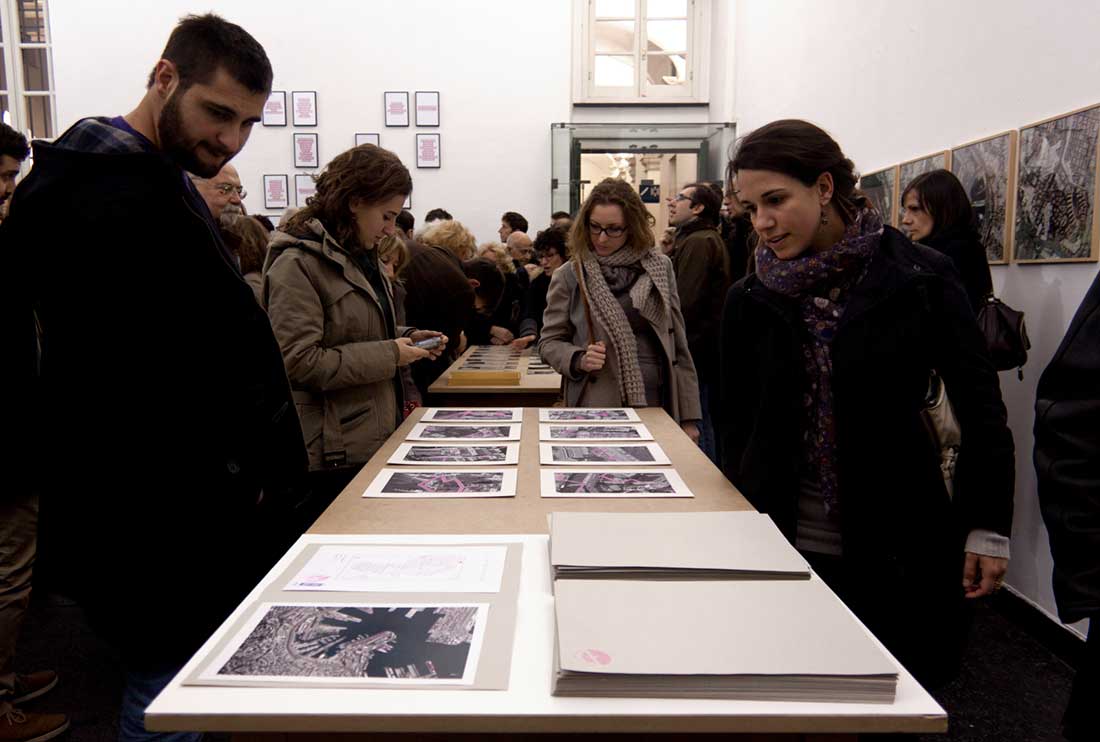

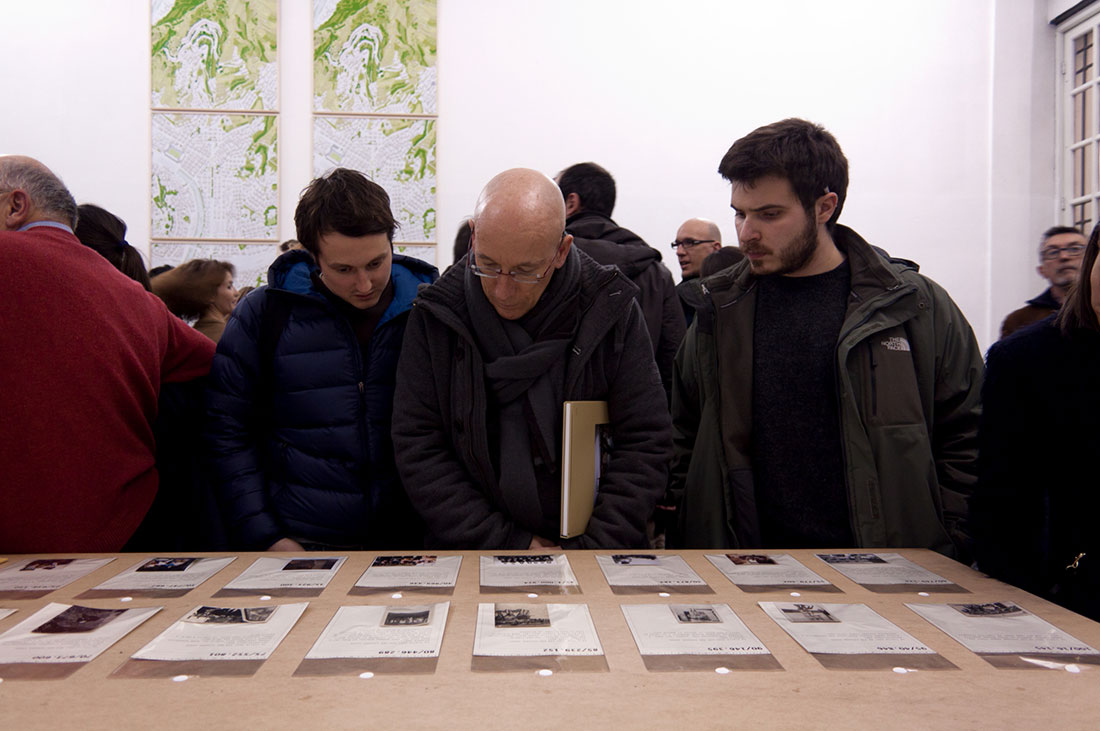


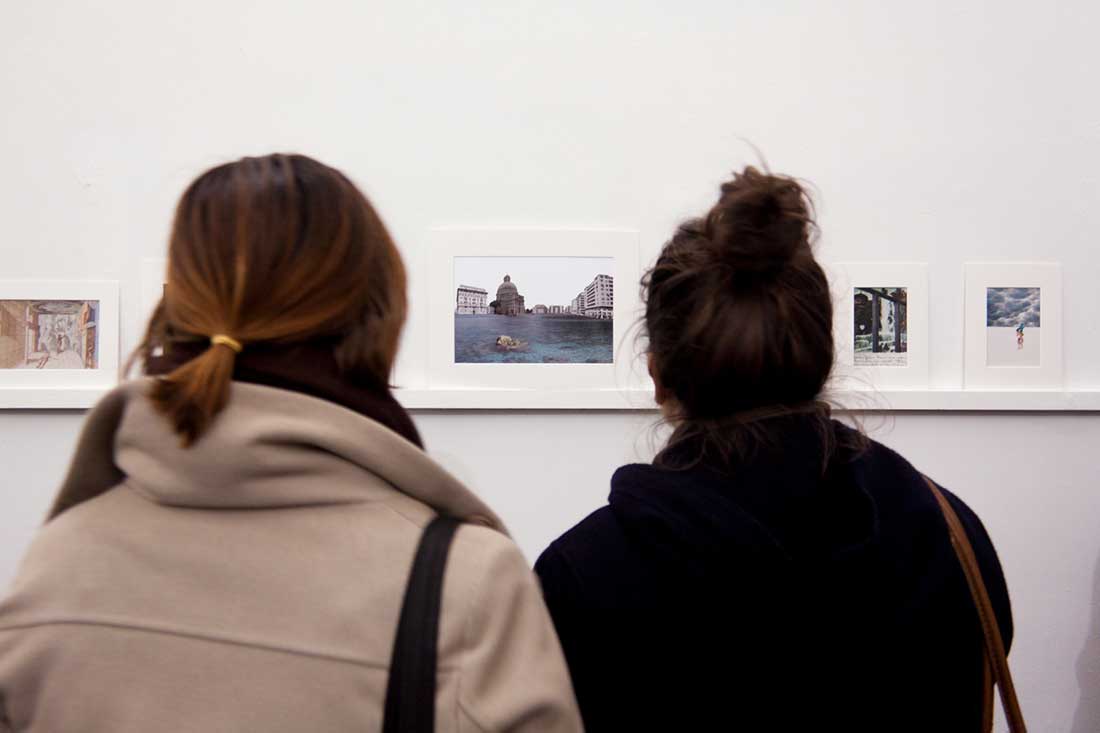
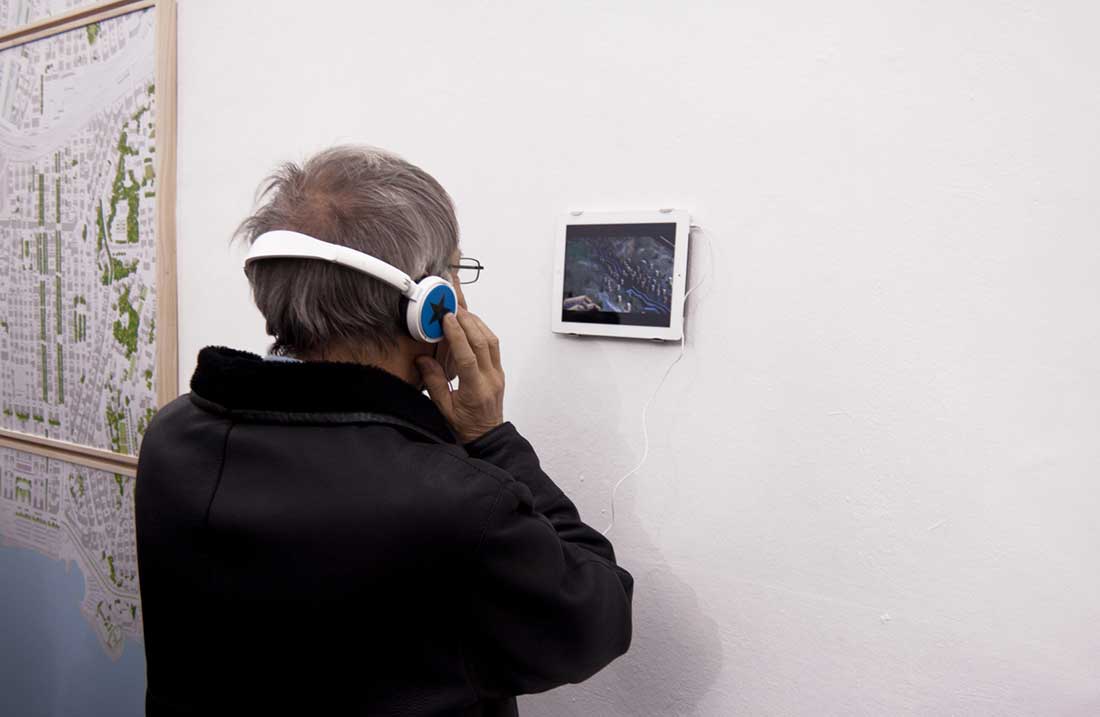

Foto inaugurazione © Francesco Cardarelli
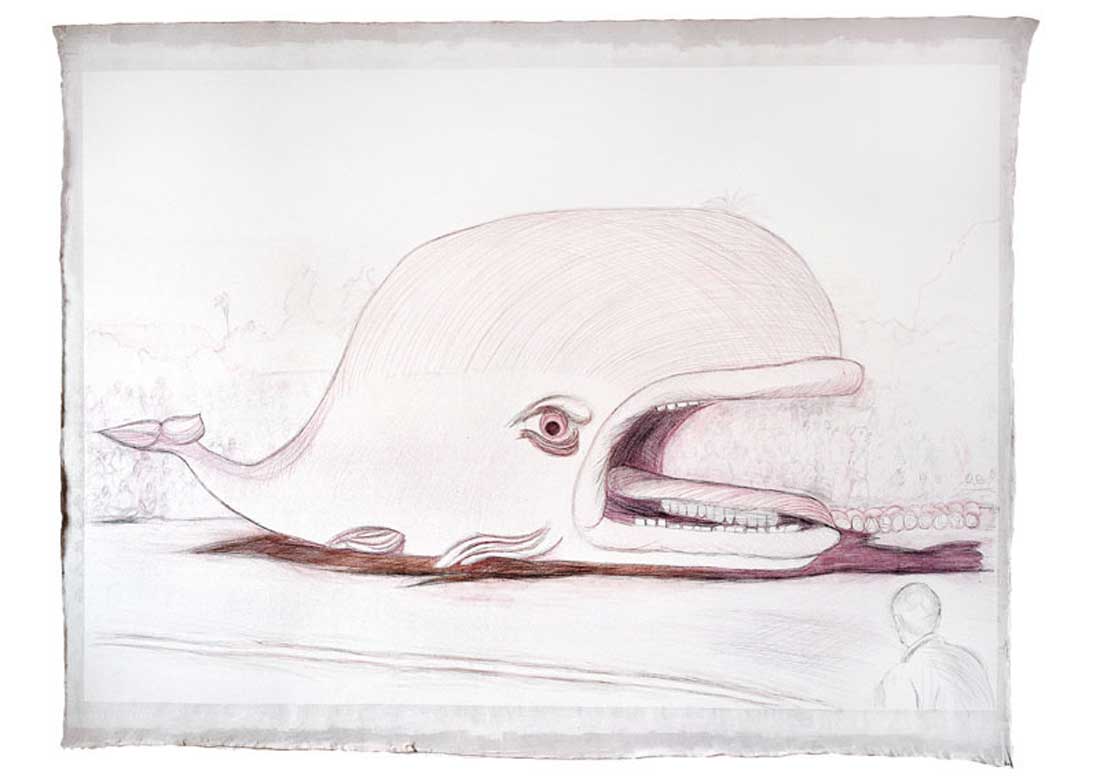

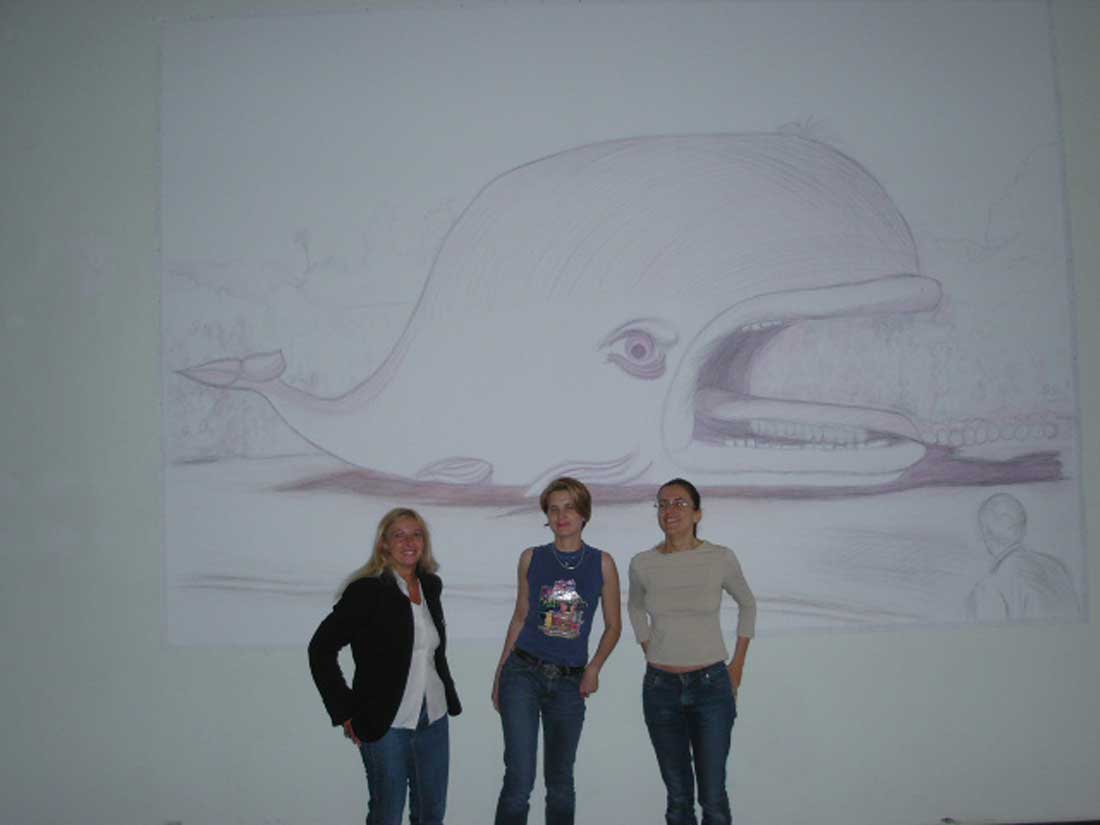








27 Settembre 2016
In
Immagini Mostre
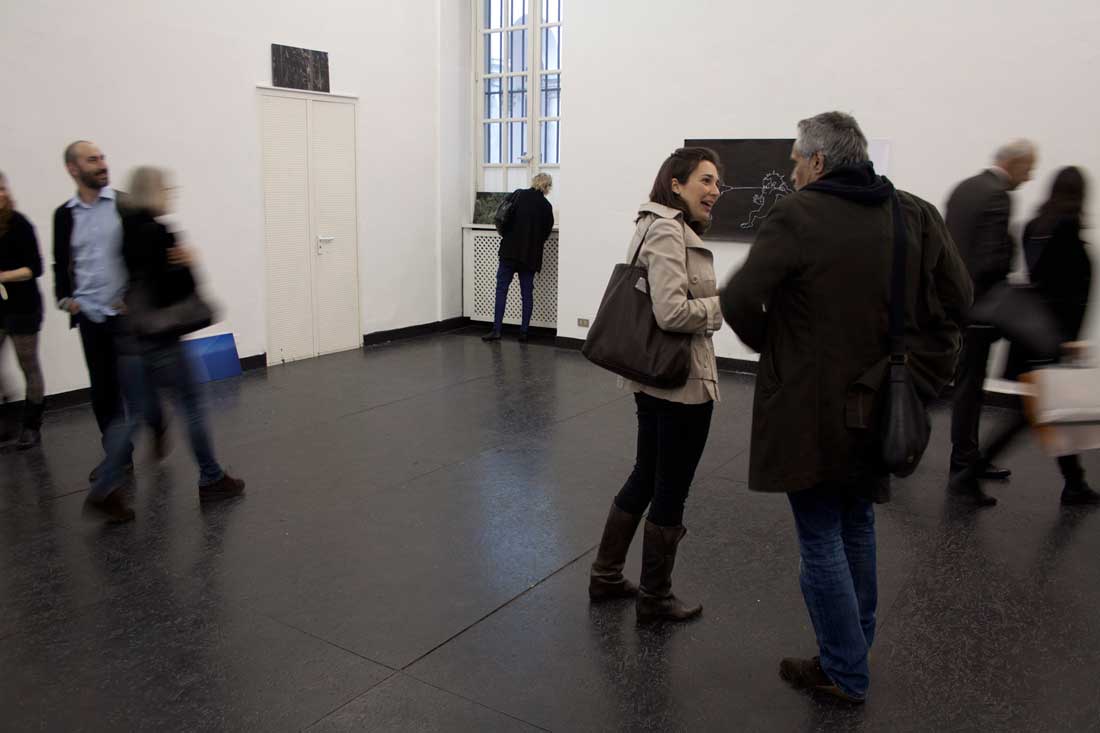
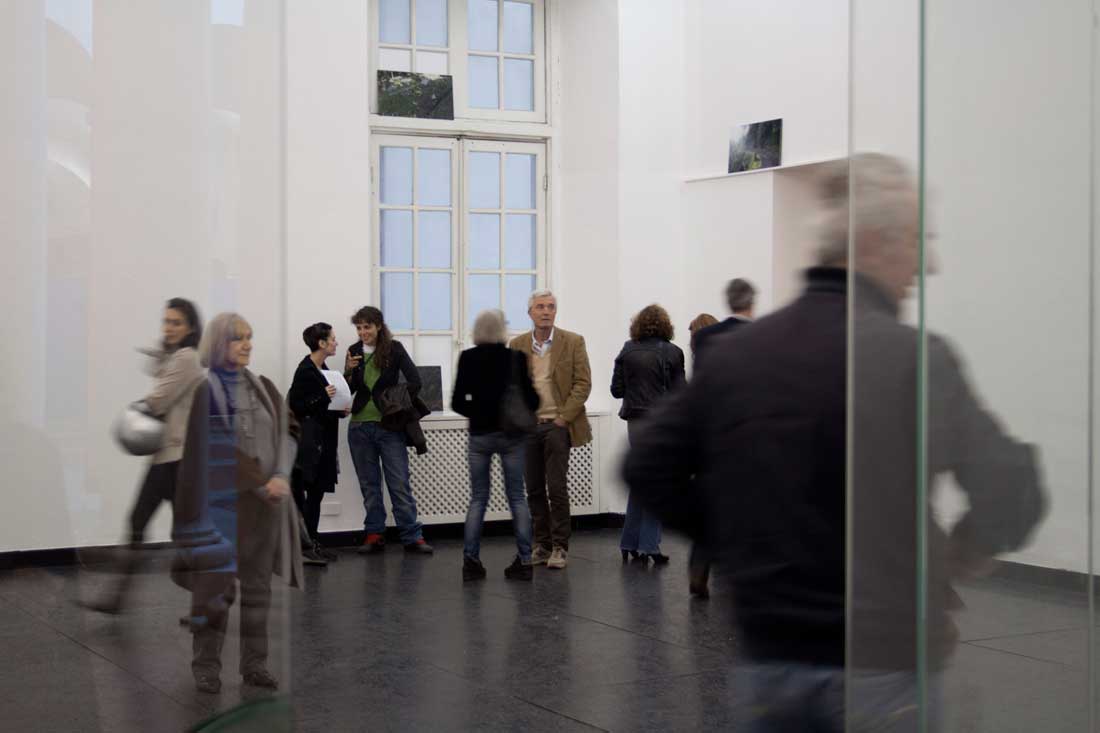
CHECK YOUR TOTEM – ALIS / FILLIOL
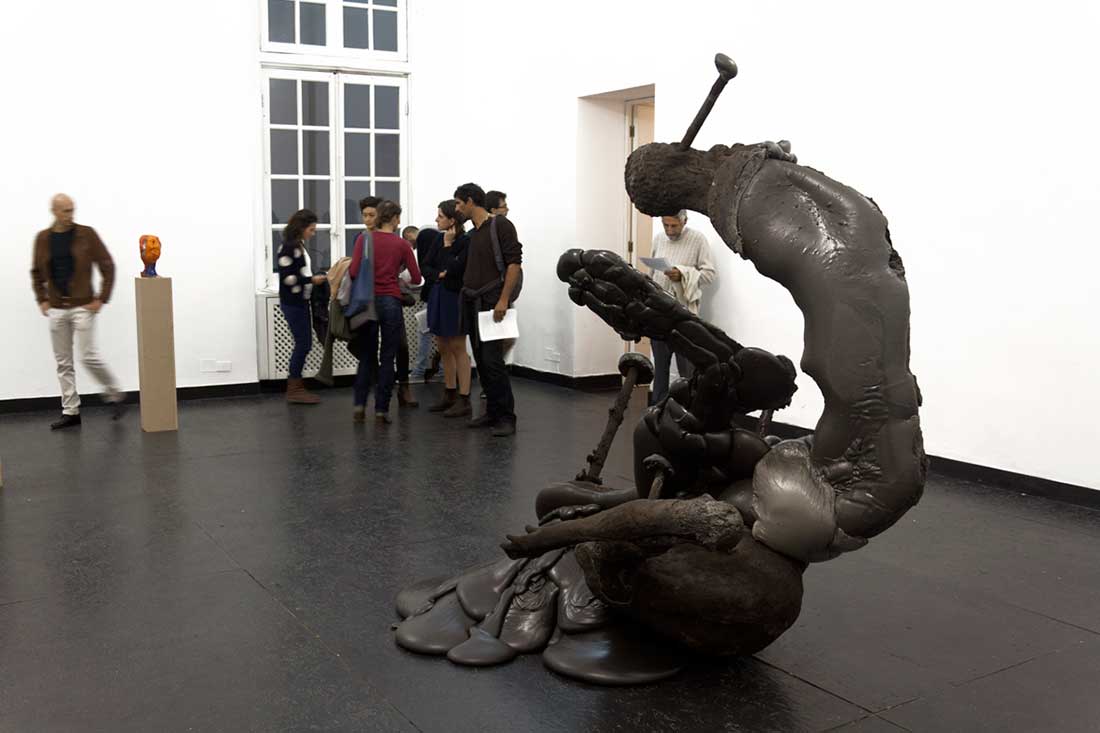
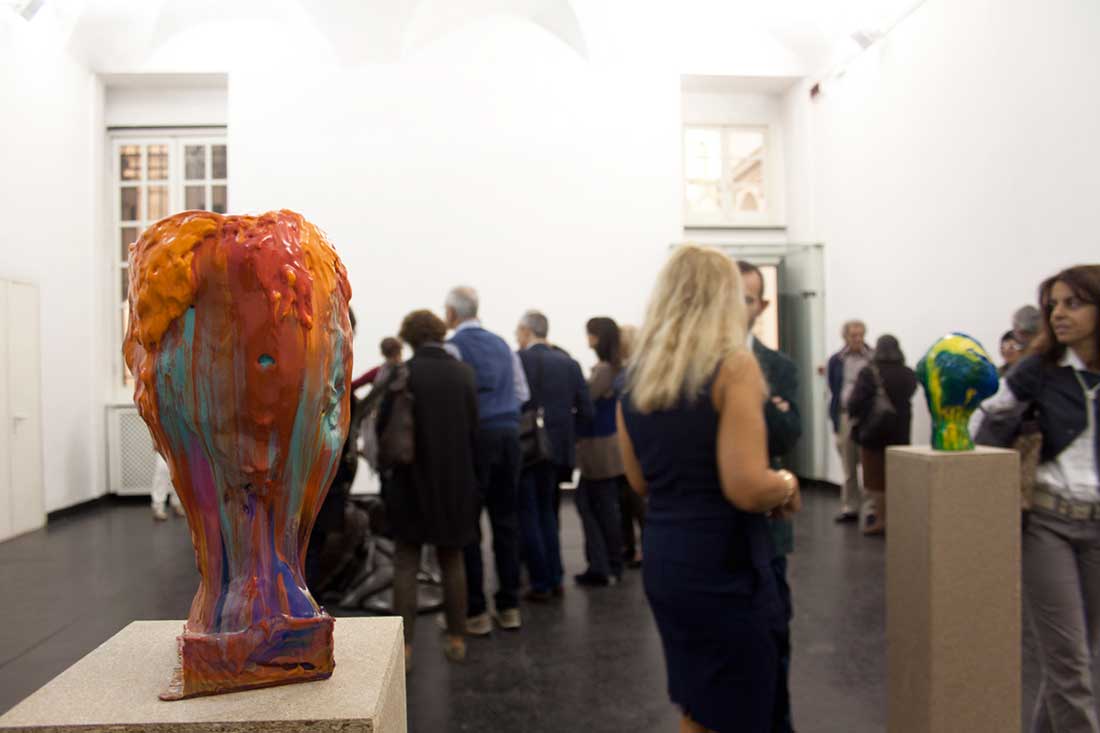
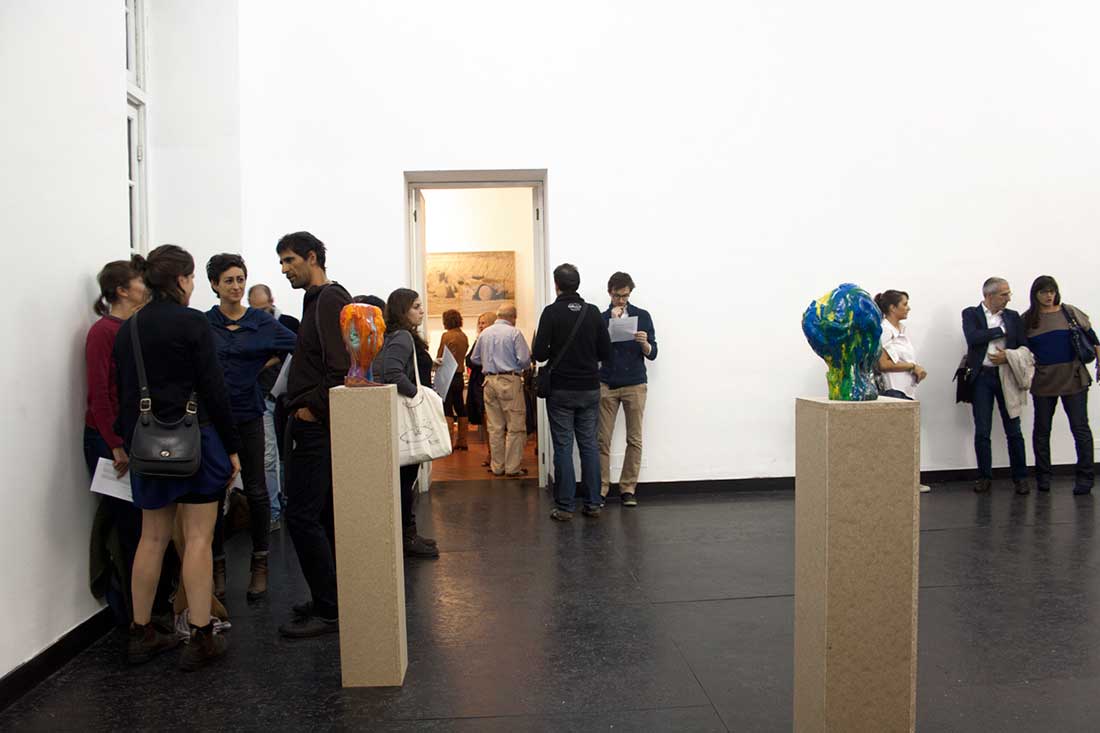
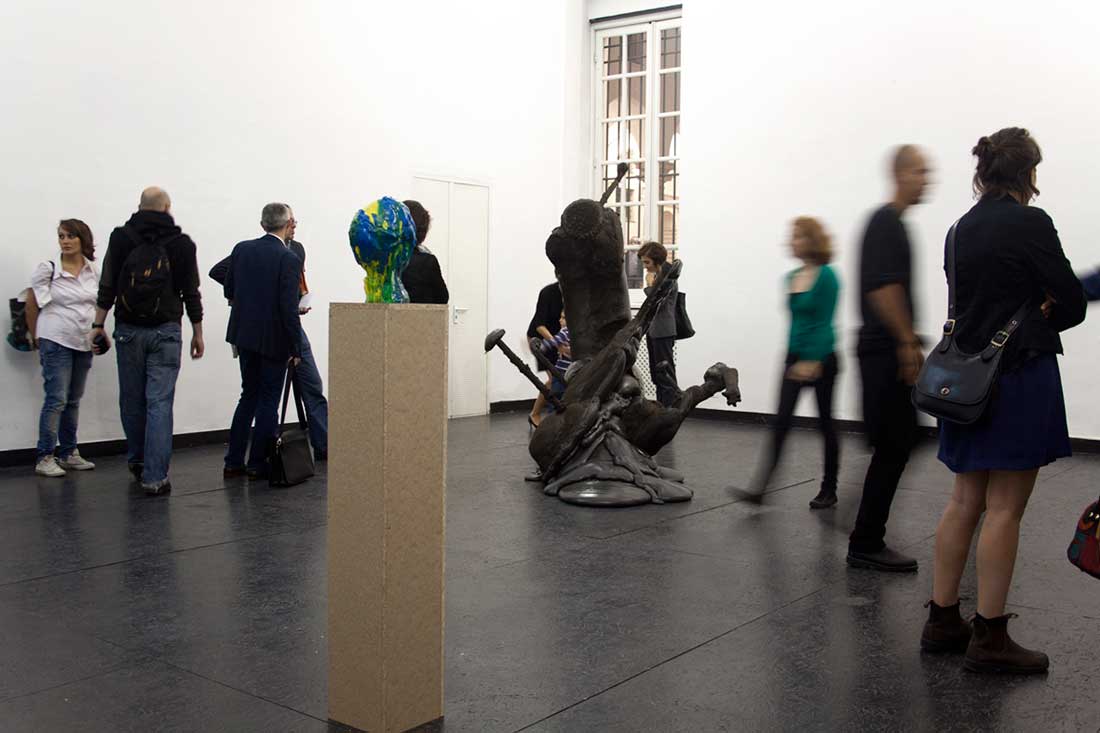
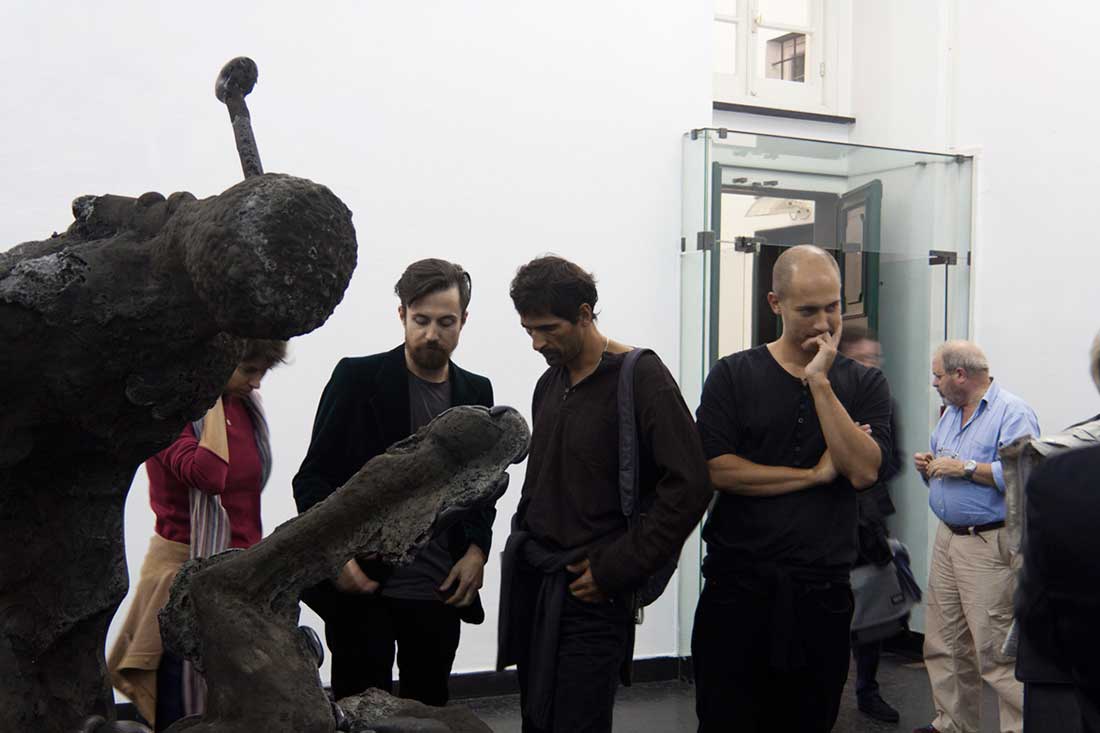

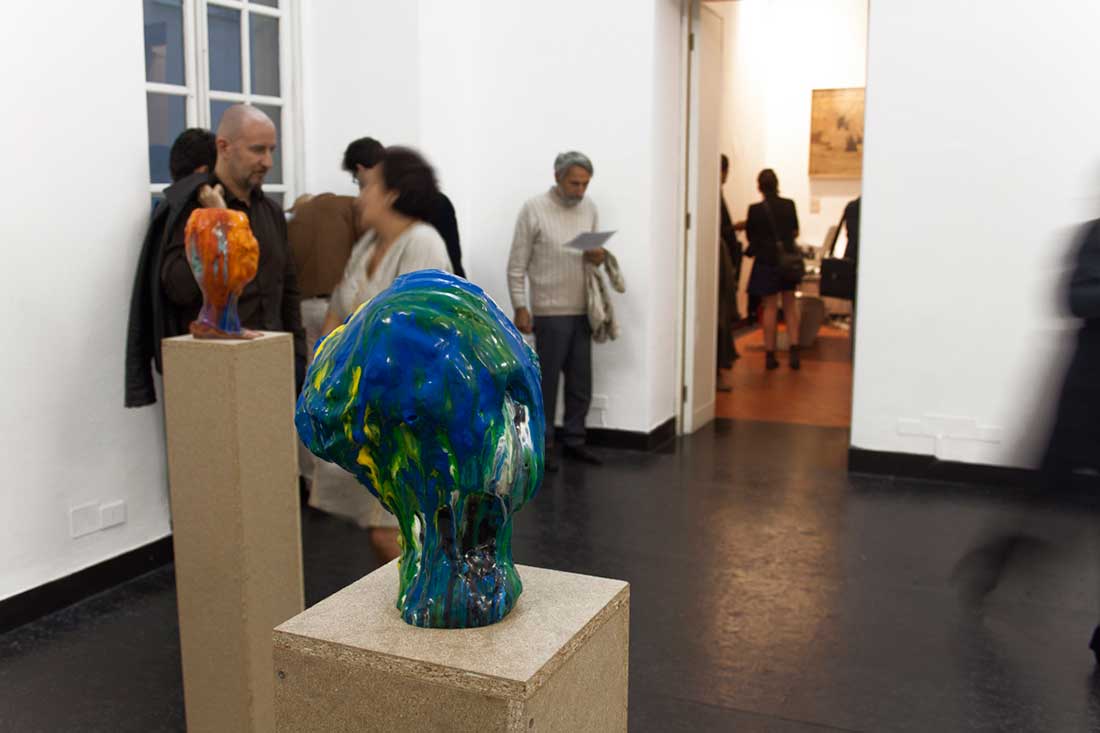
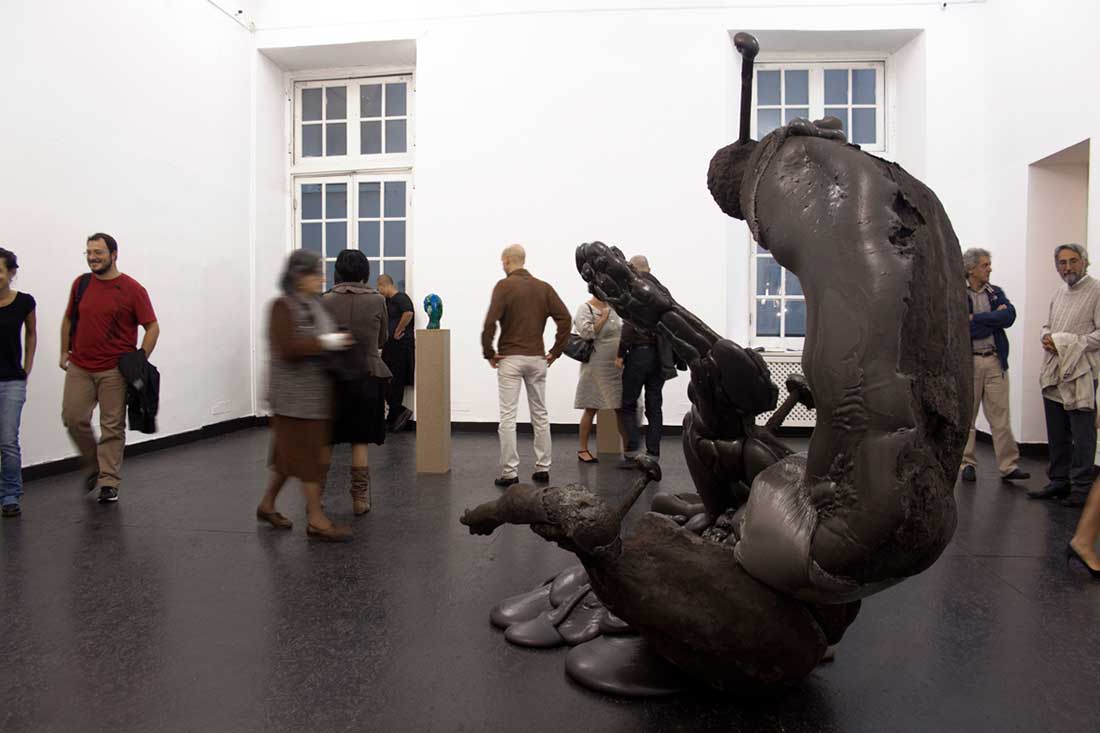

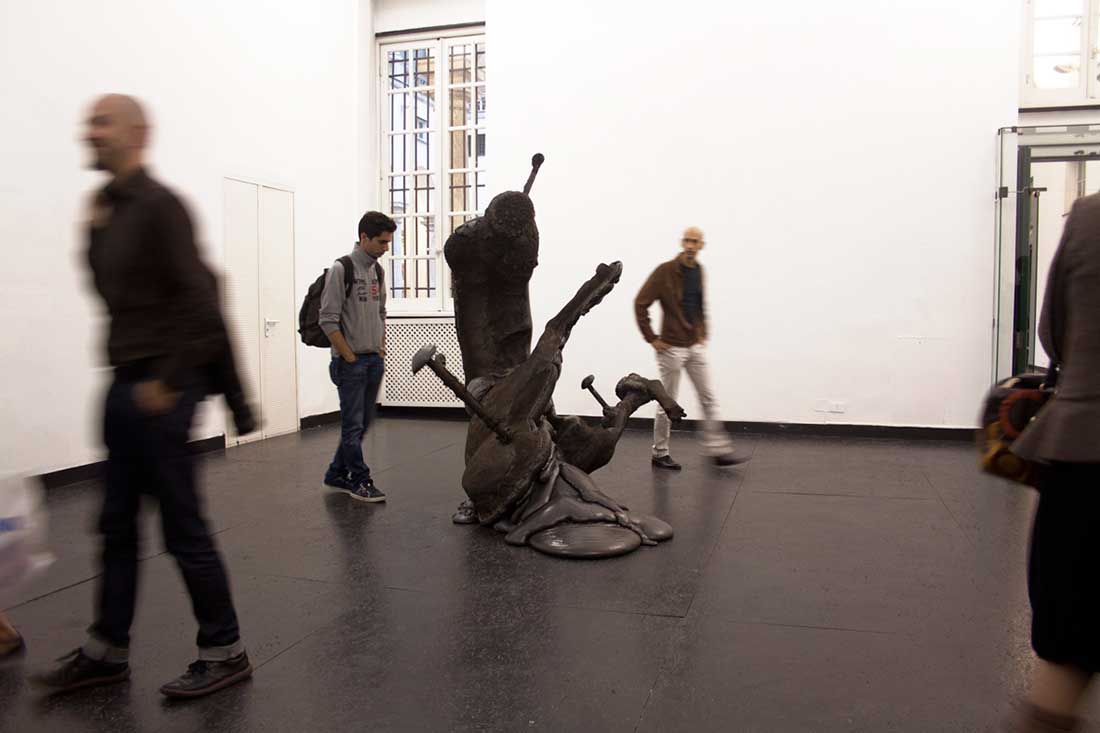
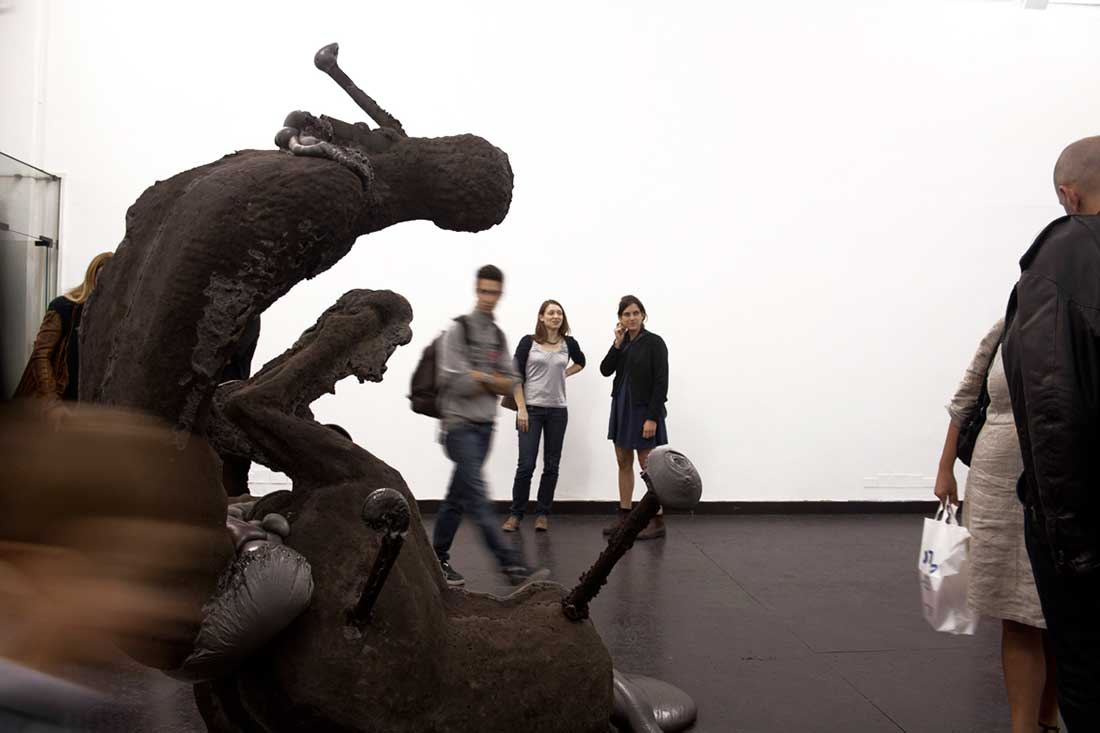
Opening Photography ©Francesco Cardarelli
7 Settembre 2016
In
Immagini Mostre
THE ICELANDIC LOVE CORPORATION – EMBODY


Photo credits Davide Pambianchi